Kitchen Remodel Labor Cost Breakdown: Where Your Money Actually Goes
You finally work up the courage to ask for real kitchen remodel quotes… and the line that makes your stomach drop isn’t the cabinets or the countertops. It’s “labor.” One big number, often tens of thousands of dollars, with no clear explanation of who is getting paid, for what, or whether any of it is […]
By Jan Rutgers
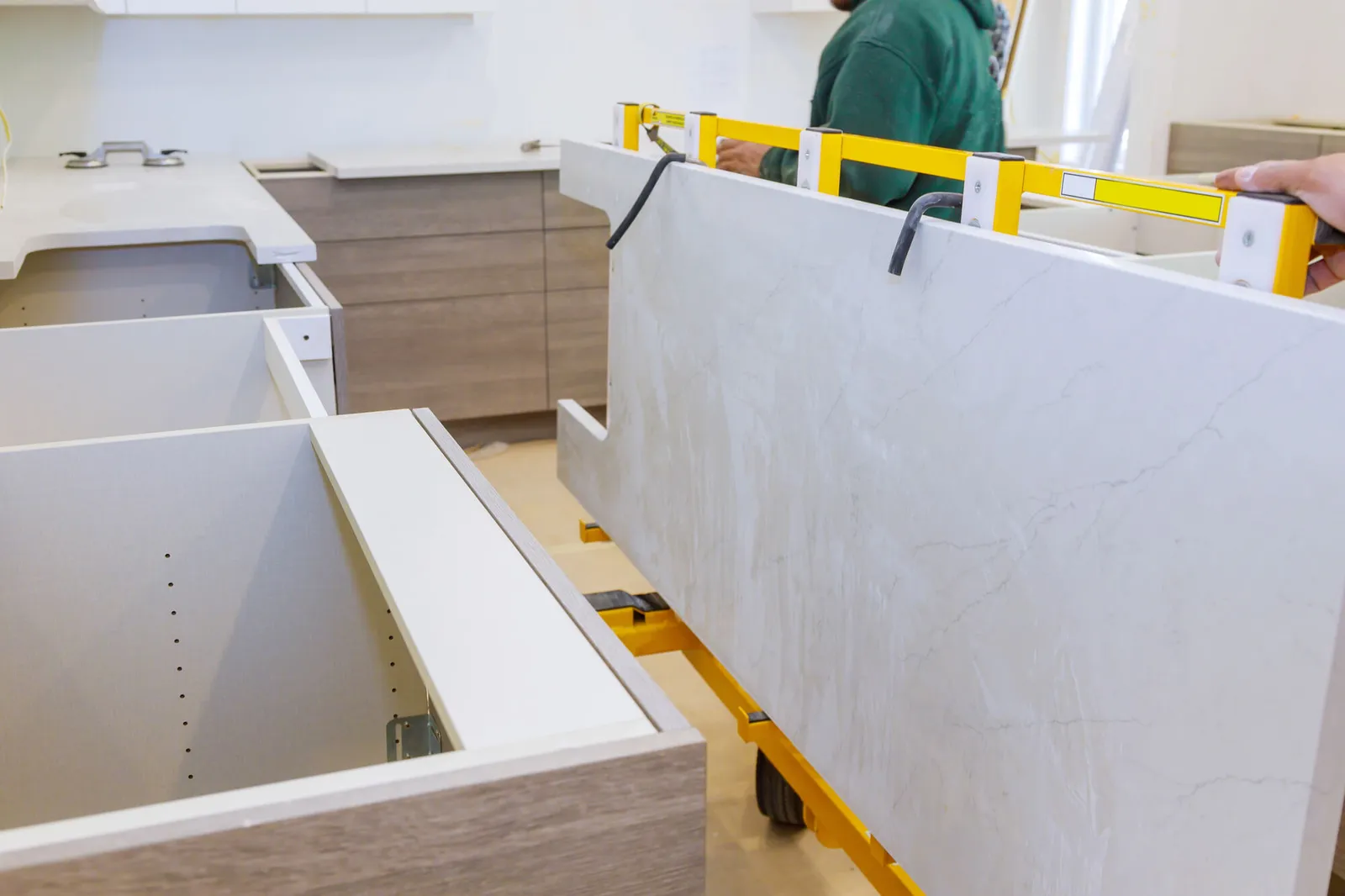
You finally work up the courage to ask for real kitchen remodel quotes… and the line that makes your stomach drop isn’t the cabinets or the countertops. It’s “labor.” One big number, often tens of thousands of dollars, with no clear explanation of who is getting paid, for what, or whether any of it is reasonable in the scope of your home renovation.
You’re not wrong to question a five-figure line with almost no detail. Most homeowners only remodel a kitchen once or twice, so you’re not supposed to be an expert in trade rates, project management, permits, or even kitchen design. People who look at kitchen renovation bids every day see the same pattern: the labor cost is rarely explained, even though it’s where a huge share of the budget typically goes.
We’re going to turn that opaque figure into something you can actually see: what that labor line usually includes, how much of your total project cost typically goes to licensed tradespeople like plumbers and electricians, what drives that number up or down, and where a smart mix of DIY and professional help can save you money without creating headaches with inspectors, insurers, or future buyers.
By the end, you’ll be able to look at any kitchen renovation bid and understand what you’re being charged for, where you genuinely have leverage, and where cutting labor backfires. You’ll also learn how to decipher itemized bids, manage project timelines, and keep an eye on material costs, ensuring that both minor and major remodels proceed smoothly with vetted professionals like general contractors and cabinet installers guiding the way.
What Kitchen Remodel Labor Costs Actually Include
One of the biggest misconceptions in a kitchen remodel is assuming the majority of costs come from materials alone. While cabinets, countertops, flooring, appliances, and fixtures can account for a large portion of the budget, labor is often the hidden engine behind a successful kitchen renovation.
Material costs cover the physical products used during remodeling, including cabinetry, sinks, countertops, tile, lighting fixtures, flooring materials, and appliances. Labor costs, on the other hand, pay for the skilled professionals responsible for demolition, installation, electrical work, plumbing, design execution, permitting, and project coordination.
In a typical home renovation, labor may include:
- Demolition crews removing old cabinets, countertops, flooring, and walls
- Cabinet installers handling custom cabinetry and cabinet alignment
- Plumbers relocating sinks, dishwashers, and water lines
- Electricians updating circuits, outlets, and lighting
- Flooring specialists preparing subfloors and installing tile or hardwood
- General contractors overseeing scheduling, inspections, and project management
- Designers developing layouts and material selections
Labor cost for your project will also vary depending on the complexity of the renovation, the size of the kitchen, the overall scope of work, and even local rates and geographic factors.
A simple cabinet replacement project will naturally involve less work than a full home renovation requiring wall removal, plumbing relocation, and custom design work.
What Share Of A Kitchen Remodel Budget Usually Goes To Labor?
For most full kitchen remodels, labor typically runs about 20–35% of the total budget. On a $30,000 project, that often means roughly $6,000–$10,500 in the workforce; on a $100,000 project, something in the $20,000–$35,000 range is common. These are educational guardrails to help you think, not quotes or guarantees.
Here’s how that 20–35% labor range often looks at different budget levels:
| Project budget | Typical labor share | Approx. labor range (USD) |
| $30,000 | 20–35% | $6,000–$10,500 |
| $60,000 | 20–35% | $12,000–$21,000 |
| $100,000 | 20–35% | $20,000–$35,000 |
These examples assume U.S. pricing and are there to orient your thinking, not to tell you what you “should” pay. Licensed contractors in high‑cost metros, areas with strict codes, or very old housing stock may need to price labor above the top of these bands. Simpler “pull‑and‑replace” projects in lower‑cost regions can land toward the bottom.
Demolition and Prep Work Costs
Before new cabinetry, countertops, appliances, or flooring can be installed, the old kitchen has to come out.
Demolition is one of the first major labor phases in a kitchen remodeling project, and it often requires more coordination and skilled hands than homeowners expect.
- Removing cabinets and cabinetry
- Tearing out countertops
- Removing flooring
- Disconnecting major appliances (fridge, stove, oven, dishwasher)
- Removing sinks and plumbing fixtures
- Taking down portions of the walls
- Hauling debris away
Demolition may seem straightforward, but it requires careful coordination to avoid damaging electrical wiring, plumbing systems, or structural framing hidden behind walls and cabinetry.
Hidden Problems That Increase Labor Costs
Demolition is also when contractors often discover hidden issues that affect overall kitchen remodel costs, not just labor, including:
- Water damage beneath sinks
- Mold behind cabinets
- Outdated electrical systems
- Plumbing leaks
- Uneven subfloors
- Structural wall problems
These discoveries can increase project costs significantly because additional licensed tradespeople may need to step in before remodeling can continue.
Older homes are especially prone to hidden renovation issues. Once walls are opened, homeowners may be required to update plumbing, electrical work, or ventilation systems to meet current permitting and code requirements.
Cabinet Installation Labor Costs
Cabinets are often the centerpiece of a kitchen remodel, which is why cabinetry installation typically represents one of the largest portions of kitchen remodel labor cost. While homeowners frequently focus on the price of cabinets themselves, the labor required to install them properly is extensive and highly technical.
- Level
- Securely anchored
- Properly aligned
- Spaced correctly around appliances
- Positioned accurately for countertops and plumbing
Even small installation errors can create major problems later with flooring transitions, countertop fabrication, appliance fitment, and sink placement.
Labor becomes even more involved when homeowners choose custom cabinetry or remodel older homes with uneven walls and floors.
Stock vs. Custom Cabinetry
Stock cabinets generally involve lower installation work because they come in standard sizes and require fewer modifications.
Custom cabinetry, however, often requires:
- Specialized measurements
- On-site adjustments
- Precision trim carpentry
- Appliance panel integration
- Detailed layout coordination
Custom cabinetry installations also require closer coordination between cabinet installers, electricians, plumbers, and countertop fabricators throughout the remodeling process.
Additional Cabinet-Related Labor Costs
Beyond standard installation, several additional factors can affect the total kitchen remodel budget size.
These may include:
- Crown molding installation
- Floating shelves
- Pantry construction
- Built-in appliance panels
- Under-cabinet lighting coordination
- Soft-close hardware installation
- Decorative end panels
- Custom storage systems
Cabinet modifications for larger refrigerators, double ovens, or specialty appliances may also require additional work from both cabinet installers and electricians.
Countertop Installation Labor Costs
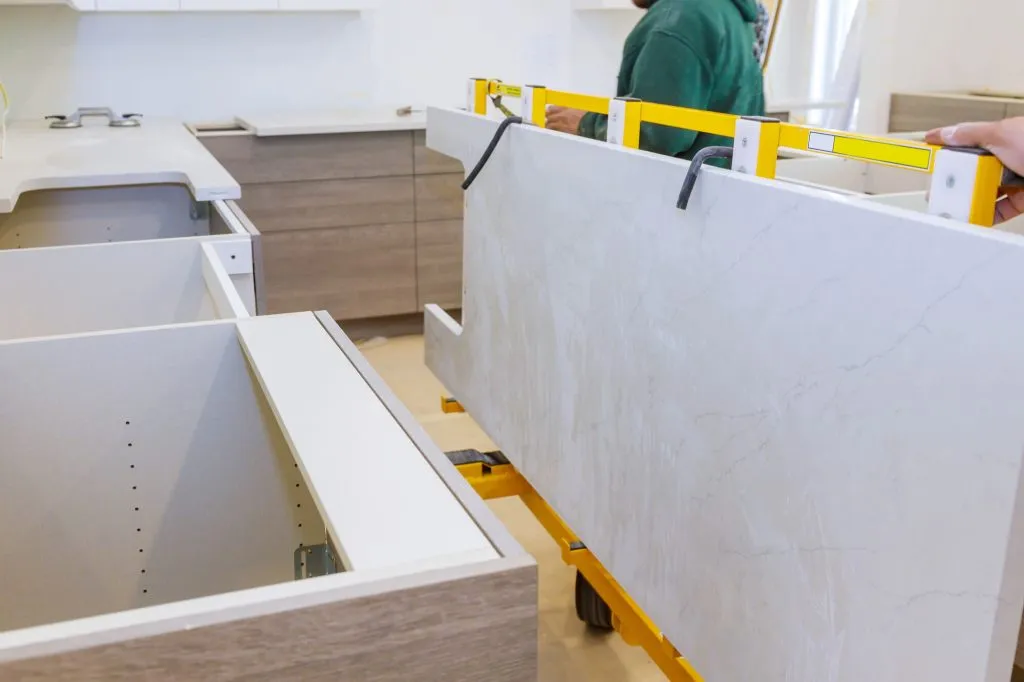
Countertop installation involves much more than placing slabs on top of cabinets.
The handiwork typically includes:
- Measuring and templating
- Fabrication
- Sink cutouts
- Edge finishing
- Transportation
- Seaming
- Installation and leveling
Quartz and granite countertops often require large installation crews due to the weight and fragility of the materials.
Sink and Backsplash
Sink installation and backsplash work can also increase installation work costs during a kitchen renovation.
Undermount sink installations require precise mounting and waterproof sealing, while tile backsplashes often involve:
- Wall preparation
- Tile cutting
- Grouting
- Electrical outlet adjustments
Intricate tile patterns and natural stone backsplashes can significantly increase installation costs.
Plumbing Labor Costs in a Kitchen Remodel
Plumbing work is one of the most important parts of a kitchen remodeling project. Although not all kitchen or home renovation projects may require them, they are frequently needed in older homes or for full gut renovations.
A large part of the contingency funds will likely be used precisely for unexpected plumbing or electrical work.
If needed, plumbing work includes:
- Sink relocation
- Dishwasher hookups
- Refrigerator water lines
- Faucet installation
- Garbage disposal installation
- Drain modifications
- New kitchen islands with sink or dishwasher
Even relatively simple kitchen renovations usually require a licensed plumber to ensure all work meets code requirements.
Why Plumbing Costs Increase
Moving plumbing lines is one of the fastest ways to increase labor costs in a kitchen remodel.
Relocating a sink or dishwasher may require:
- Pipe rerouting
- Flooring removal
- Wall access
- Additional permits
- Plumbing inspections
Older homes may also require plumbing upgrades once demolition exposes outdated infrastructure behind walls and cabinetry.
Electrical and Lighting Labor Costs
Today’s kitchens require far more electrical capacity than older homes were originally designed to handle.
Electricians may need to:
- Install dedicated circuits
- Upgrade panels and electrical lines
- Add GFCI outlets
- Install recessed lighting
- Wire under-cabinet lighting
- Relocate switches and outlets
Electrical work also becomes more complex when appliances, islands, or lighting layouts change during remodeling.
Appliance Integration
Modern appliances often require coordination between electricians, plumbers, cabinet installers, and general contractors.
Built-in appliances may involve:
- Custom cabinetry modifications
- Dedicated electrical circuits
- Additional ventilation systems
- Water line installation
- Smart appliance integration
Electrical permitting and inspections also add labor and scheduling considerations to the project timeline.
Flooring Installation Labor Costs
Kitchen flooring installation can be highly labor-intensive, depending on the material selected.
Common kitchen flooring materials include:
- Tile
- Hardwood
- Luxury vinyl plank (LVP)
- Laminate
- Natural stone
Tile flooring generally carries the highest installation cost due to subfloor preparation, tile cutting, layout planning, and grouting.
Luxury vinyl plank has become increasingly popular because it offers lower labor costs and faster installation timelines, helping control kitchen remodeling costs overall.
Subfloor and Prep Work
Demolition often exposes damaged subfloors that require repair before new flooring can be installed.
Additional flooring work may include:
- Moisture remediation
- Subfloor leveling
- Structural reinforcement
- Appliance coordination
- Cabinet layout adjustments
Material delays involving specialty flooring products can also affect labor scheduling during remodeling.
Appliance Installation Costs
Appliance installation, especially for high-end appliances, involves far more coordination than many homeowners realize.
Labor often includes:
- Electrical hookups
- Plumbing connections
- Ventilation installation
- Cabinet modifications
- Countertop coordination
Dishwashers, refrigerators, cooktops, and vent hoods all require specialized installation procedures. At the same time, luxury or panel-ready appliances are especially labor-intensive because cabinet installers must integrate custom panels perfectly with surrounding cabinetry.
Permit and Inspection Costs
Permits are often required during a kitchen remodel involving:
- Plumbing changes
- Electrical work
- Wall removal
- Appliance relocation
- Ventilation systems
Permitting ensures all remodeling work complies with local building codes and safety standards.
Inspection Delays and Additional Costs
Inspections can sometimes increase the size of the budget if corrections are required before remodeling can continue, leading to more work being needed.
Failed inspections may require:
- Electrical modifications
- Plumbing corrections
- Structural adjustments
- Additional contractor visits
Older homes often trigger additional code upgrades once demolition exposes outdated systems.
Factors That Impact Kitchen Remodel Labor Costs
The cost of labor for your project will fluctuate based on both the size and complexity of the renovation, the overall scope of work, as well as local rates and geographic factors.
Kitchen Size and Layout Complexity
It shouldn’t be much of a surprise that larger kitchens naturally require more work, but layout complexity often has an even greater impact on remodeling costs.
Labor increases significantly when projects involve:
- Open-concept layouts
- Structural wall removal
- Large islands
- Multiple appliance zones
- Custom cabinetry
Geographic Location and Local Rates
Local worker rates vary significantly depending on market demand and the availability of vetted professionals.
Urban areas often experience:
- Higher contractor pricing
- Longer scheduling delays
- Increased permitting costs
- Greater project management complexity
Material Selection and Custom Features
Premium materials and specialty features increase renovation work costs because they require more installation precision.
Examples include:
- Waterfall countertops
- Heated flooring
- Luxury lighting fixtures
- Smart appliances
- Intricate tile backsplashes
- Custom cabinetry
External Barriers and Market Events
Tariffs and shipping delays can also create material delay issues that affect labor scheduling throughout the renovation.
This is why experienced general contractors recommend building flexibility and a contingency into your renovation budget from the beginning.
Working with licensed tradespeople, professional designers, and requesting transparent itemized bids can help homeowners better understand where their money is going during a kitchen remodel.
A detailed budget and estimate should clearly separate labor from material costs while outlining the responsibilities of every contractor involved in the remodeling process.

How Homeowners Can Save on Kitchen Remodel Labor Costs
Keep the Existing Layout
One of the easiest ways to reduce labor costs is to avoid moving plumbing, appliances, and electrical systems. Keeping the existing kitchen layout intact reduces coordination between trades and minimizes permitting requirements.
Choose More Budget-Friendly Cabinet Options
Stock cabinets generally reduce labor compared to fully custom cabinetry systems. They also shorten installation timelines and simplify project management.
Bundle Renovation Tasks Strategically
Labor costs often increase when homeowners complete remodeling projects in separate phases. Coordinating flooring, plumbing, electrical work, cabinetry, and appliances at the same time allows contractors to work more efficiently.
For example, electricians can complete all wiring updates in one visit, and plumbers can coordinate sink and appliance hookups together.
Bundling renovation work also minimizes downtime within the project timeline and reduces project management complexity.
Work With Experienced Professionals
Hiring experienced kitchen designers and installers, as well as licensed tradespeople, helps homeowners avoid costly remodeling mistakes, inspection failures, and scheduling delays.
Transparent itemized bids and a clearly defined scope of work also help prevent unexpected worker expenses later in the project.
Red Flags to Watch for in Kitchen Remodel Estimates
Extremely Low Labor Bids
Unusually low estimates may indicate several potential issues, like unlicensed labor, missing permit costs, poor craft quality, or even hidden fees added later. Homeowners should carefully compare remodeling proposals rather than focusing solely on the lowest price.
Missing Scope Details
Every kitchen renovation estimate should clearly outline everything, from labor responsibilities to cleanup, permitting, and — of course — material costs. Vague estimates often lead to misunderstandings and unexpected renovation costs.
Lack of Licensing or Insurance
Kitchen remodeling involves plumbing, electrical systems, structural work, appliances, cabinetry, and flooring, all of which can create serious liability issues if installed improperly.
Frequently Asked Questions About Kitchen Remodel Labor Costs
What Percentage of a Kitchen Remodel Is Labor?
Labor typically accounts for about 20% to 35% of a total kitchen remodel budget. However, major remodel projects with custom cabinetry, plumbing relocation, electrical upgrades, or structural changes can push labor costs even higher. The final percentage depends on the kitchen size, design complexity, local labor rates, and the scope of the renovation.
How Much Does Labor Cost for Kitchen Cabinets?
Kitchen cabinet installation labor costs vary depending on whether homeowners choose stock or custom cabinetry. Labor also increases when projects involve crown molding, appliance integration, uneven walls, or complex kitchen layouts. Custom cabinetry generally requires the most labor due to the precision and modifications involved during installation.
Does Moving Plumbing Increase Kitchen Remodel Costs?
Yes. Moving plumbing lines is one of the quickest ways to increase kitchen remodel labor cost because it often requires pipe rerouting, wall access, flooring removal, permits, and coordination between plumbers and electricians. Even relocating a sink a short distance can affect multiple phases of the renovation.
Is It Cheaper to Remodel a Kitchen in Phases?
Remodeling a kitchen in phases can spread out expenses over time, but it often increases total labor costs. Multiple demolition visits, repeated contractor scheduling, and additional project management can make phased remodeling less efficient than completing the full kitchen renovation at once.
What Is the Most Expensive Part of Kitchen Remodeling Labor?
Cabinet installation is often the most expensive labor category in a kitchen remodel because it impacts countertops, appliances, plumbing, flooring, lighting, and overall kitchen design. Custom cabinetry projects usually involve the highest labor costs due to the level of precision and coordination required between tradespeople.
Plan Your Kitchen Remodel With Confidence
Understanding kitchen remodel labor cost is one of the best ways to plan a successful renovation and avoid unexpected expenses during the remodeling process. From demolition and cabinetry installation to plumbing, electrical work, countertops, flooring, and project management, every phase of a kitchen remodel requires skilled labor and careful coordination.
At Cabinet IQ, our team helps homeowners navigate every step of the kitchen renovation process with transparent estimates, experienced craftsmanship, custom cabinetry solutions, and professional project management. Whether you’re planning a minor remodel or a full custom kitchen renovation, Cabinet IQ can help you create a functional, beautiful kitchen built to match your budget, timeline, and long-term goals.