KBIS 2026: Why “What’s Old Is New Again” in Kitchen Design
Every year I attend KBIS, (Kitchen & Bath Industry Show) I come home with hundreds of photos and a head full of ideas. This year was no different—I took nearly 900 photos walking the show floor, studying displays, materials, and details. Reviewing those images afterward always helps reveal the underlying patterns and trends. At KBIS […]
By Jan Rutgers

Every year I attend KBIS, (Kitchen & Bath Industry Show) I come home with hundreds of photos and a head full of ideas. This year was no different—I took nearly 900 photos walking the show floor, studying displays, materials, and details. Reviewing those images afterward always helps reveal the underlying patterns and trends.
At KBIS 2026, one theme kept appearing again and again:
What’s old is new again.
Many of the elements that designers experimented with 20–25 years ago are returning—but with updated materials, better manufacturing technology, and a new generation of designers discovering them for the first time.
Here are the most notable things I saw at the show.
1. Cabinet Doors Are Getting Their Detail Back
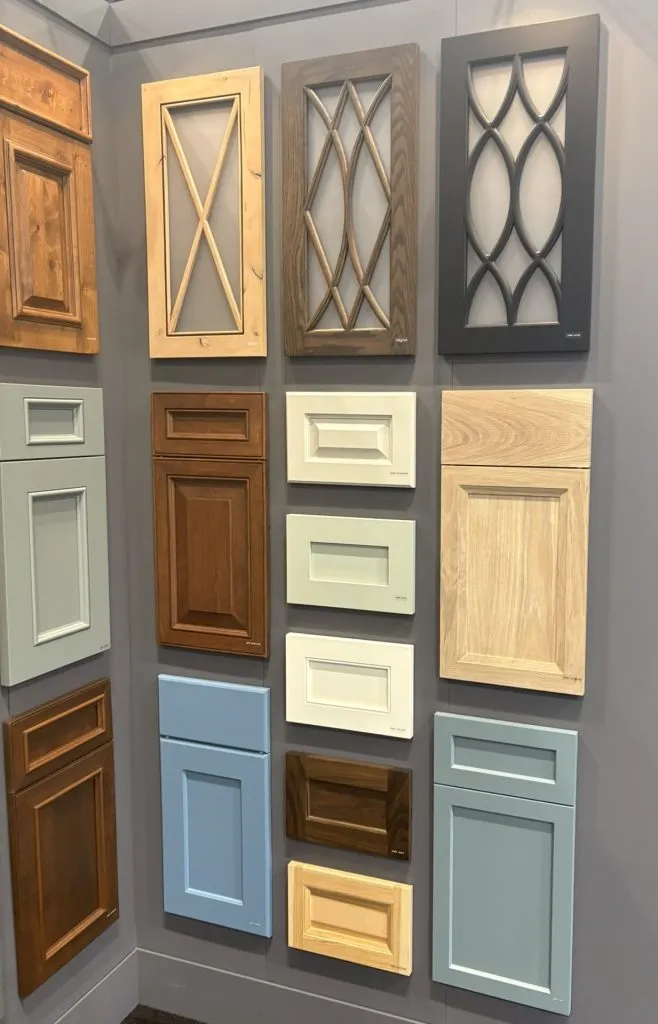
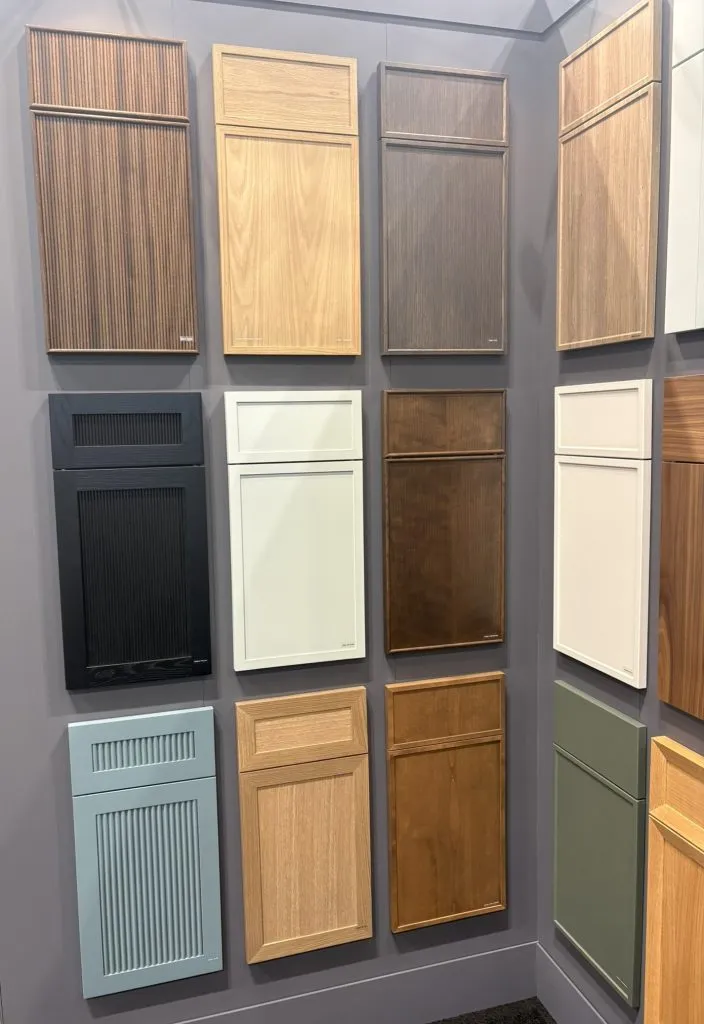
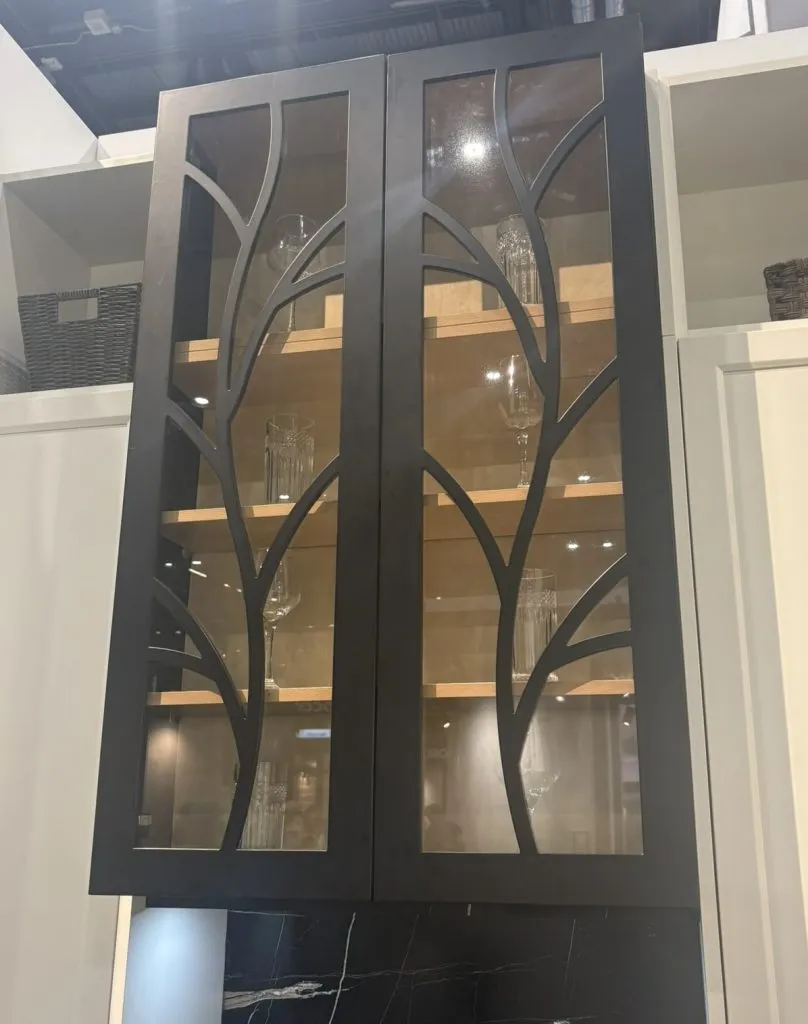
For the past decade, the industry has been dominated by one style: the simple white shaker door. But at KBIS this year, I noticed a shift away from that minimalism.
Cabinet doors are becoming more detailed again.
Designers and manufacturers are exploring variations such as:
- Beaded recessed panels
- Chamfered interior profiles
- Decorative panel inserts
- Metal mesh cabinet fronts
- Mullioned glass doors
- Raised panel and mitered doors
These details were everywhere on the show floor. It’s a sign that both designers and consumers are starting to look for something more distinctive than the uniform shaker look.
One of the most surprising things I saw was a cabinet door design almost identical to one I created for a designer show home in 1999. Seeing that concept return after 25 years perfectly captured the spirit of this year’s show.
2. Natural Wood Is Making a Strong Comeback
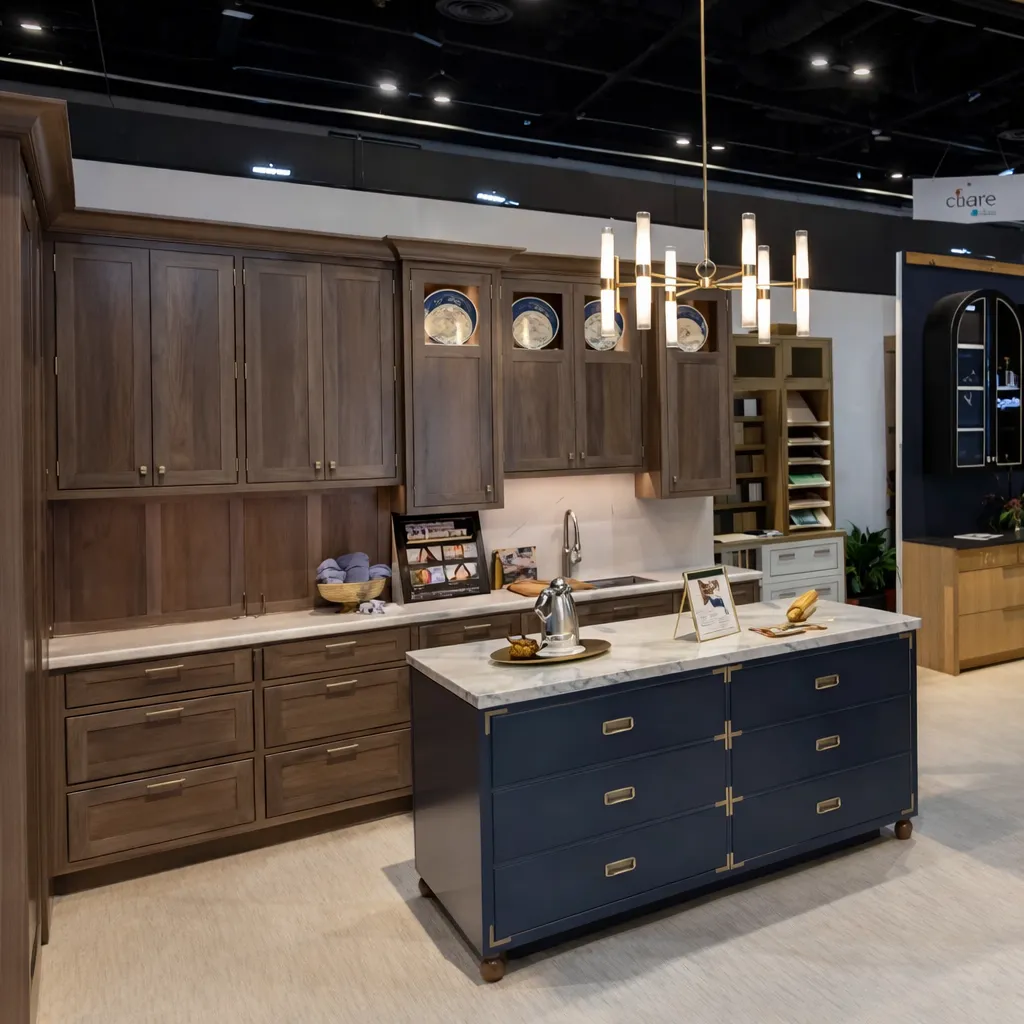
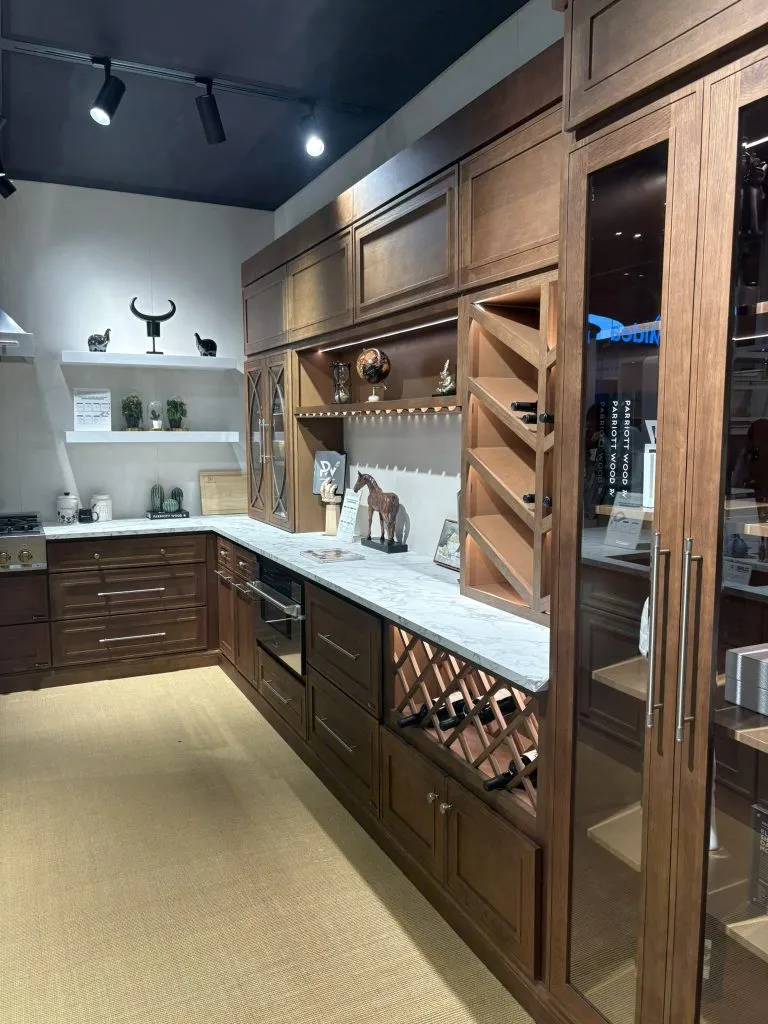
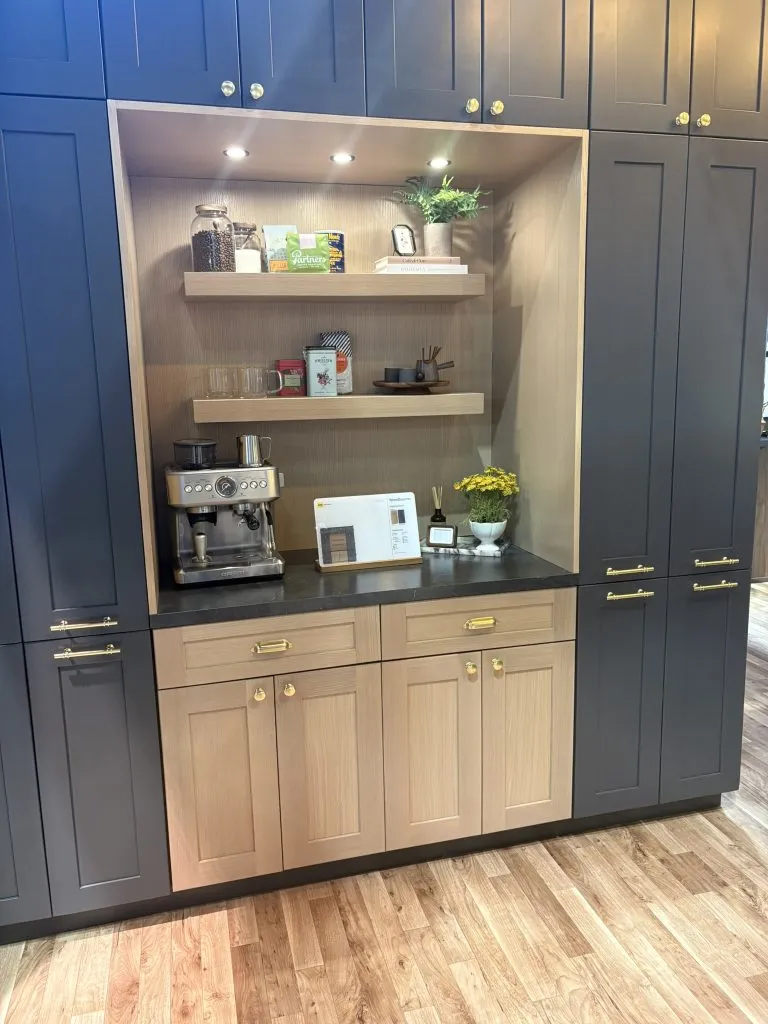
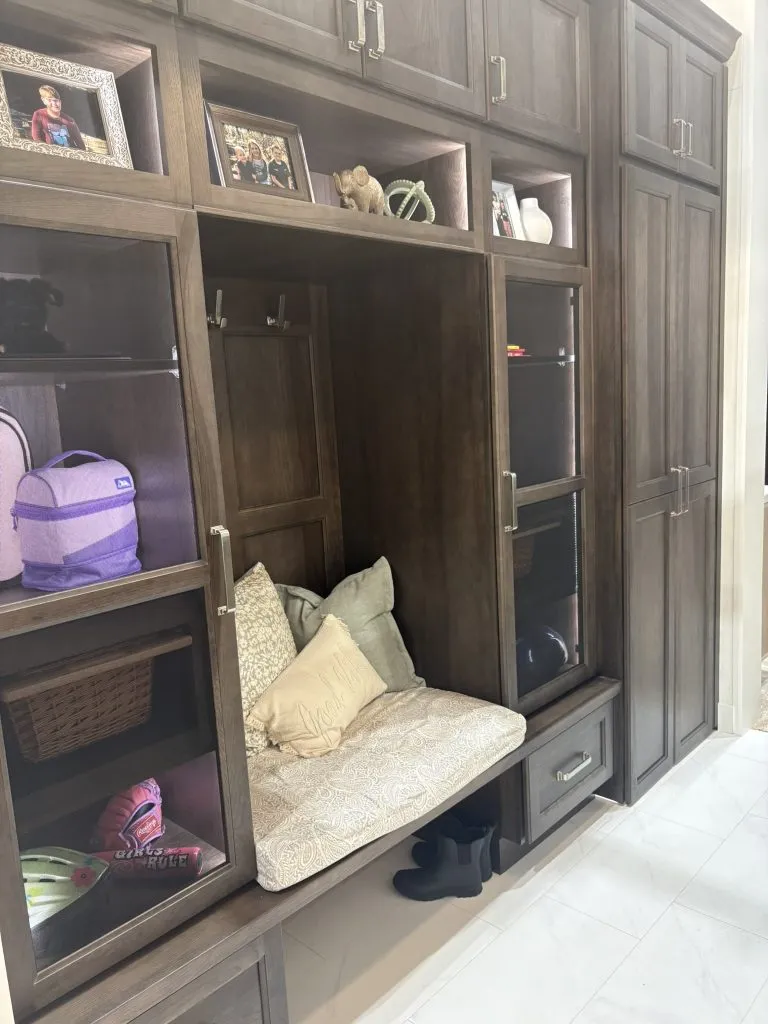
Another major shift was the return of stained wood cabinetry.
For years, painted finishes dominated kitchen design. But at KBIS 2026, almost every manufacturer displayed kitchens featuring natural wood tones.
Some of the most common materials included:
- Rift-cut white oak
- Walnut
- Light-stained woods
- Even cherry in some displays
These finishes bring warmth and authenticity to kitchens, and they also offer durability that painted cabinetry often lacks.
After years of painted cabinets, designers seem eager to reintroduce the natural beauty of wood.
3. Traditional Details Are Returning to Kitchen Design
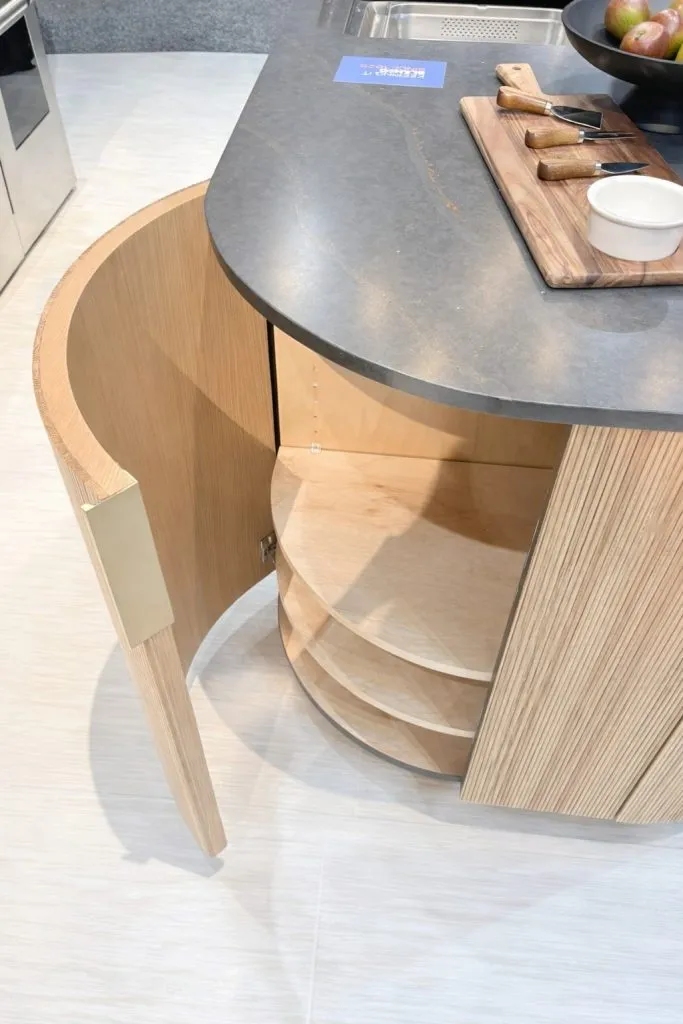
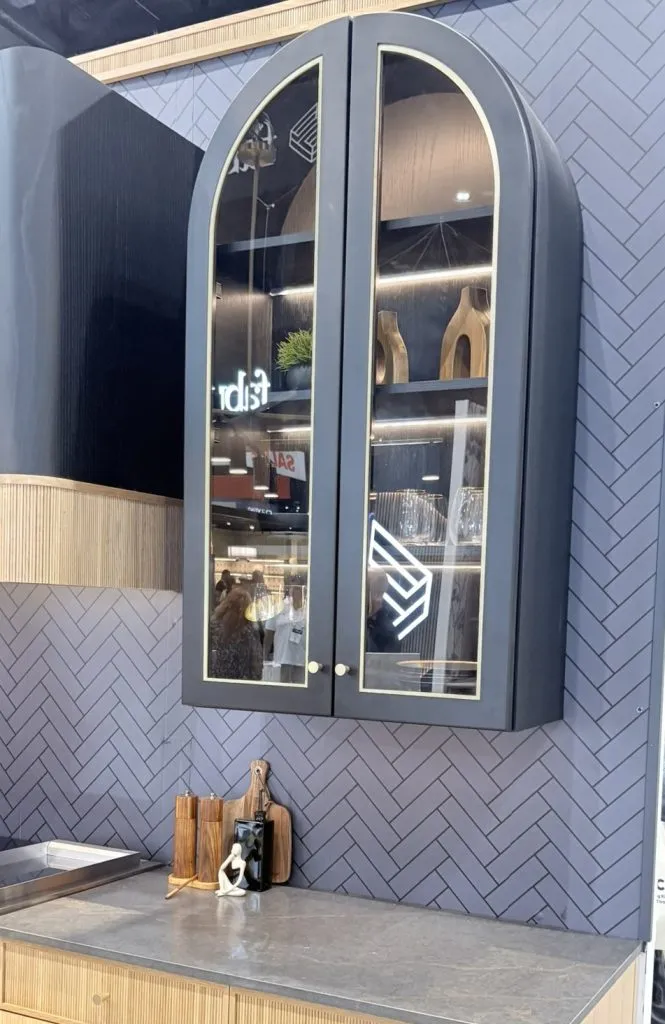
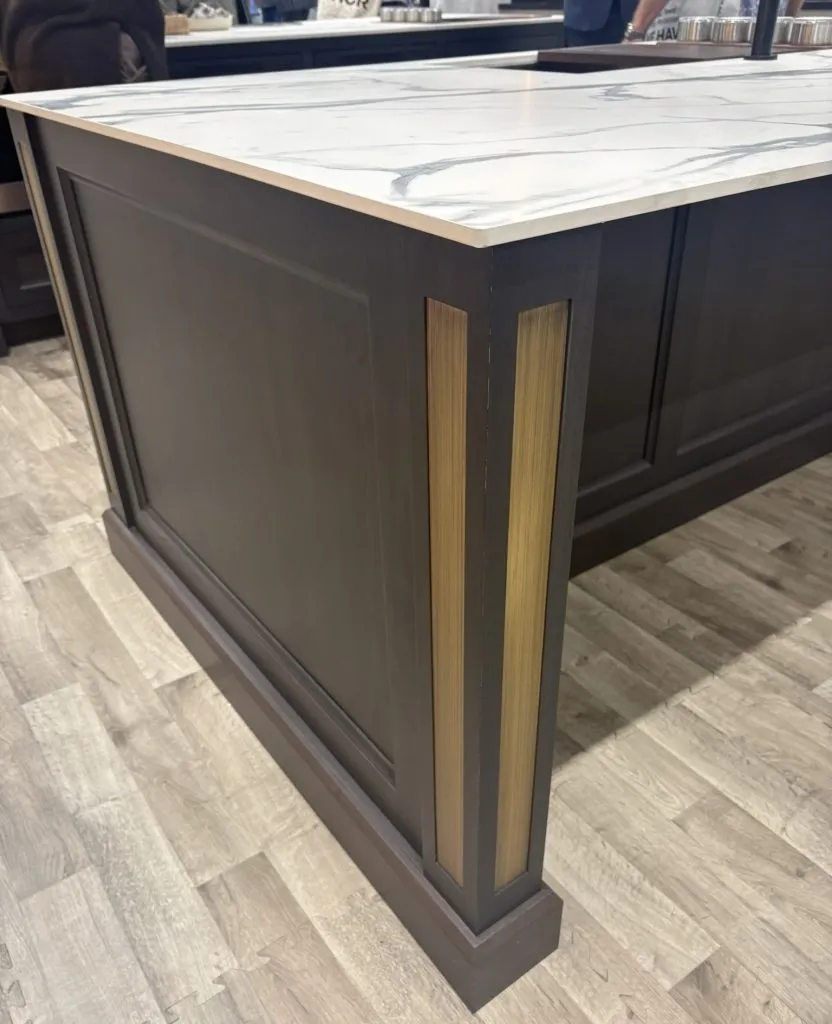
Another thing that stood out across many displays was the return of architectural detailing.
Examples included:
- Radius cabinet doors
- Arched or “eyebrow” cabinets
- Decorative island posts
- Plinth feet at the toe kick
- Beadboard behind open shelving
- Rounded “knick-knack” shelving at cabinet ends
These types of features were extremely common in kitchens of the late 1990s and early 2000s, but they largely disappeared during the minimalist trend of the last decade.
Now they’re reappearing—often reinterpreted in a more contemporary way.
The overall message is clear: kitchens are becoming more layered and expressive again.
4. Countertops Are Becoming More Decorative
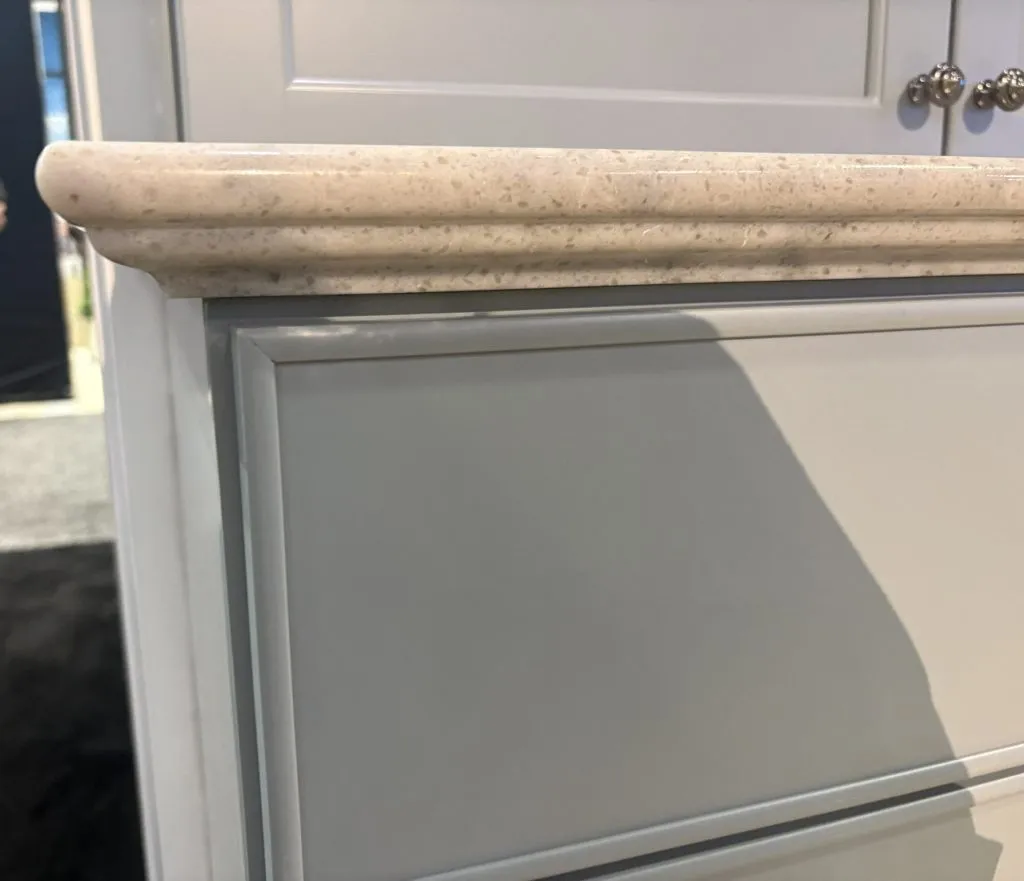
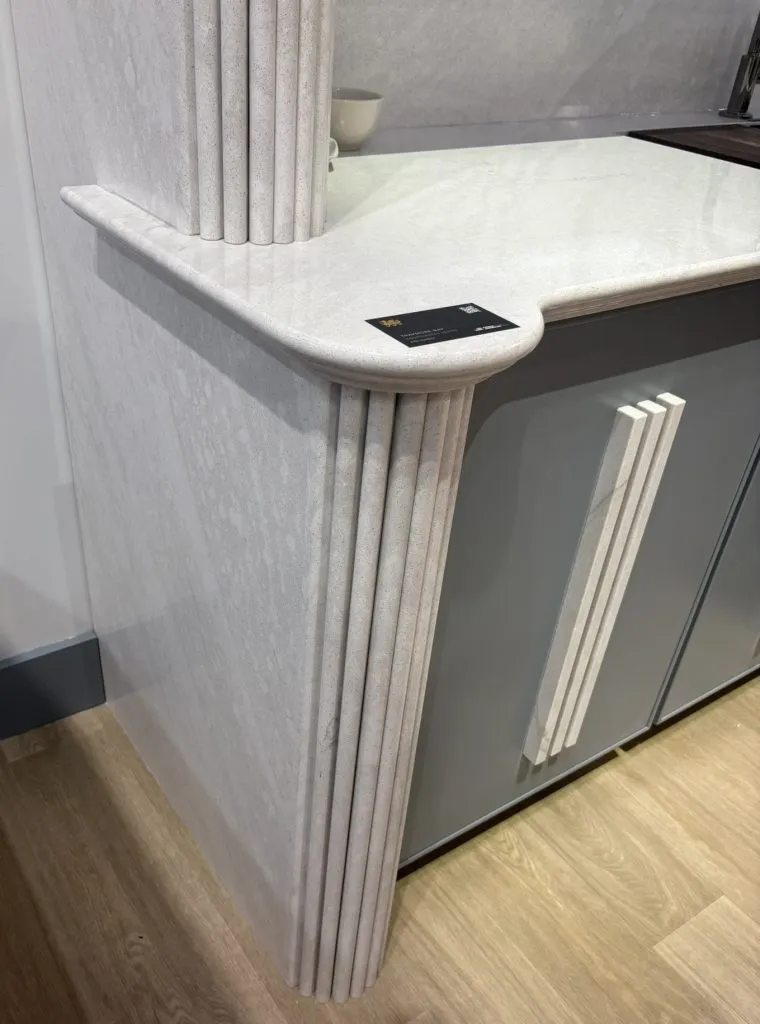
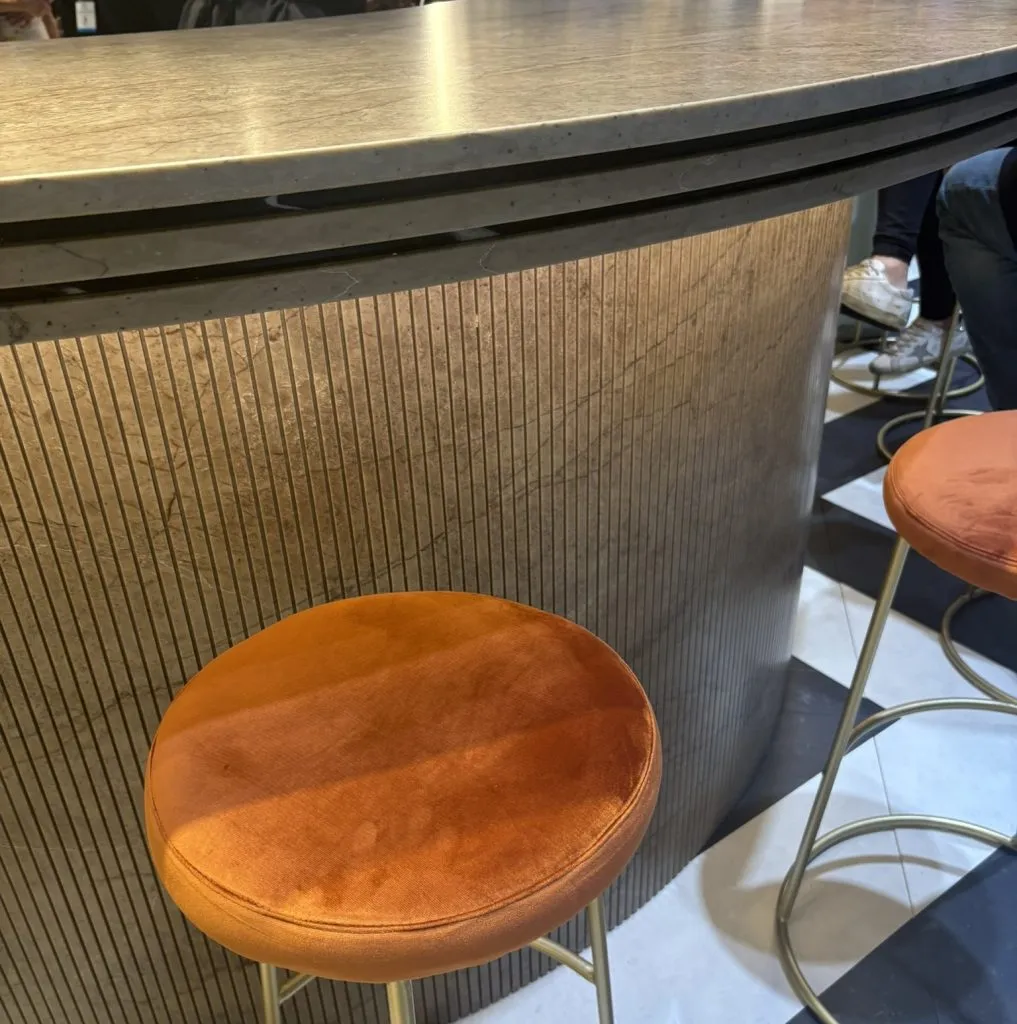
For years, countertop design has leaned toward extremely simple edges and uniform materials.
That’s changing.
At KBIS this year I saw:
- Ogee and double-ogee edges
- Bullnose profiles
- Decorative edge treatments
- Textured surfaces
For the last decade, most countertops used a simple square edge. Now manufacturers are experimenting again with profile details that add visual depth. Another interesting development was thermal-formed countertops, particularly with thin porcelain slabs. These techniques allow designers to create more organic shapes and softer forms.
5. Natural Stone Is Back in the Spotlight
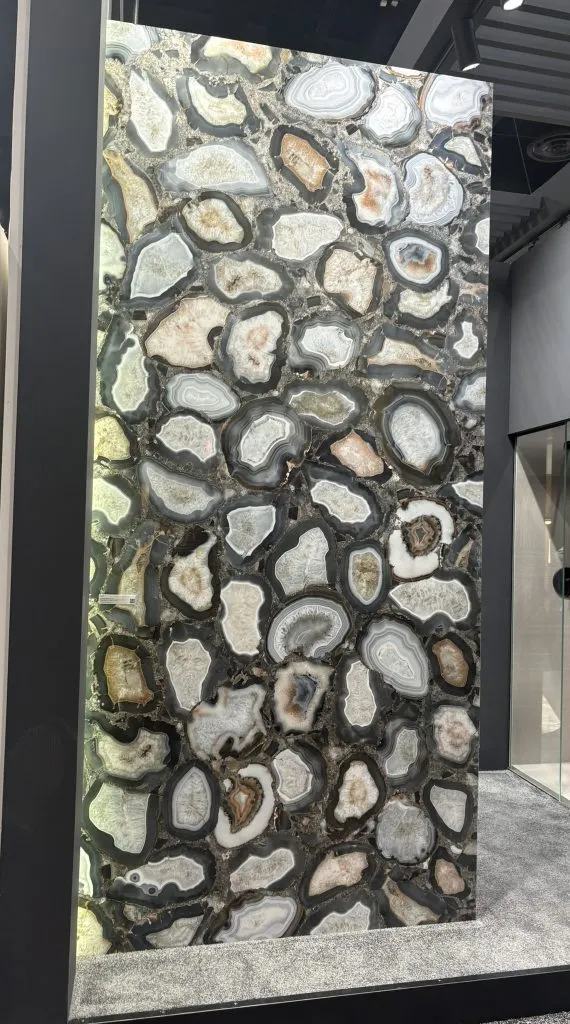
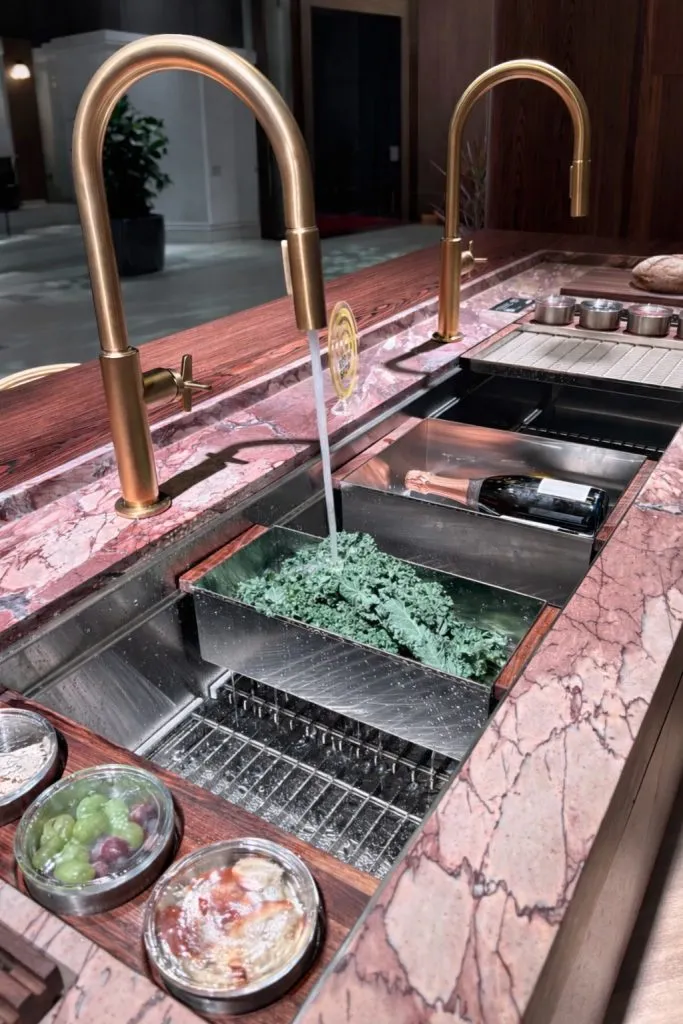
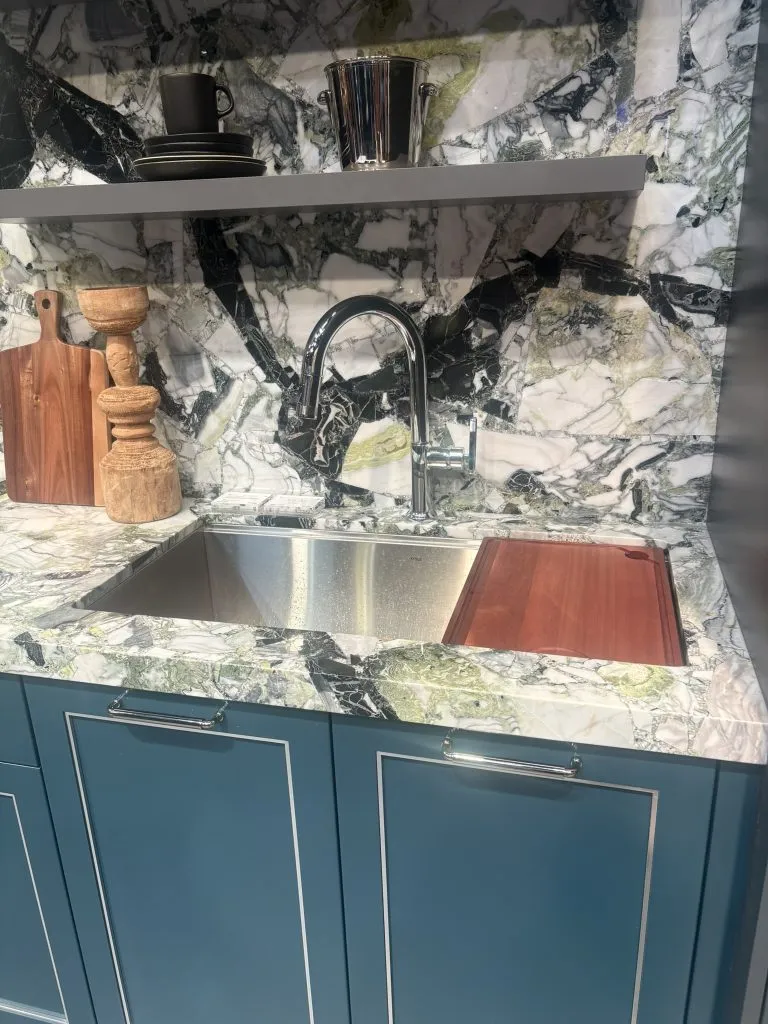
While quartz still dominates the market, natural stone is gaining attention again.
Many appliance and plumbing displays used:
- Marble
- Granite
- Other natural stones
The appeal is obvious—natural materials offer variation, movement, and authenticity that engineered materials sometimes lack.
After years of uniform surfaces, designers are rediscovering the beauty of natural variation.
6. Matte Colored Appliances
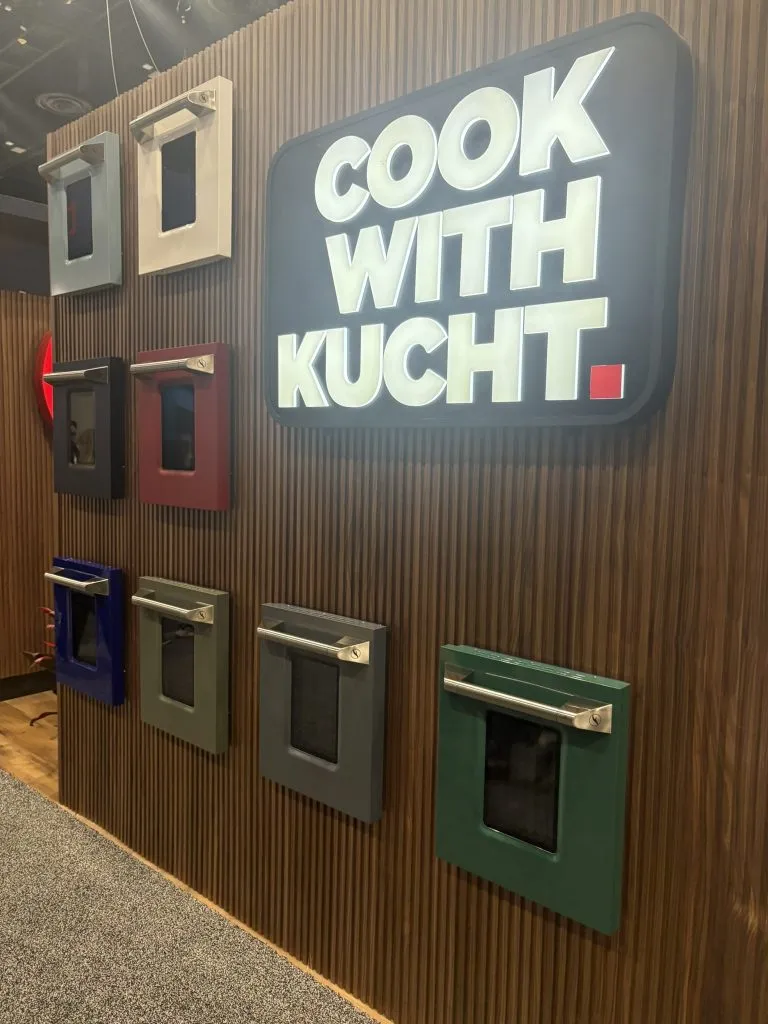
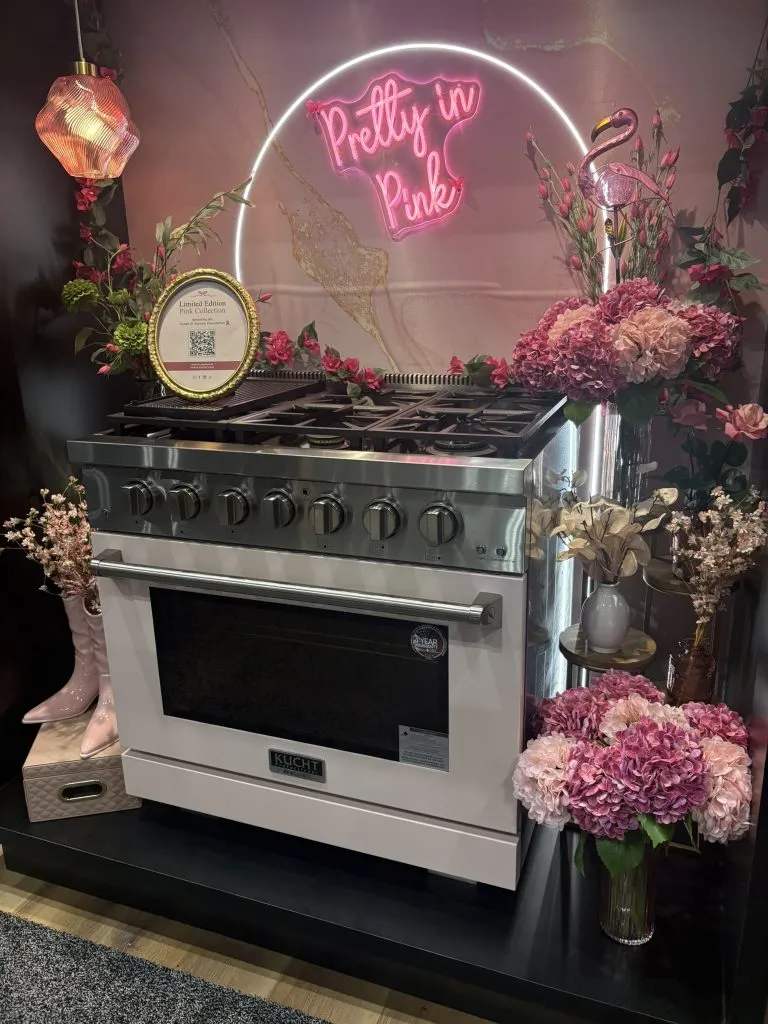
Color has been entering the appliance world for several years, but this year a new twist appeared:
Matte finishes.
Instead of glossy painted appliances, many manufacturers displayed rich colors with a soft matte surface.
It’s a subtle change, but one that could have a big impact on kitchen aesthetics.
7. Color Is Moving Into Cabinetry
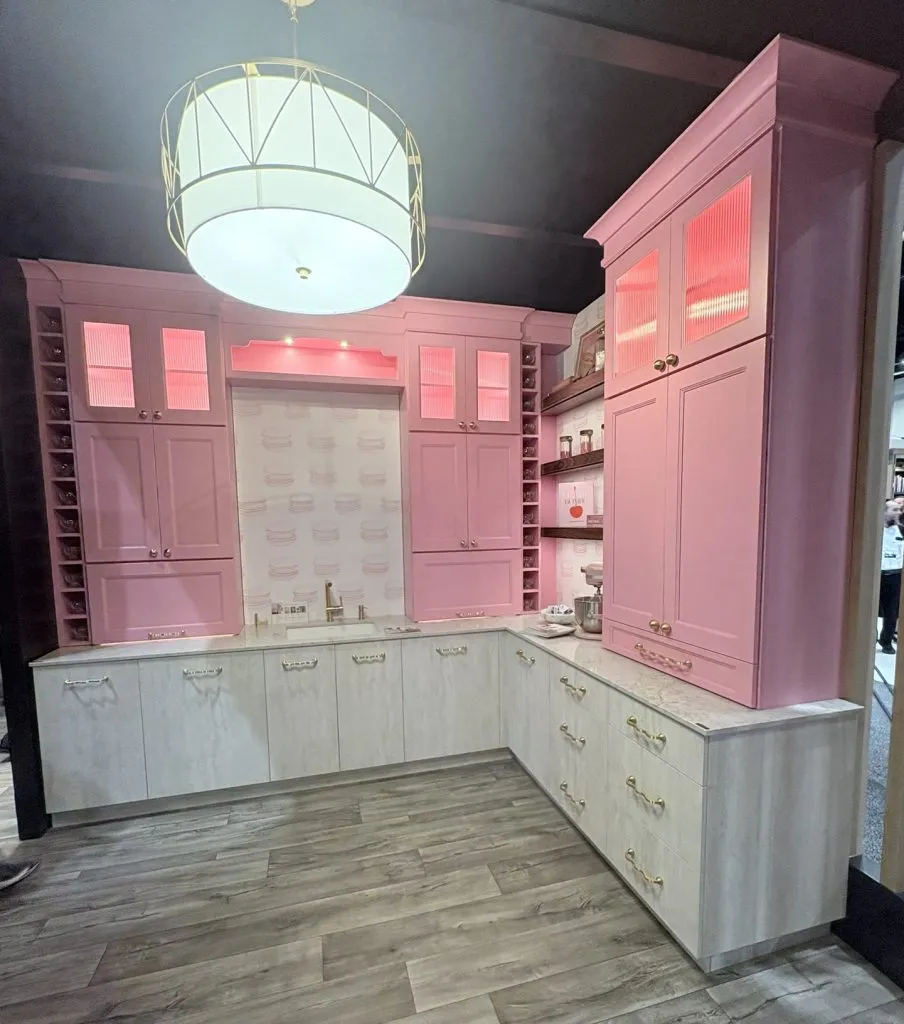
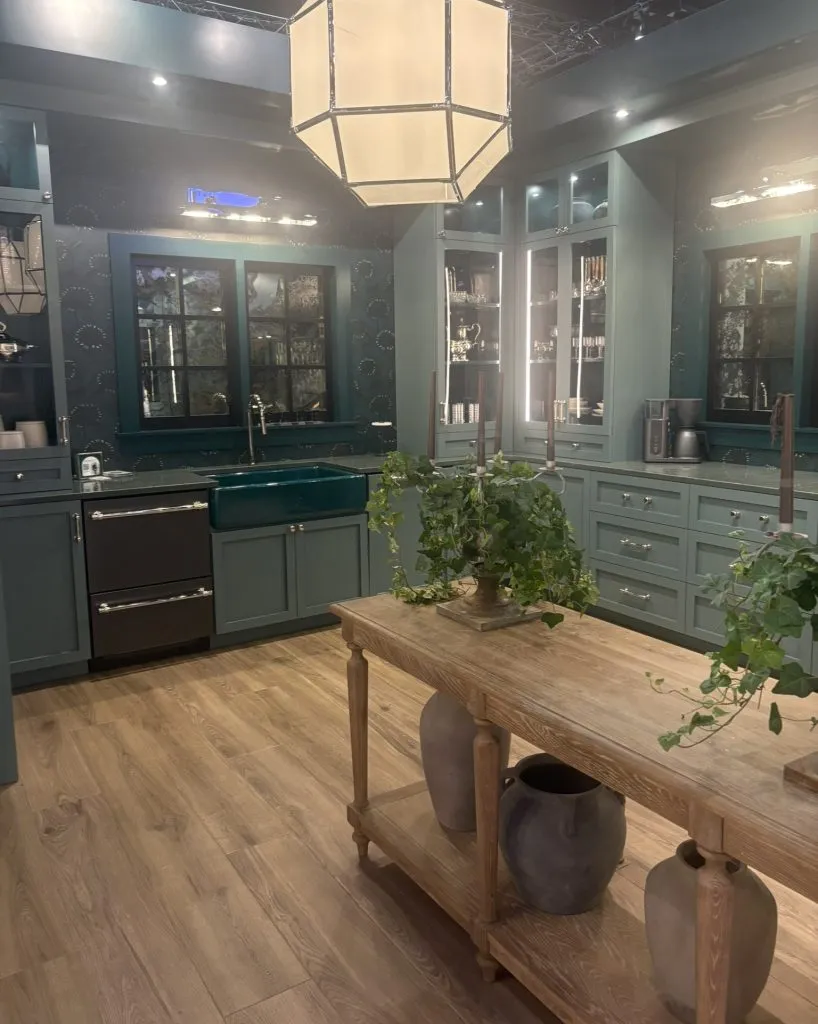
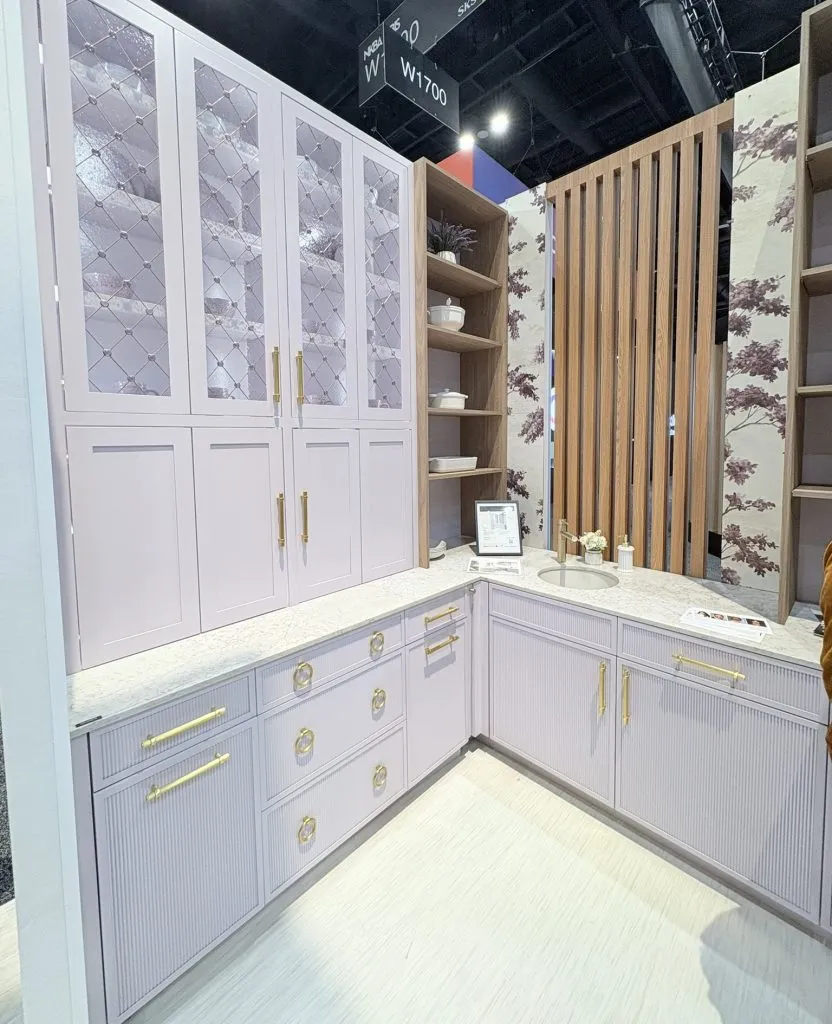
Another shift I noticed was where color is appearing.
Previously, bold color was mostly introduced through:
- Appliances
- Plumbing fixtures
- Decorative displays
This year, cabinet manufacturers themselves were embracing color, including bold options like pinks, greens, and navy tones.
That’s a significant change from the traditionally conservative approach many cabinet companies have taken in the past.
8. The Next Big Room: Closets
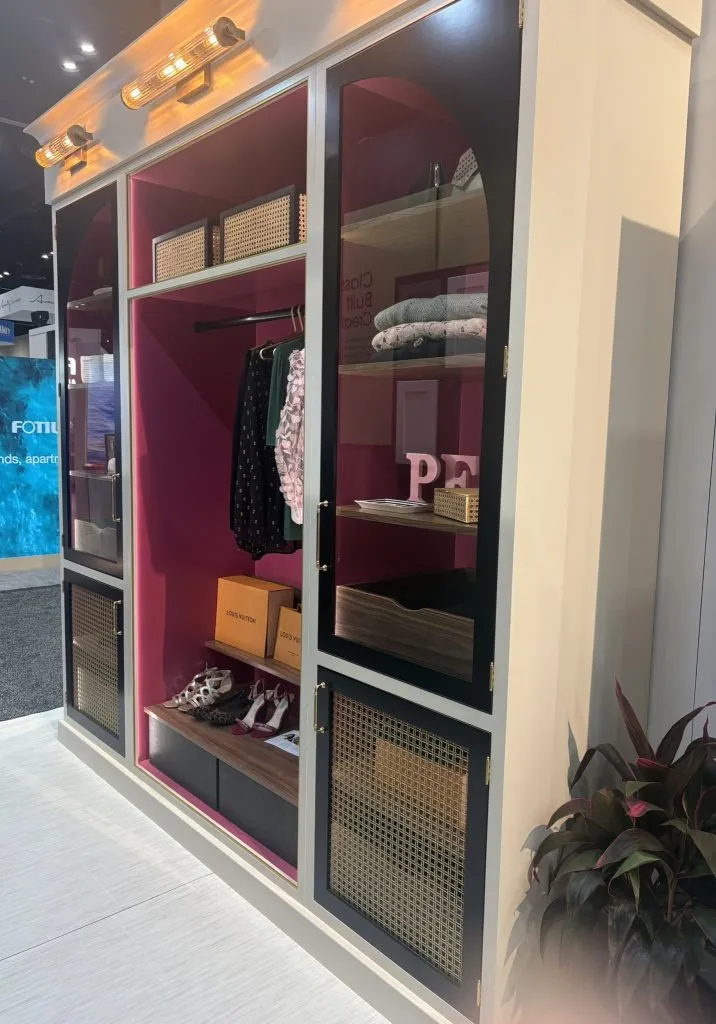
One unexpected observation was the number of high-end closet systems displayed throughout the show.
These weren’t simple storage systems—they were luxury environments, designed with the same level of detail as high-end kitchens.
For designers and cabinetry professionals, this suggests something important:Closets may become the next major design category after kitchens, pantries, and laundry rooms.
9. The Kitchen Is Expanding Beyond the Cabinets
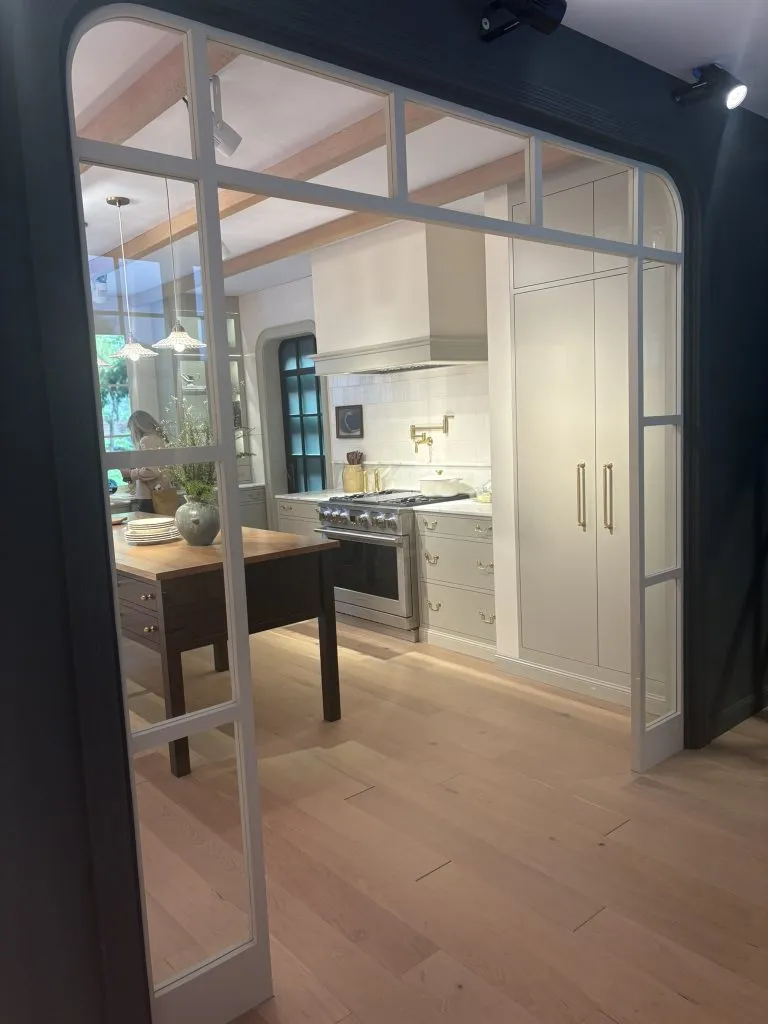
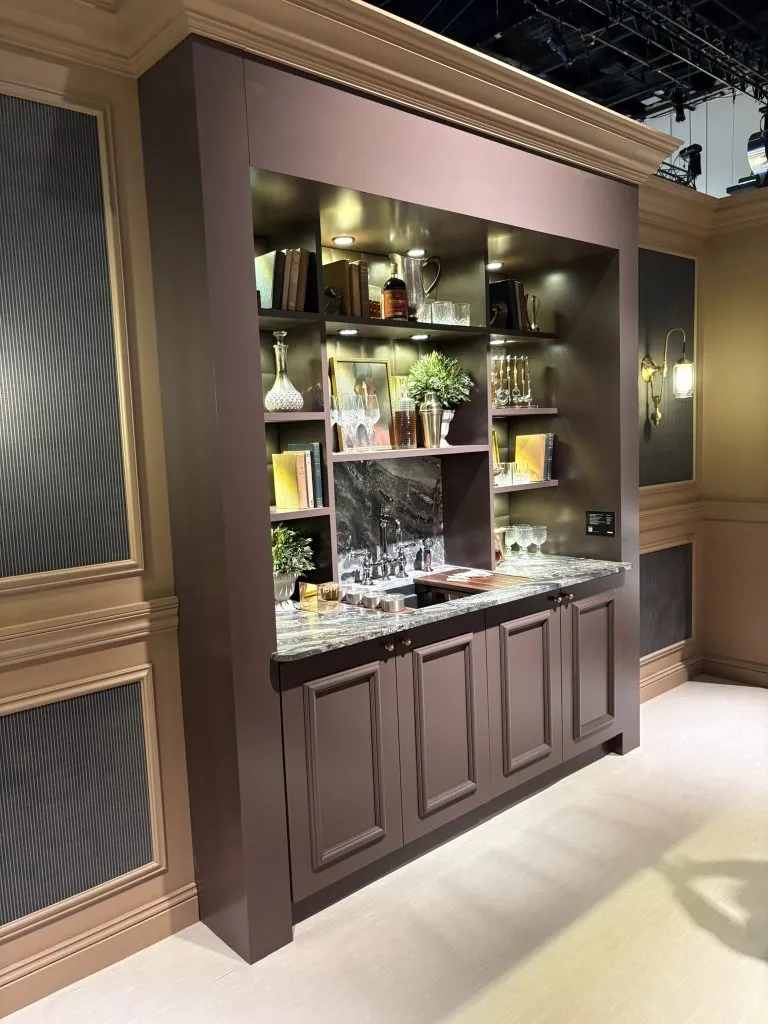
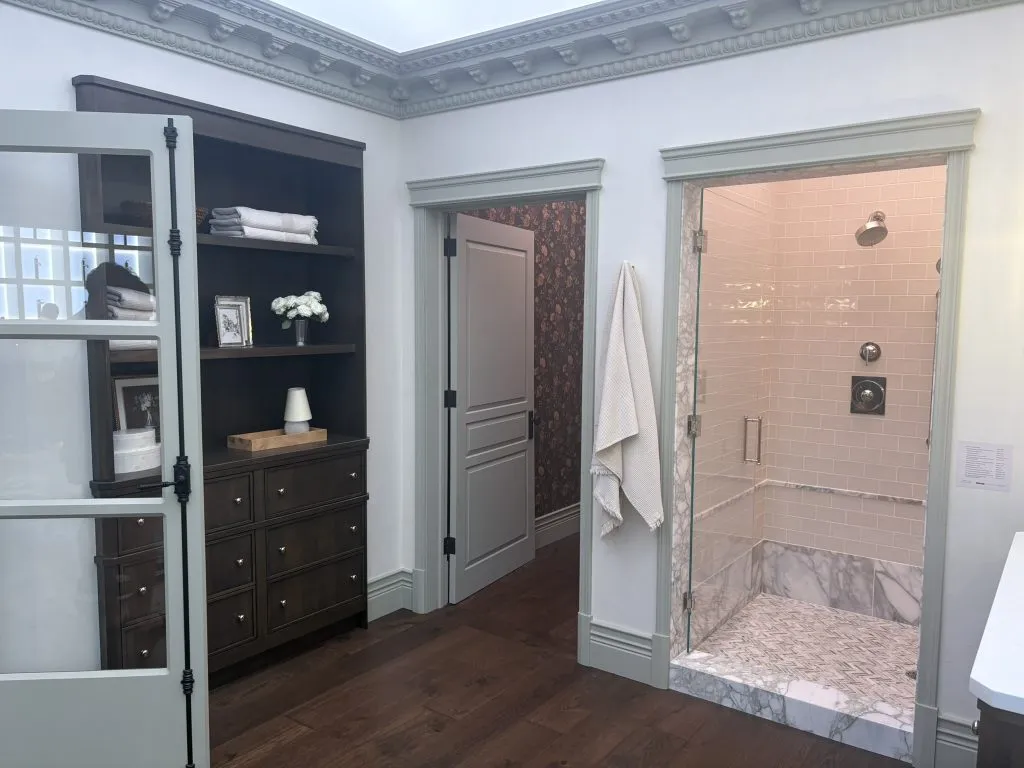
Another emerging design philosophy I saw repeatedly was that the kitchen isn’t just cabinetry anymore.
Designers are paying more attention to:
- Wall paneling
- Architectural moldings
- Ceilings
- Room trim details
These architectural layers help the kitchen feel more integrated with the rest of the home.
Final Takeaway: The Return of Detail
If I had to summarize KBIS 2026 in one word, it would be:
Detail.
After years of minimalism, the industry is rediscovering the power of texture, craftsmanship, and layered design.
What makes this moment particularly interesting is that many of these ideas aren’t entirely new—they’re being rediscovered and reinterpreted by a new generation of designers.
And that’s often how design evolves.
The past inspires the future.