Timeless Kitchen Design: Timeless Kitchen Design: How to Avoid Trends That Age Fast
So many “new” kitchens start to feel dated within just a few years because the permanent pieces were chosen to chase a look and not to support a layout and a calm, long‑term backdrop. When cabinets, countertops, and tile are all very specific to this year’s trend, the whole room quietly advertises its remodel date […]
By Jan Rutgers
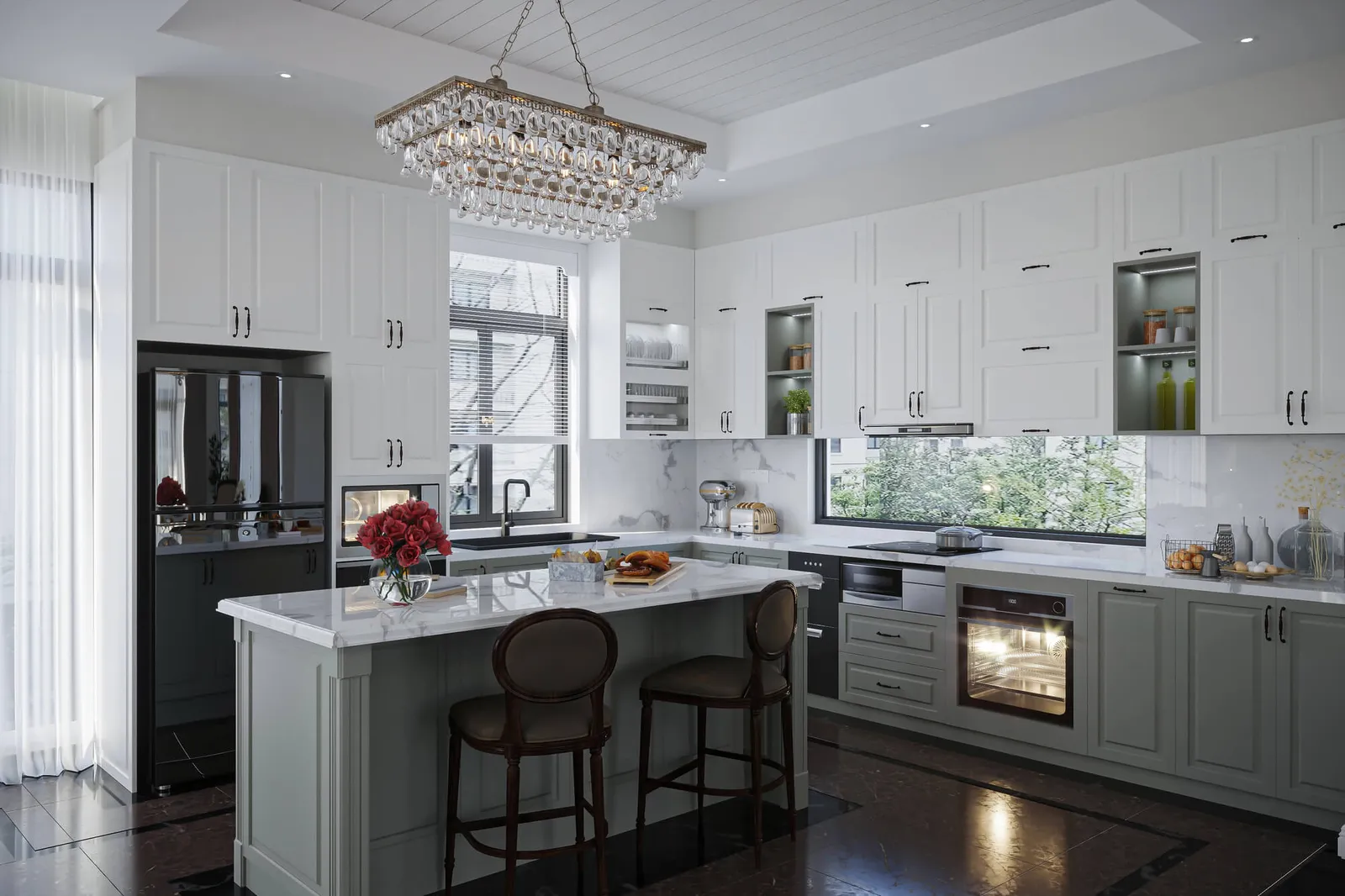
So many “new” kitchens start to feel dated within just a few years because the permanent pieces were chosen to chase a look and not to support a layout and a calm, long‑term backdrop. When cabinets, countertops, and tile are all very specific to this year’s trend, the whole room quietly advertises its remodel date as soon as fashions shift.
Timeless design flips that order. The plan, proportions, and “bones” come first; color and style live in easier‑to‑change layers. After seeing hundreds of real kitchens age, designers and installers see the same pattern: rooms built around how you live and move still feel right ten or fifteen years on, even as tastes move around them.
In real kitchen remodeling projects, you hear the same regret more than once: “We loved it at first, but now the color scheme and details just feel loud and tiring.” Those rooms were built around the look of the year, not around how the space should feel a decade from now. By contrast, kitchen layouts with good circulation, respect for the work triangle, well‑proportioned cabinets, and understated main surfaces keep earning their keep.
This article gives you a clear way to think about trends, layout, materials, and resale so your next kitchen still feels like a good decision well into the future. It’s practical design guidance, not financial advice, but it will help you ask stronger questions and spot higher‑risk choices before you commit.
What Does A Truly Timeless Kitchen Look Like Compared With A Trendy One?
A timeless kitchen still feels comfortable and “right” long after its installation date because its core design choices, layout, cabinet forms, and main surfaces suit everyday life rather than a passing style.
A trend‑heavy kitchen often looks fantastic in photos early on, but relies so heavily on this year’s colors, tiles, or themes that it starts to announce its age as tastes move on.
When you compare finished kitchens over many years, the same truth keeps showing up: rooms built on a clear layout, simple kitchen cabinet forms, and calm major surfaces sit quietly in the background; rooms built to chase a very specific look gradually start to “shout” the year they were done.
The Backbone of a Timeless Kitchen
Kitchens that age well tend to share three traits:
- A kitchen layout that supports the way people actually cook, move, and gather
- Cabinet forms that are simple and well-proportioned
- Major surfaces are adaptable, low‑contrast colors and materials
You’ll often see Shaker cabinet doors or simple slabs, paints from a neutral color palette, and natural materials like wood, natural stone, or stone-look countertops.
None of these shouts a particular year. They give you a stable backdrop for lighting, décor, and small style shifts over time, which is exactly how a structured learn–design–install process keeps projects feeling fresh without constant remodeling.
What Makes A Kitchen Feel “Trendy”
Trend‑driven kitchens lean on strong, specific moves:
- Very saturated or unusual cabinet colors
- Heavily themed looks (for example, ultra‑farmhouse or hard industrial)
- Statement tile backsplashes or on countertops, or stone that dominates the whole room
- Large areas of open shelving styled like a shop display
- Integrated appliances that quickly became obsolete, either in design or function
These choices can be beautiful and extremely photogenic. The risk, which professionals see play out every few years, is that they are very easy to tie to a particular period.
When tastes shift, they quietly signal “we remodeled back when that was everywhere,” whether the room still functions well or not.
A Quick Comparison At A Glance
Before a good design team finalizes a plan, they will often walk you through a simple comparison like this:
| Element | Timeless‑first choice | Trend‑heavy choice |
| Layout | Clear zones, generous walkways | Squeezed aisles to “fit in” an island |
| Cabinets | Simple doors in neutral paint or wood | Strong theme, unusual profiles, or all‑over color |
| Countertops | Soft, low‑contrast stone like granite or quartz countertops | Very bold veining or fashion colors |
| Backsplash | Classic formats, quiet patterns | All‑over feature tile as the main focal point |
| Styling | Closed storage with a few display moments | Long runs of open shelves that must stay styled |
You can probably picture a calm Shaker-style cabinetry you’ve seen, then contrast it with a high‑contrast, themed space that felt very “of the moment.” The table simply names what your eye already notices.
Function: The Style‑Proof Test
The most timeless element of any kitchen is how it works:
- Clear circulation
- Obvious prep and cooking zones
- Enough landing space for appliances
- Storage that fits everyday life
All these factors make the final result of a kitchen renovation or remodel feel “right” no matter how styles change.
Installers hear far more complaints about cramped aisles and nowhere to put groceries than about whether a door profile was fashionable enough.
If a kitchen is awkward to use, has tight walkways, constant collisions, and no clear prep space, the frustration quickly outweighs whatever trend it followed.
That is why long‑lasting kitchen design always puts function ahead of finishes, and why many homeowners who have remodeled more than once now start every new project by looking at the floor plan first.
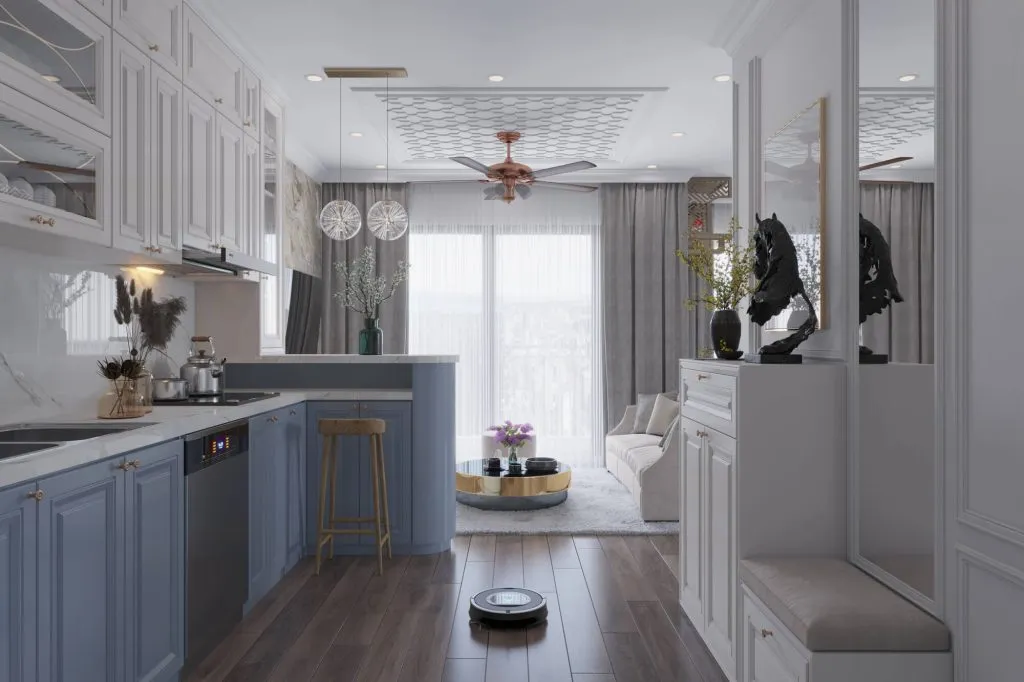
The Colors And Materials That Make a Real Kitchen Feel Timeless
Colors and materials feel timeless when they stay calm in the background and work with a wide range of accents, instead of locking you into one very specific look.
In kitchens that still feel current a decade later, the main surfaces are almost always quiet and flexible, with contrast used carefully rather than as a headline.
A “timeless” palette is not code for “all white.” It simply means the dominant surfaces play well with different metals, fabrics, and decor, so the room can evolve without ripping out cabinets and countertops every time your taste shifts.
Building A Long‑lasting Color Palette
A good long‑term palette usually has:
- Light or mid‑tone cabinets in white, cream, greige, or natural wood
- Countertops in soft, low‑contrast stone or similar, such as granite or quartz countertops
- Walls that support rather than compete with cabinets and counters
Instead of trend‑led extremes (“all grey everything,” “all black everything”), you get a gentle range of tones. That makes the room easier to live with day to day and easier to refresh with smaller changes like paint, hardware, light fixtures, or textiles.
Cabinet Colors That Age Well
- White and off‑white kitchen cabinets have been used for decades because they feel clean and suit many house styles.
- Medium wood tones also age gracefully: they hide wear, add warmth, and rarely scream a particular year in estate photos.
Very dark or very cool grays, by contrast, have moved in and out of fashion in a short time.
- If you love a deeper color, it is usually safer to use it on a kitchen island, lighting fixtures, hardware, or in a smaller zone rather than on every cabinet in the room, so you can adjust the balance later without replacing everything.
Many designers treat islands as the “trial zone” for bolder moves for exactly this reason.
Simple, Well‑balanced Details
Door style and trim shape determine how the kitchen reads more than most people expect. Kitchens that still feel right years later tend to favor:
- Shaker cabinets or other simple framed doors
- Flat slabs with crisp edges in more modern spaces
- Minimal, consistent trim and panel details
Ornate crown molding, heavy distressing, or unusual profiles are more likely to date quickly.
Clean lines leave space for hardware, lighting, and decor to carry character instead, which is how remodel specialists build in flexibility for the future.
Light: The Silent Design Partner
Light can make or break a “timeless” palette because it changes how every color reads throughout the day.
Why? Because:
- Paint and material samples look different under showroom lights than in your home.
- A color that feels fresh in cool daylight can turn muddy under warm bulbs
- A stone that seems subtle on a small chip may look very busy over several meters.
Before you commit, tape samples on walls and lay them flat on countertops, then check them at different times of day.
A genuinely long‑lasting scheme feels comfortable in all those conditions, not just under one flattering lighting scheme. If you are unsure whether the palette you love on screen will still feel calm in your own space, a short session with an experienced kitchen designer can give you clear feedback before you sign off on an order.
How To Enjoy Trends Without Locking Them Into Your Kitchen
You enjoy trends safely by keeping them in changeable pieces, paint, hardware, lighting, and decor, while keeping cabinets, counters, and layout simple.
Teams who look after projects over many years know that the happiest clients are not the ones who avoid trends altogether, but the ones who put trends in the right places.
Timeless design does not forbid what is popular; it asks you to be deliberate about where those ideas live so they are easy to change later. The goal is simple: make sure the high‑cost, high‑disruption elements stay calm and adaptable, and let personality shine in pieces you can update without rebuilding the room.
Separating “Bones” From “Layers”
Start by writing two lists:
- Bones: layout, cabinets, major countertops, main floor, built‑in lighting, and use of natural light. These are costly to change.
- Layers: wall paint, hardware, plumbing fixtures, pendants, stools, kitchen decor, small appliances, textiles. Layers are quick and relatively inexpensive to update.
Trends belong in the second list. That way, when tastes shift, you are swapping paint, handles, and shades of fabric, not ripping out tile backsplashes and cabinetry.
Safe Places To Be Bold
If you love color or pattern, good places to use it include:
- An island or a smaller run of cabinetry
- Wall color above splash zones
- A modest feature section of tile, not the entire wall
- Bar stools, rugs, and window treatments
These are all changeable. You can refresh the mood of the kitchen in a weekend without touching the core structure, which is exactly how experienced remodelers build room for personality into a long‑lasting plan.
Trends To Think Twice About Embedding
Some ideas are difficult or expensive to undo:
- Replacing most wall cabinets with open shelves
- Using very strong colors on every cabinet
- Choosing a countertop or backsplash that dominates every view
If you feel strongly drawn to one of these, consider scaling it down rather than building the whole room around it. Many clients later say they are glad they kept the boldest ideas to one feature area when they see how quickly certain looks cycle on and off social media.
Setting A “Trend Budget”
One useful tactic is to set a specific portion of your budget for trend‑driven elements. Decide up front how much you are comfortable spending on things you are likely to change within a decade. That creates healthy boundaries and makes it easier to say no when something beautiful but risky appears in your feed.
If you are unsure which of your ideas belong in the “bones” column and which are better as “layers,” a focused design consultation with a team like Cabinet IQ that works in clear learn–design–install phases can help sort them in a way that honors your taste without putting everyday comfort at risk.
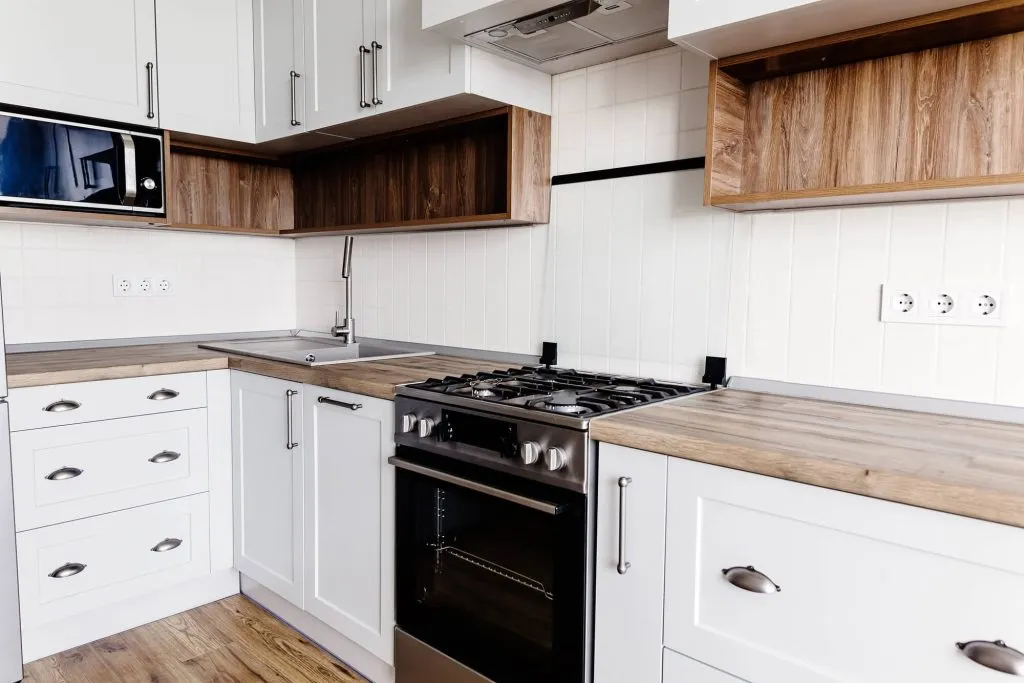
How A Timeless Kitchen Protects Your Resale Value And Budget
A timeless kitchen quietly protects both your resale prospects and your budget by reducing obvious objections and delaying the need for a second remodel. It will not guarantee a particular sale price, but it does make it easier for more buyers to imagine themselves living in the space, and harder for them to mentally subtract the cost of ripping everything out.
Think of timeless choices as risk management for both your everyday life and your eventual exit. You enjoy a kitchen that works now, and you reduce the chances that a future buyer walks in and immediately starts planning a replacement.
What Buyers Really React To
Most buyers are looking for:
- A kitchen that feels clean, functional, and ready to use
- Enough storage and countertop space for everyday cooking
- Balance between warm ambient lighting and functional task lighting
- High-quality materials that they can see and feel in cabinets, countertops, and appliances
Very specific stylistic moves can be love‑it‑or‑hate‑it in viewings. Neutral, well‑planned kitchens give more people room to imagine their own life in the space, which is exactly what agents look for when they walk buyers through a home.
Return On Investment And Risk
Generally speaking, mid‑range, broadly appealing kitchens tend to recoup more of their cost than highly customized, niche projects. The more unusual the design, the narrower the pool of people who will pay a premium for it, which is why experienced investors usually favor calm, flexible specifications over statement looks.
If you are an investor or landlord, a repeatable, timeless cabinet and countertop specification also reduces surprises. Many portfolio owners settle on one simple, neutral shaker cabinet line paired with a light quartz, granite, or quartzite countertop and use it across properties.
Over time, they learn exactly how it wears, how tenants respond, and how it photographs for listings, far less guesswork than chasing a different look on every project.
Simple Decision Filters That Reduce Regret
Two simple filters help a lot:
- The 15‑year test: if it would be expensive or messy to undo, ask whether you and a typical buyer would still be comfortable with it in 15 years.
- The “would I repaint this?” test: if the only way you can imagine changing the feel of the room is by replacing fixed elements, the design is probably too rigid.
Using these checks before you sign a contract is much cheaper than fixing a decision you regret.
Many homeowners say that simply pausing to run through questions like these with a designer gave them confidence to choose a calmer, longer‑lasting scheme that supports both day‑to‑day life and eventual resale.
Thinking In Five‑year Vs Fifteen‑year Horizons
If you expect to sell within five years, leaning toward broadly appealing colors, simple door styles, and durable, mid‑range countertops usually makes sense.
You still get a pleasant kitchen to live with, but you also avoid scaring off future buyers. If you expect to stay put for fifteen years or more, you have more room for personal touches, but it is still wise to keep the hardest‑to‑change elements relatively restrained so you can update the feel of the room with smaller moves rather than a second full remodel.
Cabinet IQ Can Help You Turn Timeless Design Ideas Into A Real Kitchen
The ideas behind a timeless kitchen are straightforward; applying them to your specific space, budget, and taste is where things get complex.
A structured design and installation process turns general principles into a plan you trust, with clear drawings, specifications, and timelines instead of guesswork and second‑guessing. For many homeowners, that single step is what turns a folder of inspiration images into a layout, palette, and product list that feels right for the long term.
A timeless kitchen is not about playing it safe; it is about being deliberate where it counts so you are not paying twice for the same room.
When you are ready to turn these ideas into a real plan, scheduling a design consultation or showroom visit with Cabinet IQ is often the most efficient way to move from inspiration to a layout, palette, and specification that will still feel like a smart decision many years from now.
That single step can save you from costly rework later and give you a kitchen that feels as good to live with as it does to look at.