Why Some Kitchens Feel Better: Functional Kitchen Design Explained
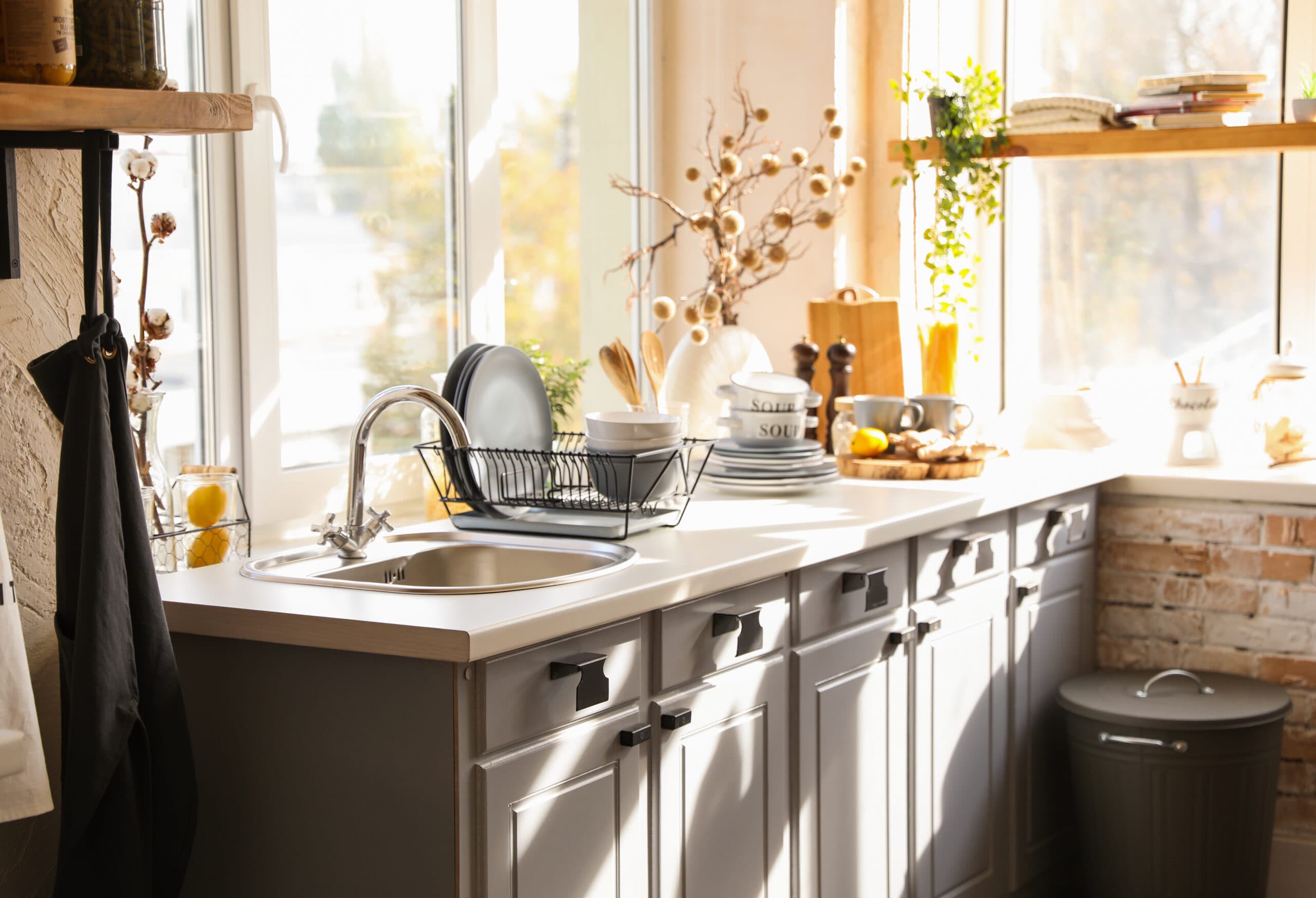
You have walked into a kitchen and thought it felt right. Nothing flashy about it. It simply worked. Then you walk into another kitchen with similar finishes and similar square footage, and something feels off.
Most people assume the difference is money. It usually is not. Functional kitchen design accounts for far more of that gap than the budget does, and it comes down to decisions homeowners often make without realizing they are making them.
What functional kitchen design settles first
The kitchens that feel easy to use are the ones where nothing asks for your attention.
You are not crossing the room for something basic. You are not waiting for someone to move so you can open the dishwasher. That is layout rather than luck, and it is measurable. The National Kitchen and Bath Association publishes planning guidelines recommending a work aisle of at least 42 inches for one cook and 48 inches when two people use the kitchen at once.
Storage follows the same logic. A kitchen with clear counters is not a kitchen with more cabinets. It is a kitchen where every item has an assigned place, decided before anything was ordered. Deep drawers, waste pull-outs, and dividers get specified against what you actually own, which is why cabinet planning should start with an inventory rather than a floor plan.
Lighting is the third thing people underestimate. A single overhead fixture leaves you standing in your own shadow at the counter. Under-cabinet lighting fixes that for less than most homeowners expect, and it changes how the whole room reads after dark.
These are the fundamentals. What follows is where kitchens with identical fundamentals still end up feeling different.
Consistency is what you are actually noticing
This one is subtle and it explains most of the gap.
In kitchens that feel resolved, the finishes relate to each other. Hardware finish carries through. Reveals between doors stay even. Cabinet runs line up with each other rather than stopping at slightly different heights.
None of that means everything matches. A two-tone kitchen can feel completely coherent. What matters is whether the variation was decided or inherited.
Inherited variation is what happens when selections get made at different times by different people. Cabinets from one source, hardware picked later from a different catalog, a countertop edge chosen without reference to the door profile. Each choice is defensible. Together they read as unplanned.
You do not consciously catalog these things when you walk into a room. You register them anyway, and that registration is what people describe as a kitchen feeling calm or feeling busy.
Sightlines matter here too. What you see from the doorway, and what you see from wherever you sit, carries more weight than the details you only notice up close. That is worth deciding deliberately during kitchen design rather than discovering after installation.
A kitchen that fits the house it sits in
The best kitchens feel like they belong to the home rather than having been dropped into it.
Huntsville has a real mix, and each type pulls in a different direction. Builder grade homes from the early 2000s were laid out around assumptions about cooking and storage that have not aged well, so upgrading one usually means reconsidering the plan rather than replacing what is there. Newer construction tends to have workable bones and no character, where the opportunity is in finish and detail rather than layout.
Older homes bring their own constraint. Walls are rarely square, ceiling heights vary, and standard cabinet increments leave gaps that have to be resolved with fillers or with cabinetry built to the actual measurement.
Trend selection interacts with all of this. A finish direction that suits one of those houses can look imported on another, so kitchen design trends are worth reading as options rather than instructions.
A kitchen that fits the people using it
This is the part no template can solve.
Two households with the same floor plan need different kitchens. Someone who cooks from scratch most nights needs prep space next to the range and cold storage within reach of it. Someone who entertains needs circulation that lets people stand in the kitchen without blocking the cook. A family with school-age children needs a landing zone that is not the island.
The question worth answering before layout gets locked is what actually happens in the room on a Tuesday. Not how it will photograph, and not how it will function on Thanksgiving.
This is also where a designer earns their cost, since the useful questions are about routine rather than style. Most of the value in hiring a kitchen designer shows up in that conversation rather than in the drawings.
Functional kitchen design has to survive daily use
A kitchen that feels good on install day and worse in year three was never resolved. It was staged.
Drawers that lose their glide, doors that stop sitting flush, and finish wearing through at the sink all break the consistency that made the room feel calm in the first place. The visual coherence depends on the hardware holding its adjustment.
Construction quality is measurable, which helps. The Kitchen Cabinet Manufacturers Association certifies cabinet lines against a performance standard tested by independent laboratories, covering door operation, structural load, and finish durability. Asking whether a line carries it cuts through most showroom claims.
Hardware is where it shows first. Cabinets that hold their adjustment over a decade use different hinges and glides than cabinets built to a price, and the difference is invisible in a showroom.
The kitchens people are happiest with
A great kitchen is something you experience rather than something you look at. When it is done well, you may not be able to name why it feels right.
You will notice it every day regardless.
If you are starting to think about a new kitchen, the useful first step is a conversation about how you use the room now and what is not working. Book a free consultation with Cabinet IQ of Huntsville. No pressure, no obligation.