Kitchen Remodel Cost Comparison: What You Actually Get for a Budget vs Luxury Kitchen Remodel
Standing in the middle of a dated kitchen, you’re usually torn between two paths for a kitchen renovation: “How little can I spend to make this work?” and “What would it cost to create the kitchen I really want?” You see wildly different numbers online, hear conflicting advice from friends and agents, and wonder whether […]
By Jan Rutgers
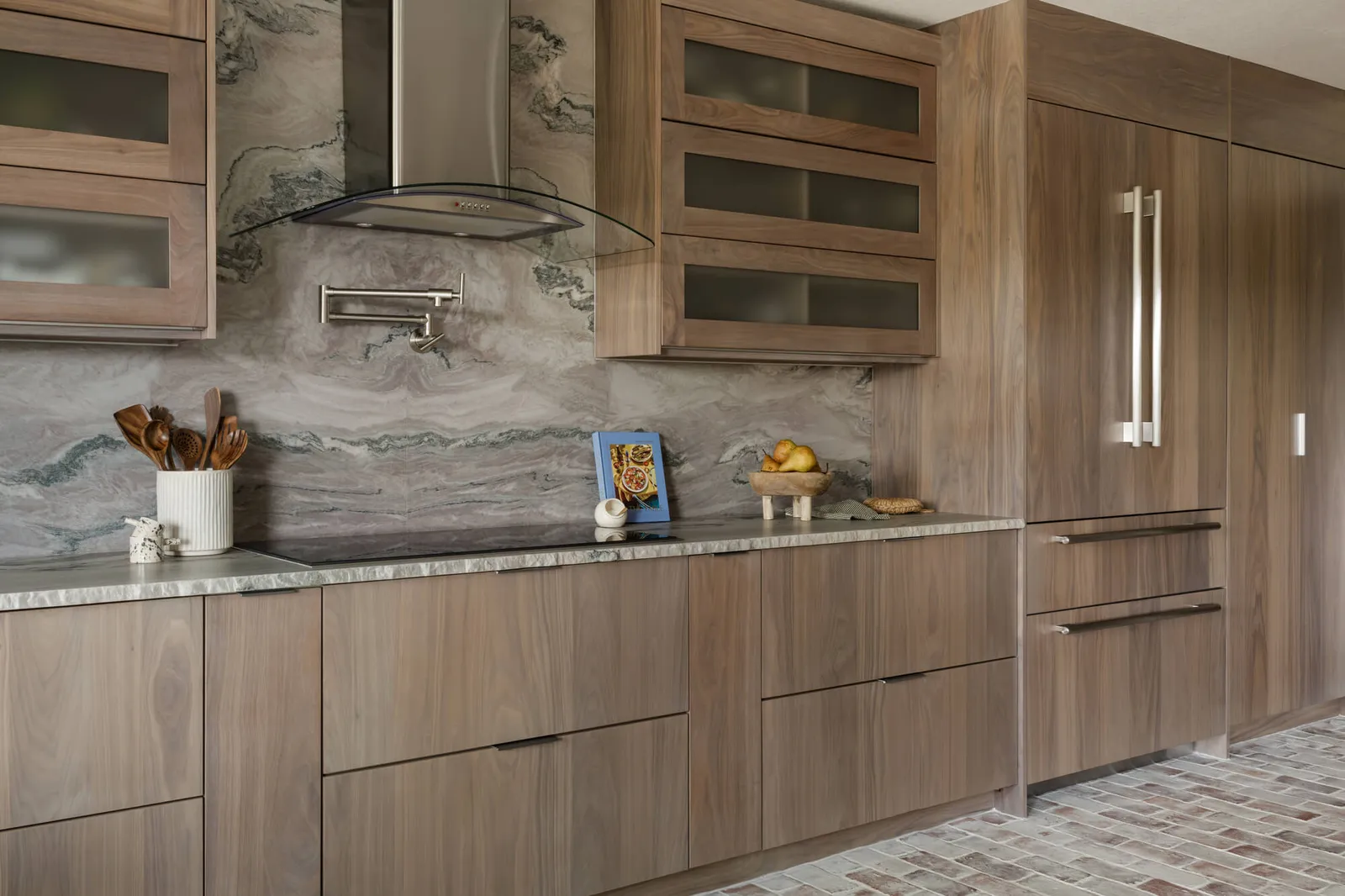
Standing in the middle of a dated kitchen, you’re usually torn between two paths for a kitchen renovation: “How little can I spend to make this work?” and “What would it cost to create the kitchen I really want?” You see wildly different numbers online, hear conflicting advice from friends and agents, and wonder whether a modest refresh or a high-end full renovation makes more sense for your home, your market, and your long-term plans.
On one side are budget-friendly updates that fix the worst issues without draining savings.
And on the other are luxury kitchens with custom cabinets, granite countertops or quartz countertops, and professional appliances that promise everyday joy—and serious price tags.
This guide is meant to help you plan realistically, not to provide financial advice, and every number here is a ballpark industry average, not a quote.
Nonetheless, by the end, you’ll understand realistic kitchen remodel cost comparisons, what actually drives the gap between budget and luxury remodels, and how to choose the level of investment that fits your home, your market, and your goals.
Why Do Kitchen Remodel Costs Vary So Widely Between Budget and Luxury?
Kitchen remodeling costs can vary significantly, largely due to the scope of work and materials involved. In kitchen remodeling, what constitutes a “budget” renovation versus a “luxury” one often hinges on several factors.
A minor remodel might involve stock cabinets or just replacing countertops, whereas a major remodel or gut renovation could include custom cabinetry, updated plumbing, higher-end countertop materials, and new electrical systems.
- Scope of Work: A minor remodel typically focuses more on cosmetic updates, such as new finishes or using stock kitchen cabinets, while a gut renovation could involve moving walls or changing the kitchen layout dimensions, affecting labor costs and installation costs.
- Material Costs and Finish Level: Affordable solutions like laminate counters and stock cabinets differ considerably in price from high-end materials like granite or quartz countertops and custom cabinetry. Finish selections, such as protective coatings that prevent scratches and water damage, also impact the final budget.
- Labor Demands and Complexity: Kitchens in older homes may require intricate plumbing updates or labor-intensive installations due to the kitchen layout complexity. Skilled trades shortage and high demand for general contractors in certain regions further influence labor costs. Professional installation for fixtures like kitchen sinks and custom lighting can add to these costs.
- Regional Pricing Differences and Permits: Costs vary by location; areas with stricter codes or higher tariffs can see higher remodeling expenses. Timelines can be extended by required permits, affecting the overall kitchen remodel cost as well.
Homeowners often think a luxury kitchen renovation requires an enormous budget, but with strategic design choices, such as focusing on high-impact areas like countertops and cabinetry, one can achieve both everyday comfort and resale appeal.
Understanding these levers, plus factoring in durability and aesthetics, helps in budgeting effectively for a kitchen renovation that meets your needs without compromising on style.
Typical Cost Ranges for Budget, Mid-Range, and Luxury Kitchens
For an average-size kitchen, kitchen remodelers tend to see the same broad bands over and over.
A budget remodel often lands around $15,000-$40,000, a mid-range project roughly $40,000-$80,000, and an upscale or luxury kitchen renovation from about $80,000 into six figures.
Local labor rates, material choices, kitchen layout, and permitting requirements will nudge you up or down inside those ranges.
Here’s how those levels usually compare at a high level:
| Level | Typical Spend (Average Kitchen) | Typical Features |
| Budget | $15,000-$40,000 | Stock cabinets, simple counters, keep layout |
| Mid-range | $40,000-$80,000 | Selective custom cabinetry, quartz or granite countertops, and some layout tweaks |
| Luxury | $80,000-$150,000+ | Custom cabinets, premium stone, major layout changes |
A simple guardrail many designers use: keep total kitchen spend around 5-15% of your home’s current value.
It’s a guideline, not a rule, but it helps you gauge whether you’re under-investing for your price point or pushing beyond what your property and broader financial plans comfortably support.
Your local market also matters.
- In higher-value neighborhoods, a heavily outdated kitchen can hurt resale appeal more significantly, while thoughtfully updated kitchens often help homes feel more competitive and provide the best return on investment.
- In more modest markets, however, ultra-luxury finishes may not always give you a return on investment on resale. Many homeowners ultimately balance personal enjoyment with long-term property value rather than designing purely for resale alone.
What Really Drives the Cost Gap Between Budget and Luxury Kitchen Remodels?
The cost difference between a budget and luxury kitchen remodel is a product of numerous detailed decisions rather than just a few standout items. Kitchen remodeling costs can skyrocket when you decide to transform everything simultaneously, from cabinetry and countertop materials to lighting fixtures and overall design.
Homeowners often find that even minor remodel upgrades, when not planned accordingly, can lead to significant increases in costs.
For instance, adding a professional-style range could necessitate upgraded electrical work, which in turn may involve additional installation costs. Moving a sink could require changes to plumbing, drywall, and flooring, along with pertinent permits and inspections. In older homes, gut renovation can uncover hidden issues behind walls, affecting remodeling timelines and kitchen renovation budgets.
Cabinets: From Stock Boxes to Custom Millwork
Kitchen cabinets are typically one of the largest investments in a kitchen remodel.
Homeowners often weigh the pros and cons of stock cabinets and custom cabinetry options.
- The Power of Stock Cabinetry: Standard-size stock cabinets offer savings compared to custom cabinets, which can feature more specialized sizes and designs that fit precisely within the kitchen layout dimensions.
- Be Careful with Customization: Incorporating elements like tall pantries, glass fronts, and specialty organizers can lead to cabinetry costs that comprise 25-30% or more of the total remodel budget.
- What True Long-Term Value Is: Long-term value, however, is less about the category and more about construction quality, everyday comfort, and the durability of materials. Features like deep drawers, pull-out organizers, and taller upper cabinets enhance daily functionality more than purely cosmetic cabinet refacing.
Investing in quality construction and smart storage solutions often delivers better returns on investment, focusing on durability against scratches and water damage rather than on finish selections alone.
Layout Changes and Infrastructure Upgrades
Sticking to the existing kitchen layout can be a cost-saving approach. Relocating sinks, ranges, or walls invites significant labor demands and increases installation costs due to additional plumbing, electrical, and flooring work. Permits and inspections are essential in such scenarios and contribute heavily to the higher cost of luxury kitchen renovations.
Project Delivery and Coordination
Effective design and coordination are vital components that can influence kitchen remodel costs extensively.
Engaging a design-build team that oversees design, cabinets, countertops, and installation can reduce the likelihood of costly change orders and project delays. Professional kitchen cabinet designers and installers, who provide comprehensive planning and coordination, can curb unexpected expenses that crash kitchen remodeling budgets.
In many cases, these expenses arise not because of poor material choices but due to late decisions and incomplete measurements.
Investing in clear upfront planning often yields savings more effectively than attempting to cut corners during professional installation.
Managing these costs helps in balancing design aspirations with functional and financial realities, ensuring each element, from lighting fixtures to finish levels, aligns with the kitchen renovation goals while keeping an eye on return on investment and resale appeal.
When a Budget Kitchen Remodel Makes Sense
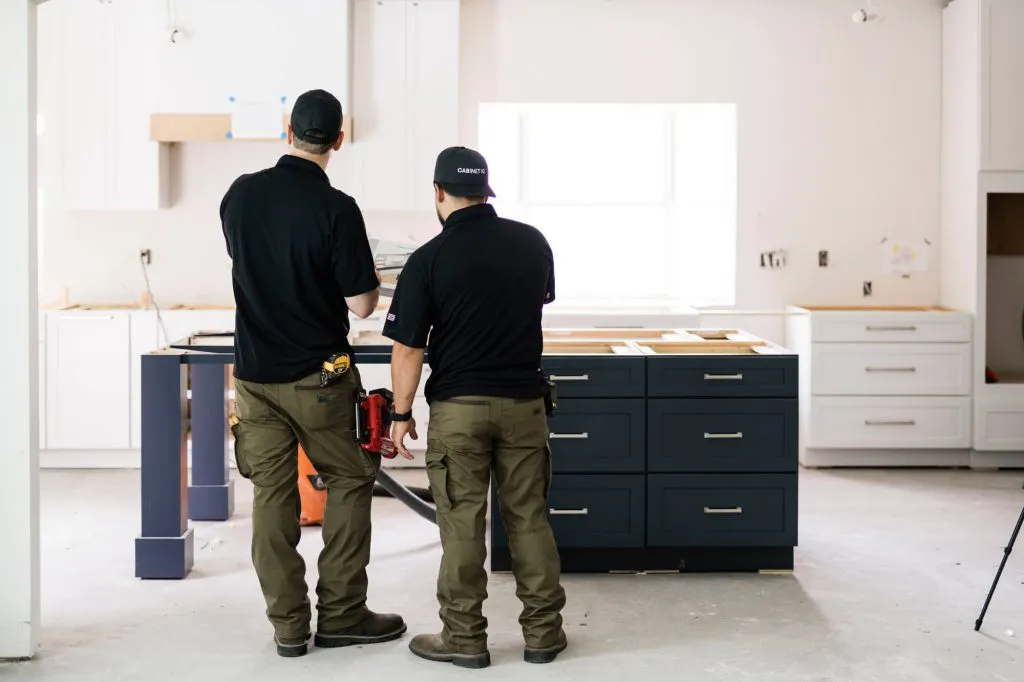
Budget kitchen remodels are often the right fit when the existing layout already functions well, and the main goal is improving appearance, storage, or usability without major structural work. Many homeowners can create a dramatic visual improvement by just updating cabinets, countertops, lighting fixtures, paint, or hardware while keeping plumbing and appliance locations largely unchanged.
A budget-conscious remodel can also make sense for:
- starter homes
- rental properties
- home sales within the next few years
- investment properties
- kitchens that are cosmetically outdated but still functional
In many cases, careful material selection and thoughtful design matter more than chasing the most expensive finishes in every category.
When a Luxury Kitchen Remodel Makes Sense Financially and Functionally
Luxury kitchen remodels typically make the most sense when homeowners plan to stay long-term, cook frequently, entertain often, or want the kitchen to function as a central gathering space within the home. These projects usually prioritize layout optimization, premium materials, customized storage, and a more tailored overall experience.
Higher-end remodels may also be justified when:
- the home itself supports higher-end finishes
- the existing kitchen has serious layout limitation
- the homeowners want aging-in-place functionality
- resale expectations in the neighborhood are elevated
- daily kitchen use is exceptionally high
From a resale perspective, luxury renovations can improve marketability and perceived home value, but they don’t always return every dollar spent. In many cases, the strongest long-term value actually comes from improving functionality, storage, lighting, and workflow rather than simply maximizing finish costs.
Simply put, when it comes to luxury remodels, the value often comes less from any single material upgrade and more from how the entire space functions and feels together.
How Budget and Luxury Kitchens Typically Split Cabinets, Countertops, Appliances, and Labor
Even though total budgets vary a lot, the way money is usually divided inside a kitchen remodel is surprisingly consistent. Most projects fall into similar percentage bands across the main categories.
As a rough rule of thumb, you can think in these ranges:
- Cabinets: about 25-30% of the total
- Countertops: around 10-15%
- Appliances: roughly 10-20%
- Labor and trades: often 35-50%, including demo, installation, electrical, plumbing, and finishes
In a budget kitchen, cabinets and counters together might sit closer to 30-40% of the total, with simpler door styles and entry-level surfaces. In a luxury kitchen, custom cabinetry plus premium stone and full-height backsplashes can pull that share toward 50% or more, with appliances and labor filling the rest.
Cabinets and Countertops
- Budget Remodels: At the budget end, you’re usually looking at stock or more basic cabinet configurations paired with laminate or entry-level quartz counters.
- Higher-End Remodels: At the luxury end, all-wood custom cabinets with upgraded hardware, integrated storage, and premium quartz, granite, or marble surfaces can more than double those lines, even in the same footprint.
Appliances
- Budget Remodels: Standard appliance packages keep costs predictable and work well for many homes.
- Higher-End Remodels: Luxury kitchens often add professional-style ranges, built-in refrigeration, secondary ovens, or specialty pieces like wine columns and steam ovens.
Those upgrades can double or triple the appliance line without changing the layout at all.
Labor and Trades
Labor is where complexity shows up.
- Budget Remodels: Simple replacement work in a straightforward room sits near the lower end of the labor range.
- Higher-End Remodels: Structural changes, detailed tile, intricate trim, and layered lighting design push labor toward the higher end, whether your finishes are budget-friendly or premium.
Building a First-Pass Budget for Your Kitchen Remodel
A first-pass budget doesn’t need to be perfect, and should only be honest enough to guide your choices and conversations with pros. The goal is to connect your home value, your time horizon, and the level of change you really need, not just the dream images you’ve saved.
A practical way to frame your budget is:
- Set your investment window; Aim for 5-15% of current home value, leaning lower for light refreshes and higher for long-term or luxury projects.
- Rank what matters most: Decide how you prioritize function, storage, durability, and aesthetics, so you know where to spend and where to save.
- Pressure-test with ballpark estimates: Share measurements, photos, and priorities with a kitchen specialist to see how far your target dollars really go.
If early estimates overshoot what feels comfortable, you can dial back the scope, adjust finish levels, or phase the work, rather than abandoning the project. A short, no-obligation planning call with a design-driven remodeler can quickly replace guesswork with two or three clear options at different price points.
At Cabinet IQ, one pattern we regularly see is homeowners initially focusing heavily on countertop colors and appliance brands before fully evaluating storage functionality and layout flow.
In practice, better drawer storage, improved lighting, and more efficient cabinet organization often have a bigger impact on daily satisfaction (and resale value) than some of the most expensive finish upgrades that can quickly go out of style anyway.
The Hidden and Surprise Costs You Should Expect in Any Kitchen Remodel
Even well-planned projects uncover surprises once floors and walls are opened, which is why many pros treat a 10-20% contingency as standard rather than optional.
Hidden conditions, soft costs, and temporary living adjustments can all nudge a “clean” estimate upward, whether your finishes are budget or luxury.
Behind-the-Walls Surprises
Common hidden issues include:
- Outdated wiring that needs upgrading to handle modern codes and appliance loads
- Undersized or crowded electrical panels that can’t safely take new circuits
- Brittle plumbing or old shut-offs that fail when disturbed
- Moisture damage or mold behind sinks, dishwashers, or exterior walls
- Framing that doesn’t meet current standards once walls, soffits, or ceilings come down
These fixes aren’t glamorous, but they’re critical for safety, inspections, and protecting the rest of your investment.
Soft Costs Most People Forget
Beyond construction, smaller line items quietly add up:
- Permits, design, or engineering fees for anything beyond a very simple refresh
- Temporary storage or a makeshift kitchen while your main kitchen is out of service
- Extra meals out or takeout during the construction phase
- Schedule slips and rescheduling fees when materials or trades run late
You can’t eliminate surprises, but you can reduce their impact by carrying a realistic contingency, making selections early, and insisting on a clear schedule and scope before anyone swings a hammer.
A Value-Aligned Framework for Choosing Your Kitchen Investment Level
Instead of asking “budget or luxury?”, a better question is “What level of kitchen fits my home, my plans, and my risk comfort?”
Think of three tiers rather than two extremes.
- Light refresh: cosmetic upgrades like paint, hardware, lighting, energy-efficient appliances, and maybe new counters. Best for tight budgets, short stays, or rental turns, usually at the lower end of the budget band.
- Mid-range overhaul: upgraded storage features, durable quartz or natural stones like granite, better lighting, and limited layout tweaks for long-term daily use, often in the $40,000-$80,000 range.
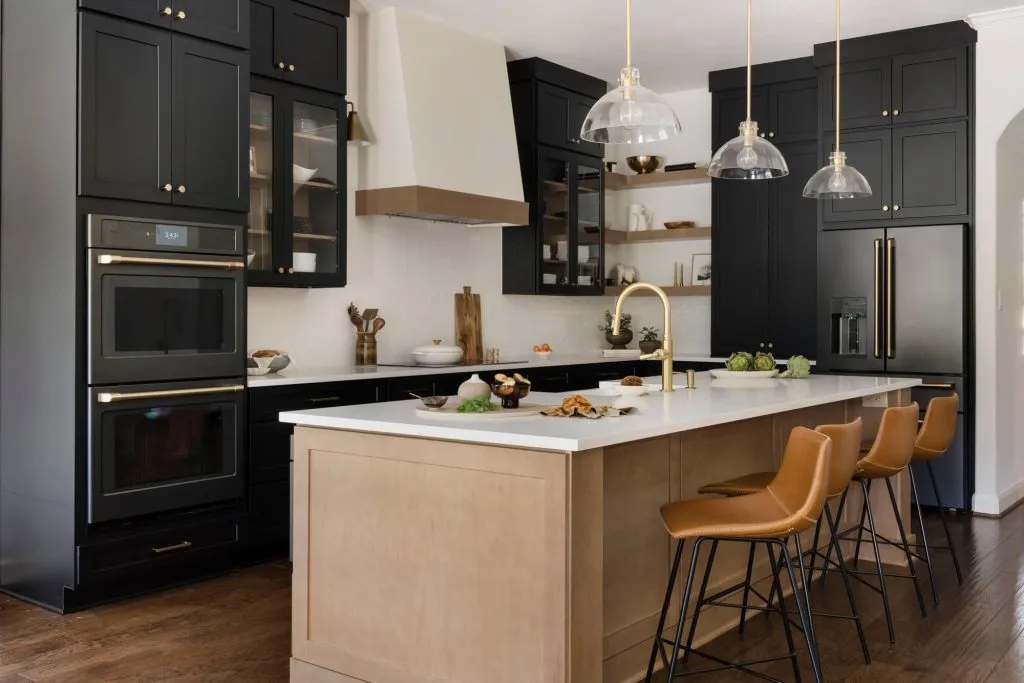
- Luxury gut: new layout, custom design, premium materials, and professional appliances for higher-value homes and long horizons, usually $80,000+.
To place your project on that spectrum, use three simple filters:
- Current home value: Aim toward the lower, middle, or upper end of the 5-15% guideline based on your price point.
- Time horizon: Shorter stays pull you toward mid-range; longer stays make lifestyle value more important than pure payback.
- Primary “customer”: Remodel differently if you’re optimizing for tenants, future buyers, or your own long-term comfort and enjoyment.
Why Remodeling in Phases Doesn’t Save Costs
Doing the kitchen remodel in phases is frequently an option considered by some homeowners looking to avoid a larger single investment in one go.
These homeowners will think about handling layout, infrastructure, and cabinets first, then upgrading the counters, backsplash, and appliances later, moving toward a luxury feel without committing to a higher-budget project on day one.
However, it’s only the optimal option in rare cases, as remodeling in phases actually represents a more costly long-term investment because workers, designers, and permits must be addressed (and paid) more than once, and you risk material costs increasing later on.
Why Planning is the True Cost Saver
Regardless of budget level, one of the biggest factors in remodeling success is having a clear planning and design process before installation begins.
Accurate measurements, realistic budgeting, material coordination, and detailed layout planning all help reduce surprises during construction.
At Cabinet IQ, projects go through a detailed design and quality assurance process to help homeowners understand both the visual and financial side of the remodel before work begins.
When You’re Ready for Real Numbers and a Clearer Plan
At some point, rough online ranges stop being useful, and you need numbers tied to your actual kitchen: your footprint, your cabinets, your countertops, and your code requirements.
The real decision isn’t “budget or luxury” in the abstract; it’s how much change makes sense for your home, your timeline, and your comfort level with the investment.
When you’re ready for that level of clarity, book a free consultation with a design-driven remodeler that can turn photos, measurements, and a wish list into concrete options at different price points, including specific cabinet lines, quartz or stone countertop choices, and a step-by-step installation plan.
Cabinet IQ does that through a Learn-Design-Install process, all-wood cabinet lines with soft-close hardware, and certified countertop fabrication, so you can choose a kitchen remodel path that fits your life, respects your budget, and lets you move forward with more confidence about both cost and outcome.