Full vs Partial Kitchen Remodel: Comparing Their Cost, Risk, and ROI
When homeowners begin exploring a full vs partial kitchen remodel, the conversation usually starts with one question: What will it cost? But the more important question is often overlooked: What is the long-term return on investment? A kitchen remodel is not just another home improvement project. It directly affects home equity, resale market appeal, daily […]
By Jan Rutgers
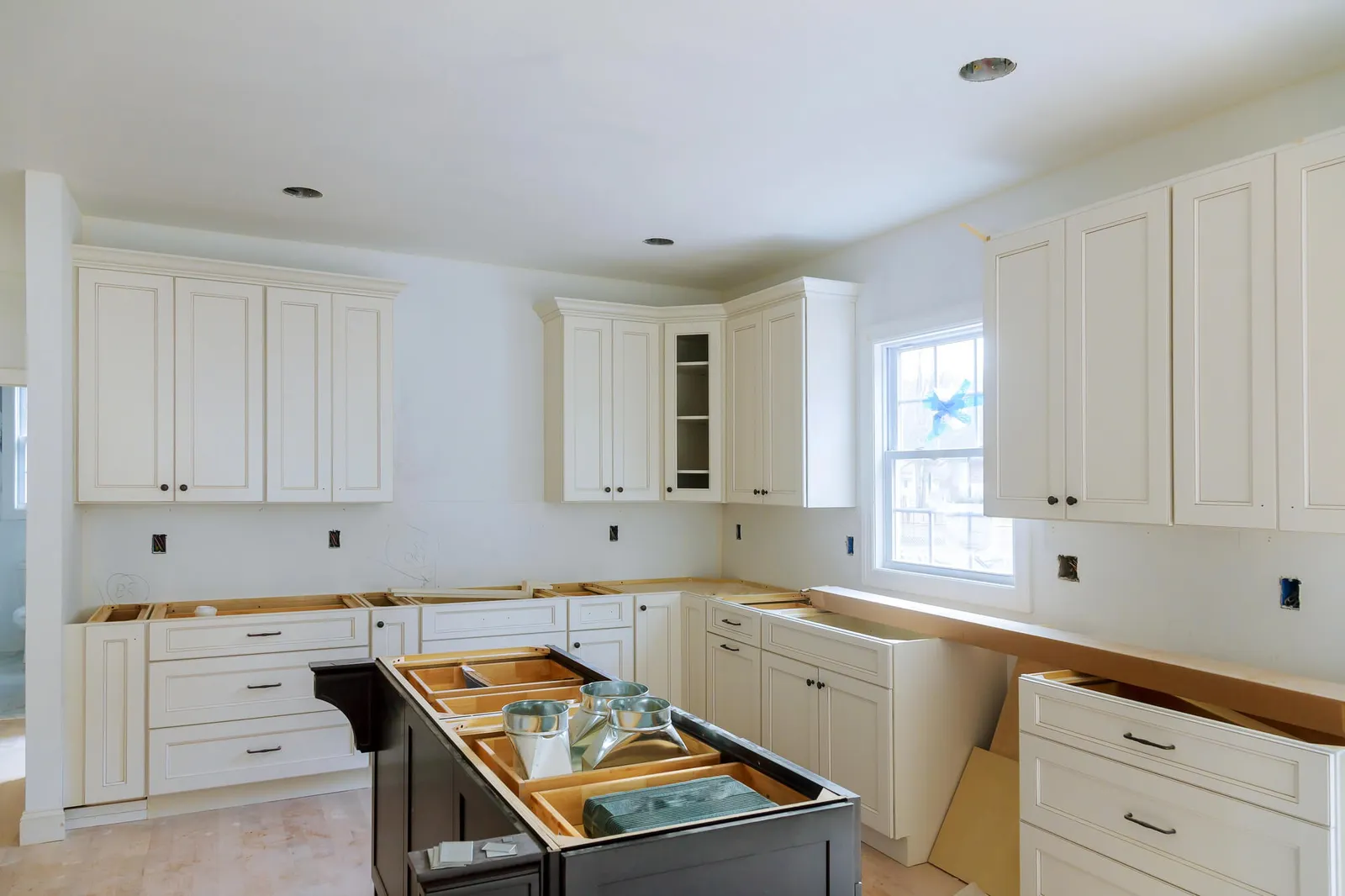
When homeowners begin exploring a full vs partial kitchen remodel, the conversation usually starts with one question: What will it cost?
But the more important question is often overlooked: What is the long-term return on investment?
A kitchen remodel is not just another home improvement project. It directly affects home equity, resale market appeal, daily functionality, and even financing strategy. Whether you are considering a full or partial kitchen remodel, the scope of work determines everything from project timelines and demolition to contractor coordination and long-term expenses.
According to data trends from platforms like Google Trends and Zillow Digs, kitchens consistently rank as the most searched renovation category among homeowners. Real estate experts also report that kitchen renovation projects carry some of the highest perceived value in resale reviews. The challenge is deciding how much remodeling is enough.
A partial renovation may appear cost-effective in the short term. A full renovation requires a larger investment upfront. But cost-effectiveness and true value are not the same thing.
To make a smart decision, homeowners must compare not only the costs and budget implications, but also infrastructure risk, sustainability, disruption, and long-term return on investment.
Let’s begin by defining what each approach really means.
What Is a Full Kitchen Remodel?
A full kitchen remodel involves a complete transformation of the space, not just cosmetic updates, but functional and structural changes as well.
In most kitchens, a full remodel includes:
- Full replacement of cabinetry
- New countertops and materials
- Updated appliances and ventilation systems
- Plumbing and electrical adjustments to meet building codes
- Layout reconfiguration for improved workflow
- Demolition down to studs when necessary
- Integration of custom cabinetry and storage solutions
This is sometimes referred to as a full renovation or, in more intensive cases, a full gut remodel.
Unlike a partial remodel, which works around existing infrastructure, a full kitchen remodel evaluates the kitchen as a system. Layout, plumbing, electrical, storage, and appliance placement are aligned from the ground up. This often requires coordination between a general contractor, kitchen designers, electricians, plumbers, and specialty contractors.
Cabinet selection plays a major role in this process. Many homeowners upgrade to custom cabinetry with dovetail drawers, soft-close hardware, integrated appliances, and improved storage zones. Countertops are templated and fabricated to match the cabinet installation precisely. Vents and ventilation systems are adjusted to accommodate modern cooking equipment.
Because everything is redesigned at once, a full remodel offers:
- Greater control over long-term performance
- Fewer mismatches between old and new materials
- Improved sustainability through energy-efficient appliances
- Stronger resale positioning
- Higher home equity growth potential
From a financing standpoint, homeowners often view a full remodel as a strategic investment. Many use a home improvement loan or mortgage line of credit as a cost-effective financing strategy, recognizing that a cohesive home renovation can increase overall property value.
Yes, upfront costs are higher. But the investment modernizes the entire kitchen instead of layering new components over aging infrastructure.
What Is a Partial Kitchen Remodel?
A partial kitchen remodel, sometimes called a partial renovation or partial gut remodel, updates selected elements while leaving much of the original layout and structure intact.
Common examples of a partial gut remodel include:
- Replacing countertops while keeping existing cabinets
- Installing new appliances without moving plumbing or electrical
- Updating cabinet doors only
- Limited demolition focused on surface-level materials
- Cabinet refacing instead of full replacement
A partial kitchen upgrade typically avoids relocating sinks, ranges, electrical wiring, or major plumbing lines. Contractors work within the existing layout to reduce project timelines and minimize disruption. Because fewer trades are involved, upfront expenses are often lower.
For homeowners operating under a tight budget, a partial renovation can feel practical. It may provide a cosmetic change, refresh worn materials, and modernize appliances without the scope of a full renovation.
However, partial remodels come with structural limitations. For example:
- Replacing cabinet doors without upgrading the underlying cabinet boxes does not improve structural integrity.
- Installing premium countertops on outdated cabinetry may create an imbalance in both durability and visual design.
- Small house builders and contractors often caution that partial remodeling can create hybrid kitchens, part new, part aging, which may complicate future upgrades. If homeowners later decide to pursue full replacement, they may end up paying for demolition and installation twice.
Partial kitchen remodel projects can be appropriate in certain cases, especially when preparing a home for short-term resale. But when evaluating full vs partial kitchen remodel decisions, homeowners must consider whether a partial renovation truly solves long-term issues or simply postpones them.
Comparing Cost: Full Remodel vs Partial Remodel
When evaluating a full vs partial kitchen remodel, upfront costs are often the deciding factor. On the surface, a partial remodel appears more budget-friendly. But cost alone does not determine cost-effectiveness.
Upfront Investment and Budget Scope
A partial kitchen remodel typically involves:
- Limited demolition
- Fewer contractors
- Minimal plumbing relocation
- Existing layout retention
- Replacing select materials, such as countertops or appliances
- Updating cabinet doors instead of full replacement
Because infrastructure remains largely untouched, expenses are lower at the start. Project timelines are shorter, disruption is reduced, and fewer inspections are required under building codes.
In contrast, a full kitchen remodel might include:
- Full replacement of cabinetry
- Countertop fabrication and installation
- Appliance upgrades with possible ventilation or vent relocation
- Electrical and plumbing adjustments
- Layout redesign
- Full renovation-level demolition
- Code compliance updates
This level of remodeling requires coordination between a general contractor, electricians, plumbers, and specialty contractors. And it should involve kitchen designers to align cabinetry, materials, and workflow.
As a result, upfront costs are higher. The budget must account for labor, materials, permits, demolition, and installation complexity.
However, homeowners using a home improvement loan or mortgage line of credit often view a full remodel as a structured investment rather than an isolated expense. When financed strategically, the cost difference becomes more manageable, especially when the return on investment and home equity growth are considered.

Hidden Costs and Long-Term Budget Risks
Upfront price tells only part of the story. The real comparison between a full remodel and a partial remodel emerges over time.
The Risk of Layering New Over Old
A partial renovation may leave underlying systems untouched:
- Aging plumbing behind walls
- Outdated electrical panels
- Substandard ventilation
- Worn cabinetry boxes beneath new cabinet doors
- Structural limitations in layout
For example, replacing countertops without upgrading cabinets can create structural strain. Installing premium appliances without updating vents or wiring can introduce future repair costs. Choosing cabinet refacing instead of full replacement preserves the original cabinet framework, which may already be nearing the end of its lifecycle.
These hybrid kitchens often lead to incremental expenses:
- Future demolition to complete unfinished upgrades
- Contractor return visits
- Appliance modifications
- Mismatched materials requiring adjustment
- Additional disruption down the line
A Full Reno Gives You Efficiency
In contrast, a full renovation consolidates costs into one controlled phase. Everything is upgraded simultaneously:
- Plumbing
- Electrical
- Cabinetry
- Countertops
- Appliances
From a cost-effectiveness standpoint, completing the work once often reduces repeat labor, duplicate demolition, and long-term repair expenses.
In many reviews from real estate experts, partially remodeled kitchens can appear inconsistent, visually refreshed, but structurally dated. That inconsistency can impact appraisal outcomes and market appeal.
Functional and Layout Limitations of a Partial Gut Remodel
Functionally, partial renovations must respect the original layout.
That means:
- Appliance placement remains restricted
- Storage inefficiencies persist
- Workflow may remain awkward
- Countertop space cannot be optimized
- Custom cabinetry integration is limited
Even high-end materials cannot fully compensate for poor layout.
A full kitchen remodel, however, allows:
- Kitchen triangle optimization
- Improved storage zones
- Dovetail drawers and upgraded cabinetry systems
- Integrated appliances
- Enhanced workflow for cooking and entertaining
For homeowners planning long-term ownership, functionality strongly influences daily satisfaction and resale value.
Living with layout compromises for years may outweigh the short-term savings of a partial renovation, which is why when evaluating a full vs partial kitchen remodel, the financial and functional risks have to be carefully weighed.
The key difference is this:
- A partial remodel lowers short-term expenses.
- A full remodel often lowers long-term risk.
Return on Investment: Which Remodel Delivers Greater Value?
When comparing a full vs partial kitchen remodel, return on investment (ROI) is where the distinction becomes most meaningful.
Both remodeling approaches can improve aesthetics. Both can increase market appeal. But long-term value, home equity growth, and resale positioning often differ significantly.
Short-Term Resale Impact
A partial kitchen remodel can improve listing photos and buyer perception, particularly if visible elements like countertops, cabinet doors, or appliances are dated.
In fast-moving markets, a cosmetic partial renovation may:
- Help a home show better
- Improve first impressions
- Reduce buyer objections
- Deliver moderate ROI for short-term resale
For homeowners preparing to sell within one to two years, a partial remodel may provide strategic improvement without full-scale disruption.
However, real estate experts consistently note that buyers today look beyond surface upgrades. Reviews and inspection reports often reveal whether plumbing, electrical, and cabinetry are original.
Mismatched materials or older cabinetry boxes hidden behind new cabinet doors can reduce buyer confidence.
Long-Term Value and Home Equity Growth
A full kitchen remodel, by contrast, presents as cohesive and intentional. Everything feels integrated — layout, cabinetry, appliances, vents, countertops, and lighting. That cohesion often translates into stronger appraisal outcomes and more competitive offers.
According to housing market analyses and platforms like Zillow Digs, kitchens that undergo full renovation consistently rank among the most influential factors in resale decision-making.
A full kitchen remodel improves:
- Daily usability
- Storage efficiency
- Appliance performance
- Sustainability through energy-efficient systems
- Long-term durability
Custom cabinetry with dovetail drawers, upgraded materials, and optimized layout reduces wear and future replacement cycles. Instead of revisiting the space in five to seven years for additional updates, homeowners benefit from a 15–20+ year functional lifespan.
From a financial perspective, a full renovation often strengthens home equity more substantially than a partial renovation. When financing through a home improvement loan or mortgage line of credit, many homeowners treat the remodel as a strategic investment that increases total property value.
Partial remodels may cost less upfront. But if future demolition, cabinetry replacement, or infrastructure updates become necessary later, cumulative expenses can exceed the cost of completing a full replacement initially.
In ROI terms:
- Partial remodel = incremental improvement
- Full remodel = structural value enhancement
The difference lies in whether the kitchen has been refreshed or fundamentally modernized.

When a Partial Remodel Might Make Sense
Although a full kitchen remodel often delivers stronger long-term value, there are situations where a partial renovation can be appropriate.
A partial kitchen remodel may make sense when:
- The existing layout already functions efficiently
- Cabinet boxes remain structurally sound
- Plumbing and electrical systems meet current building codes
- The homeowner plans to sell soon
- Budget constraints limit full replacement
- Financing is not available or desired
In smaller homes built by small house builders with compact but efficient kitchens, layout reconfiguration may not be necessary. In these cases, replacing countertops, updating appliances, or upgrading select materials may deliver sufficient improvement.
A partial renovation can also reduce disruption. Shorter project timelines and limited demolition mean less interference with daily routines.
However, even in these scenarios, homeowners should evaluate long-term cost-effectiveness carefully. A design consultation with experienced kitchen experts can help determine whether a partial remodel truly solves underlying inefficiencies or simply postpones them.
When a Full Kitchen Remodel Is the Smarter Investment
In many homes, a full kitchen remodel provides clearer long-term advantages.
A full renovation is typically the smarter investment when:
- The layout feels cramped or inefficient
- Storage is inadequate
- Cabinetry is aging or structurally weak
- Appliances require infrastructure upgrades
- Plumbing or electrical systems are outdated
- Ventilation is insufficient
- The homeowner plans long-term occupancy
Rather than layering new materials onto aging infrastructure, a full renovation aligns everything at once. Contractors can coordinate demolition, installation, cabinetry, countertops, appliances, and vents in a structured sequence that protects project timelines and reduces rework.
While the budget commitment is greater, the result is cohesive and future-ready.
From a pure investment standpoint, completing a comprehensive home renovation once is often more cost-effective than performing multiple incremental upgrades over time.
When homeowners compare full vs partial kitchen remodel options carefully, the question often shifts from “Which costs less?” to “Which protects my investment and maximizes long-term home value?”
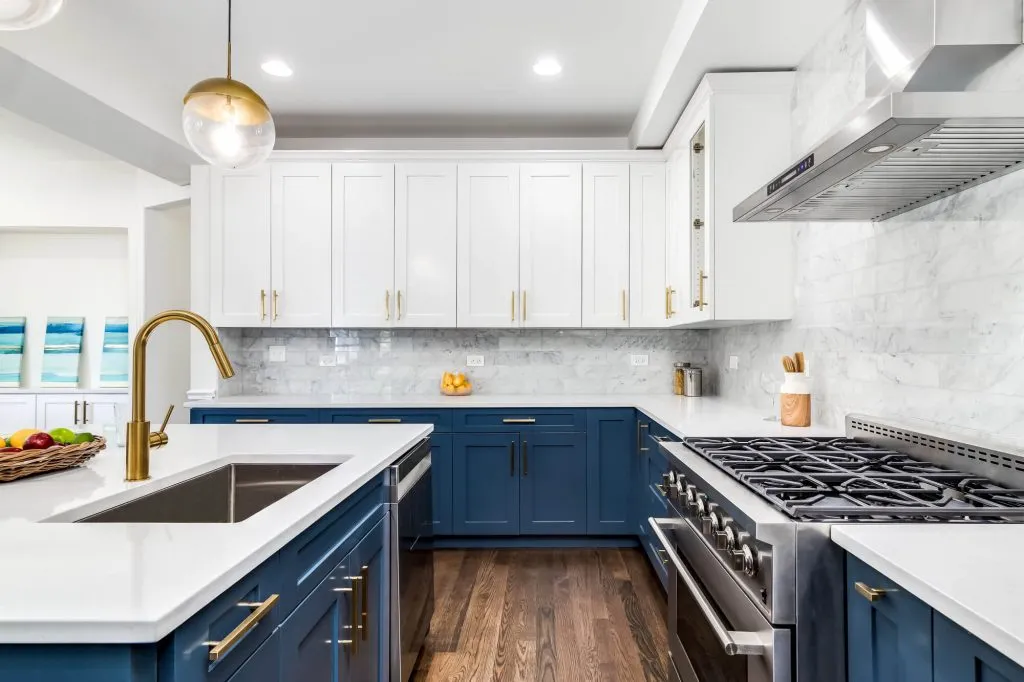
The Real Question Is Lifetime Value
When homeowners compare a full vs partial kitchen remodel, the conversation often begins with budget, but it should end with lifetime value.
A kitchen is not a short-term cosmetic project. It is a functional system that impacts:
- Daily workflow
- Storage capacity
- Appliance efficiency
- Energy use and sustainability
- Market appeal
- Long-term home equity
A partial remodel may reduce upfront expenses and shorten project timelines. It may limit disruption and avoid major demolition. But in many homes, it preserves the original layout, aging cabinetry, and outdated infrastructure.
A full kitchen remodel, by contrast, evaluates the entire environment:
- Layout optimization
- Full replacement of cabinetry
- Coordinated countertops and appliances
- Updated plumbing and electrical systems
- Modern ventilation and vent placement
- Code compliance and inspection alignment
Cabinet IQ Helps You Plan for Long-Term Value
Instead of layering improvements over older systems, a full renovation gives the kitchen a modern design holistically. That integration reduces long-term risk, improves durability, and enhances resale performance.
This is where disciplined planning makes the difference.
At Cabinet IQ, layout optimization begins before demolition starts.
- Through detailed consultation, space planning, and investment analysis, homeowners can understand how each design decision affects costs, materials, and long-term value.
- The structured 57-point Quality Assurance review process evaluates measurements, appliance clearances, cabinetry alignment, and installation sequencing before materials are ordered, reducing rework and protecting the budget.
- A level of preparation that transforms remodeling from reactive construction into a strategic investment.
When viewed through that lens, the question becomes clear:
Are you refreshing your kitchen or future-proofing it?
Ready to Evaluate Your Kitchen Remodel Options?
If you are weighing a full vs partial kitchen remodel, the most important step is clarity.
Cabinet IQ works with homeowners through structured consultation, transparent cost analysis, and detailed space planning to evaluate the true scope of a kitchen renovation. From custom cabinetry and countertops to coordinated installation and contractor oversight, the goal is to align your budget with long-term performance and market appeal.
Before committing to demolition or materials, take the time to evaluate your kitchen as a system, not just a collection of surfaces.
Book a consultation with Cabinet IQ to explore your options, compare remodeling strategies, and make a confident investment in the heart of your home.
Your kitchen should do more than look updated.
It should work better — and add lasting value.