What’s the Best Countertop Material for Your Kitchen?
You’ve already done the homework. You’ve scrolled through design inspiration, visited showrooms, maybe even argued about waterfall edges. Now you’re at the point where the decision matters, because it’s not about what looks good in a magazine. It’s about what performs, what lasts, and what you’ll still love five years from now when real life […]
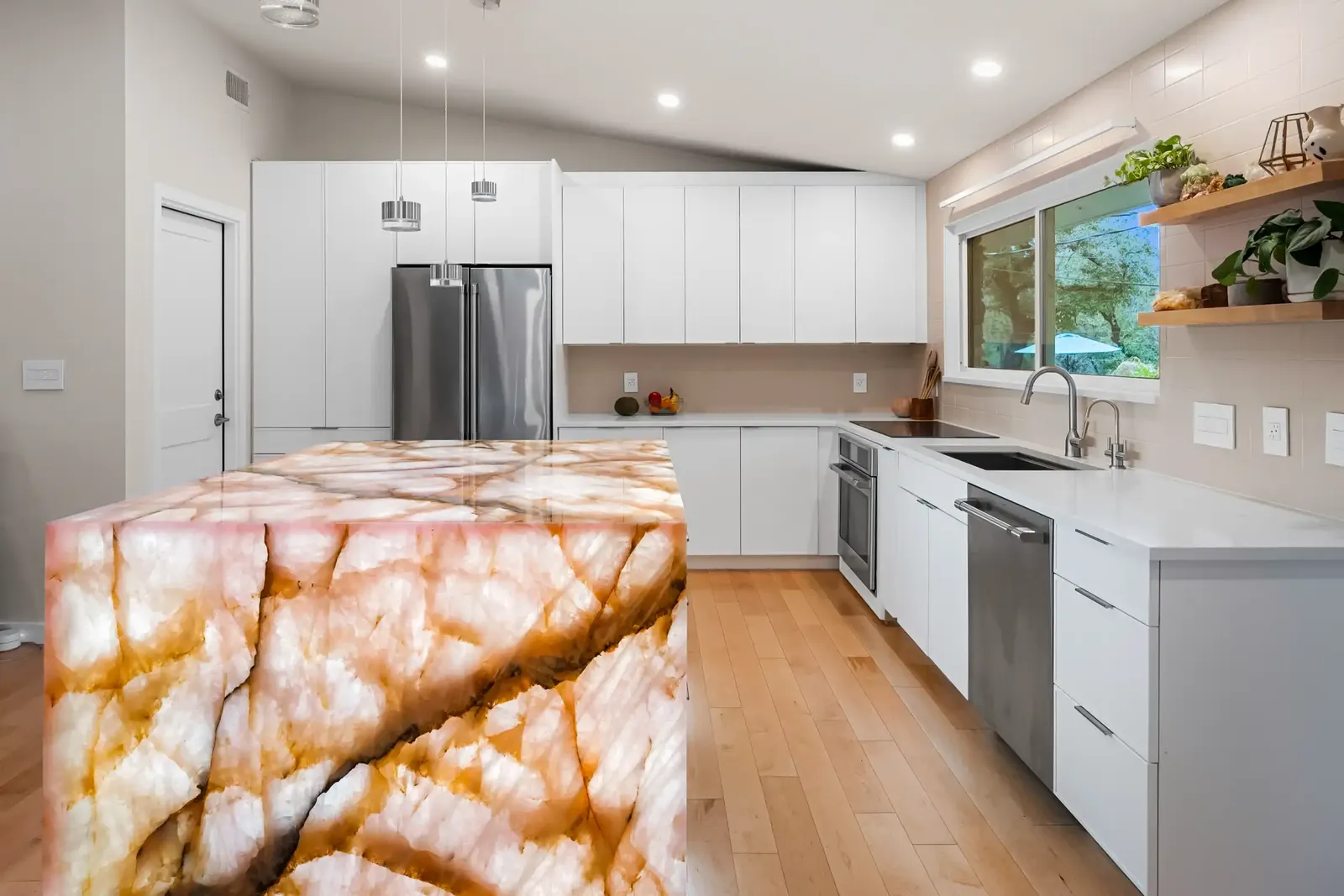
You’ve already done the homework. You’ve scrolled through design inspiration, visited showrooms, maybe even argued about waterfall edges. Now you’re at the point where the decision matters, because it’s not about what looks good in a magazine. It’s about what performs, what lasts, and what you’ll still love five years from now when real life has left its mark.
At Cabinet IQ Denver, we work with homeowners every day who are in this exact position. Choosing the best countertop material is often the last major decision before installation, and it carries more weight than people expect. A countertop isn’t just the finishing touch—it’s the surface that absorbs your daily habits, cooking style, and design choices. If you get this wrong, you’ll feel it every time you wipe down your island.
This is the real-world guide to choosing the best countertop material for your kitchen, not based on trends, but on performance, investment value, and what actually holds up in Denver homes.
Quartz
If we had to choose one material that checks all the boxes for most Denver homeowners, it’s quartz. It’s engineered, not quarried, which means it’s predictable in color and pattern, ideal if you don’t want surprises once it’s installed. But what makes it the best countertop material for high-use kitchens is how it performs day after day.
Quartz is non-porous, so it won’t stain from coffee, wine, or citrus. That’s critical in high-altitude kitchens where dry air can accelerate absorption into porous stone. It’s also scratch-resistant, low maintenance, and doesn’t require sealing—ever. For households with kids, avid cooks, or entertaining-heavy lifestyles, it just works.
We often recommend quartz to clients who want a worry-free surface that still looks elevated. And with modern options mimicking marble, concrete, or even soapstone, you’re not trading beauty for practicality. It’s priced in the mid-to-high range, but that investment comes with real peace of mind and long-term value.
Granite
Granite is a Denver classic, and not just because it’s beautiful. It’s durable, heat-resistant, and offers the one thing no man-made surface can replicate: unique, natural variation. If you love the idea that your countertop is a one-of-a-kind piece of earth, granite is worth a serious look.
But don’t buy granite without understanding what it needs. It’s porous, which means sealing is non-negotiable. Without it, you’ll see staining—especially with oil or red wine. It also varies in hardness depending on the mineral makeup, so not all granite is equally resistant to scratches.
Granite works best for homeowners who are willing to maintain it and who prefer the organic look of stone over the uniformity of quartz. In Denver’s semi-custom remodels and higher-end builds, it still adds resale value, especially when paired with complementary cabinets and backsplashes.
Just make sure to choose slabs in person. Photos won’t capture the movement and color shifts you’ll get with real stone.
Marble
Marble is often seen as the most luxurious countertop material, and for good reason. It brings a level of depth and elegance that’s unmatched, especially in lighter kitchens with warm wood cabinetry or mixed metals. The veining can be dramatic or subtle, and no two pieces are alike.
But here’s the honest truth: marble is rarely the best countertop material unless you’re prepared to live with its imperfections. It scratches easily. It etches when exposed to acids. It stains. Even sealed, it’s a living surface that patinas over time. In some kitchens, that’s part of the charm. In others, it’s a constant source of stress.
We typically recommend marble only for homeowners who love the look and understand what comes with it. It’s stunning, but it’s not low-maintenance. That makes it better suited for accent areas—like a baking station or island—rather than the full perimeter in a working kitchen.
Butcher Block
There’s a reason butcher block keeps showing up in Denver remodels—it’s warm, it’s affordable, and it adds texture to kitchens that feel too modern or sterile. When paired with painted cabinetry or quartz perimeters, it creates visual balance that feels both cozy and elevated.
But if you’re considering butcher block for your primary surface, take a breath. It’s high maintenance. It scratches. It stains. And it’s vulnerable to water damage, which means it needs regular oiling and a conscious approach to daily use.
It’s best used in specific zones, not across the entire kitchen. If you want a prep area that feels intentional, butcher block delivers. But if you expect your countertops to survive three meals a day, it’s not the best long-term choice.
Solid Surface
Solid surface countertops like Corian used to be popular for their seamless appearance and integrated sinks. They’re still a practical option in certain remodels, especially where budget and hygiene are key priorities. They’re non-porous, easy to repair, and come in dozens of colorways.
That said, most of our Denver clients now opt for quartz instead, as it offers similar performance with a more modern aesthetic and better heat resistance. Solid surface still works in laundry rooms, rental units, or lower-use kitchens, but it’s not top of the list for premium remodels.
Porcelain and Concrete
For homeowners building fully custom kitchens, porcelain and concrete can be worth considering. Porcelain slabs offer a sleek, ultra-durable surface that resists heat, stains, and UV light—making them ideal for indoor-outdoor kitchens or spaces with a lot of natural light.
Concrete is fully customizable in shape and finish, offering a raw, industrial look that works well in modern or loft-style Denver homes. But both require experienced fabricators and can be cost-prohibitive. For most remodels, these materials are better suited for accent areas or design-driven builds where uniqueness matters more than broad durability.
So—What’s the Best Countertop Material for Your Kitchen?
If you’re looking for the best countertop material for a high-functioning, low-regret kitchen, quartz is the answer. It combines durability, aesthetic flexibility, and long-term value without the headaches of sealing or special cleaners. For most Denver homeowners, it strikes the ideal balance between beauty and practicality.
But that doesn’t mean it’s the only right answer. If you’re drawn to the natural beauty of granite and don’t mind a little maintenance, it can be a smart investment. If marble has your heart, just be realistic about its upkeep. And if your design calls for warmth, butcher block or concrete can play a role—as long as it’s the right one.
Ultimately, the best material is the one that supports how you live. Our team at Cabinet IQ Denver doesn’t just sell countertops—we help homeowners make informed choices that last. We’ll show you full slabs, review your floor plan, and talk through how each material will actually perform in your home—not just on install day, but five years down the road.
Get Expert Guidance from Denver’s Countertop Specialists
Choosing the best countertop material isn’t just about picking something pretty, it’s about investing in a surface that matches how you live, cook, clean, and entertain. At Cabinet IQ of Denver, we’ve helped hundreds of local homeowners avoid costly missteps by guiding them through real-world material selection, layout planning, and expert installation.
Our design team doesn’t push trends. We help you find the material that works, for your lifestyle, your aesthetic, and your long-term goals. From full kitchen remodels to countertop replacements, our showroom offers curated options that fit Denver’s climate, architecture, and resale realities.
Ready to make the final decision with confidence?
Visit Cabinet IQ of Denver today or schedule your free consultation to see full slabs, get personalized recommendations, and let our team walk you through every detail, from material comparison to installation.