

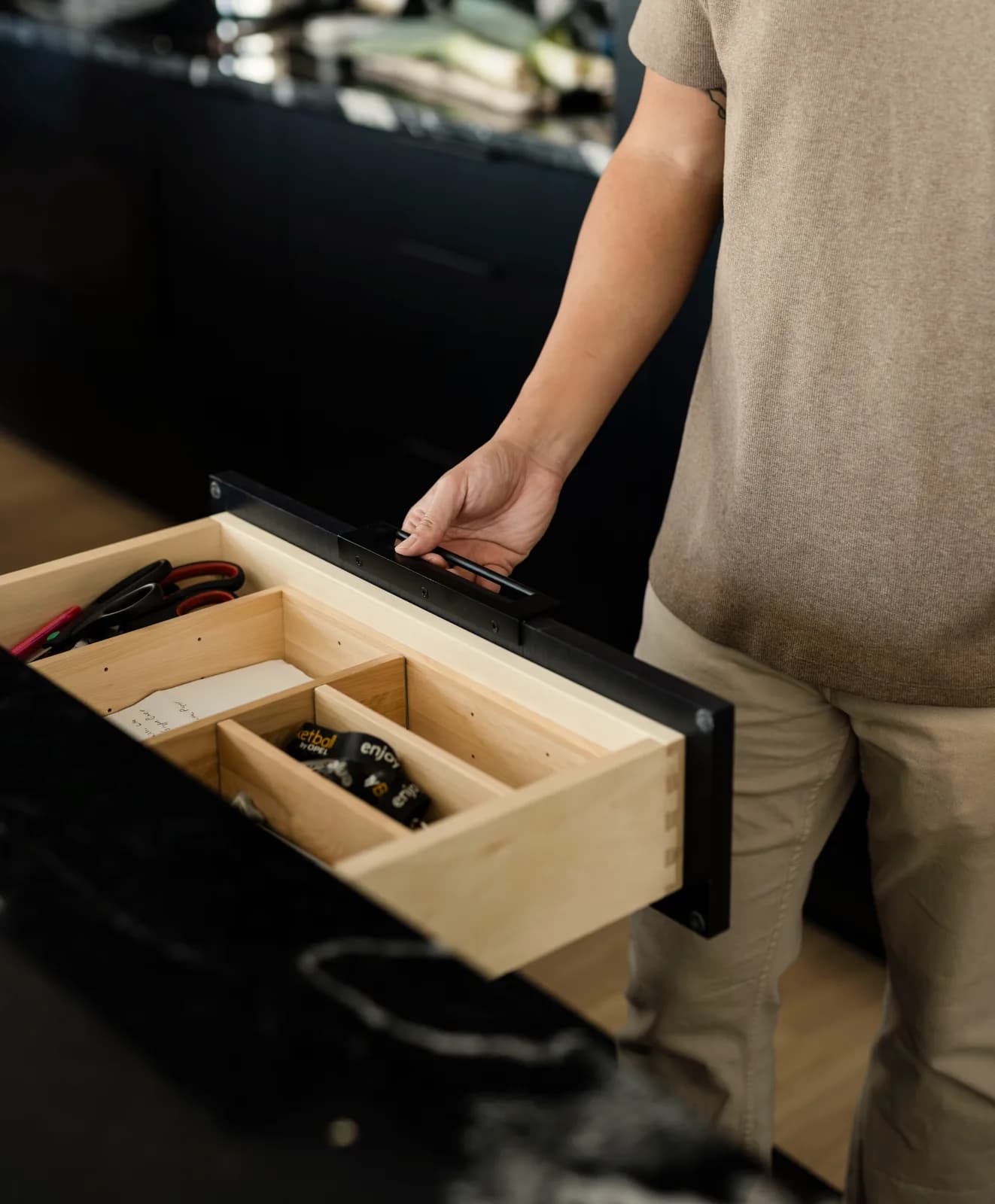

Kitchen Countertops in Tampa, FL

Countertops Chosen for How You Actually Use the Kitchen

Kitchen countertops in Tampa take heat, knives, standing water, and whatever gets set down without a coaster. The material you pick decides which of those it forgives.

Every material trades something. Sealing, heat tolerance, seam visibility, how a slab pattern reads across a long run. Knowing which tradeoffs matter for your kitchen comes before choosing a color.

Cabinet IQ of Tampa fabricates and installs, so material selection, templating, seam placement, and cutouts stay with one team from slab to finished counter.

Kitchen Countertops in Tampa Homes

Four materials, four sets of tradeoffs. What you are willing to maintain narrows it faster than color does.

Quartz is engineered stone, so color and pattern run consistent slab to slab. That predictability is the appeal: what you approve is what arrives, with no surprises in the veining.

It resists staining and never needs sealing, which is why it lands in most busy kitchens. The limit is heat. A pan straight off the burner can scorch the resin binder, so trivets are not optional.

Choose quartz when you want a surface you can stop thinking about.
Quartz countertop surface
Learn more

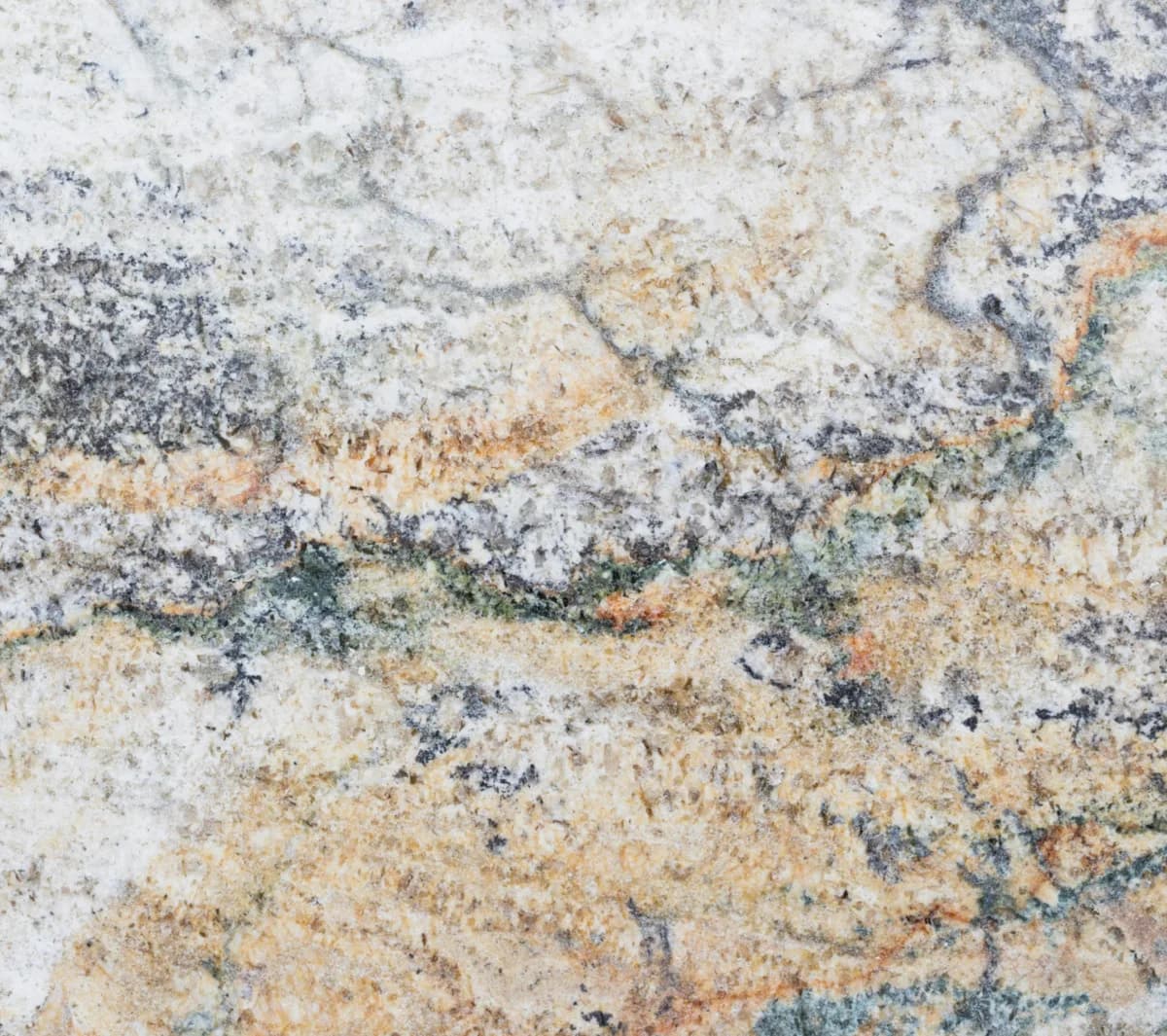
Every granite slab is different. Movement, color, and pattern vary within a single quarry, which is why granite gets picked in person rather than from a photo.

It handles heat better than quartz and takes daily use well. In exchange it needs sealing, typically once a year, and the timing depends on the stone rather than a fixed schedule.

Granite suits homeowners who want the surface to have character rather than uniformity.

Granite countertop surface

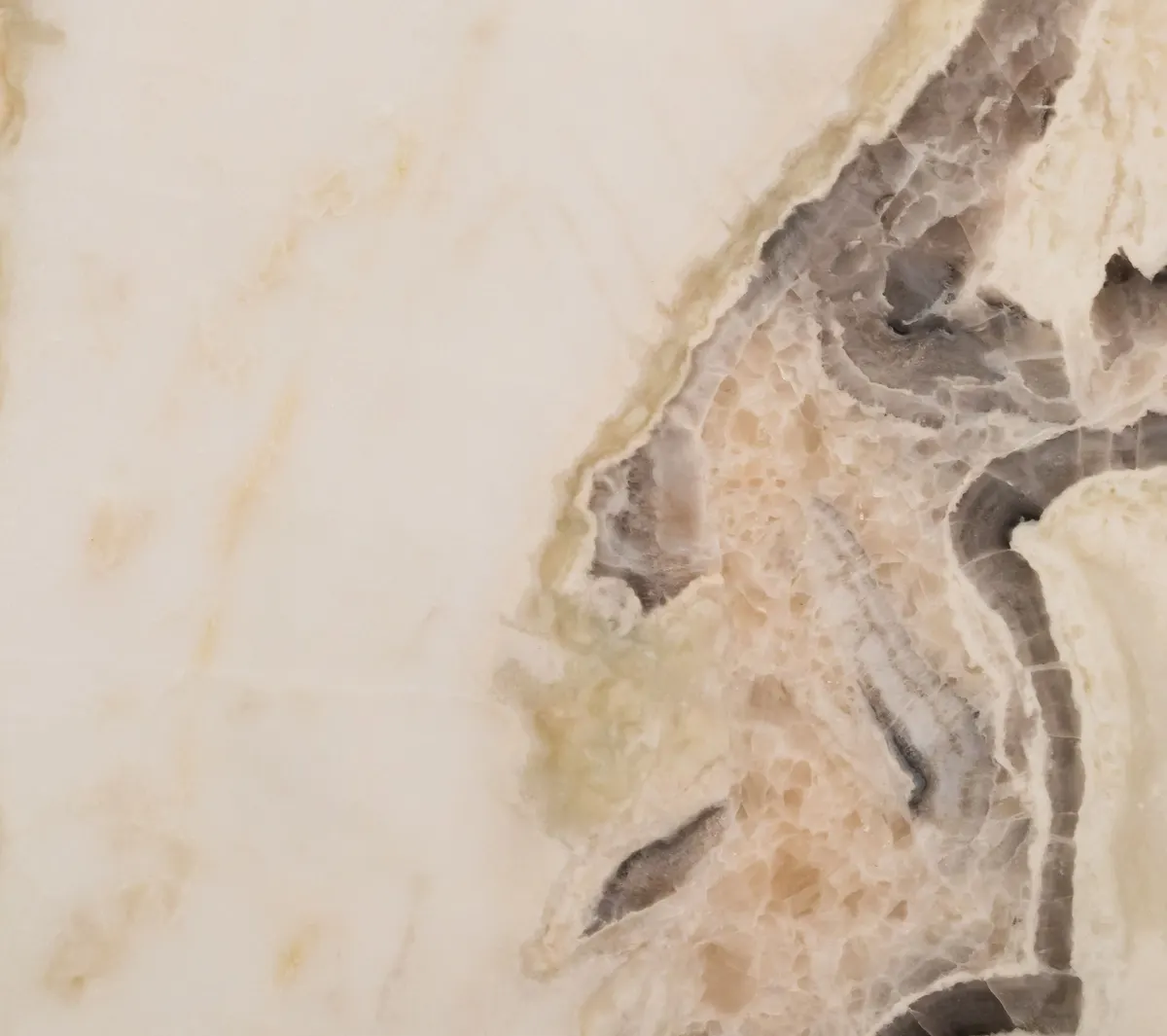
Quartzite gives you marble’s veining with hardness that beats granite. Natural stone formed under heat and pressure, so it resists scratching and etching that would mark marble permanently.

It seals like granite and costs more than both. Worth knowing that some slabs sold as quartzite are softer dolomitic marble, so confirm what you are buying before the deposit.

The fit is a busy kitchen that still wants a natural, refined look.

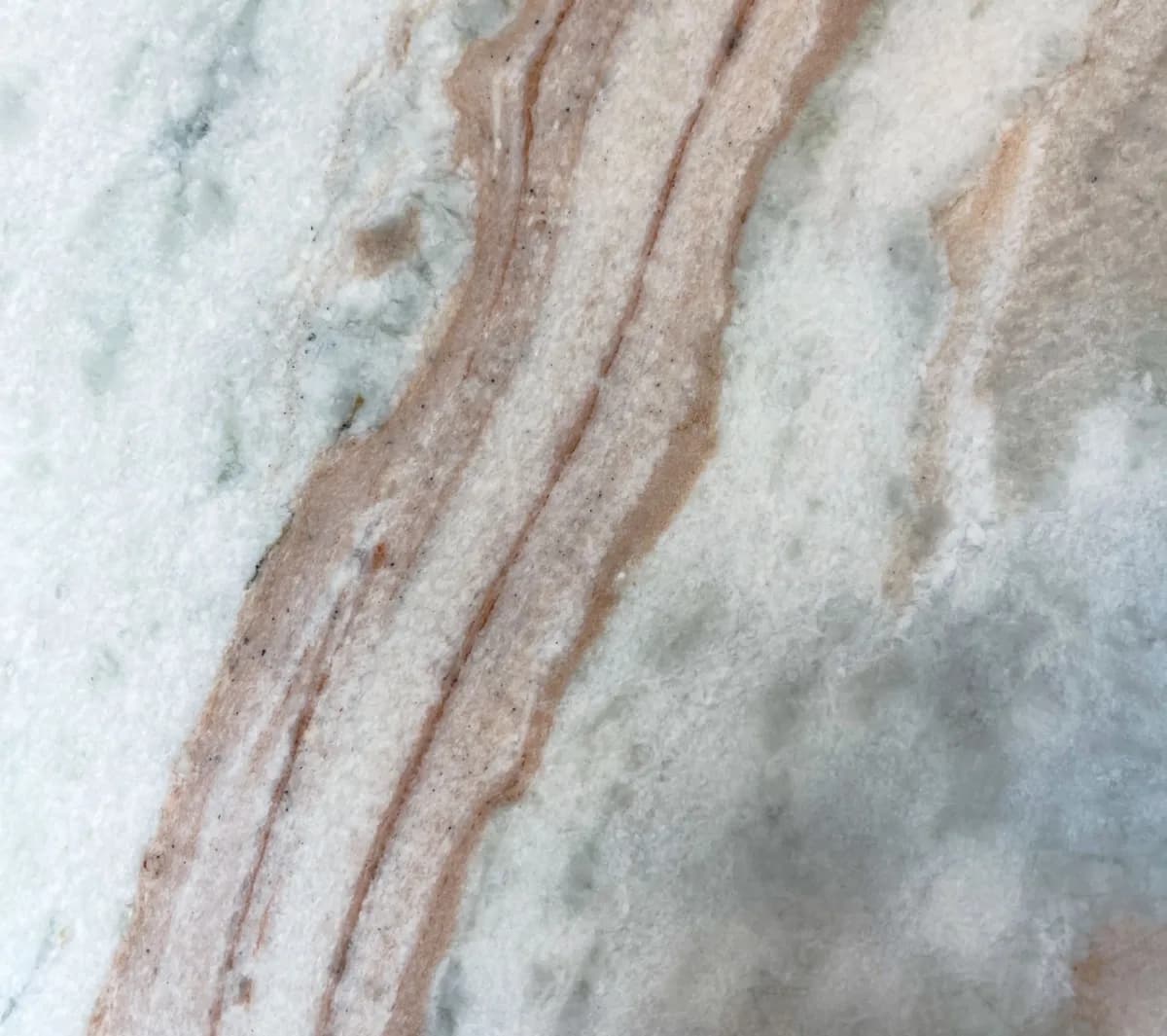
Quartzite countertop surface
Learn more

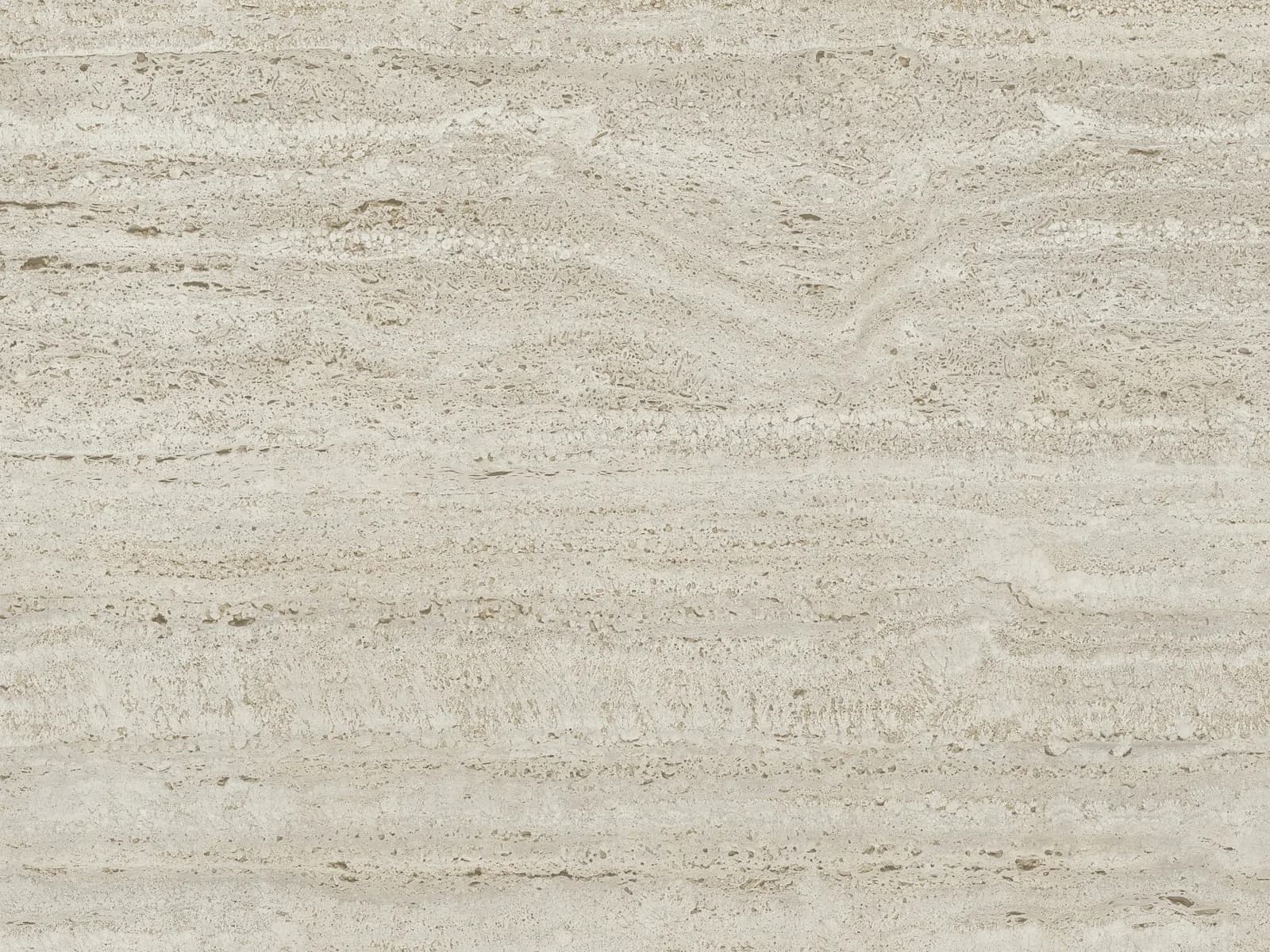
Porcelain is the most durable category available. Non-porous, no sealing, and resistant to heat, scratching, staining, and UV fading, which makes it viable outdoors as well as in.

Large-format slabs mean fewer seams across a long run. The tradeoff is fabrication. Thickness and cutouts demand more precision than thicker stone, so templating and installation carry more weight here.

Most homeowners have not considered porcelain. It is worth seeing before ruling it out.

Porcelain countertop surface
Learn more

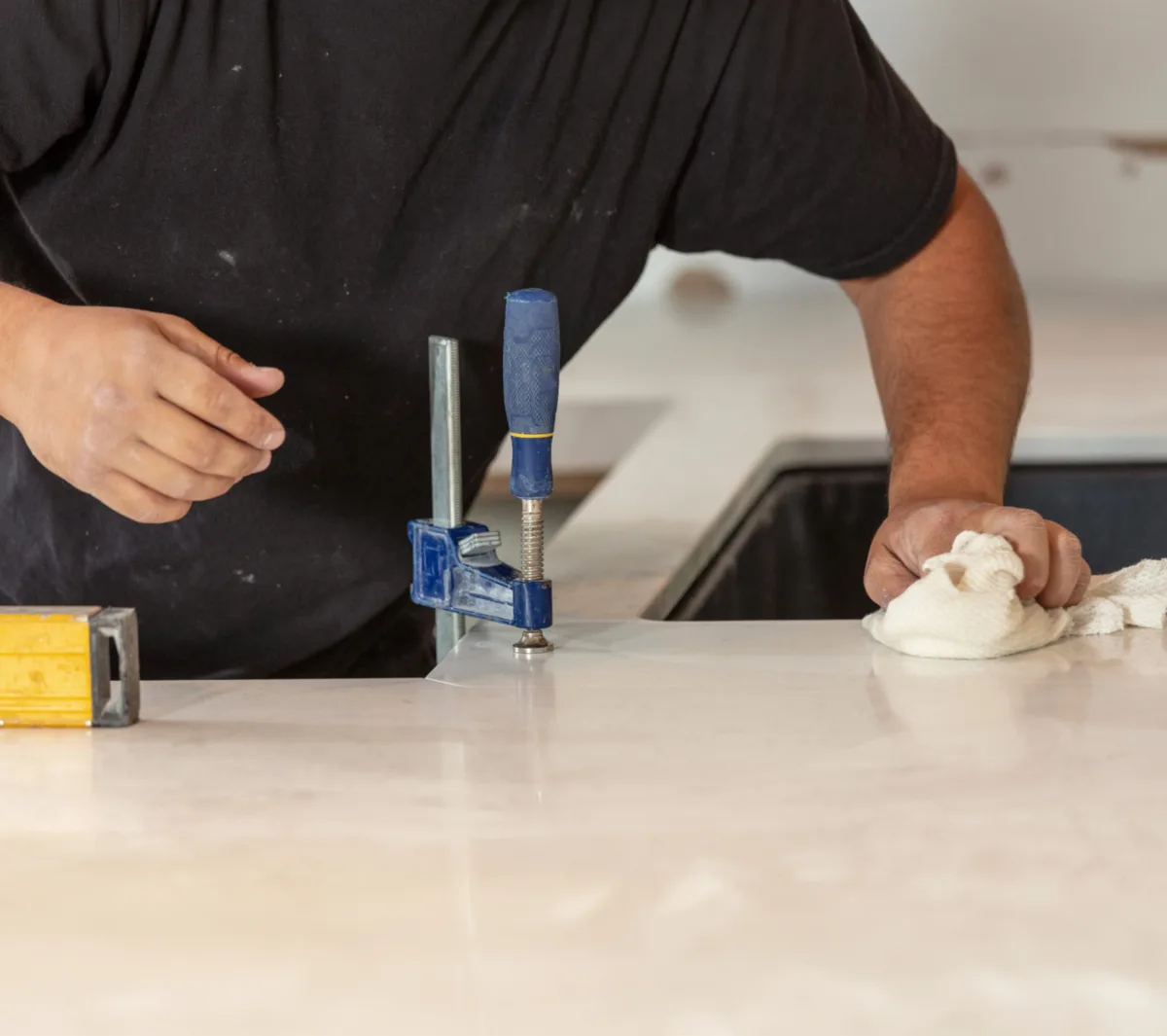
Templating happens after the cabinets are set, measured against what is actually built rather than what was drawn. In older Tampa homes, those two rarely match.

Seam placement, overhangs, edge profiles, and sink cutouts all get decided at that stage. Cabinet IQ of Tampa builds the cabinets underneath, so the counter is planned against them rather than fitted to them afterward.

Countertop installation
Learn more

Not Sure Which Material Fits Your Kitchen?

Bring your cabinet selections, your photos, or nothing at all. A designer will walk you through what each surface handles well and what it does not.

Book a free consultation

FAQs

  • Cost is priced per square foot and varies by material, slab grade, edge profile, and cutout count. Quartzite and premium granite sit at the top, quartz in the middle. Cabinet IQ of Tampa provides pricing during consultation.

  • Most kitchens fall between 30 and 55 square feet including an island. Measure counter length by depth, usually 25 inches with overhang, and add the island separately. Fabricators price from the template, not the estimate.

  • Seams land where slab size runs out, usually at sink cutouts, inside corners, or long runs past ten feet. Seam placement gets decided at templating, and it is worth asking to see the plan before fabrication.

  • Granite, quartzite, and porcelain handle direct heat. Quartz does not, since the resin binder scorches and the damage is permanent. Any surface benefits from a trivet, but quartz requires one.

  • Typically once a year, though it depends on the stone rather than the calendar. Drop water on the surface. If it darkens within a few minutes, it needs sealing. If it beads, it does not.

  • Eased and straight edges read modern and cost least. Bullnose softens the look and hides chipping. Ogee and waterfall are decorative and add cost. Thicker mitered edges are popular but require more fabrication.

  • Neither wins outright. Quartz needs no sealing and stains less. Granite handles heat better and offers natural variation. Humidity affects neither materially, so the choice comes down to maintenance tolerance and appearance.

  • Yes, if the cabinets are level, structurally sound, and the layout is not changing. Old counters rarely come off intact, and removal can damage cabinet tops, so the cabinets get inspected before templating.

  • Quartz is engineered from crushed stone and resin, so it is uniform and needs no sealing. Quartzite is natural stone, harder, heat resistant, and requires periodic sealing. The names are similar and the materials are not.

  • Not required, but the wall behind a counter takes splashes and needs a wipeable surface. A four-inch stone backsplash matches the counter. Full-height tile costs more and reads more finished.

  • Templating happens after cabinets are set, then fabrication typically runs one to two weeks before install day. The install itself is usually a single day. Plumbing reconnection follows within a day or two.

  • Standard overhang is one and a half inches. Anything past twelve inches needs support brackets or corbels, and the requirement depends on material thickness. Plan seating overhang during design rather than after templating.

  • Small chips in stone can usually be filled and polished. Cracks are harder and depend on location and material. Ask what the fabricator covers and for how long before signing, since policies vary widely.