Solid Wood vs Engineered Cabinets: How to Choose the Right Mix for Your Kitchen
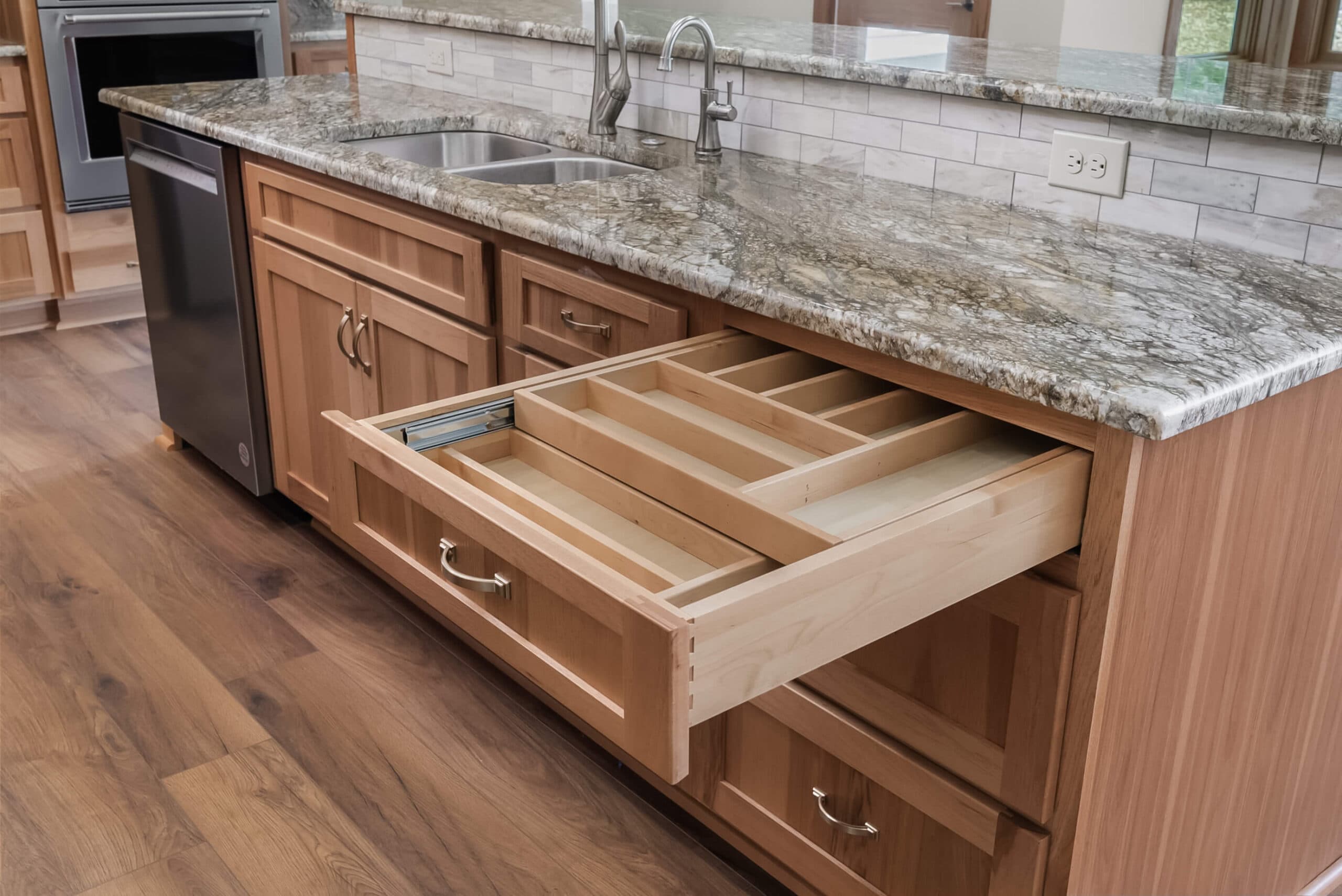
You’ve probably stood in a showroom or stared at three very different quotes and thought, “Why does one talk about solid wood cabinets, another about all-wood construction, and a third about engineered wood, and which one is actually better for my kitchen?” It feels confusing because those phrases blend marketing with real construction details, and they rarely explain what’s solid, what’s engineered, and where it actually matters day to day.
Underneath the language, the truth is that most cabinetry lines today are hybrids.
Boxes, cabinet doors, drawer boxes, and shelves can be built from different materials, such as natural hardwoods, plywood, or MDF panels, and each behaves differently under weight, moisture, and daily use.
Once you understand which material is doing which job and its durability, the maze of quotes starts to look much more logical.
By the end of this guide, you’ll know why "solid wood vs engineered cabinet" is the wrong perspective, which parts of a cabinet deserve the upgrade, and how to choose a mix of aesthetics and functionality that fits your home, your lifestyle, and how long you plan to stay.
Why Comparing Solid Wood vs Engineered Cabinets Feels So Hard
If three cabinet quotes feel like they’re written in three different languages, it’s because, in a way, they are.
Every manufacturer has its own way of describing construction, and those descriptions mix technical terms with comfort language designed to make you feel safe.
“Solid wood cabinets,” “all-wood construction,” and “furniture board” all sound reassuring, but they don’t land you at the same quality or durability level.
Behind the confusion are a few recurring issues:
- Marketing first, details second: brochures lead with comforting labels about aesthetics and design, then bury the actual box specs and details about natural hardwood and engineered wood constructions.
- Hybrid structure: even “solid wood cabinets” lines usually combine solid wood parts like face frames and cabinet door frames with engineered wood cores such as plywood or HDF panels.
- All engineered wood cores are being lumped together: High-quality plywood and low-end particleboard get talked about as if they’re the same thing, ignoring the differences in moisture resistance and longevity.
Once you separate the language from the structure, considering what the boxes are made of, how natural wood grain patterns and finishes add to the kitchen's character, and how hardware is attached, you can compare different quotes on fair, practical terms.
Understanding these elements, including cost-efficiency over long-term resale value and maintenance, helps you choose cabinets that suit both your lifestyle and desired resilience against factors like warping and VOC emissions.
What Solid Wood and Engineered Wood Cabinets Really Are
At a high level, solid wood cabinets use real lumber boards for key parts you see and touch, while engineered cabinets rely more on man‑made panels like plywood and MDF.
In real kitchens, though, most cabinet systems combine both. The question isn’t “solid or engineered?” so much as “Where is each material used, and why?”
How Cabinet Boxes are Usually Built
Cabinet boxes, the shells that hang on your walls and carry dishes, pans, and food, are almost always built from panels rather than solid wood planks:
- Plywood: Made from layered veneers with alternating grain patterns for added strength and resistance to warping, offering good screw holding and lighter weight. Plywood cores are common in engineered cabinets because of their durability.
- MDF (Medium-Density Fiberboard): Known for its ultra-flat, smooth surface, which is ideal under painted surfaces, this engineered wood product is created by breaking down hardwood or softwood residuals into fine wood fibers and then combining them with wax and resin adhesive under high temperature and pressure to form dense, durable sheets. However, it is softer at screw holes and more susceptible to moisture damage.
- HDF (High-Density Fiberboard): HDF is denser and stronger than medium-density fiberboard (MDF), making it an ideal choice for cabinetry. Its smooth, hard surface provides a uniform finish for paint or veneer, offering an alternative to solid wood cabinet construction.
- Particle Board: Also composed of compressed wood fibers, chips, and resin, this is the most cost-effective option, suitable for dry, light-duty applications, but with lower durability in terms of long-term screw holding and resistance to moisture.
Typically, panels are finished with wood veneer or decorative panels on exposed ends, ensuring a clean and natural wood appearance once installed.
Doors, Face Frames, and Drawer Boxes
The parts you interact with daily may have a different structure compared to the box:
- Face Frames and Many Doors: Often utilize solid hardwoods, such as maple, cherry, walnut, or teak wood, for strength and the natural beauty of rich grain patterns. In high-end cabinetry, these elements showcase the character and personality of the wood species.
- Paint-Grade Doors: Frequently constructed from MDF to provide crisp edges and a smooth, consistent surface for paint finishes.
- Veneered Doors: Employ engineered cores for stability with wood veneer to achieve aesthetic finishes suitable for stain-grade applications, enhancing the natural beauty.
- Drawer Boxes: Better quality lines opt for solid wood or plywood construction, while more budget-friendly options might use particleboard.
The Main Engineered Wood Families
"Engineered wood" can refer to several types of products, each with distinct characteristics:
- Plywood: Strong, stable, and versatile, perfect for cabinet boxes and shelves. Its plywood cores make it a reliable choice for resilience and long-term value.
- MDF/HDF Panels: These provide smooth, consistent surfaces ideal for painted cabinets, though they require protection against moisture.
- Particle Board: Most suited for applications not exposed to moisture or heavy loads, maintaining cost-efficiency and cost-effectiveness for budget projects.
Solid wood cabinets, entirely made of thick natural wood, are increasingly rare due to their cost, weight, and tendency to warp with humidity changes.
Modern kitchen design often embraces a hybrid structure, while reserving solid wood for visible areas where aesthetics and tactile interaction matter, and using engineered wood for structural stability and efficiency. This approach balances design appeal with functionality and long-term durability, catering to your lifestyle needs.

How Each Cabinet Material Holds Up in a Busy Family Kitchen
In a real kitchen with kids, pets, and groceries coming through every day, the question isn’t “Which material is perfect?” It’s “How does this material fail when life happens, and am I comfortable with that trade‑off?” Solid wood, engineered wood, plywood, MDF, and particleboard each have distinct failure patterns under dents, chips, and daily abuse.
Here’s how the differences show up in everyday use:
- Solid wood cabinet doors usually dent rather than chip when they’re hit. The natural wood fibers crush, so shallow marks can sometimes be steamed or sanded out, preserving their natural beauty and character.
- Painted surfaces on MDF doors look flawless on day one, but sharp impacts can chip the finish and expose a darker core, a maintenance issue that’s harder to hide with touch‑up.
- Plywood boxes hold heavy dishes and full pan drawers well because screws and fasteners bite into layered grain patterns, enhancing durability.
- MDF and particle board boxes are more likely to strip screw holes or sag if shelves are overloaded or if moisture finds its way in.
Finishes and Seals Add Extra Protection
The wood finishes and edge details are your first line of defense, no matter what’s underneath.
- A good factory finishing process is typically harder and more consistent than job‑site paint.
- Sealed edges on cabinet doors and panels slow down moisture, reducing warping, swelling, and peeling.
- The design choices in color and sheen help, too: mid‑tone, satin finishes usually hide fingerprints and small scuffs better than very dark, high‑gloss surfaces, adding to both the aesthetics and long-term value of your kitchen cabinetry.
What 10–15 Years of Everyday Use Actually Looks Like
Over a decade or more, construction quality and design details matter at least as much as whether you have engineered or solid wood cabinet cores. Most reputable cabinet lines are tested for thousands of open‑and‑close cycles, weight loading, and humidity swings.
The question should be: how gracefully do the materials age, and how easy are they to refresh when they do?
In broad strokes, you can expect:
- Solid wood cabinet doors and frames to stay structurally strong and refinishable, but to show fine joint lines on painted finishes as the wood expands and contracts with the seasons.
- Plywood boxes to hold their shape and keep screws tight unless they’re hit by a major leak or poorly installed.
- MDF cabinet doors are to stay very flat and smooth, especially for painted shaker styles, with edges and bottom rails being the first places to show steam or splash damage if they’re not protected.
- Particle board boxes perform acceptably in dry, light‑duty spaces, but are most vulnerable around dishwashers, sinks, and leaks.
Repair versus replacement is where solid wood stands out.
- A gouged solid maple, red oak, or walnut wood door can often be sanded and refinished.
- However, a chipped painted engineered wood cabinet door is more likely to be replaced if you want it to look truly new again.
That doesn’t make engineered wood “bad”. What it actually means is that you’re trading a lower upfront cost and perfectly smooth paint for a more replacement‑oriented path if damage occurs down the line.
Where It Makes Sense to Spend More, And Where You Can Save
The price gap between solid wood and engineered wood isn’t spread evenly through a kitchen. You feel the biggest jumps when you upgrade door frames and drawer fronts, box cores, and hardware.
If you’re trying to make smart decisions within a budget, the right question is, “Which upgrades actually change how my kitchen works and hold up over time?”
In many projects, the best return on investment comes from:
- Upgrading to solid wood cabinet box cores in “wet zones” (sink bases, around dishwashers, and near water lines) to stronger, more moisture‑resistant panels.
- Choosing durable factory finishes that don’t need to be repainted or touched up every few years.
- Investing in quality hinges and drawer slides so doors stay aligned and drawers glide smoothly, even when they’re fully loaded.
Here’s a quick, high‑level snapshot of common material mixes:
| Material mix | Best fit | Watch‑outs |
| Particle board boxes + basic fronts | Lowest upfront cost, light‑duty or short‑term | Weakest in water resistance and screw support; shorter expected lifespan. |
| Plywood or similar boxes + MDF painted fronts | Midrange projects with smooth painted looks | MDF edges and sink bases need careful sealing against water. |
| Plywood or similar boxes + solid wood cabinet doors and fronts | Long‑term family kitchens | Higher upfront cost; painted solid wood can show fine joint lines. |
| All‑wood construction with upgraded hardware | “Forever kitchen” and premium homes | Worth it if you’ll enjoy and maintain it for many years. |
You don’t have to buy the most expensive option to get a great kitchen.
Matching the cabinet build to how long you plan to stay in the home, how hard your household is on the space, and what kind of maintenance you’re comfortable with will usually unlock better value than simply chasing the “solid wood furniture” label.

Why Climate, Humidity, and Indoor Air Matter More Than Labels
Wood fibers don't stop responding to their environment just because they're part of a cabinet door.
Over time, temperature and humidity swings will move solid wood cabinet bases more than engineered wood, which is why stability often comes more from design choices and climate than from marketing names.
Solid boards expand and contract across the grain as indoor humidity changes. In a kitchen, that movement shows up around:
- Appliances that throw heat or steam, like dishwashers and ovens.
- Exterior walls and big windows, where temperatures swing the most.
- Wide center panels on doors have more room to move.
Engineered wood panels dial that movement back: plywood’s cross‑laminated layers help boxes stay square, and MDF or HDF move more uniformly and modestly, which is why they’re popular in painted doors that need to stay flat.
Climate and Ventilation Change Your Risk Profile
In a well‑sealed, climate‑controlled home, solid doors and frames usually behave well as long as they’re designed correctly.
In hotter, more humid regions or in homes without consistent heating and cooling, leaning on engineered cores for boxes, and sometimes for doors, can keep reveals even and doors aligned over the long term.
Modern composite panels are also designed to meet strict low‑VOC emission standards, which has significantly reduced concerns about indoor air quality compared with older generations of materials.
How to Mix Solid and Engineered Wood Materials for the Best Overall Result
In real projects, the highest‑performing kitchens almost always blend solid and engineered wood, using each material where it does its best work. Instead of arguing for one side, a good designer quietly builds a “hybrid” that gives you stability, beauty, and value in the same package.
A pattern many homeowners are happy with often looks like this:
- High‑quality engineered wood cabinet boxes for stability, screw holding, and moisture resistance in the structure.
- Solid wood or MDF doors and drawer fronts chosen to match the finish, solid or veneered wood for stains, and MDF for ultra‑smooth paints.
- Solid wood or plywood drawer boxes in heavy‑use zones, paired with soft‑close, full‑extension slides.
From there, you tune the mix to your priorities: a busy family might emphasize tougher finishes and stronger boxes in wet areas; a design‑driven project might lean on MDF for the cleanest painted profiles; an eco‑focused home might prioritize certified solid wood faces and low‑emission cores.
At Cabinet IQ, all of our wood cabinet construction follows this kind of logic behind the scenes, so you’re not choosing between beauty and performance; you’re getting a thoughtful balance of both.
How To Read a Cabinet Quote Without Getting Lost in Jargon
Once you know the basics, the next challenge is making sense of actual proposals. Two quotes can use almost identical language and yet hide very different construction choices.
A third can sound completely different but offer similar quality.
The fastest way to cut through that is to translate a few key phrases and ask consistent questions, so every quote has to answer to the same standard.
When you’re reviewing a proposal, focus on these areas first:
- Box construction: What panel material is used for sides, backs, and shelves? Are they solid wood, plywood, or engineered wood, especially in moisture-prone areas like under sinks and around appliances?
- Doors and drawers: Are the fronts made of solid wood, wood veneer over a plywood core, or MDF? Explore the durability, grain patterns, and natural beauty that different wood species, such as maple, red oak, or cherry, can offer for your cabinet doors.
- Hardware and finish: Are hinges and slides soft-close, and is the finish a durable factory process, face frame design, or a field-applied paint that enhances the wood finishes? Consider how these factors affect the aesthetics and long-term value.
Then, ask your designer or cabinet supplier to walk you through one sample cabinet as if you were looking at it in cross-section.
A few clear questions will quickly show you whether different quotes are truly comparable or if one is quietly cutting corners you'd rather avoid.
A good partner will welcome those questions and answer them in plain language, offering insights into cost-effectiveness, ecological footprint, and durability standards.
When You Want a Clearer Way Forward for Your Kitchen
Choosing between solid vs engineer cabinets is really about choosing how you want your kitchen to look, feel, and perform over time.
Once you understand what’s happening inside the boxes, doors, and hardware, you’re no longer reacting to labels; you’re making deliberate decisions about stability, durability, and value in the context of your home and your timeline.
If you’d like help mapping those trade‑offs to your own floorplan and budget, a short design conversation can save you a lot of second‑guessing.
At Cabinet IQ, our quality cabinet construction, soft‑close hardware, and guided Learn‑Design‑Install process are built to give you that clarity. You can walk through a showroom, open real doors and drawers, compare material options side by side, and leave with a cabinet plan that feels tailored to how you live, not just a stack of confusing quotes.