How to Live Through and Survive a Major Kitchen Remodel
A kitchen renovation is one of the most rewarding upgrades you can make to your home, but it also happens to be one of the most disruptive. Kitchen remodels impact how you cook, clean, eat, and even move through your house. And while the end result, a kitchen makeover that brings your space into the […]
By Jan Rutgers
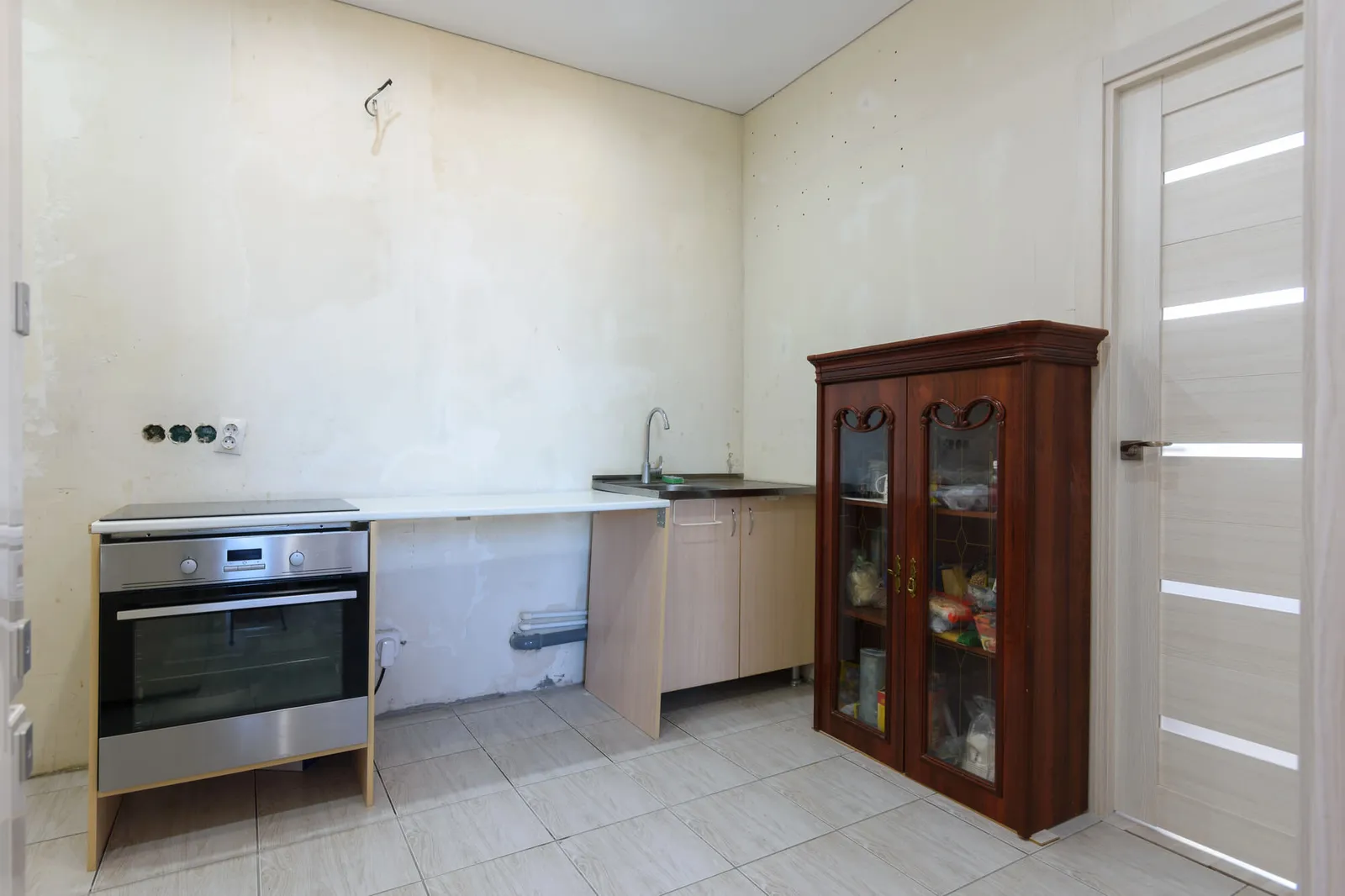
A kitchen renovation is one of the most rewarding upgrades you can make to your home, but it also happens to be one of the most disruptive. Kitchen remodels impact how you cook, clean, eat, and even move through your house. And while the end result, a kitchen makeover that brings your space into the modern era, can be worth every penny, living in your home during the remodeling process is no small feat.
From construction work and noise to dust, delays, and limited access to key appliances, the process can quickly become overwhelming. But with some practical preparation and a few creative strategies, surviving a kitchen remodel doesn’t have to feel like an endurance test. Whether you’re planning a full kitchen extension, a countertop replacement, or a complete home renovation, knowing how to organize your life around the chaos will help you stay sane, and maybe even enjoy the ride.
Let’s walk through the best ways to survive a major kitchen remodel, from setting up a temporary kitchen to minimizing stress and staying organized while your dream kitchen takes shape.
Understand the Disruption You’re About to Experience
No matter how well you plan your kitchen renovation, the truth is this: your daily routines are going to be flipped upside down. The kitchen is the heart of most homes, and removing access to it affects nearly every aspect of daily life.
Expect temporary loss of:
- Your sink, refrigerator, dishwasher, oven, and countertops
- Your usual grocery shopping and food storage routines
- Noise-free spaces for work or family time
Depending on the scope of your remodel, you may lose access to your kitchen for weeks or even months.
Kitchen remodels that involve a full demo, custom cabinetry, or rerouting plumbing and electrical for new appliances and sinks often take longer than expected.
Dust from construction materials, off-limits zones sealed with drop cloths or tarps, and the sound of drills and saws will become part of your everyday life.
You’ll also need to adjust mentally. The remodeling process can bring on stress, fatigue, and “decision burnout”—especially if you’re managing material choices or layout questions mid-project.
Don’t underestimate the emotional toll that living in an active remodel zone can have on you and your family.
Set Up a Temporary Kitchen Space
A well-planned temporary kitchen is essential for surviving a kitchen remodel without resorting to nightly takeout or cold cereal for weeks. Think of it as a functional “pop-up.” makeshift kitchen that gives you just enough capability to prepare simple meals and stay organized.
Choose the Right Location
Select a space that’s away from dust and noise but still accessible, like a loft, garage, spare bedroom, or dining room. Lay down a plastic tablecloth or drop cloths to protect surfaces from spills or damage. If power and water access are limited, be realistic about what kind of cooking and cleanup you can manage.
If you’re remodeling during colder months or in a tight layout, proximity to a sink (like a bathroom sink or laundry sink) or trash can matters. You don’t want to carry dishes through a construction zone.
Essential Equipment and Small Appliances
Gather these basic tools to keep meal prep simple and safe:
- Toaster oven, microwave, or air fryer
- Camp stove or instant pot (with proper ventilation and fire safety)
- Freezer organizers, storage containers, and bins for food storage
- Paper goods like paper plates and plastic silverware to reduce the need for washing dishes
- Folding table or plywood counter surface
- A bin for trash and recycling
Stock your temporary cooking space with a few multi-use kitchen accessories (measuring cups, cutting board, utensils) and store them in labeled bins or drawers for easy access.
Organization and Cleanliness
- Set up a cleaning station with a dish bin and dish soap, plus sanitizing wipes to keep your prep area safe.
- Use a checklist to ensure you’ve stocked essential items and post it on a bulletin board near your setup.
- A separate bin for clean utensils, another for used ones, and sealed containers for snacks will help keep everything under control.
Plan a Realistic Cooking and Meal Strategy
Once your temporary kitchen setup is in place, the next challenge is figuring out how to eat every day for the next few weeks or more. A well-thought-out meal plan can help reduce stress, boost your energy, and prevent you from falling into the constant takeout trap.
Plan Ahead and Think Simple
Before demo begins:
- On a weekend, prepare and freeze meals you can reheat in a toaster oven, microwave, induction hot plate, slow cooker, or crock-pot. Soups, pasta bakes, and breakfast burritos all freeze well and can be stored with freezer organizers or labeled plastic containers for easy access.
- Having a small discretionary food fund set aside for meals out or delivery will also reduce friction when cooking just isn’t possible.
Budget for this as part of your renovation, not as a surprise cost.
Embrace No-Cook and One-Pot Meals
Rely on low-maintenance staples like:
- Rotisserie chicken with pre-chopped salad
- Sandwich kits with cold cuts and condiments
- One-pot meals using a camp stove or electric skillet
- Fresh fruit, granola bars, and instant oatmeal for breakfast
Use pantry bins to organize food storage and avoid cluttering your temporary cooking space. Keeping snacks, ingredients, and utensils easy to grab will streamline every meal.
Schedule Grocery Trips Strategically
Grocery shopping becomes trickier when you’re working with minimal cold storage and food prep space. So:
- Shop more frequently
- In smaller quantities
- And avoid bulk frozen items that won’t fit in a limited freezer.
Pre-chopped produce, microwaveable rice, and pre-marinated proteins save time and mess.
Opt for food that doesn’t require rinsing or long prep steps, especially when your sink and countertop access are limited.
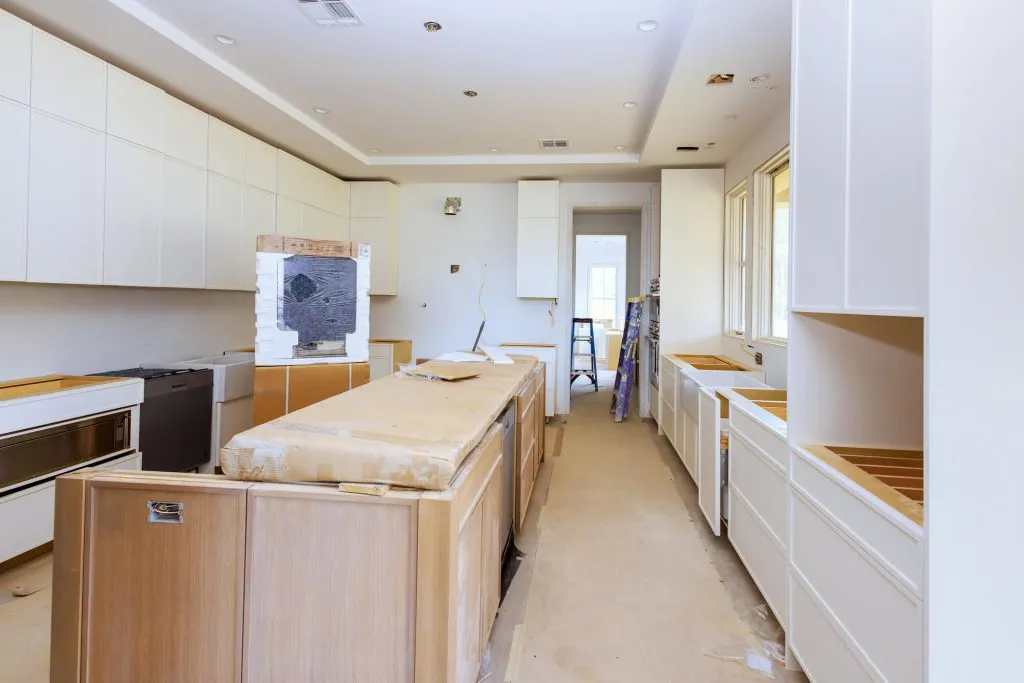
Communication Is Key: With Contractors and Your Family
Even the most meticulous planning can go off the rails if communication breaks down, especially during a major kitchen renovation that affects your entire household. Staying in sync with your contractor and your family will help reduce daily friction and avoid misunderstandings.
Coordinate the Remodel Timeline
Sit down with your remodeler or general contractor before work begins and walk through a weekly timeline. Ask questions like:
- When will the kitchen sink, oven, refrigerator, or dishwasher be disconnected?
- On which days will noisy construction work take place?
- When will you lose access to electricity or water in certain zones?
Having a realistic schedule, even one that may shift, is better than being surprised mid-week when the countertops are suddenly removed or the appliances are pulled.
Request regular updates via email or text and track important dates on a bulletin board or calendar in your temporary kitchen zone.
Keep Your Household Informed
Everyone in your home will be affected by the remodeling process.
Make sure each family member knows where to find basic supplies, what zones are off-limits, and how long the remodel is expected to last.
For families with children:
- Create “safe zones” away from dust and construction materials
- Use visual reminders (signs, tape) to mark blocked-off areas
For households with pets:
- Limit access to loud areas or loose debris
- Make sure they have consistent feeding areas and rest zones
Set expectations early because this isn’t business as usual, and adjusting schedules around the renovation will reduce stress across the board.
Budget for More Than Just Construction Costs
While most homeowners focus on the big-ticket items—cabinetry, countertops, appliances—it’s the hidden and auxiliary costs that often catch people off guard.
Building a realistic budget for surviving a kitchen remodel means accounting for the full experience, not just the visible changes.
Expect to spend extra on:
- Dining out or food delivery when cooking isn’t possible
- Small appliances like a camp stove, toaster oven, portable utility sink, or air fryer
- Temporary storage containers, plastic bins, and freezer organizers
- Cleaning supplies to control dust and protect surfaces
If your remodeling timeline extends, these costs can add up quickly. Creating a discretionary food fund or emergency buffer within your budget helps prevent financial stress.
Expect the Unexpected
Delays, material changes, and scope adjustments are common in kitchen remodels. You may need to accommodate:
- Permit fees, electrical changes, or gas line relocations
- Upgrades to insulation, flooring, or outdated plumbing
- Reordering damaged or incorrect materials, like lighting or backsplash tile
Small comforts also matter: noise-canceling headphones, a folding table for prep, or extra tarps to keep bedrooms clean.
Build these into your plan from day one.
Stay Organized and Minimize Stress
Keeping your household functional and your mind focused during a kitchen renovation requires both physical organization and emotional flexibility. Creating structure in your temporary chaos helps you feel more in control.
Create Designated Zones
Assign zones for key activities and storage:
- Food prep area with compact appliances and cooking utensils.
- Dishwashing station with a water source and drying mat. Portable utility sinks are ideal for this purpose.
- Snack drawer or pantry bin with easy-access items for kids.
- Use stackable bins, labels, and rolling carts to keep everything visible and portable.
- Declutter anything that isn’t essential, and store away extra kitchen accessories until the remodel is complete.
Use Visual Tools to Track Progress
Hang a printed timeline or checklist on a bulletin board to show where you are in the process.
Include expected completion dates for major milestones like:
- Demo and removal of old cabinets and countertops
- Rough plumbing and electrical work
- Delivery and installation of new cabinetry, sink, and appliances
- Final touches like backsplashes and lighting
Crossing items off as they’re completed can help you visualize progress and stay motivated.
Embrace Tech for Tracking and Coordination
Digital tools can make the remodeling process more manageable:
- Store receipts, invoices, and contractor notes in a shared Google Drive folder
- Use email threads to document conversations and approvals
- Project management apps like Trello or Notion can help track to-dos, changes, and timelines
The more centralized your information, the easier it is to stay calm, even when issues arise.
Be a Good Neighbor During Your Remodel
Kitchen remodels don’t just affect your family, but also affect your neighbors, especially in tight communities or multi-unit buildings. A little communication and courtesy can go a long way in keeping the peace during construction.
Let your neighbors know:
- When will demo and construction work begin
- Expected working hours and how long the project may last
- Which contractors will be parking on the street or in driveways
Even a quick note or email shows that you respect their space, and can help head off complaints.
Control Dust, Noise, and Debris
Ask your remodeler how they plan to manage:
- Dust barriers (tarps, zip walls)
- Trash and recycling removal
- Noise mitigation during early mornings or weekends
If your remodel involves shared walls or close proximity, consider offering a small gift (like a coffee gift card) as a gesture of appreciation.
Be Responsive and Respectful
If a neighbor mentions a concern, such as excessive noise, debris in a shared area, or contractor behavior, respond quickly and respectfully. It’s better to over-communicate than to ignore the issue.
Expect (and Accept) the Unexpected
Even with the best planning and most experienced remodelers, surprises are part of the remodeling process. Materials arrive late. A backsplash tile might crack. The wrong faucet might get shipped. Or a city inspection could stall progress for days.
Here’s how to mentally and practically prepare:
- Build buffer time into your remodel schedule (add at least 15–20%)
- Understand that a demo can reveal issues behind walls, old plumbing, bad wiring, or mold
- Accept that small mistakes happen, and focus on solutions rather than setbacks
Flexibility is your greatest asset during a renovation. If something goes wrong, and something usually does, trust your contractor to resolve it and keep the project moving forward.
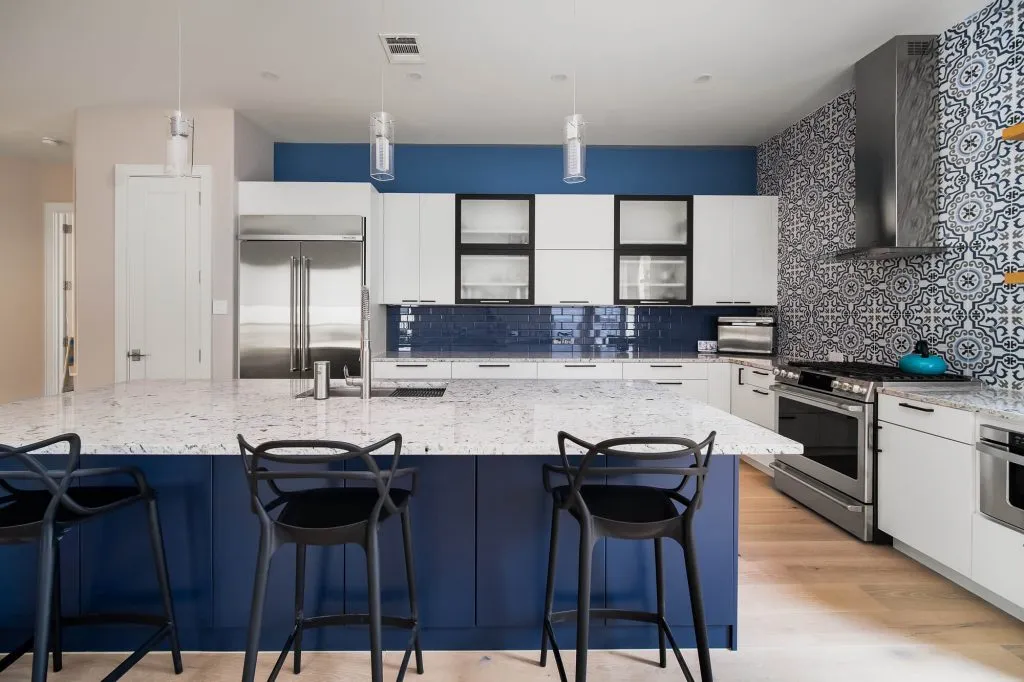
When It’s Over: Reclaim and Celebrate Your Kitchen
After weeks of construction noise, takeout meals, and relying on temporary kitchen ideas or even a makeshift kitchen setup in another part of the house, the moment finally arrives. The last drawer glides shut, the final countertop is secured, the refrigerator is humming in place, and your appliances are fully installed. Your kitchen makeover is complete.
Now it’s time to breathe again. Your new kitchen isn’t just ready for cooking — it’s ready to bring life back into your house.
Deep Clean and Reset Your Space
Even if your contractor or construction crew has completed a final cleanup, one of the most important renovation tips is to personally go over the space yourself. Fine dust from construction can settle inside kitchen cabinets, along the countertop edges, and behind appliances.
Take time to:
- Wipe down all kitchen cabinets, countertops, backsplashes, and lighting fixtures
- Clean inside drawers and storage areas
- Vacuum vents and corners using a microfiber cloth or a vacuum with a HEPA filter
- Sanitize appliances, including the refrigerator interior before restocking
This final reset helps remove lingering construction dust and gives you full confidence that your new kitchen is truly ready for everyday use.
As you begin reorganizing, think intentionally about how you want the space to function. Rework your cabinet zones to support better cooking flow. Store utensils near prep areas, place pantry goods logically, and group small appliances where they’re easy to access but not cluttering your countertop.
Avoid rushing this step. After relying on temporary kitchen ideas or a makeshift kitchen during renovations, unpacking thoughtfully restores a sense of order, control, and ownership in your house.
Reconnect Emotionally with the Space
A kitchen makeover isn’t just a physical upgrade — it’s an emotional transition. You’ve spent weeks or months navigating dust, delays, scheduling with your contractor, and daily disruption. Now it’s time to shift from survival mode back to enjoyment.
Ease back into the space by:
- Cooking a favorite meal, even something simple
- Lighting a candle or bringing in flowers to soften the environment
- Inviting close friends or neighbors over for a relaxed meal
- Hosting a casual “reveal” gathering to celebrate the finished project
Cooking in your newly renovated kitchen for the first time is a milestone. The layout works. The appliances function beautifully. The countertop gives you space to prep comfortably. The refrigerator is finally stocked again. The chaos of construction is behind you.
You’ve earned this moment. Slow down and enjoy it.
Final Walkthrough and Ongoing Maintenance
Before fully closing the chapter, schedule a final walkthrough with your contractor. This is one of the most overlooked but essential renovation tips.
During the walkthrough:
- Confirm all appliances are functioning correctly
- Check cabinet doors and drawers for smooth alignment
- Inspect the countertop installation and sealing
- Test lighting, outlets, and ventilation
- Address any remaining punch-list items
Be sure to register warranties for appliances and fixtures, and ask for maintenance recommendations specific to your kitchen cabinets, countertop materials, and specialty finishes.
It’s also wise to document your kitchen makeover with before-and-after photos. These are valuable for resale listings, insurance documentation, or simply as a reminder of how far your house has come.
Now that construction is complete and your contractor has wrapped up the project, your focus can return to what the kitchen is truly for — gathering, cooking, connecting, and making memories.
After all the planning, disruption, and hard work, your new kitchen isn’t just renovated. It’s reclaimed.
Ready to Survive Your Remodel Like a Pro?
A great kitchen starts with a great plan and a partner who understands how to minimize disruption while maximizing design.
Schedule a consultation with Cabinet IQ today and take the first step toward a kitchen remodel that doesn’t just look amazing but feels manageable from start to finish.