How to Tell If Cabinets Are High Quality: A Kitchen Cabinet Buyer's Checklist
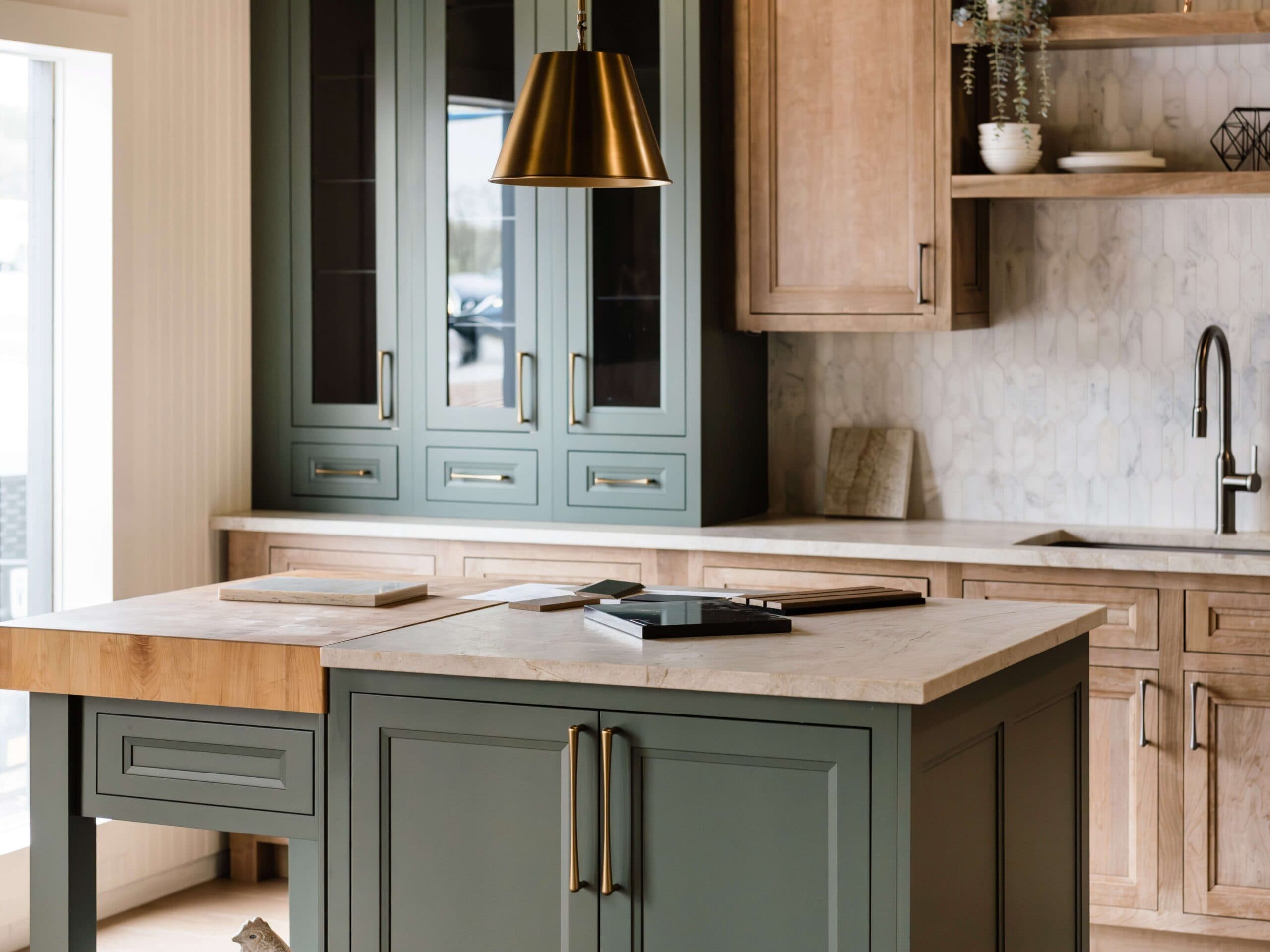
High-quality kitchen cabinets are the ones with a rigid box, dependable hardware, and a durable finish, not just a pretty door. You can walk through three different showrooms, see three “beautiful” kitchens, and still have no idea which cabinets will start sagging, chipping, or sticking a few years after you move in. Almost everything looks good in a showroom.
The real test is how those boxes, hinges, and finishes hold up to kids, cooking, steam, and cleaning year after year.
Marketing terms like “premium,” “all wood,” or “custom” don’t tell you much about the box behind the door, the joinery you can’t see, or the safety of the materials in your home.
In this guide, you'll learn how to tell if the kitchen cabinets being offered are high quality, including which cabinet construction details to check, which materials and hardware actually last, and how to stress-test cabinets and compare quotes without getting misled by pretty doors alone.
How Buyers Can Misjudge Cabinet Quality
Too many buyers misjudge cabinet quality because they focus on what’s easiest to see: the cabinet door style, color, and price.
However, the real differences lie in the box, hardware, and finish. That’s why two kitchens can look similar on install day, but age very differently once daily life hits.
Three blind spots cause most regret:
- Looks over structure: Styles and colors steal attention while thin boxes, weak backs, and light-duty shelves slide by unnoticed.
- Trusting vague labels: Words like “all wood” or “premium” sound reassuring but don’t reveal thickness, core type, or joinery.
- Assuming bids are apples to apples: Two quotes can list “soft-close, all-wood construction” yet hide big gaps in box strength and hardware grade.
Once you recognize these patterns, you stop relying on marketing claims and start looking for proof you can see, touch, and test.
The Core of Quality: How Kitchen Cabinets Are Actually Built
A rigid, quality cabinet box comes from thick, stable panels with a real back and solid joinery.
When the box is flimsy, doors sag, drawers rattle, and fasteners loosen, no matter how nice the cabinet door or frame style looks.
What to Look for in the Cabinet Box
Professionals start by reading the box, not the door. In a showroom, open a base cabinet and look closely:
- Sides, top, bottom: Panels should feel substantial, not spongy or flexible. Thick plywood or dense engineered particle board holds screws and resists twisting.
- Cabinet back panel: A full-height back panel captured in grooves or firmly screwed in is far stronger than a thin sheet stapled around the edges.
- Hanging rails and fasteners: Wall cabinets should have solid rails and multiple screws at each stud, not a couple of fasteners into a flimsy back panel.
In terms of the frames, both framed and frameless cabinets can be excellent.
Framed cabinets rely on a solid front frame; frameless cabinets rely on thicker sides and precision hardware. If you're shopping online or from samples, ask the designer to confirm box thickness, back panel construction, and mounting details. A cabinet box that flexes easily is a red flag.
How to Spot a Well-Built Drawer Box
Next, pull a drawer all the way out. A quality drawer box usually has:
- Interlocking joints: Dovetail joints or other mechanical joints at the corners, not just staples into end grain.
- A captured bottom: The bottom panel sits in grooves on all four sides, so it can’t drop out under added weight.
- A solid feel when extended: When you lift slightly and push side to side, the drawer box should stay square instead of wobbling.
In real projects, drawers are often the first place weak construction shows up. If a drawer feels flimsy in a showroom, it won't improve once it's loaded with everyday use.
At Cabinet IQ, we often see homeowners comparing cabinet lines that look similar but differ significantly in construction quality, only to be attracted by the price. Reviewing cabinet box construction, how a drawer glides open or closes, hardware, and warranty details often reveal meaningful differences beneath the surface.
Which Cabinet Materials Actually Hold Up in Real Kitchens?
Quality kitchen cabinets that hold up to real use usually combine a stable, full plywood, solid-wood, or high-grade engineered particleboard box with doors and finishes built to tolerate movement, moisture, and repeated cleaning. The right mix depends on how hard you are in your kitchen, but the goal is the same: cabinet boxes and shelves that don’t sag, and doors and finishes that don’t crack, peel, or swell.
Box and Shelf Materials
For boxes and shelves, you want strength and screw-holding power:
- Plywood or high-grade engineered particle board: These are usually the safest bets for sink bases, dish storage, and pantries.
- Reasonable thickness: Thin, bendy panels are more likely to bow and let fasteners loosen over time.
- Well-supported shelves: Sturdy shelf pins or supports plus adequate thickness so shelves don’t bow under dishes.
A quick test: press lightly in the center of a shelf. If it deflects with almost no pressure, imagine it loaded with dinnerware. Modern engineered panels can be excellent or very cheap; later, when you ask about certifications, you’ll get a better sense of which category you’re looking at.
Doors, Fronts, and Finish Quality
For cabinet doors and drawer fronts, durability comes from how materials handle movement and wear:
- Painted doors: Often built with solid wood frames and engineered particle board center panels to reduce cracking at joints and give a smooth paint surface.
- Stained solid wood doors: Show off grain and species; look for sound frame-and-panel construction that can handle seasonal humidity.
- Veneers and laminates. High-quality veneer over a stable core or modern laminate can be very tough and moisture-resistant, especially on flat-panel designs.
Finish is your first line of defense. A good factory finish is typically a multi-coat, cured system that stands up to spills, steam, and cleaning. Run your hand along edges and profiles; they should feel smooth and even, with no rough spots, runs, or sharp edges. In busy households or rentals, it’s worth choosing finishes and colors that hide minor wear and are easy to clean, even if that means skipping the most delicate textures.
Hardware, Hinges & Slides: The Hidden Engine in Your Cabinets
High-quality hardware moves smoothly, stays aligned, and can be adjusted years later when your home shifts. Hardware is the part of cabinet quality you feel every single day.
Designers and installers quickly judge a line by how doors and drawers move, because that’s where a lot of cheaper products give themselves away.
Start with the cabinet hinges. Open and close a door a few times:
- The movement should be smooth, with no grinding or side-to-side wobble.
- Soft-close hinges should catch the door and pull it in gently, not slam or bounce.
- Screws should feel snug, with visible adjustment screws so doors can be re-aligned over time.
Then test the drawer slides (also called drawer glides or drawer runners). Pull a drawer all the way out. On quality cabinets, the slides should give you full-extension drawers so you can see and reach everything, which is why they are also known as full-access drawers.
They should feel smooth and steady, not gritty, shaky, or bouncy.
Many higher-end cabinet lines use hardware from manufacturers such as Blum, Hettich, and Grass because of their durability, adjustability, and long-term parts availability. While the hardware brand alone doesn't determine cabinet quality, it can be a useful clue when comparing similar cabinet lines.
Pay attention to three things:
- Load capacity: A drawer should feel like it can handle heavy pots and stacks of plates without protesting.
- Adjustability: Quality drawer runners and hinges let an installer fine-tune alignment now and again, years later, if your home settles.
- Specialty hardware: Pull-outs, corner units, and tall pantries should glide and stay stable, not wobble or bind.
If you only have time to test two details in a showroom, make it one drawer and one door on full hardware. Your hands will tell you a lot about how those cabinets will feel after thousands of uses, and if you’re unsure, you can always ask which hardware grade or brand is being used as a tie-breaker between lines.
Do Cabinet Certifications and Standards Actually Matter?
Construction and hardware are the feel of quality; certifications and standards are the paper trail that shows a manufacturer is building to modern expectations, not just style.
For materials and emissions, ask which standards the cabinets meet. Many cabinet cores today must comply with strict formaldehyde emission limits for healthier indoor air. You don’t have to memorize codes, but you do want a clear answer that shows the manufacturer is following current rules, not just aiming for the bare minimum.
For performance and durability, some lines are tested by independent labs that:
- Cycle cabinet doors and drawers thousands of times.
- Load shelves and boxes to simulate real use.
- Expose finishes to heat, cold, and household chemicals.
If a manufacturer can say, in plain language, that a line passed recognized performance tests, that carries more weight than a vague “premium” claim.
For warranties, length and clarity both matter. A long, straightforward warranty on the box, hardware, and finish suggests the company expects the product to hold up in real homes.
Short or heavily qualified warranties are a cue to look closer. When you can, ask for this information in product literature or email so you have something to refer back to when you compare lines.
These three questions give you most of what you need without becoming a building-code expert:
- Which emission and performance standards do these cabinets meet?
- Is that certification for this specific line, or just for the brand overall?
- How long is the warranty on the box, hardware, and finish, and what is actually covered?
Another useful question to ask is whether the cabinet line has been independently tested to recognized industry standards.
For example, some manufacturers participate in the Kitchen Cabinet Manufacturers Association (KCMA) or the National Kitchen & Bath Association (NKBA) certification programs, which evaluate cabinet durability, structural performance, and finish quality under standardized testing conditions.
Certification should be viewed as one data point, not a guarantee of quality, but it can help separate verified performance from marketing claims.
A Ten-Minute Showroom Stress Test for Any Cabinet Line
A quick, hands-on stress test in the showroom is often the fastest way to confirm whether a cabinet line lives up to its brochure. Think of it as doing what a good installer would do in a fraction of the time, so you’re not buying blind.
Here’s a simple cabinet quality checklist you can run in about ten minutes:
- Check the cabinet box: Open a base cabinet, press gently on the sides and back, and look for a full-height back panel. The box should feel rigid, not spongy.
- Inspect shelves: Shelves should be reasonably thick, on sturdy supports. Press lightly in the middle; they shouldn’t bow with no weight on them.
- Test a drawer: Pull it all the way out, lift slightly, and push side to side. A solid-wood drawer box stays square and glides smoothly.
- Open and close doors: Cabinet doors should swing smoothly, stay put when open, and close without slamming. Soft-close mechanisms should catch the force reliably.
- Scan the finish: Look closely at corners, profiles, and edges for smooth, even color and sheen, with no rough spots or exposed raw edges.
- Step back: Stand at eye level and look along a run of cabinets; gaps around doors and drawers should be consistent and even.
Take quick notes on your phone for each line you test. Those notes become a personal scorecard when you sit down to compare quotes later.
If you’d rather walk through this checklist with a designer who does it every day, you can bring your notes into a Cabinet IQ showroom and have someone stress-test a few lines with you in person, at your pace.

How Do You Compare Two Kitchen Cabinet Quotes Side by Side?
To fairly compare two kitchen cabinet quotes, focus on matching the scope, aligning construction details, and filling in any vague or missing specifications. Knowing how to tell cabinets are high quality starts with understanding what's really behind the price tag.
Two quotes for kitchen cabinets might use similar language, terms such as "all-wood construction," "soft-close hardware," or "premium finish," but could represent distinctly different quality cabinets and finishes. Carefully comparing them requires understanding the materials and craftsmanship behind the marketing to determine which offers genuine kitchen cabinet quality and value, rather than just aesthetic appeal on a showroom floor.
Here's a practical approach:
- Match Scope First: Ensure both quotes include the same kitchen layout, number of cabinet boxes, doors, styles, face frames (if applicable for framed cabinets), accessories, and installation details. Whether dealing with custom cabinets, semi-custom cabinets, or stock cabinets, having a consistent baseline helps you assess quality. Custom sizes can also affect the comparison, since a cabinet maker offering true custom sizes is working with a different scope than a big box stores option built to standard dimensions. Adjustments can be made in one-inch increments for cabinet sizes with many quality cabinet lines, which matters if you're trying to maximize storage in an awkward layout or around a corner cabinet.
- Line Up the Specifications: For each line, verify the box material, such as solid hardwoods, plywood, particleboard, or engineered material options like medium density fiberboard or furniture board. Also, check the cabinet door thickness, drawer boxes (favoring dovetail joints or others), hardware, including the drawer glides, whether they're side mounted glides or full-extension, soft-close dampers, cabinet door hinges, as well as finish systems such as wood veneer or a grey stain over real wood. Consider high-end cabinet options like solid maple or cherry wood boxes, pull-out shelves for stronger quality standards, and better resale value. Request specifications beyond marketing terms to evaluate quality accurately, since two quotes can describe cabinet face frames or soft close drawers in ways that sound identical but perform very differently in daily use.
- Highlight Unknowns: Any "TBD," "builder's grade," or vague aspect deserves a question mark until clarified in writing. Be it the quality of finishes, door styles like mullion doors, partial overlay versus full overlay construction, the durability of frameless cabinets vs. framed ones, or the details around any lifetime limited warranty, ensure all specifications are clear.
Once you've matched scope and filled in the blanks, you'll discern if a lower price reflects genuine efficiency or compromised elements that impact everyday use, and whether the boxes begin with quality materials or cut corners where you can't easily see them.
For those facing two seemingly "similar" bids and seeking a deeper understanding of good quality kitchen cabinets, consulting with a knowledgeable designer can help translate the specs. Expertise here ensures you choose the right options, balancing design, durability, and kitchen cabinet craftsmanship, without guesswork, and without settling for a local guy who can't answer detailed construction questions.
When partnering with Cabinet IQ, their expert designers can walk you through multiple quotes line by line and translate the specs into plain English so that you can decide with confidence instead of guesswork.
Price, Trade-Offs & Your Cabinet Quality Checklist 2.0
Quality in a kitchen remodeling project isn't all-or-nothing.
It's about deciding where to prioritize strength and where to make trade-offs, since a significant investment like new cabinetry deserves more than a quick look at surface finish. Pros often think of cabinets in three layers from first to last:
- Bones: the box, back, and shelves. If these are weak, nothing else makes the cabinets feel solid. Inspect cabinet boxes for solid construction rather than thin particleboard, and look for multiple layers of quality materials rather than a single thin panel standing in for real strength.
- Engine: Hinges, slides, and drawer boxes. Upgrading here usually improves daily life more than extra glass doors or trim. High-quality drawers have full-extension glides for complete access, and drawers with solid wood or high-quality plywood indicate better cabinet quality overall.
- Skin: Door style, color, glass, and decorative details. These matter for aesthetics, but don't fix structural shortcuts underneath.
When you're deciding where to invest, it helps to separate warning signs from reassuring cues.
Warning Signs of Subpar Quality Cabinets
- Box and back: Thin sides and a flimsy, tacked-on cabinet back panel that flexes or feels loose, often furniture board rather than plywood dressed up to look the part.
- Drawers and hardware: Stapled boxes on partial-extension slides that wobble or feel gritty when you open them. Over time, hinges work loose and drawers become rattly drawers that no longer glide the way they did when new, which generates extra costs down the road when parts need replacing.
- Finish: Rough edges, uneven sheen, or spots where raw material peeks through at corners or profiles, along with wonky frames and drooping doors that never quite closed right in the first place.
- Certifications and warranty: Vague marketing claims and short, heavily limited coverage that's hard to understand.
Stronger Signs Cabinets Meet or Exceed Expectations:
- Box and back: Thick panels with a full reinforced back panel that's locked into grooves or firmly fastened. I-beam construction adds long-term strength to cabinets, and i beam construction in the box itself is one of the clearer signs you're looking at premium cabinets rather than a builder-grade line.
- Drawers and hardware: Interlocking mechanisms, like mortise and tenon joints, on full-extension slides with a steady, smooth glide even when fully open. Adjustable soft-close hinges provide better door operation and longevity, and adjustable steel hinges allow for easy door realignment if a door ever shifts out of place.
- Finish: Smooth, even coverage around edges, corners, and profiles with no roughness when you run your hand. A protective topcoat enhances cabinet finish quality, whether the material underneath is real wood or a well finished, then plywood substrate that's been properly sealed and edge banded along every visible edge.
- Certifications and warranty: Clear standards and a long, straightforward warranty you can read once and actually follow.
Prioritize structure and hardware before appearance. A cabinet line that falls short on construction shouldn't win simply because it's cheaper, no matter how strong its aesthetic appeal is in a showroom setting.
Doors should align properly and have smooth edges without rough spots, and inspecting for even gaps between doors and drawers as a quality sign will tell you more about all the doors in a kitchen than any brochure will. Soft-close mechanisms reduce long-term frame wear, and quality hardware should feel solid rather than loose or flimsy the moment you test it. Quality cabinet materials resist warping and moisture, and thick shelves resist sagging under heavy items, both signs worth checking before you sign off on a quote. Melamine is a high-quality option for cabinet interiors when it's specified deliberately rather than used to mask lower quality materials elsewhere in the box.
If you'd like a pro to double-check your notes against this checklist, a cabinet-focused showroom like Cabinet IQ can review your ratings and help you see where an upgrade is worth it and where you can safely save.
Cabinet IQ Helps You Choose Cabinets With Confidence
The biggest mistake homeowners make is assuming that cabinets that look similar are built the same way. In reality, the differences that matter most are often hidden inside the box construction, hardware, finish quality, and warranty coverage, and rising consumer demand for transparency is pushing more buyers to ask these questions before they commit.
If you're comparing cabinet options, focus on the construction and hardware behind the door style, not just what's visible in the showroom. Look closely at side panels, drawer construction, and how smoothly everything moves, since smooth operation under real daily use is one of the best indicators of high quality products versus something that only looks the part on install day.
A little extra scrutiny before you buy can help you avoid costly compromises and choose cabinets that will still feel solid and reliable years from now.
If you'd like a second opinion, or a solid first one, book a consultation with Cabinet IQ to help you compare cabinet options, review proposals, and better understand the construction details, hardware specifications, warranties, special features, and design considerations behind each recommendation.