Top Kitchen Cabinet Buying Mistakes to Avoid
A kitchen renovation is a major investment, and selecting the right cabinets plays a crucial role in both functionality and style. However, many homeowners make costly mistakes when purchasing new kitchen cabinets—errors that can lead to budget overruns, design regrets, and long-term dissatisfaction. In this article, we’ll highlight the most common kitchen cabinet buying mistakes […]
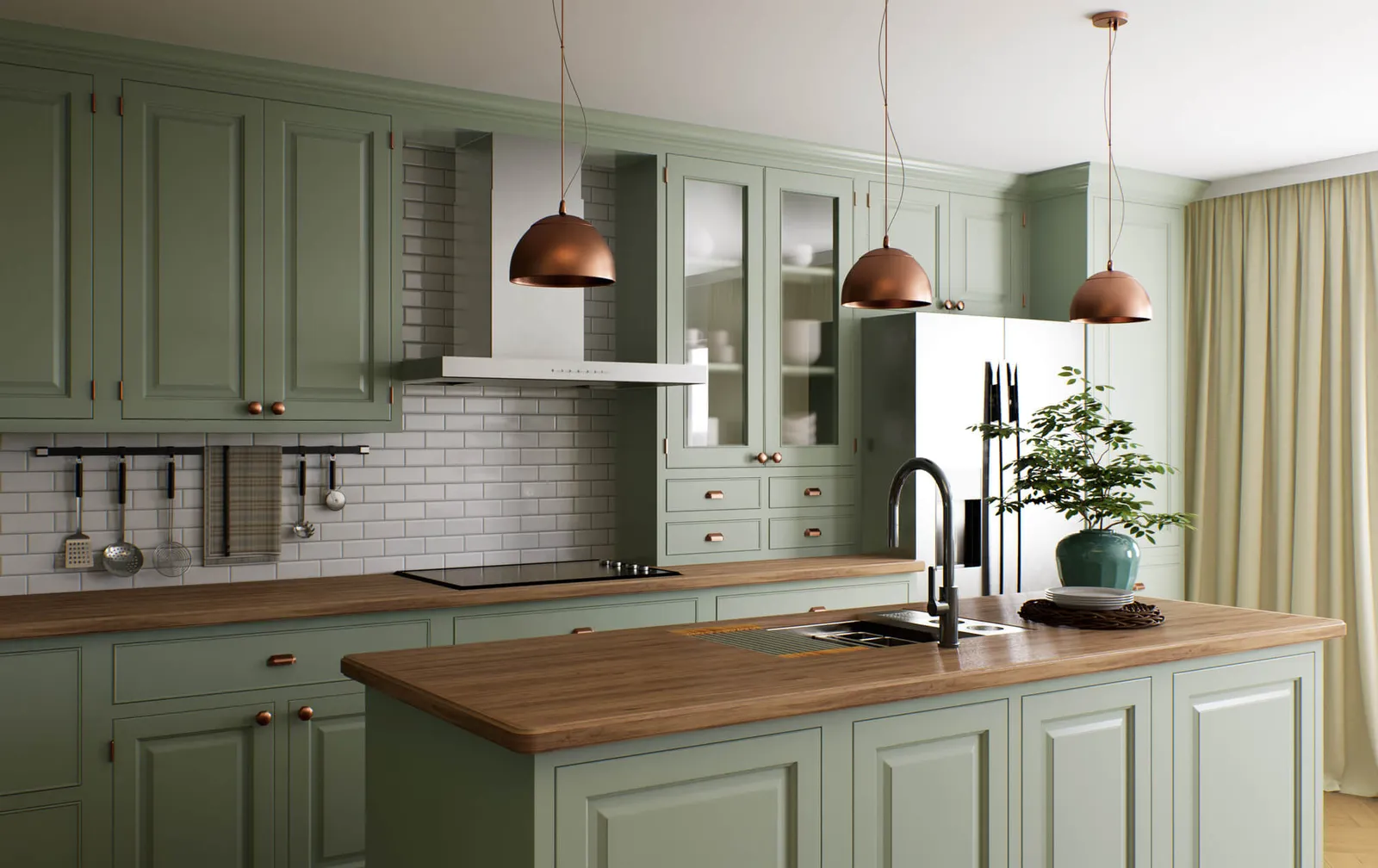
A kitchen renovation is a major investment, and selecting the right cabinets plays a crucial role in both functionality and style. However, many homeowners make costly mistakes when purchasing new kitchen cabinets—errors that can lead to budget overruns, design regrets, and long-term dissatisfaction.
In this article, we’ll highlight the most common kitchen cabinet buying mistakes and provide expert guidance on how to avoid them, ensuring you make a well-informed decision for your dream kitchen.
Common Kitchen Cabinet Selection Mistakes & How to Avoid Them
Choosing kitchen cabinets isn’t just about picking a color or style you like. Several factors, from material quality to storage functionality, can impact the longevity and usability of your cabinets. Let’s dive into the key mistakes homeowners make and how to prevent them.
Not Considering Your Kitchen Layout and Workflow
One of the most common errors is concentrating exclusively on the aesthetic appeal of your kitchen cabinets while neglecting the crucial aspect of how your kitchen operates. This can result in a design that looks beautiful but does not function efficiently.
- Solution: To avoid this pitfall, take the time to optimize the placement of your cabinets by adhering to the widely accepted kitchen work triangle principle. This involves ensuring the three main work areas—sink, stove, and refrigerator—are arranged in a triangular layout that promotes smooth movement between them. Additionally, it’s essential to design your cabinet layout so that cabinet doors, drawers, and appliances do not hinder movement within the kitchen space, allowing for a seamless and practical workflow.
Choosing Cabinets That Don’t Fit Your Storage Needs
One of the key common mistakes people often make is prioritizing aesthetic appeal over functional requirements, which can, unfortunately lead to insufficient storage space for all kitchen essentials.
- Solution: To prevent this issue, it’s important to conduct a thorough review of your actual storage needs. Think about incorporating storage features such as pull-out drawers for easy access to pots and pans, deep drawers and cabinets for larger items, dedicated spice racks for organization, and hidden organizers or vertical extra storage that can help you maximize your overall kitchen space effectively. This way, you ensure you have valuable storage space while also having the best high-quality cabinets possible.
Overlooking the Quality of Cabinet Materials
Many homeowners make the error of choosing inexpensive and low-quality materials for their kitchen cabinets, such as particleboard or other flimsy products that often fail to hold up under the demands of daily use. This can lead to premature wear and tear, compromising both the look and functionality of your cabinets.
- Solution: Always try to invest in more durable and resilient cabinet materials. Options like solid wood, high-quality plywood, or medium-density fiberboard (MDF) with superior finishes are designed to withstand the rigors of moisture, heat, and general wear and tear. By selecting these sturdier materials, you ensure that your high-quality cabinets will not only stand the test of time but also maintain their aesthetic appeal over the years.
Ignoring the Importance of Cabinet Hardware & Hinges
Many homeowners fall into the trap of assuming that all cabinet hardware and hinges are identical. This oversight can lead to significant functionality issues and accelerate the wear and tear of your cabinets over time.
- Solution: To avoid these pitfalls, it is advisable to select high-quality soft-close hinges and robust drawer slides for your kitchen cabinets. These choices not only help to prevent premature wear and tear but also greatly enhance the overall usability and enjoyment of your kitchen space. Investing in superior hardware allows your cabinets to operate smoothly and quietly, making your kitchen more functional and pleasant to use on a daily basis. More on this here.
Not Accounting for Future Trends & Resale Value
One common pitfall many homeowners encounter is choosing cabinet styles that are overly trendy and may not hold broad appeal for potential future buyers. This happened with trends from the 80s or 90s, with their glass-front cabinets or beige and smooth surfaces, which can be an eyesore today. New modern styles, while eye-catching today, can also quickly go out of fashion, making your kitchen less marketable down the line.
- Solution: To safeguard your investment and ensure longevity, it is wise to opt for timeless designs, such as decorative crown molding, trims, shaker-style cabinets, or neutral finishes. These options strike a perfect balance between contemporary appeal and lasting value, making them more attractive not only to you while you live in your home but also to future buyers when the time comes to sell. By prioritizing enduring styles, you can enhance your kitchen’s aesthetic while also protecting your home’s resale value.
Skimping on Professional Design Assistance
Many homeowners make the error of assuming that taking their own DIY measurements and selecting cabinets without professional help will be adequate for their kitchen renovation.
- Solution: It is essential to collaborate with experienced and professional kitchen designers. They will ensure that you have precise measurements, a cohesive and harmonious design and that all cabinets will function properly and effectively within your kitchen space. Working with experts can save you time, prevent costly mistakes, and ultimately lead to a more beautiful and functional kitchen.
Not Asking Enough Questions or Trusting Too Much
Many customers understandably want to trust their kitchen cabinet installers and designers as much as possible, as they’re the experts. But this might lead to miscommunication, mistakes, or just a bad installation and design job.
- Solution: It’s good to always ask questions regarding every step of the cabinet installation process, from the quality of materials to the company’s experience, the timeline of the job, the layout, durability, and more
Failing to Budget for the Full Cost of Cabinets
One common oversight that many homeowners make is neglecting to account for additional expenses that go beyond the price of the cabinets themselves. This includes crucial costs such as installation, hardware components, and any necessary modifications to either the cabinets or the existing kitchen structure.
- Solution: To avoid falling into this trap, it is essential to create a comprehensive and transparent budget. This budget should encompass all aspects of your kitchen cabinet project, including not only the cost of materials but also labor charges, installation fees, and a buffer for any unforeseen expenses that may arise during the renovation process. By carefully considering each of these elements, you can ensure a smoother and more financially manageable project overall.
Not Checking Cabinet Construction & Joinery
Overlooking construction details leads to weak and unstable cabinets.
- Solution: Opt for dovetail joints, full-extension drawers, and reinforced shelves for better durability and longevity. Dovetail joints provide superior strength and aesthetic appeal, ensuring cabinets last for years.
Overlooking the Importance of Proper Cabinet Finishes
One significant error homeowners often make is selecting an inappropriate cabinet finish that doesn’t align with their lifestyle, leading to the need for constant maintenance or even damage to the cabinets over time. It’s crucial to be aware that many low-quality finishes may contain harmful chemicals that could negatively impact your health or produce unpleasant odors in your kitchen environment.
- Solution: To avoid these pitfalls, it’s wise to choose cabinet finishes that are not only aesthetically pleasing but also easy to clean. Look for options that demonstrate resistance to moisture, grease, and stains—finishes like semi-gloss paint or durable laminate coatings are excellent choices. These will ensure your cabinets remain in good condition and maintain their appearance with minimal upkeep.
Overlooking Cabinet Lighting and Accessibility Features
One common error that many homeowners make is not planning for essential under-cabinet lighting or accessibility features within their kitchen cabinets.
- Solution: To address this issue effectively, it’s crucial to incorporate adequate lighting under the cabinets to enhance visibility while working in the kitchen. Additionally, consider installing features such as pull-down shelving units or innovative corner cabinet solutions that improve accessibility. These thoughtful additions will make it easier to reach necessary items and create a more user-friendly kitchen space overall.
Ordering Cabinets Without Double-Checking Measurements
A common oversight is assuming that standard cabinet sizes will seamlessly fit your specific kitchen space without taking the time to verify accurate dimensions or the proper measurements. This could lead to serious fitting issues or an awkward layout that detracts from the overall functionality and aesthetic of your kitchen.
- Solution: It’s essential to take exact measurements several times to ensure accuracy, especially if you’re ordering custom cabinets. Alternatively, hiring a professional to conduct the measurements can provide peace of mind and ensure that your new cabinets will fit perfectly in your kitchen space. This attention to detail will help avoid any headaches later on and contribute to a more efficient and pleasing kitchen design.
Choosing Cabinets Before Selecting Kitchen Appliances
One of the significant errors that homeowners often make is opting to install kitchen cabinets before they have settled on the dimensions and types of appliances they will be using. This common mistake can lead to various misfits and compatibility issues, ultimately complicating the overall design and functionality of the kitchen space.
- Solution: To avoid this problem effectively, it is highly recommended that you first select your kitchen appliances and finalize the dimensions of the cabinet space before proceeding with the cabinet selection and installation. By making sure that your cabinetry design is specifically tailored to accommodate your chosen appliances, you will create a more cohesive design and ensure that everything fits perfectly in your kitchen environment. This strategic planning will not only contribute to an enhanced aesthetic but will also improve the overall efficiency of your cooking and prep spaces.
Mixing Frame Styles
The two main types of cabinets are framed and frameless, each with its own unique merits. Framed cabinets have a sturdy framework around the front, while frameless cabinets offer a modern aesthetic with more accessible storage. However, mixing these two styles can create a disjointed look that may detract from the overall design and functionality of your kitchen.
- Solution: Stick to one cabinet style throughout your kitchen to maintain a cohesive look. If you prefer the functionality of framed cabinets for certain areas, consider using them solely for base cabinets or upper cabinets, while uniformity in color and finish can help tie both styles together.
Additionally, consult with a kitchen designer who can provide insights on how to maintain design harmony should you wish to incorporate more than one style. This strategic approach assures that your frame or frameless cabinets enhance the aesthetic appeal of your kitchen rather than clash with each other.
Why Choosing the Right Cabinets Matters
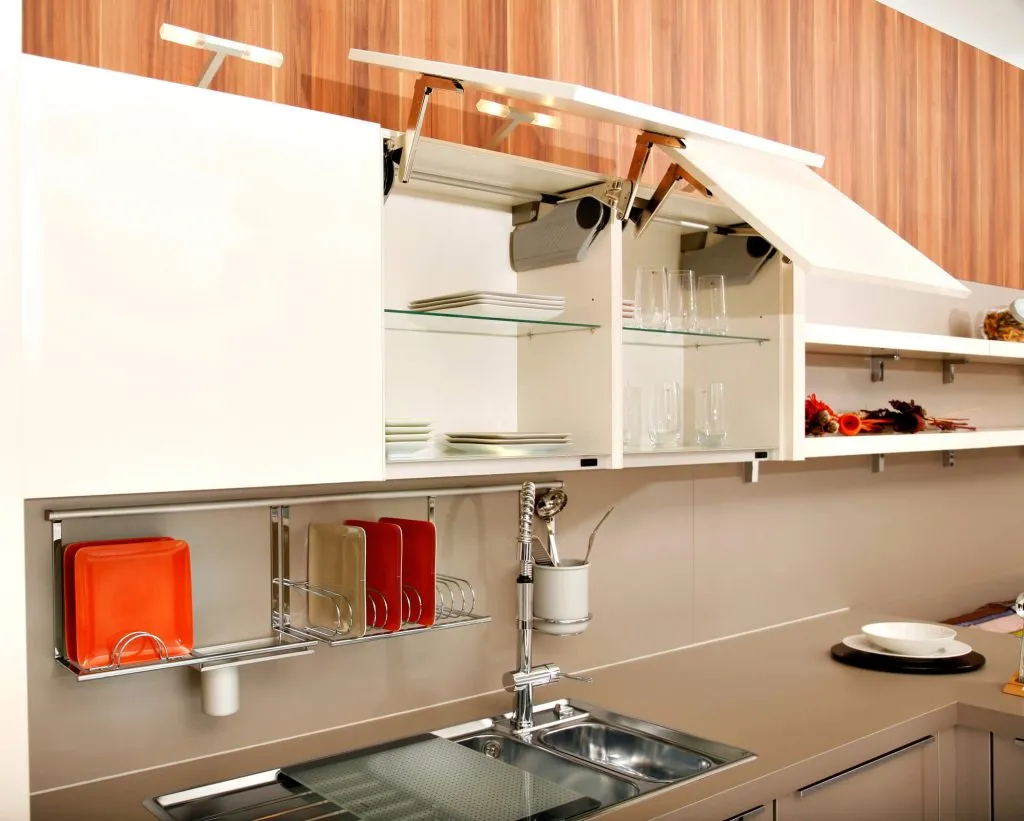
Choosing the right kitchen cabinets is a crucial aspect of any kitchen remodel, as they significantly impact both the function and aesthetics of your kitchen. Well-planned cabinetry enhances:
- Storage efficiency with custom solutions – Custom cabinetry allows homeowners to tailor their storage to fit their needs, making it easier to keep everything organized and within reach.
- Kitchen workflow by ensuring everything is within reach – The placement of cabinets should complement the way you use your kitchen, reducing unnecessary movement and making cooking and cleaning more efficient.
- Durability and longevity, reducing future replacement costs – High-quality cabinets last for decades, whereas cheap cabinets often deteriorate quickly, leading to costly repairs or replacements.
- Home value, making your investment worthwhile – Kitchens with well-designed, high-quality cabinetry attract potential buyers and increase the overall resale value of a home.
The Importance of Hiring Professional Kitchen Designers & Contractors
A well-planned kitchen remodel requires expertise and precision. Hiring a professional kitchen designer or contractor ensures that the project runs smoothly and efficiently. Here are some of the key benefits of working with experts in the field:
- Expertise & Experience in Cabinet Selection: Professionals from a kitchen cabinet company bring a wealth of knowledge regarding cabinet materials, finishes, storage solutions, and configurations. They are skilled at optimizing layouts to maximize both aesthetics and functional storage solutions. This ensures that the cabinets selected not only meet your specific style preferences but also serve your daily kitchen needs effectively.
- Accurate Measurements & Customization: Taking precise measurements is crucial in a kitchen renovation to avoid costly errors. Kitchen designers use advanced techniques and tools to measure your space accurately, which eliminates the risk of cabinet options that don’t fit correctly. They can also recommend custom or semi-custom cabinets tailored to your specific dimensions, ensuring an optimal fit that enhances both the appearance and usability of your kitchen.
- Cost-Effective Decision-Making: Navigating the balance between budget and quality can be a daunting task. A professional kitchen designer can assess your needs and preferences to recommend features and cabinet colors that provide the best value. They help you avoid overspending on unnecessary finishes or decorative elements while still ensuring the durability of your choices.
- Avoiding Delays & Installation Issues: A common challenge in kitchen remodeling is managing the installation logistics. Professional contractors are skilled at first respecting the planning stage and then executing proper installation techniques based on that careful planning, ensuring that cabinets are aligned perfectly and modifications are done correctly.
- Ensuring Compliance with Local Regulations: Kitchen renovations can be subject to various building codes and permit requirements, depending on your area. Professional designers and contractors are well-versed in these regulations, ensuring that your remodel complies with all necessary guidelines. This prevents any legal complications or unexpected costs that might arise from non-compliance.
With trained professionals, you streamline the remodeling process, save time, and achieve high-quality results that significantly enhance your kitchen’s value and functionality. Their expertise ensures that your vision is realized effectively, bringing your dream kitchen to life without the typically associated stress of renovation.
Basic Kitchen Cabinet Maintenance and Care
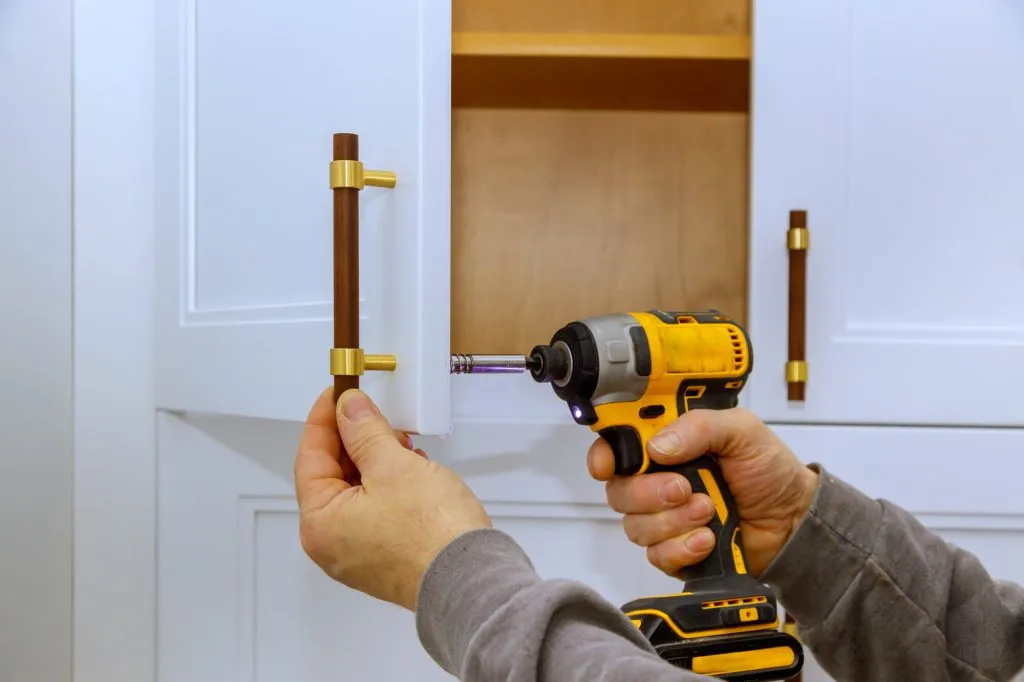
Proper maintenance can extend the life of your kitchen cabinets. Follow these steps to keep them looking great and functioning properly:
Cleaning and Dusting
- Wipe cabinets regularly: Use a soft, damp cloth and a mild cleaner to remove dirt and grease buildup.
- Avoid harsh chemicals: Stay away from abrasive cleaners that can damage cabinet finishes.
- Dust frequently: Regular dusting prevents grime buildup, especially on upper cabinets.
Protecting Against Moisture
- Keep cabinets dry: Wipe spills immediately to prevent water damage.
- Use exhaust fans: Proper ventilation reduces humidity levels that can warp cabinets.
Preventing Scratches and Damage
- Handle cabinets with care: Avoid slamming doors and drawers.
- Use protective pads: Felt pads on cabinet doors and drawer stops can prevent scratches.
Periodic Maintenance
- Inspect hinges and handles: Tighten loose hardware to maintain functionality.
- Reapply finishes when needed: Over time, cabinet finishes may fade—consider touch-up kits or professional refinishing to restore their appearance.
Trust Cabinet IQ for Expert Kitchen Cabinet Guidance
At Cabinet IQ, we specialize in helping homeowners choose the best kitchen cabinets tailored to their needs, budget, and design preferences. Our team of experienced designers and installers ensures precise measurements, high-quality materials, and a seamless installation process.
Contact Cabinet IQ today for a consultation and transform your kitchen with cabinets that perfectly blend beauty and functionality!