Farmhouse & Apron-Front Sinks: What to Know Before You Buy
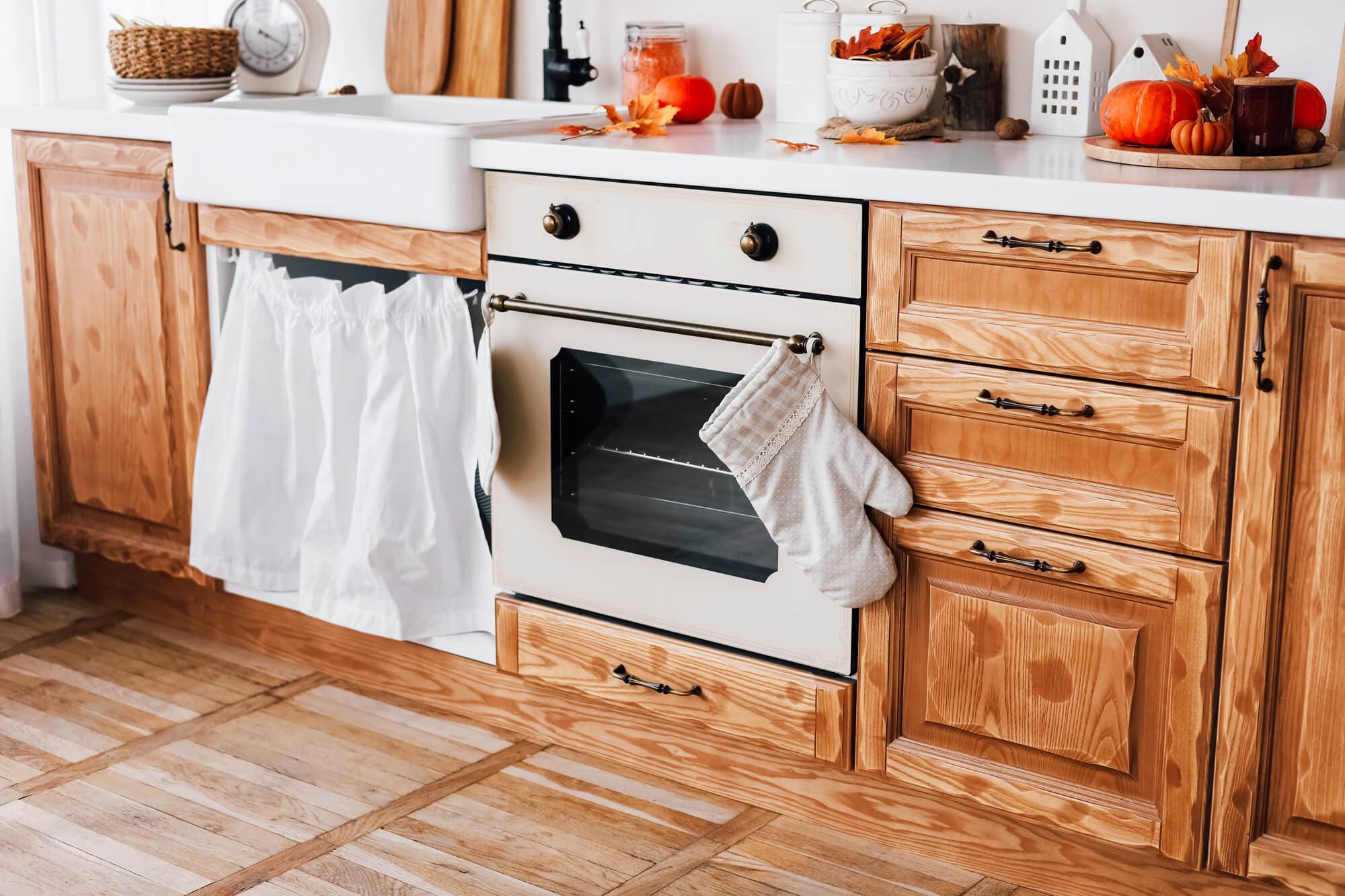
For a lot of remodels, that sink is the moment the kitchen stops feeling builder basic and starts looking like the dream photos you've been saving. It’s also one of the choices that creates the most second-guessing once real water, real cookware, and real schedules enter the picture.
Take the farmhouse sink, for example.
It can completely change the look of a kitchen with its exposed front and generous basin, becoming a focal point rather than simply another fixture built into the countertop.
But appearance is only part of the decision.
Farmhouse sinks can affect your kitchen cabinets, countertops, plumbing, storage, faucet selection, and installation process. Material matters too: a traditional white fireclay farmhouse sink behaves very differently from stainless steel, cast iron, copper, or granite composite.
Before adding one to a remodel or renovation, it helps to understand the pros and cons of farmhouse sinks and clear up a common question: Is a farmhouse sink actually the same thing as an apron-front sink?
What Is a Farmhouse Sink?
A farmhouse sink is a large sink with an exposed front panel, or apron, that replaces part of the cabinet face directly below the basin.
Instead of standing behind a strip of countertop and cabinet material, you stand closer to the sink itself. Farmhouse sinks are often large and deep, making them useful for washing stockpots, baking sheets, roasting pans, and other oversized cookware.
Many are single-bowl sinks, although double-bowl and workstation configurations are also available.
Unlike a conventional drop-in or undermount sink that is largely hidden within the countertop and cabinet, the front of a farmhouse sink remains visible. That makes the sink an important part of the overall kitchen design.
Are Farmhouse and Apron-Front Sinks the Same Thing?
In everyday kitchen design, farmhouse sink, apron-front sink, and apron sink are frequently used interchangeably.
Technically, “apron-front” describes the sink's exposed front construction, while “farmhouse” refers to the style historically associated with it. In today's market, however, the distinction is much less important because apron-front sinks are available in far more than traditional farmhouse designs.
White fireclay may create the classic farmhouse look, while stainless steel can feel contemporary or professional. Dark composite, cast iron, and copper can take the same basic apron-front configuration in completely different design directions.
In other words, choosing an apron-front sink does not mean your kitchen has to look rustic, or "farmhouse."
Farmhouse Sink Pros and Cons
The large basin and exposed apron create some real functional advantages, but they also introduce installation and maintenance considerations.
Advantages of a Farmhouse Kitchen Sink
- Space: The most obvious advantage is having a large single bowl that can accommodate cookware that may not fit comfortably inside a smaller or divided sink. That can make food preparation, soaking, and cleanup easier for households that cook frequently.
- Accessibility: The forward position can also reduce how far you need to reach across the counter to work inside the basin.
- Enhances Sink Visual Appeal: Then there is design. Because the apron remains visible, the sink can become a strong architectural feature alongside the kitchen cabinets, countertops, faucet, and hardware.
- Versatile Configurations Available: Modern farmhouse sinks also offer more flexibility than their name suggests. Single bowls remain popular, but double-bowl and workstation designs can add dedicated zones or accessories for different kitchen tasks.
Drawbacks to Consider
- Extra Planning Involved: A farmhouse sink usually requires more planning than a standard drop-in or undermount sink.
- Requires Special Support: The apron affects the front of the base cabinet, and heavy materials may require substantial cabinet support underneath.
- Reduced Under-sink Storage: A deep basin can also reduce storage.
- Plumbing and Drainage Considerations: They can push the drain and garbage disposal farther down inside the cabinet.
- Higher Risk of Constant Splashing: Sink depth, faucet height, spray pattern, and user habits can all affect how much water reaches the apron, cabinet doors, or floor.
- Material Trade-offs: Most common materials used in apron-front kitchen sinks require special care; Fireclay or enameled surfaces can chip after a hard impact, stainless steel can scratch and show water spots, and darker composite finishes may reveal mineral deposits.
| Farmhouse Sink Pros | Farmhouse Sink Cons |
| Large basin for cookware | More complex installation |
| Easier access to the basin | Requires compatible cabinetry |
| Strong visual focal point | Heavy models need added support |
| Many materials and finishes | Can reduce under-sink storage |
| Single-, double-bowl, and workstation options | Deep bowls can require more reaching |
| Works with traditional and modern designs | Some materials chip, scratch, or spot |

Best Farmhouse Sink Materials
The best farmhouse apron sink material depends on how you use your kitchen and what kind of maintenance you are willing to accept.
Fireclay
Fireclay is closely associated with the traditional farmhouse sink. It's a type of ceramic made from minerals, heated, and then covered in a porcelain glaze.
Its smooth surface and classic white finish work particularly well in traditional and transitional kitchens. It handles normal kitchen use well, but the material is heavy and can chip from a significant impact.
Because fired sinks can have slight dimensional variations, accurate cabinet and countertop planning is important.
Stainless Steel
Stainless steel brings the apron-front concept into more contemporary kitchen designs.
It is relatively lightweight compared with fireclay or cast iron, handles everyday kitchen use well, and will not chip like an enameled surface.
The tradeoff is appearance over time. Stainless steel can develop scratches and show fingerprints, water spots, and mineral deposits.
Cast Iron and Porcelain-Enamel Finishes
Enameled cast iron provides a substantial, glossy appearance often associated with classic kitchen sinks. Manufacturers such as Kohler offer apron-front designs in this general category.
Cast iron is extremely heavy, so the sink's weight and support requirements should be considered before installation. The enamel finish can also chip after a sufficiently hard impact.
Granite Composite, Copper, and Other Materials
- Granite composite farmhouse: There are several stone composite materials available for apron sinks, with granite/quartz composite being among the most popular. This farmhouse sink's materials offer a stone-like appearance and modern color choices.
- Copper farmhouse sink: This traditional metal provides a distinctive surface that develops a natural patina over time.
- Specialty materials: Specialty stone and concrete sinks can create an even more dramatic focal point, but their weight and installation requirements become especially important.
There is no universally best farmhouse sink material option. Choose according to durability, maintenance, weight, finish, and how well the sink complements the rest of the kitchen.
What Does Farmhouse Sink Installation Require?
One of the most important things to understand before buying a farmhouse sink is that installation can become a small construction project of its own.
The Base Cabinet Has to Fit the Sink
A true apron-front sink often requires a dedicated farmhouse base cabinet or modification to an existing cabinet.
The cabinet opening must accommodate the front apron, and the sink may need a structural platform or other support underneath it. This is particularly important for heavy fireclay and cast-iron models.
The apron can also affect cabinet doors, false drawer fronts, and storage.
For a new kitchen or a full kitchen remodel, it is usually better to finalize the sink area specifications before ordering the kitchen cabinets rather than trying to make the cabinetry fit afterward.
Countertops and Plumbing Need Planning Too
- Making Countertops Fit: The countertop fabricator needs accurate sink specifications before cutting materials such as granite, quartz, or other stone.
- Getting Plumbing Ready: Plumbing needs attention as well. A deeper sink lowers the drain position and may affect the trap, garbage disposal, and available storage underneath.
- The Right Faucet to Prevent Splashing: Faucet selection matters, too. Faucet height, reach, and spray pattern should work with the basin's dimensions to provide useful coverage without unnecessary splashing.
Installation requirements vary by product, so follow the manufacturer's installation guide and use an experienced installer or specialist when appropriate.
Can You Install a Farmhouse Sink in Existing Cabinets?
Sometimes.
Top-mount or retrofit apron-front models are designed to simplify certain renovations, while a traditional farmhouse sink may require substantial cabinet modification.
Before buying the sink, a cabinet specialist can help you determine whether the existing cabinet, countertop, and plumbing can accommodate it, and include those changes when evaluating the total remodel cost.
How to Choose Between a Farmhouse vs. an Undermount Sink
Neither style is automatically better.
- Farmhouse-Style Sinks: Choose a farmhouse or apron-front sink if you want a large basin, appreciate the exposed apron as a design feature, regularly wash oversized cookware, and can plan the cabinetry and countertop around the sink.
- Undermount Sink: A conventional undermount may make more sense if you want the sink to visually recede, prefer simpler cabinet construction, want to preserve under-sink storage, or are renovating an existing kitchen where cabinet modification would add unnecessary complexity.
The right choice depends on the space, budget, renovation scope, and way you actually use the kitchen.
Are Farmhouse Sinks Still in Style?
Yes, although farmhouse sinks are no longer limited to the stereotypical “modern farmhouse” kitchen.
Material and finish can dramatically change their character, and modern kitchen design trends include unique ways of incorporating apron-front sinks into practically every style.
For example:
- White fireclay works naturally with traditional and transitional cabinetry.
- Stainless steel can feel sleek and modern.
- Dark composite sinks can complement contemporary countertops and cabinets.
- Copper creates a more distinctive statement.
Instead of asking whether farmhouse sinks are “in” or “out,” consider whether the sink fits the overall design.
A well-integrated apron-front sink should relate naturally to the cabinetry, countertops, faucet, hardware, and other finishes rather than becoming a theme by itself.
Is a Farmhouse Sink Right for Your Kitchen?
Before committing to a farmhouse sink, ask four questions:
- How do you use your sink? If you cook frequently and wash large cookware, the generous basin may provide a meaningful everyday benefit.
- Can your cabinets and countertops accommodate it? Verify cabinet size, apron dimensions, structural support, countertop fabrication, and plumbing.
- Does the total installed cost fit the remodel? Consider the sink along with cabinet modifications, countertop work, support, and plumbing, not just the purchase price.
- Are you comfortable with the material's maintenance? Fireclay, stainless steel, cast iron, composite, and copper all age differently.
If those factors align, an apron-front sink can be both functional and visually distinctive. If they do not, a conventional undermount or workstation sink may serve the kitchen better.
Frequently Asked Questions About Farmhouse Sinks
Is an Apron Sink the Same as a Farmhouse Sink?
Generally, yes. The terms are commonly used interchangeably. "Apron-front" describes the exposed front construction, while "farmhouse" describes the sink style traditionally associated with it. Farmhouse sinks can feature fluted or smooth apron fronts, and their clean lines and timeless appeal are a big part of why the style has stayed popular in traditional kitchens and modern ones alike.
Do Farmhouse Sinks Need Special Cabinets?
Many do. Traditional apron-front sinks often require a compatible base cabinet, an opening sized for the apron, and adequate structural support. Most farmhouse sinks are deeper and heavier than standard drop-in models, so checking the length and width of the sink against your kitchen layout and cabinet opening before you buy is important.
Can a Farmhouse Sink Be Undermounted?
Yes, depending on the model. "Farmhouse" or "apron-front" describes the exposed front of the sink rather than requiring one specific relationship with the countertop. Some models are undermounted, while others use top-mount or retrofit configurations. Farmhouse sinks are compatible with most solid surface countertops, which gives you versatility when choosing your counters.
Can You Use a Garbage Disposal With a Farmhouse Sink?
Often, yes. The sink and drain need to be compatible, and there must be sufficient room beneath the deeper basin for the disposal and plumbing.
What Is the Best Material for a Farmhouse Sink?
There is no single best choice. Fireclay provides the classic look, and fireclay sinks are extremely durable with a glossy, non-porous finish that is resistant to scratches and stains. Stainless steel offers practical durability and modern styling, and stainless steel sinks are lighter and easier to install. Cast iron provides a substantial traditional appearance, while composite or copper can suit more specialized designs. Composite sinks are highly resistant to scratches and thermal shock, and concrete resin sinks offer a matte, scratch-resistant finish. Ceramic sinks are created using high firing temperatures for durability, and a chip resistant surface is worth looking for in busy kitchens where large pots, cutting boards, and everyday dishes put steady wear on the basin. A bottom grid can help protect dishes and the finish from scratches, and cleaning with mild soap is usually enough to keep most materials looking their best.
Is a Double Bowl Farmhouse Sink Worth It?
A double bowl farmhouse sink allows multitasking with separate compartments for washing and rinsing, which can be a real advantage if you cook often and need space to handle dishes and prep at the same time. A single bowl, on the other hand, usually gives you more room for oversized cookware, so the right choice depends on how you use your kitchen day to day.
Do Farmhouse Sinks Add Value to a Home?
Farmhouse sinks can increase home resale value significantly, since the beauty and character of the style tend to appeal to a wide range of buyers. Browsing farmhouse sink collections and comparing options by material, size, and kitchen style before you commit makes it easier to discover which design fits your space.
Plan Your Farmhouse Sink With the Rest of the Kitchen
A farmhouse sink should not be selected in isolation.
Its size, weight, material, apron, faucet, plumbing, cabinet support, countertop fabrication, garbage disposal, and storage requirements all interact with the rest of the kitchen, and each of these elements affects both how the sink looks and how well it performs.
Planning those details early is particularly important during a full remodel, when cabinets and countertops can be designed around the sink rather than modified after the fact.
Cabinet IQ can help coordinate those decisions as part of the larger kitchen design and renovation process, from cabinetry and countertops to layout and fixture planning.
Contact Cabinet IQ to explore farmhouse sinks, cabinetry, countertops, and kitchen design options for your remodel.