How to Choose the Best Range Hood for Your New Kitchen
When planning a kitchen remodel or designing your dream cooking space from scratch, it’s easy to get wrapped up in cabinet styles, countertop materials, or even lighting options. But one essential kitchen appliance often gets overlooked—your range hood. A range hood (also called a vent hood or exhaust hood) plays a critical role in keeping […]
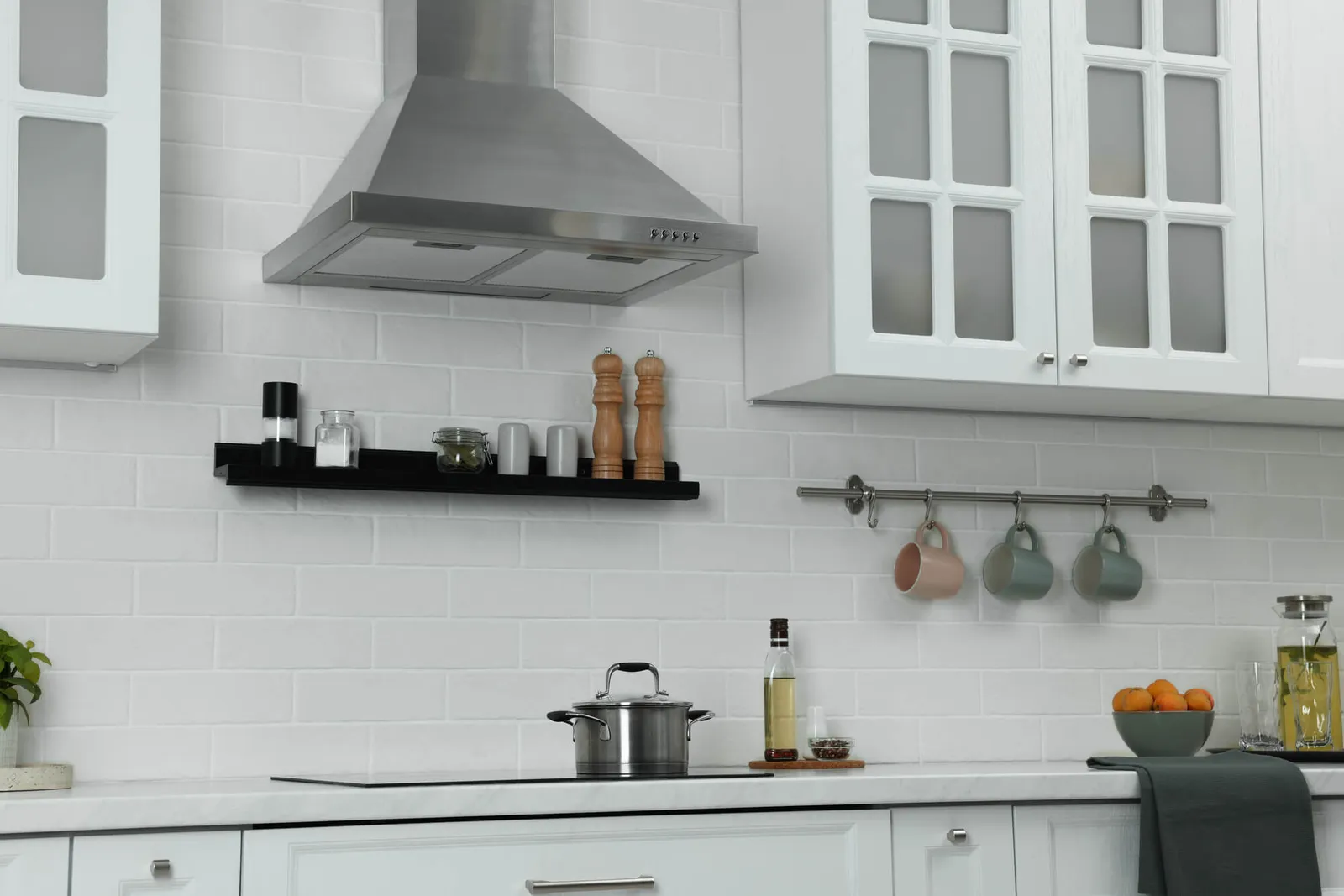
When planning a kitchen remodel or designing your dream cooking space from scratch, it’s easy to get wrapped up in cabinet styles, countertop materials, or even lighting options. But one essential kitchen appliance often gets overlooked—your range hood.
A range hood (also called a vent hood or exhaust hood) plays a critical role in keeping your kitchen air clean, your surfaces grease-free, and your overall cooking experience more enjoyable.
We came up with a guide to help you go through how to choose the best range hood for your kitchen—whether you’re upgrading an existing space or outfitting a brand-new kitchen island. We’ll cover everything from types of range hoods and their features to installation costs, venting options, and how to select the right model based on your kitchen style, cooking habits, and budget.
Let’s make sure your kitchen not only looks beautiful but also functions with powerful ventilation, sleek design, and long-term performance in mind.
Why Range Hoods Matter in Modern Kitchens
Whether you’re simmering aromatics on a gas cooktop, searing steak on an induction cooktop, or managing a full dinnertime cooking marathon, the right hood improves air quality, reduces heat buildup, and can even elevate your kitchen’s design theme.
Protecting Indoor Air Quality
Cooking—especially high-heat cooking or using a gas stove—releases a mix of grease particles, moisture, smoke, and airborne chemicals into your home. Without proper ventilation, these harmful particles linger, recirculating through the air and settling on nearby surfaces.
A high-quality range hood with efficient ventilation helps maintain healthy air quality, which is especially important if your kitchen is part of an open floor plan. By pulling air through baffle filters, mesh filters, or charcoal filters and either exhausting it outdoors or filtering and recirculating it, hoods minimize exposure to cooking odors, excess humidity, and microscopic irritants.
Preserving Your Kitchen Finishes
Over time, cooking exhaust can damage more than just your lungs—it affects your kitchen cabinets, walls, and even ceilings. Heat and steam combined with grease can discolor painted finishes, warp wood, and wear down sealants.
A powerful hood acts as a first line of defense, particularly during heavy cooking with a gas range with a high BTU level (British Thermal Unit.) Regular use of an exhaust hood system reduces grime buildup and extends the life of your cooking space—making range hoods not just practical but preventative.
Enhancing Home Value and Aesthetics
A well-chosen kitchen range hood is more than a utility—it’s an architectural focal point. In many modern kitchens, custom hood designs, cabinet range hoods, or even chimney hoods double as design statements that complement your entire kitchen style.
Plus, with homebuyers increasingly concerned about indoor wellness, a functional, professionally installed vent hood is a strong value booster during resale. It’s not just about removing smoke—it’s about creating a more livable, visually cohesive, and health-conscious kitchen.
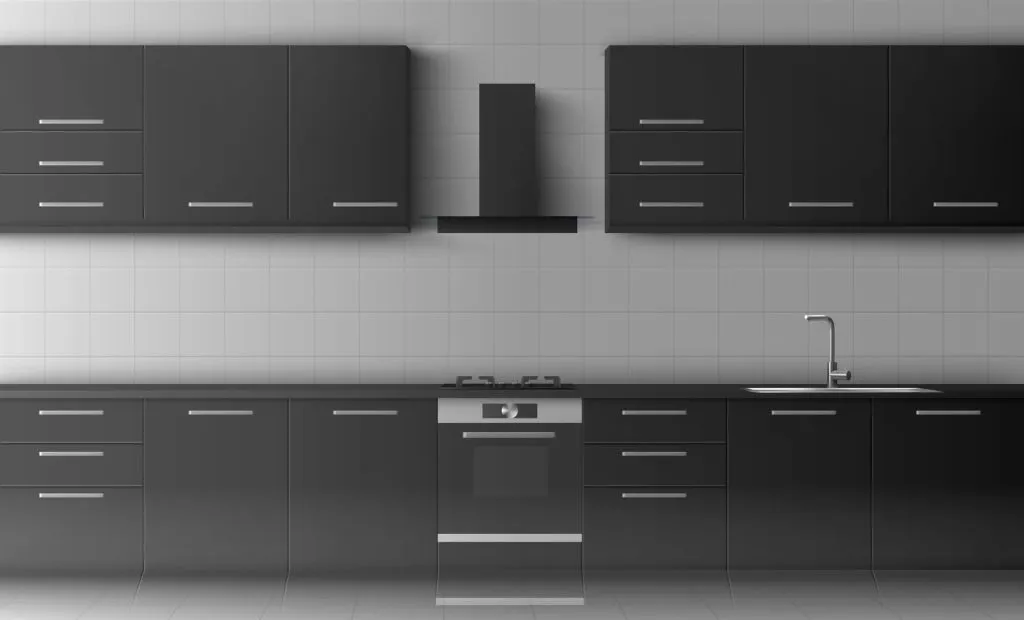
Types of Range Hoods Explained
Choosing the right type of range hood starts with understanding your kitchen’s layout, the cubic feet available to you, your cooking habits, and what kind of visual or functional statement you want to make. Below is a breakdown of the most common kitchen range hoods, including their ideal use cases and compatibility with different kitchen setups.
Wall-Mounted Hoods
Wall-mounted hoods attach directly to the wall above your cooking surface, replacing cabinets for a more open look. These are popular in modern and transitional kitchens where the hood becomes an eye-catching design element. Typically used with ducted systems, these models are known for their strong extraction power and visibility.
Ideal for: Kitchens with a range against an exterior wall.
Under-Cabinet Hoods
This type of hood is mounted beneath upper cabinets and is common in both small and large kitchens. Under-cabinet hoods offer powerful ventilation in a compact footprint, making them a popular choice for galley kitchens or smaller spaces. Available in both ducted and ductless options.
Ideal for: Apartments, compact kitchen spaces, or budget-conscious remodels.
Island Range Hoods
Island hoods (you might also find them as wide island range hoods) are mounted to the ceiling above an island cooking workspace. They typically have sleek designs and high CFM airflow to capture smoke from multiple sides. Since there’s no wall to help funnel the air, island range hoods usually require higher-powered fan wheels.
Ideal for: Kitchen islands with a central gas cooktop or induction cooktop.
Downdraft Hoods
Downdraft range hoods are concealed within the cooktop surface or countertop and pop up when in use. They pull air horizontally across the cooking surface, making them perfect for minimalist or space-saving designs, though often less effective than overhead hoods.
Ideal for: Kitchen remodels with limited wall space or for aesthetic minimalism.
Microwave Range Hoods
A microwave range hood combines two appliances in one—a space-saving kitchen appliance that sits over the stove. These are often equipped with an exhaust fan and light and can be ducted or ductless. When used as a replacement for a traditional hood, external venting is strongly recommended to ensure optimal performance.
Ideal for: Smaller homes or electric range users looking to maximize cabinet space.
Chimney Hoods
Chimney hoods are a subset of wall-mounted hoods or island range hoods that include a visible flue extending up the wall or ceiling. Available in stainless steel, glass, or custom metal range hoods, they deliver both design and function. Chimney hoods require clear vertical space and are best for ducted applications.
Ideal for: High ceilings, modern kitchens, or those wanting a noticeable, attention-drawing design element.
Insert/Custom Hoods
Range hood inserts, or hood inserts, are installed inside a custom-built hood structure, allowing full control over the exterior range hood cover. These are favored in high-end kitchens where cabinet hoods or artisan hoods need to match the rest of the kitchen design.
Ideal for: Homeowners wanting a custom range hood that blends into kitchen cabinets.
Style and Design Options
Beyond performance and airflow, range hoods contribute significantly to your kitchen’s aesthetic. From bold statement pieces to seamless integrations, the style of your hood should complement your broader kitchen design while supporting your cooking needs.
Matching Kitchen Themes
The right hood can harmonize beautifully with your kitchen’s architectural style. Here’s how different hood styles align with popular design themes:
- Modern kitchens often feature minimalist hoods in stainless steel, glass, or matte finishes. Clean lines and geometric shapes dominate here.
- Traditional or classic kitchens may lean toward wood-clad hoods or decorative chimney hoods with ornate detailing.
- Transitional kitchens bridge modern and classic elements, making custom hoods with sleek but warm finishes a natural fit.
- Farmhouse and rustic kitchens favor wood-grain finishes, shiplap panels, and insert hoods wrapped in natural textures or painted for a vintage feel.
A cohesive design theme ensures your hood enhances—not disrupts—the entire kitchen’s visual flow.
Form vs. Function Considerations
Range hoods can be both an appliance and a visual centerpiece. When deciding how prominent your hood should be, ask:
- Do you want the hood to disappear into the cabinets?
- Or do you prefer a noticeable, attention-grabbing focal point?
- Is your kitchen more about open space or tightly organized function?
For example, a custom hood in aged brass might stand out in a luxury kitchen, while a range hood insert offers subtlety for cabinet-focused designs. Your choice depends on how much you want the hood to lead or support the visual narrative of your cooking space.
A well-chosen hood blends functionality with aesthetic intention—providing both the clean air you need and the design statement you want.
Materials and Finishes: Aesthetic and Function
The material you choose for your range hood doesn’t just affect how it looks—it influences durability, maintenance, and even performance. Below are some of the most common materials used in modern range hoods and how they pair with different kitchen styles and functions.
Stainless Steel Hoods
Stainless steel remains one of the most popular and practical choices for range hoods. It’s durable, resistant to heat and corrosion, and fits effortlessly into nearly any kitchen style—from industrial to contemporary.
- Easy to clean with regular maintenance.
- Pairs well with most appliances.
- Often available in a wide variety of models and price points.
Stainless steel range hoods are especially common in high-performance models and professional-style kitchens where functionality is paramount.
Glass or Mixed-Material Hoods
Glass hoods, or those that combine glass with metal, are a favorite in modern and minimalist kitchens. They offer a light, airy aesthetic that can help small kitchens feel more open.
- Best for sleek design and visual lightness.
- Usually paired with LED lights and low-profile mounts.
- A great match for electric stoves or induction cooktops where high grease output isn’t a primary concern.
Glass elements may require more frequent regular cleaning due to visible smudges and fingerprints, but they make a strong visual impact.
Custom Wood-Clad Hoods
For homeowners seeking warmth and cohesion, wood-wrapped hoods or cabinet-style models are a stylish solution. These designs are often created to match or complement the surrounding cabinetry, adding an integrated and elevated feel to the kitchen.
- Ideal for farmhouse, rustic, and transitional kitchens.
- Can be painted, stained, or distressed to match your color scheme.
- Usually constructed over a metal insert (range hood insert) to combine aesthetics with impressively effective ventilation.
This material choice works particularly well in custom kitchens where every design element is tailored for continuity.
Copper, Brass, and Other Premium Finishes
Premium materials like copper, brass, and even zinc are rising in popularity, especially in high-end or artisan-style kitchens. These hoods offer unique visual textures, develop patinas over time, and serve as artisan focal points.
- Custom metal range hoods are often handmade or specialized
- Excellent for bold, luxury design themes
- Compatible with powerful ventilation systems for serious cooks
These hoods tend to be heavier and more expensive, so they’re typically reserved for kitchens with strong visual identity and larger budgets.
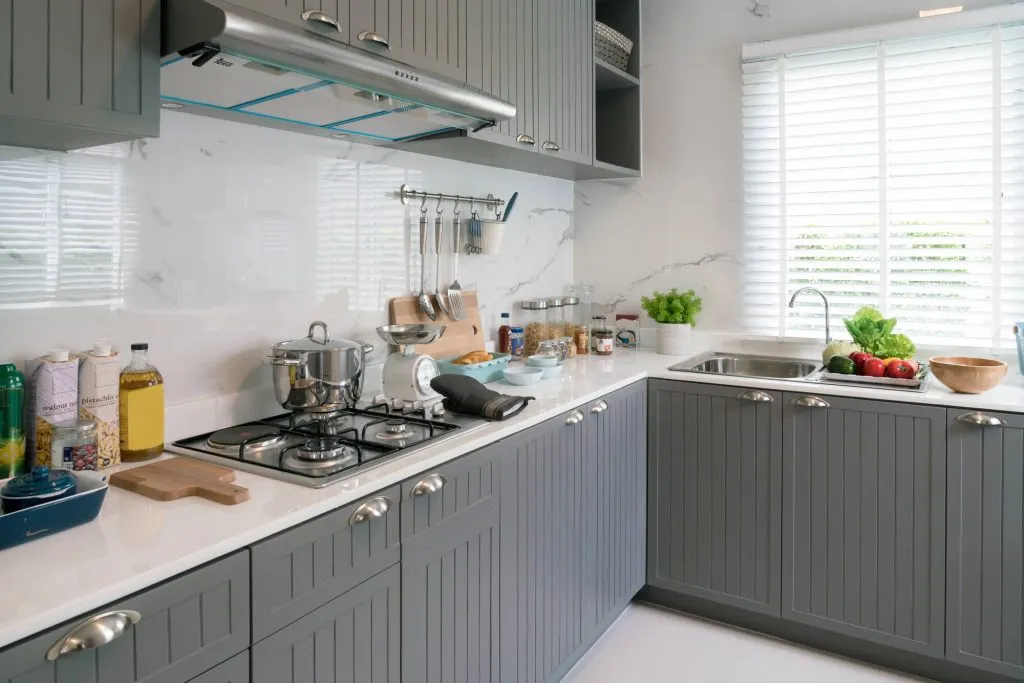
Choosing the Right Range Hood for Your Kitchen Style
Choosing the right range hood isn’t just about performance specs—it’s also about visual harmony. Your hood should feel like an intentional part of your overall kitchen layout, whether you’re creating a bold focal point or a seamless finish. Here’s how to match the right type and design of hood with your specific kitchen style.
Modern Kitchens
Modern kitchens favor clean lines, minimalism, and sleek materials. In this setting, a stainless steel or glass hood fits the tone without overwhelming the space.
- Slim profiles and low-profile chimney hoods are common.
- Push-button controls and built-in lighting enhance the streamlined look.
- For true minimalism, a concealed hood insert paired with flush cabinetry works well.
Modern kitchens benefit from hoods that are efficient and discreet, often with LED lights and smart ventilation features.
Farmhouse & Rustic Kitchens
Farmhouse and rustic kitchens tend to embrace natural textures, matte finishes, and a welcoming atmosphere. Here, a custom hood that complements shiplap walls or apron-front sinks feels right at home.
- Wood-clad cabinet hoods can be stained, painted, or distressed.
- Insert hoods fit neatly into cabinetry while preserving the rustic vibe.
- Baffle filters hidden inside a custom frame provide functionality without compromising charm.
Choose a range hood that enhances the kitchen’s warmth while still delivering the ventilation power needed for hearty meals.
High-End & Luxury Kitchens
In luxury kitchens, the range hood often serves as a signature design feature. Artisan hoods made from brass, copper, or hand-forged metal create instant visual drama.
- These kitchens usually demand higher-end models with advanced features like heat sensors, auto-start fans, and multi-speed extraction.
- Custom metal range hoods can be matched with designer appliances and cabinetry.
- Wide island range hoods are common in large, open-concept layouts.
If your kitchen has an extravagant design theme, your hood should reflect that level of craftsmanship and precision.
Small or Galley Kitchens
In smaller kitchens, every inch counts. That’s where space-efficient, high-performing range hoods come into play.
- Under-cabinet hoods or microwave range hoods save space while providing effective ventilation.
- Wall-mounted models with compact profiles can fit into tight corners or above narrow ranges.
- Ductless range hoods with charcoal filters may be more practical for apartments or retrofits.
Focus on the right range hood size and airflow capacity for your limited space without sacrificing performance or style.
Venting vs. Recirculating: What’s Best for You?
One of the most critical decisions in choosing a range hood is whether it should be ducted or ductless. The choice impacts everything from installation requirements to long-term effectiveness and air quality.
Ducted (Vented) Range Hoods
Ducted range hoods pull smoke, grease, and heat from the cooking surface and push it outside your home through a system of ducts. These are generally considered the gold standard for optimal performance, especially for gas cooktops, high-heat cooking, or frequent use.
- Superior at removing cooking odors and harmful particles.
- Requires access to an exterior wall or ceiling for duct routing.
- Often included in new construction or major kitchen renovations.
A ducted system is ideal if you’re building a new kitchen or if your current layout allows for a diameter duct run with minimal obstructions.
Ductless (Recirculating) Range Hoods
Ductless range hoods work by drawing air through charcoal filters or hybrid filters, and then recirculating the cleaned air back into the kitchen. These are typically used when ducting to the outside isn’t feasible—such as in apartments or in retrofitted installations.
- Easier to install with fewer structural changes.
- Often equipped with filter indicator lights for regular cleaning.
- Not as effective for removing moisture and heat buildup.
While ductless hoods offer convenience, they require more frequent maintenance and are best suited for light to moderate cooking styles—particularly gas ranges with low BTUs, electric stoves, or smaller kitchen setups.

Range Hood Sizing and Power Guide
Getting the size and power right is crucial for your range hood to perform effectively. A hood that’s too small or underpowered won’t adequately clear the air, while one that’s oversized may dominate the space unnecessarily. Here’s how to choose the right dimensions and ventilation strength for your setup.
Width Sizing Rules
The general rule for range hood size is simple: it should be at least as wide as your cooktop surface and ideally extend an extra 3 inches on each side.
- Standard ranges are 30″, 36″, or 48″ wide, meaning hoods should be 36″, 42″, or 54″, respectively.
- Island hoods should be even wider since they don’t benefit from wall-mounted containment—adding 6 inches on each side is ideal.
Matching the linear foot of your hood to your stove size ensures proper capture of smoke, steam, and heat.
CFM Ratings: How Much Power You Need
CFM stands for Cubic Feet per Minute, which measures how much air your hood can move. The more intense your cooking styles, the higher the CFM airflow you’ll need.
- A typical recommendation is 100 CFM for every 10,000 British Thermal Units (BTUs) on your cooktop.
- For gas ranges or high-powered stoves, consider hoods with 600–1,200 CFM.
- For electric ranges or induction cooktops, a lower range of 300–600 CFM may suffice.
Heavy cooking or frying? Go higher. Light reheating or simmering? Lower CFM can work. Remember, a higher CFM typically also leads to higher noise levels.
Mounting Height Guidelines
The distance between your cooking surface and the bottom of the hood matters for both safety and effectiveness.
- Wall-mounted hoods should sit 24–30 inches above gas stoves.
- Island hoods often mount higher—30–36 inches above the cooktop.
Going too high reduces capture efficiency; too low can be a safety hazard
Always refer to the manufacturer’s installation specifications, especially if you’re integrating a custom hood or need to work around a cabinet model or external venting range hood.
Range Hood Features to Consider
Beyond size and power, today’s range of hoods comes packed with features that enhance both performance and user experience. From noise control to lighting options and smart technology, here are the top features to look for when choosing your next hood.
Fan Speeds and Controls
Modern range hoods offer multiple speed settings, allowing you to adjust the ventilation power based on what you’re cooking.
- Look for models with at least three speeds: low (simmering), medium (sautéing), and high (grilling or frying.)
- Some higher-end models offer “in-between speeds” for better control.
- Common interfaces include push button controls, touch panels, and even remote access via mobile apps.
A fan with variable speeds and responsive controls helps maintain a balanced ventilation system in different cooking conditions.
Lighting Types and Placement
Good lighting improves visibility and enhances your cooking workspace. Consider both brightness and placement. LED lights are energy-efficient and long-lasting, and options include front-focused, center-mounted, or multi-point light placements
Some models even include dimmable settings or adjustable color temperature to match overhead lighting sources
Lighting well can elevate both utility and aesthetics.
Sound Ratings (Sones)
Noise level is a major factor—especially in open-concept kitchens. Sound is measured in sones, where 1 sone is about the sound of a quiet refrigerator.
- Quiet models range from 1.0 to 3.0 sones on low settings.
- Higher-powered settings can climb to 6 or more sones.
- Look for models that balance high CFM airflow with efficient, quiet operation.
Some brands also include insulation and fan wheel dampening to further reduce sound.Noise level is a major factor—especially in open-concept kitchens. Sound is measured in sones, where 1 sone is about the sound of a quiet refrigerator.
- Quiet models range from 1.0 to 3.0 sones on low settings.
- Higher-powered settings can climb to 6 or more sones.
- Look for models that balance high CFM airflow with efficient, quiet operation.
Some brands also include insulation and fan wheel dampening to further reduce sound.
Smart & Safety Features
Today’s hoods often come with convenient features that automate safety and improve usability.
- Heat-sensing range hoods activate automatically when cooking temperatures rise.
- Filter indicator lights alert you when cleaning is needed.
- Some models feature automatic shut-off timers or programmable ventilation cycles.
These features are especially useful in busy households or during extended cooking sessions.
Filter Types and Maintenance
The type of filter your hood uses determines how often you’ll need to clean or replace it.
- Mesh filters are lightweight and affordable but require frequent regular cleaning.
- Baffle filters are more durable and better for grease-heavy cooking.
- Charcoal filters are used in ductless models to trap odors and fine particles.
Consider how often you cook and how accessible the filters are for maintenance when choosing your ideal setup.
Cost Factors: What Influences Price?
The price of a range hood can vary dramatically depending on its type, materials, features, and installation requirements. Understanding these cost factors will help you choose a model that fits both your needs and your budget—without surprises later.
Hood Type & Materials
Different types of range hoods come with different unit prices. For example:
- Basic under-cabinet hoods may cost as little as $150–$300.
- Wall-mounted or island range hoods typically range from $400–$1,200.
The material also affects the cost—stainless steel and tempered glass are common and affordable, while copper or brass adds a premium.
Installation Complexity
The cost of installation depends on your kitchen layout and whether you need to make structural adjustments. Installing ductwork through an exterior wall or ceiling increases labor while retrofitting older homes may involve construction variance or code compliance upgrades
Additionally, add-ons like backdraft dampers, exterior blowers, or extended flues can raise prices
In general, ducted range hoods are more expensive to install than ductless models, especially if no pre-existing vent path exists.
Customization and Design Detailing
A custom hood with integrated lighting, custom trim, or cabinetry matching requires more detailed fabrication and materials. This is where pricing can escalate quickly.
Custom design elements may involve carpentry, painting, or specialized ventilation fittings. For example, hood inserts must be precisely installed inside a pre-built structure for both function and aesthetics
Expect to pay more for artisan or designer builds that align with your kitchen’s visual theme.
Long-Term Ownership Costs
Ongoing costs also matter when evaluating total investment:
- Filter replacements (especially charcoal filters in ductless hoods.)
- Routine service for motors, lighting, or smart components.
- Cleaning supplies and time required for maintenance.
Higher-end models may offer longer warranties or more durable components, which reduce long-term costs but increase up-front pricing.
When to DIY vs. Hire a Pro
Installing a range hood involves more than just attaching it to the wall—it must be positioned correctly, vented effectively, and aligned with both safety codes and kitchen design.
If you’re handy and your kitchen is already set up for a standard hood, a DIY install might be feasible. However, things get complicated fast when:
- Ducting must be added or rerouted.
- The hood needs to be vented through an exterior wall, roof, or ceiling.
- Electrical wiring is required for lights, fans, or smart features.
- You’re working with custom design elements or tight spaces.
Mistakes in placement, duct diameter, or mounting height can reduce efficiency and compromise safety. In many cases, especially with ducted systems or higher-end models, it’s safer and more cost-effective to hire a professional.
Cabinet IQ’s Professional Installation Benefits
Choosing a hood is one thing—installing it properly is another. Cabinet IQ’s licensed and insured team ensures:
- Precise measurement for alignment and airflow.
- Integration with cabinet model constraints and construction details.
- Adherence to manufacturer installation specifications for optimal performance.
- Clean, efficient installation with minimal disruption.
Our installers also factor in variables like pressurization level, clearance from sealed combustion appliances, and appropriate venting materials—all of which influence performance and code compliance.
Proper installation maximizes efficiency, extends the lifespan of your hood, and ensures that your investment performs exactly as it should.
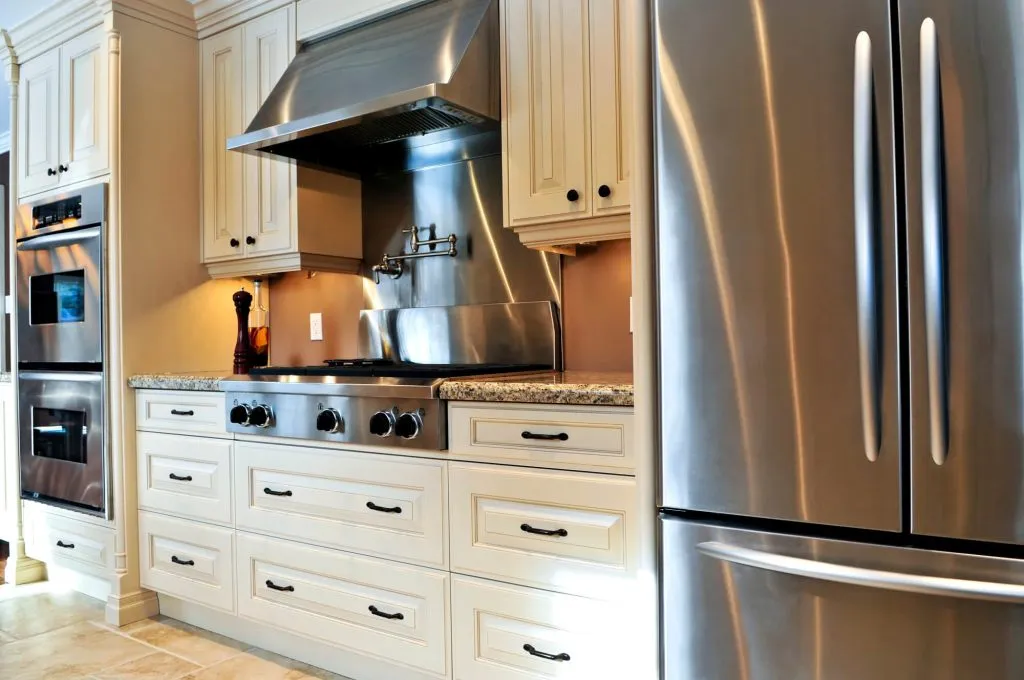
Care & Maintenance Tips
Keeping your range hood in good condition doesn’t just preserve its appearance—it ensures long-term performance and air quality. Routine care is essential, particularly if you cook often or use high-heat techniques.
How Often to Clean Filters
The most important maintenance task is the cleaning of filters, which can become clogged with grease, dust, and food particles over time.
- Mesh filters should be cleaned every 1–3 months, depending on usage.
- Baffle filters, used in higher-end models, are more durable but should still be cleaned regularly.
- Charcoal filters in ductless hoods don’t clean—these need to be replaced every 3–6 months.
Many hoods include filter indicator lights to help you stay on schedule.
Cleaning frequency may increase for families who cook daily or prepare a lot of fried or grilled foods. Run filters under warm water with degreasing detergent, or place them in the dishwasher if they’re rated for it.
Exterior Cleaning Tips by Material
Your hood’s exterior finish also needs attention to maintain its look and hygiene:
- Use microfiber cloths and non-abrasive cleaners for stainless steel, following the grain.
- Glass surfaces may show fingerprints more easily; use vinegar-based spray and soft cloths.
- Painted or wood-clad hoods may require specialized cleaners to avoid damaging the surface or sealant.
Avoid harsh chemicals that can dull finishes or break down protective coatings over time.
Signs It’s Time for a Replacement
Even with regular care, all appliances wear down eventually. Common signs that it’s time to consider replacing your range hood include:
- Poor suction or declining air through filters even after cleaning.
- Excessive noise that wasn’t there before (could signal a failing fan motor.)
- Flickering or non-functional lighting.
- Persistent odors in the kitchen, even after cooking light meals.
If repairs exceed 50% of the cost of a new hood—or if your current model no longer fits your cooking habits or kitchen design—it may be time to upgrade.
How to Pick the Perfect Range Hood for Your Kitchen
Selecting the best range hood for your kitchen comes down to balancing functionality, design preferences, and your available budget. Ask yourself:
- What type of cooking do you do most—light sautéing or heavy frying?
- Do you want a hood that blends in or makes a bold statement?
- Are you prioritizing easy installation or maximum performance?
- Does your layout support ducted ventilation, or do you need a ductless option?
From chimney hoods and insert models to cabinet hoods and island range hoods, there’s a wide variety of solutions to match every need.
Ask for Professional Help if Unsure
Choosing the right range hood,especially a vented range hood over a gas stove,is essential for removing heat, smoke, and volatile organic compounds, and offers far better performance than a standard microwave fan, which is why exploring the best range hoods with expert guidance from Cabinet IQ ensures a safer, cleaner, and more efficient kitchen environment.
Still not sure which range hood is the right fit? You’re not alone.
Ventilation, sizing, layout, and design alignment are complex, especially during a kitchen renovation. Cabinet IQ’s design and installation experts are here to guide you through the decision-making process, ensuring your hood is not just efficient but integrated beautifully into your space.
Contact us today to schedule your free design consultation—and take the next step toward building a kitchen that breathes as well as it looks.
FAQ
What is the best range hood for a small kitchen?
For small or galley-style kitchens, under-cabinet hoods or microwave range hoods offer space-saving benefits without sacrificing performance. Look for models with at least 300–400 CFM and multi-speed settings.
Are ductless range hoods effective?
Yes—but only when used appropriately. Ductless range hoods with charcoal filters can effectively remove odors and airborne grease but aren’t ideal for removing heat or moisture. They’re best for light to moderate cooking and in spaces where external venting isn’t possible.
How powerful should my hood be for gas ranges?
You should choose a hood that offers at least 100 CFM per 10,000 BTUs of your gas range. For example, a cooktop with 50,000 BTUs would require a hood rated at 500 CFM minimum. Heavy cooking may require higher capacity and baffle filters for grease management.
What is the quietest range hood on the market?
Quiet hoods typically operate at 1–3 sones on low settings. Some high-end models use insulated motors and fan wheel dampeners to maintain low noise levels even at higher speeds. Look for models specifically marketed as low-noise or quiet performance.