Quartz vs Granite Countertops: Which Material Is Better for Your Lifestyle?
Choosing the right countertop isn’t about finding the “best” material—it’s about finding the right one for you. When it comes to kitchen countertops, quartz vs. granite countertops is one of the most common comparisons homeowners face. Each material brings its own strengths, quirks, and aesthetic appeal. With this comprehensive guide, we’ll break down the differences […]
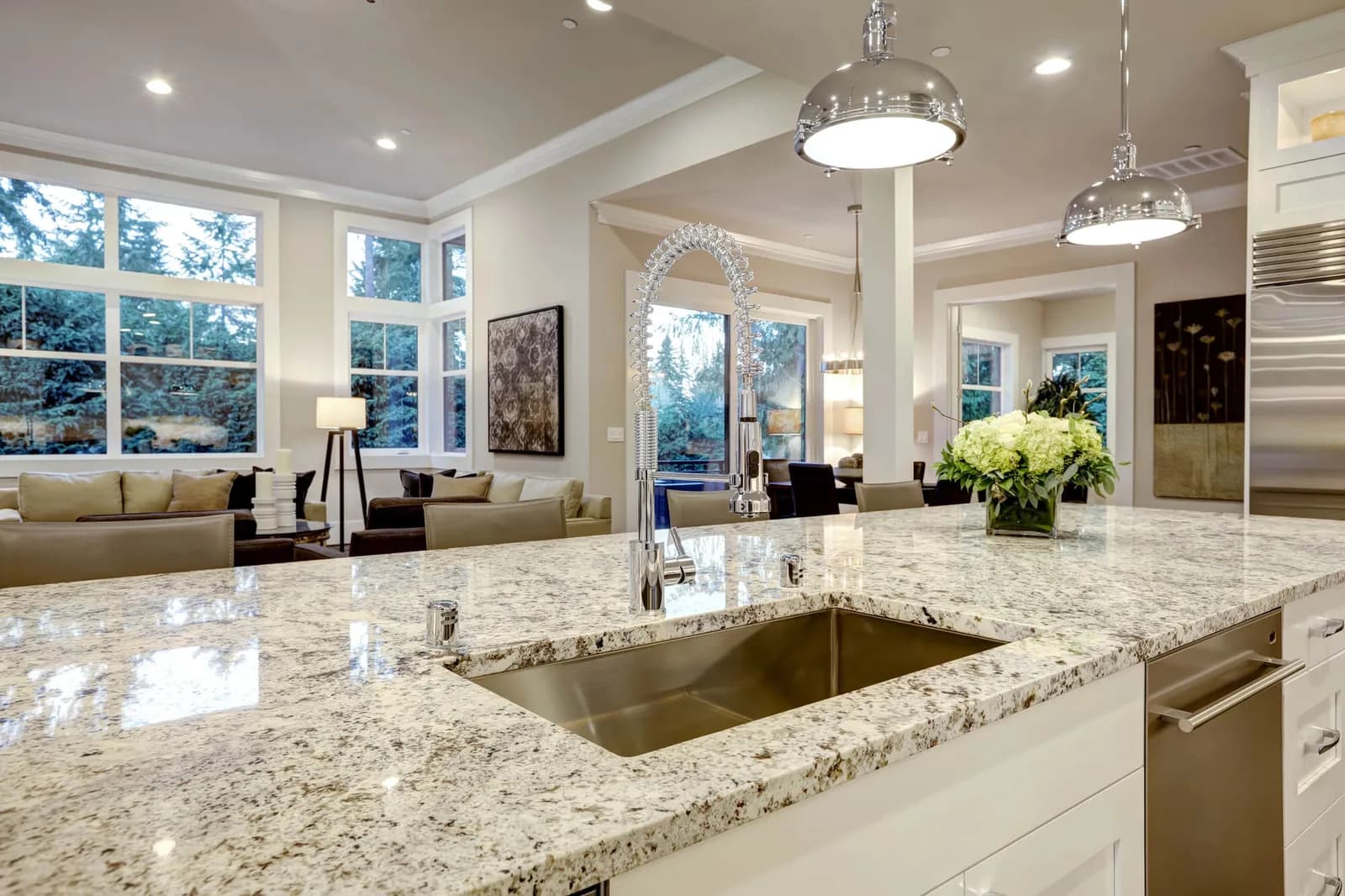
Choosing the right countertop isn’t about finding the “best” material—it’s about finding the right one for you. When it comes to kitchen countertops, quartz vs. granite countertops is one of the most common comparisons homeowners face. Each material brings its own strengths, quirks, and aesthetic appeal.
With this comprehensive guide, we’ll break down the differences between granite and quartz to help you determine which surface material is best for your lifestyle, home design, and budget.
What Are Quartz and Granite Countertops Made Of?
The first step in the decision-making process for quartz vs. granite countertops is knowing the composition of these two popular materials, as it gives you a better insight into their unique qualities.
Quartz – Engineered for Versatility
Quartz countertops are made from a blend of crushed quartz, a naturally abundant mineral, combined with polymer resins and pigments. This creates an engineered quartz surface with a non-porous surface that’s incredibly durable, stain-resistant, and easy to clean. The consistent appearance and wide range of color options make quartz a popular choice for modern kitchens.
According to the National Kitchen & Bath Association’s 2024 Kitchen Trends Report, 73% of industry professionals expect quartz kitchen countertops to grow in popularity over the next few years—compared to only 32% for granite.
Granite – Natural Beauty Straight from the Earth
Granite countertops are made from slabs of natural granite, an igneous rock extracted from quarries around the world. Each granite slab is a unique piece of natural material, full of mineral patterns, veins, and speckles. This natural stone material is known for its timeless beauty and rugged strength. However, as a porous material, it must be sealed to resist stain damage and bacteria.
Appearance & Aesthetic Flexibility
One of the biggest considerations in the choice between quartz and granite is their look—and how they fit your style of kitchen.
Color Options & Style Matching
Quartz provides a wider variety of colors and finishes, from sleek white quartz countertops to options that mimic the beauty of marble, concrete, or butcher block. Because it’s engineered stone, quartz allows for uniform appearance and color-matching resin across slabs.
Granite, by contrast, offers natural variation. No two slabs are the same, making it ideal for homeowners who want a beautiful statement piece. From darker colors to light-speckled tones, granite countertop colors reflect the beauty of nature.
Which Fits Your Kitchen Design Style?
- A quartz countertop complements modern designs, minimalist kitchens, and spaces that call for clean, consistent colors and polished surfaces.
- A granite countertop is a perfect match for traditional, rustic, or luxury kitchens, where natural patterns and a more organic feel are desired.
Maintenance & Cleaning Requirements
If your main concern is cleaning with soap and going about your day, maintenance cost and ease of use will factor heavily into your decision.
Quartz – Effortless Everyday Maintenance
Quartz is non-porous, which means liquids won’t soak in. It doesn’t require sealing, making it a low-maintenance option for busy families and professionals. For regular cleaning, just use warm water, a soft cloth, and a drop of mild dish soap. Wipe with circular motions, and you’re done—no special granite cleaner or sealing schedule is needed.
Granite – Routine Care with a Natural Touch
Granite requires a bit more attention. Its porous nature means that if not sealed properly, acidic substances like food coloring or wine can seep in and stain. You’ll need to apply a sealant regularly and use granite-safe cleaners to maintain its natural shine. If you’re comfortable with routine care, granite rewards you with long-lasting beauty.
Durability, Stain Resistance, and Heat Tolerance
Both materials are known for being durable countertop materials, but they differ in how they handle heat, scratches, and spills.
Scratch and Stain Performance
- Quartz countertops are stain-resistant thanks to their nonporous material. However, they can scratch from sharp objects, so it’s best to avoid cutting directly on the surface.
- Granite countertops are extremely scratch-resistant—you can even dull your kitchen knives on them—but if unsealed, they are more prone to staining from oil or dark-colored liquids.
Heat Resistance
- Granite has natural heat resistance and can tolerate hot cookware better, making it ideal for avid cooks.
- Quartz is heat resistant, but the polymer resin may warp under excessive heat, so thermal shock from placing hot pans directly on the surface should be avoided.
Lifestyle tip: No matter what material you choose, always use hot pads or trivets.
Price Range & Installation Considerations
The average price range of both granite and quartz will vary depending on multiple factors, from the labor cost involved to the sourcing of the granite and the quality of the quartz countertops.
Nonetheless, quartz countertops will typically be available at lower costs compared to granite.
Average Costs Compared
- Cost of Quartz: Typically ranges between $70–$100 per square foot installed.
- Cost of Granite: Can range from $50–$200 per square foot, depending on the rarity and origin of the stone.
Factors That Influence Pricing
For both materials, costs can rise based on:
- Edge profiles
- Slab thickness
- Brand or quarry of origin
- Color rarity
- Labor fees from a professional installer
In terms of cost, quartz may have a higher initial price but offers a lower maintenance cost over time. Granite costs can fluctuate more dramatically, especially for rare colors or imported stone.
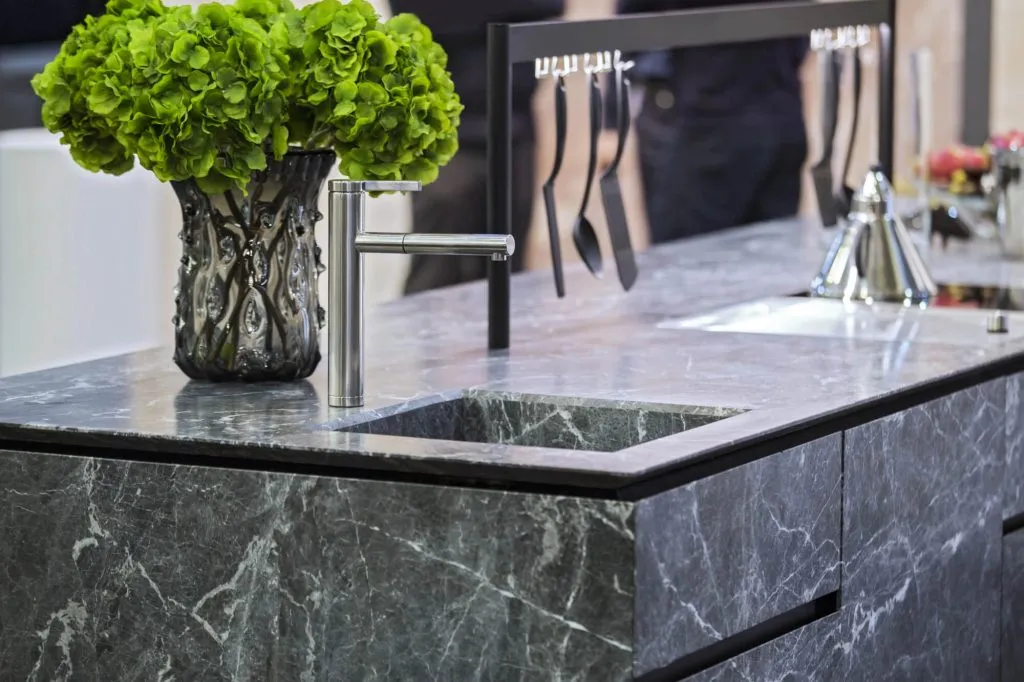
Granite vs. Quartz Countertops for Different Lifestyles
Choosing the right countertop material isn’t just about looks—it’s about lifestyle, cooking habits, and your home’s overall vibe. While they are both extremely durable materials, each has its own strengths and weaknesses that require some thought by homeowners when choosing one over the other.
Best for Families with Kids or Rental Properties
Quartz is considered the best option for families and rentals, as its non-porous surface, stain resistance, and easy maintenance make it ideal for high-traffic areas, renters, and busy families. A quick wipe and some mild soap keep it looking fresh. Granite stone countertops can also work with kids and rental properties because of their resistance to heat, preventing common accidents in family cooking. However, they require more maintenance in the long run.
Best for Serious Home Cooks or Traditional Homes
Granite edges ahead with its natural heat resistance and durability under pressure. It also fits well into traditional kitchens that value the natural beauty of stone.
Best for Busy Professionals or Minimalist Spaces
For a hygienic and worry-free kitchen, quartz is the go-to. It’s easier to clean, more uniform, and always photo-ready with minimal effort.
Best for Those Who Love Nature or Unique Pieces
Granite wins on individuality. If you want a real stone look with distinct colors, varied patterns, and a natural stone surface, granite provides a tactile connection to nature.
Ultimately, the choice is one where the balance between personal preferences and functionality will be the goal for any kitchen.
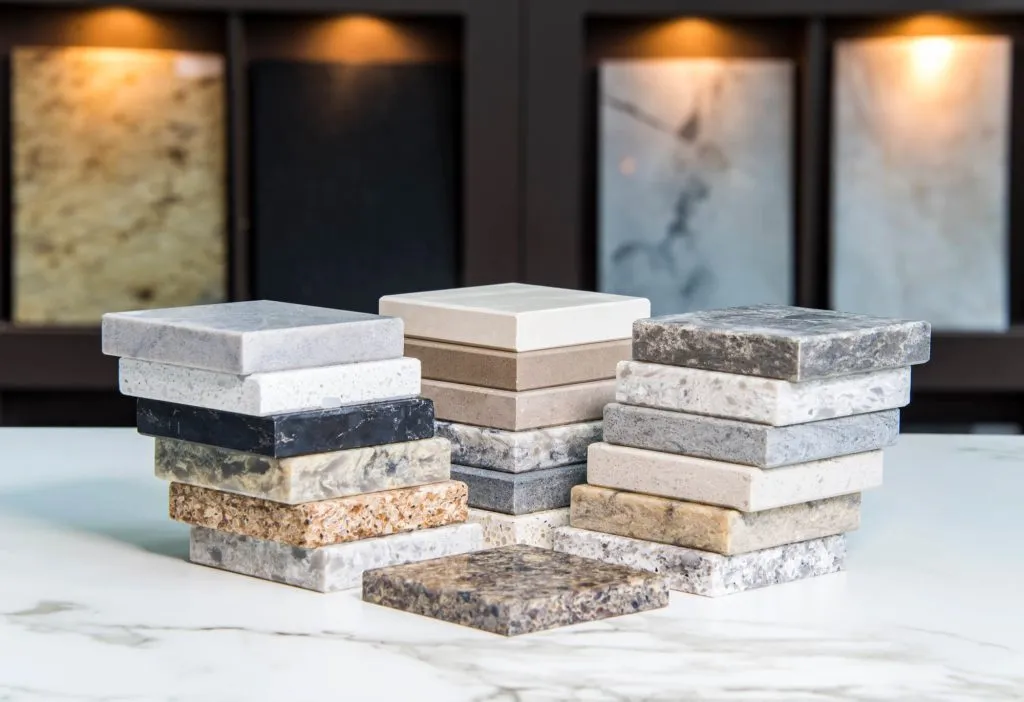
Cabinet IQ Verdict: Which Material Do Our Clients Choose?
At Cabinet IQ, we see a strong demand for both materials, depending on the project.
- Quartz remains popular for modern renovations, bathroom vanities, and kitchen remodels focused on ease and simplicity.
- Granite still shines in homes that lean toward all-natural aesthetics, custom accent pieces, or designs aiming to make a bold statement.
We carry a wide range of stone countertops—and our expert designers help clients match materials to their kitchen designs, lifestyle, and budget.
Not sure which one is right for your lifestyle? Book a design consultation today.
Final Thoughts: Quartz vs Granite – Choose Based on Lifestyle, Not Hype
Quartz vs granite countertops isn’t a matter of one being better—it’s about what’s better for you. If you want a beautiful, hygienic, and low-maintenance surface, quartz might be your answer. If you prefer a natural statement piece with heat resistance and classic charm, granite might steal your heart.
Whatever you choose, Cabinet IQ is here to help you build the perfect kitchen—whether it’s filled with white cabinets, quartz slabs, or natural granite.
Explore more in our Countertop Gallery or Schedule Your Consultation today.
FAQ – Quartz vs Granite Countertops
Is quartz more durable than granite?
Both are durable, but quartz is more stain-resistant, while granite is more scratch and heat-resistant. The choice depends on your priorities.
Does granite stain more easily than quartz?
Yes, due to its porous nature, granite needs sealing to avoid absorbing liquids. Quartz is non-porous and resists stains better.
Can I place hot pans directly on granite or quartz?
You can place hot pans on granite (briefly), but it’s safer to use trivets. Quartz can suffer from heat damage due to resin breakdown.
Which is more environmentally friendly—granite or quartz?
Granite is an all-natural, biodegradable material, but quarrying has a carbon footprint. Quartz uses recycled materials but also involves manufacturing. Both have trade-offs, although locally sourced quartz will be the preferable option for those looking for a slightly more sustainable kitchen remodel.
Are there big design differences between the two?
Yes. Quartz offers a consistent look and wider color range, while granite delivers unique natural patterns.
Which countertop lasts longer with proper care?
Both can last decades. With regular cleaning and the right habits, each can offer unparalleled durability.