How to Plan Your Wood Cabinet Kitchen Design
One of the most popular options for high-quality kitchen cabinet materials is wood. Wooden cabinets are customizable and can be crafted to match any style of interior design, from traditional to contemporary (and everything in between). Before beginning any step of the renovation process, you should consider the finished look that you want to achieve. […]
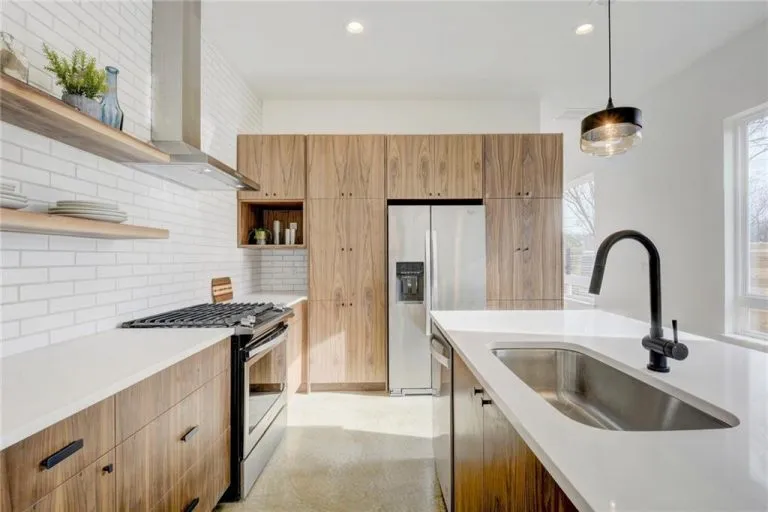
One of the most popular options for high-quality kitchen cabinet materials is wood. Wooden cabinets are customizable and can be crafted to match any style of interior design, from traditional to contemporary (and everything in between). Before beginning any step of the renovation process, you should consider the finished look that you want to achieve. Think about how the design of your kitchen and cabinets fit into your personal style and the aesthetics of your entire home. Once you have an idea of the look you want to achieve, Cabinet IQ can help you plan your wood cabinet kitchen design from start to finish.
When choosing the type of wood you will be using for your kitchen cabinets, here are 3 details to consider.
Advantages of Wood as a Material for Kitchen Cabinets
Let’s first take a moment to show just why wood has been a timeless choice for kitchen cabinets. It’s been valued for its versatility, durability, and natural beauty, along with other key advantages for your kitchen cabinets:
- Aesthetic Appeal: Wood is a natural material that brings warmth and character to any kitchen, with a variety of natural grains, colors, and textures to suit different styles. Its timeless quality works well with traditional, rustic, transitional, or modern kitchen designs.
- Customizable: Wood cabinetry is a highly versatile material and can be customized with various stains, paints, and finishes to match your preferred look for upper or lower cabinets. It’s easy to carve or shape, which is why it’s a popular choice and ideal for intricate cabinet door styles and designs or decorative details like moldings and panels.
- Durability and Longevity: Solid wood is sturdy and long-lasting, able to withstand daily use in the kitchen. With proper care, wood cabinets can last for decades, making them a worthwhile investment.
- Variety of Options: Different wood species (oak, maple, cherry, walnut, etc.) offer unique aesthetics and price points for your lower and upper cabinets, giving you plenty of options to fit your budget and style. You can mix wood types for a distinctive, layered look, from light wood kitchen cabinets to dark wood kitchen cabinets and a wide range in between. We’ll dive deeper into each of these later on.
- Repairable and Renewable: Unlike synthetic materials, this natural material can often be repaired rather than replaced. Scratches, dents, or wear can be sanded down and refinished, extending its lifespan. Wood is a renewable resource, and opting for sustainably sourced wood supports eco-friendly practices.
- Timeless Appeal: Solid wood cabinets rarely go out of style, making them a safe choice for homeowners who want a classic look that endures, even in their modern kitchens. Their natural beauty complements trends while maintaining a grounded, elegant feel.
- Improves Home Value: Solid wood cabinets are often seen as a premium feature, enhancing the resale value of your home. Their durability and classic appeal make them an attractive selling point for potential buyers.
Choosing wood for your kitchen cabinets not only ensures functionality but also provides an opportunity to create a space that’s uniquely yours, blending beauty and practicality seamlessly.
The Three Considerations When Looking for Natural Wood Cabinets
When choosing the type of wood you will be using for your kitchen’s upper cabinets, here are 3 details to consider.
1. Wood Type
All woods fall into one of two categories: hard and soft. These traits are distinguished based on the type of tree each wood type comes from. Hardwood is a more versatile material, often available in numerous colors and finishes. Softwoods are often more readily available and can be offered at a lower cost, depending on the project you are wishing to complete.
2. Wood Color
All woods have natural coloration but can often be customized to achieve your ideal wood cabinet kitchen design. The color of wood you choose should depend on the style of cabinets you are choosing. For example, white is the most popular color for modern finishes and some transitional kitchens, followed by shades of blue and black. Farmhouse styles are often gray or cream colors, and industrial style cabinets often combine elements of metal with naturally colored woods.
3. Wood Grain
The grain of a particular wood refers to its alignment, texture, and various patterns that naturally occur. Since this is a naturally occurring feature, every type of grain is slightly different, but often includes one of several patterns including spirals or arches. It’s a feature only natural wood cabinets can offer.
Common and Popular Types of Wood for Kitchen Cabinets and Their Ideal Kitchen Styles
When designing wooden kitchen cabinets, the type of wood and finish you choose can significantly impact the overall look and feel of your kitchen. Below is a list of the most popular types of wood and finishes, along with the kitchen and cabinet styles they complement best:
1. Oak Cabinets
Oak cabinets are durable, versatile, and often has a pronounced grain pattern. Available in red or white varieties.
- Best Finishes: With oak kitchen cabinets, you want stained (to highlight the grain), painted, or natural for a rustic feel.
- Kitchen Styles:
- Traditional Kitchen: Dark-stained oak adds depth and warm wood tones.
- Rustic or Farmhouse: White cabinets made from oak with a natural or distressed finish works beautifully, and go well with a mosaic tile backsplash, for example.
- Craftsman: Medium stains highlight oak’s strong grain, suiting this timeless style.
2. Maple Wood
Smooth and light-colored wood with a subtle grain, making it easy to customize.
- Best Finishes: Painted (especially white or pastel shades), light stains, or natural for a clean look.
- Kitchen Styles:
- Contemporary kitchens: Painted maple suits sleek, minimalist designs, along with their stainless steel appliances.
- Transitional: Light stains provide versatility, blending modern and natural elements.
- Scandinavian: Natural finishes align with the light, airy vibe of Nordic designs.
3. Cherry Wood Cabinets
Rich, reddish-brown wood that darkens over time, with a smooth grain.
- Best Finishes: Medium to dark stains to enhance its natural warmth.
- Kitchen Styles:
- Traditional: Dark-stained cherry exudes elegance and sophistication.
- Modern: Paired with clean lines and minimal hardware, cherry creates a contemporary or modern design.
- Craftsman: Highlights the natural beauty of the wood in a warm, inviting way.
4. Walnut Wood Cabinets
A rich, dark wood with a straight grain, offering a luxurious look.
- Best Finishes: Natural or lightly stained to maintain its deep color and texture.
- Kitchen Styles:
- Modern: Walnut’s sleek, dark appearance adds a high-end, sophisticated touch.
- Mid-Century Modern: Natural finishes emphasize walnut’s warm tones and clean lines.
- Industrial: Paired with metal accents and stainless steel appliances, walnut enhances a rugged yet refined look.
5. Birch
Affordable, light-colored wood with a smooth texture and subtle grain.
- Best Finishes: Painted for affordability or light stains to preserve its natural beauty.
- Kitchen Styles:
- Transitional: A painted finish creates a versatile look that bridges styles.
- Scandinavian: Light-stained birch enhances bright, minimal spaces.
- Contemporary: Painted birch offers a clean and budget-friendly option.
6. Hickory Cabinet
Hickory cabinets are strong and durable with a dramatic, contrasting grain pattern.
- Best Finishes: Natural or clear finishes to showcase its striking grain.
- Kitchen Styles:
- Rustic: Hickory’s bold grain on cabinet doors works well in rustic and cabin-style kitchens.
- Farmhouse: Adds a cozy, natural feel when left in its raw state.
- Eclectic: Hickory’s unique look complements a mix of design styles and textures. A kitchen full of stainless steel appliances might need this cozy contrast.
7. Pine
A soft, light wood with visible knots that create a charming, rustic look.
- Best Finishes: Painted for a country feel or natural for a distressed, vintage appearance.
- Kitchen Styles:
- Cottage or Country: Painted cabinets made from pine in white or pastel hues creates a cozy atmosphere.
- Rustic: Natural or stained pine enhances the warm, homey vibe.
- Farmhouse: Distressed finishes bring authenticity to farmhouse kitchens.
8. Mahogany
Luxurious hardwood with a deep reddish-brown hue and smooth, even grain.
- Best Finishes: Polished or stained to enhance its rich, elegant color.
- Kitchen Styles:
- Traditional: Mahogany creates a classic, luxurious feel.
- Victorian: Adds a rich, formal tone perfect for antique-inspired kitchens.
- Contemporary: In sleek designs, mahogany lends a warm yet modern aesthetic.
Popular Cabinet Finishes for Wooden Kitchen Cabinets
- Painted Finishes: These are best for maple, birch, and pine, and ideal for contemporary, cottage-style, and transitional kitchens.
- Stained Finishes: Best for oak, cherry, walnut, and hickory, and used to highlight the wood’s natural beauty, making it perfect for rustic, traditional, or craftsman kitchens.
- Distressed Finishes: Use on pine, oak, and hickory. They enhance rustic, farmhouse, vintage-inspired, or rustic kitchen designs.
- Natural/ Clear Finishes: For walnut, hickory, and maple. Showcases the wood grain, suitable for Scandinavian, modern, or eclectic styles.
Get Started Today
No matter what features you want to incorporate in your wood cabinet kitchen design, Cabinet IQ’s team of expert designers will work with you to make your dreams a reality. With decades of experience in kitchen design, our experts pair quality craftsmanship with functional beauty to help you create the kitchen of your dreams. Contact us at (512) 706-9139 or email info@cabinetIQ.com to get started with a free consultation today.