Countertop Edge Styles: Design Rules, Ideas & Mistakes to Avoid
When planning a kitchen remodel, most homeowners spend time obsessing over countertop materials like quartz, granite, or marble, but often overlook one subtle yet transformative design detail: the countertop edge style. Your countertop edge profile isn’t just a finishing touch. It influences the entire aesthetic appeal, feel, and function of your space. The edge you […]
By Jan Rutgers
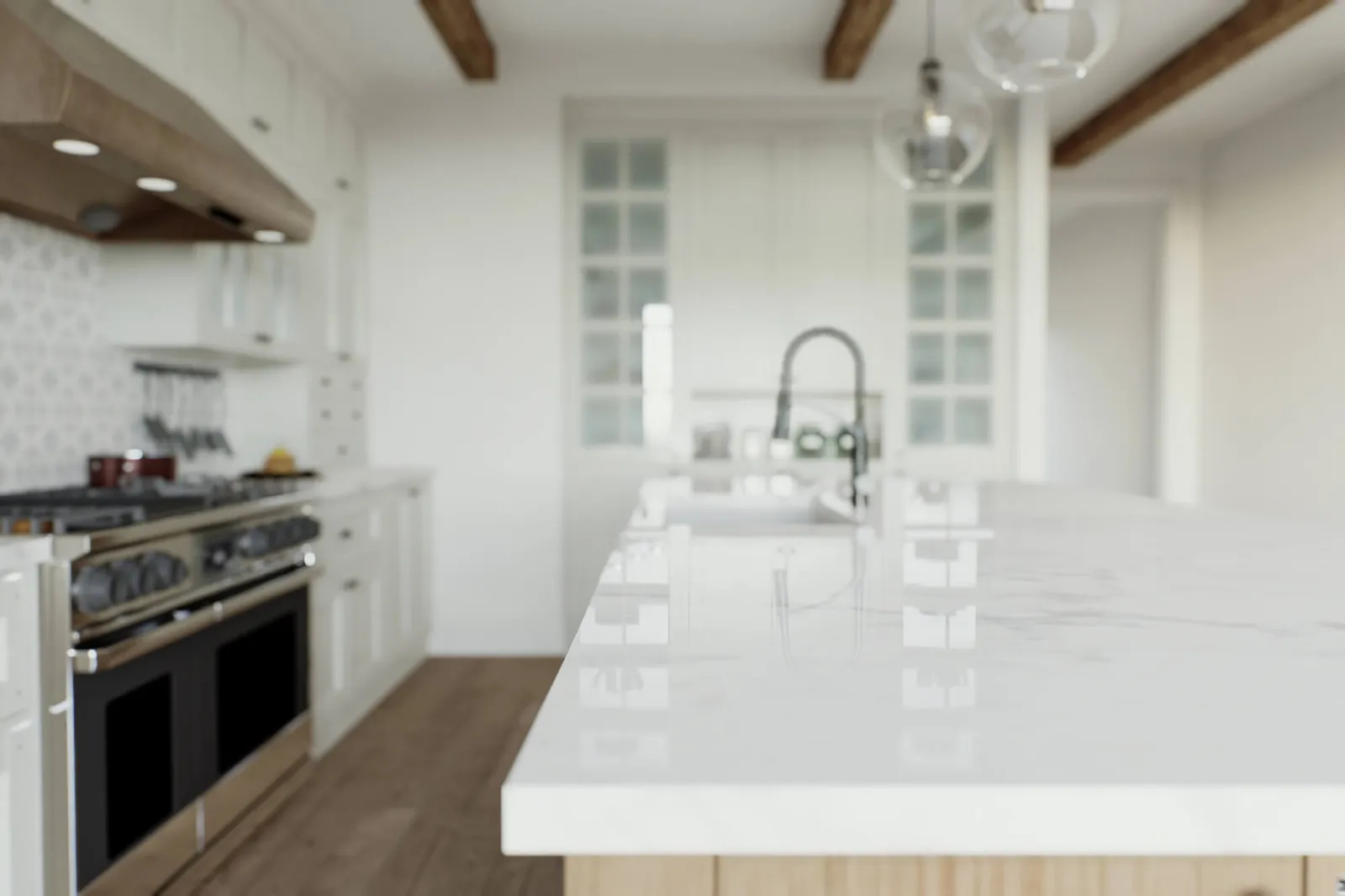
When planning a kitchen remodel, most homeowners spend time obsessing over countertop materials like quartz, granite, or marble, but often overlook one subtle yet transformative design detail: the countertop edge style.
Your countertop edge profile isn’t just a finishing touch. It influences the entire aesthetic appeal, feel, and function of your space. The edge you choose defines whether your kitchen leans modern or classic, rustic or refined. It impacts everything from visual weight and slab design continuity to cleaning ease and even child safety.
At Cabinet IQ, we help homeowners and interior designers navigate hundreds of edge profiles across various materials, including quartz and natural stone slabs like granite. Our experts walk you through which countertop profiles fit your design scheme, how thicknesses change the look, and which options make the most sense for your kitchen island, bathroom, or basement renovation.
If you’re investing in high-end counter fabrication, the edge profile deserves attention. This guide covers the essentials, from popular countertop edges to functional design rules and the common mistakes you’ll want to avoid.
What Are Countertop Edges and Why Do They Matter?
Countertop edge profiles serve two purposes: they finish the look of your countertop and protect it from wear and chipping.
The edge softens or sharpens the line where your stone slab meets the cabinetry below. Some edge styles emphasize minimalism and cleanliness, while others add character, depth, or a more custom edge profile suited to a French farmhouse kitchen or transitional space.
But this isn’t just a style decision. The edge profile also affects:
- Durability: Thicker or rounded edges resist chips better than sharp corners.
- Safety: Homes with children or elderly family members benefit from smoother profiles.
- Cleaning and maintenance: Simpler countertop edge profiles collect less dust and crumbs.
- Fabrication complexity: More intricate edge profiles may cost more due to extra labor and precision.
Quartz and Granite Edge Considerations
Quartz and granite, Cabinet IQ’s preferred kitchen countertop materials, are both derived from stone and are the top choice of homeowners for good reasons.
However, not all stone behaves the same during fabrication.
- Engineered quartz allows for more consistency across complex edges.
- Natural stone, like granite, requires special care during shaping due to its unique veining and composition.
Certain edge profiles (like a full ogee, Dupont edge, or laminated waterfall edge) may be better suited to engineered materials for stability. Others, like eased, beveled, or full bullnose styles, work across both quartz and natural stone countertops with minimal stress on the slab.
Tip: Always consult a trusted fabricator or countertop installation professional, like our team at Cabinet IQ, to ensure your material and edge profile are compatible.
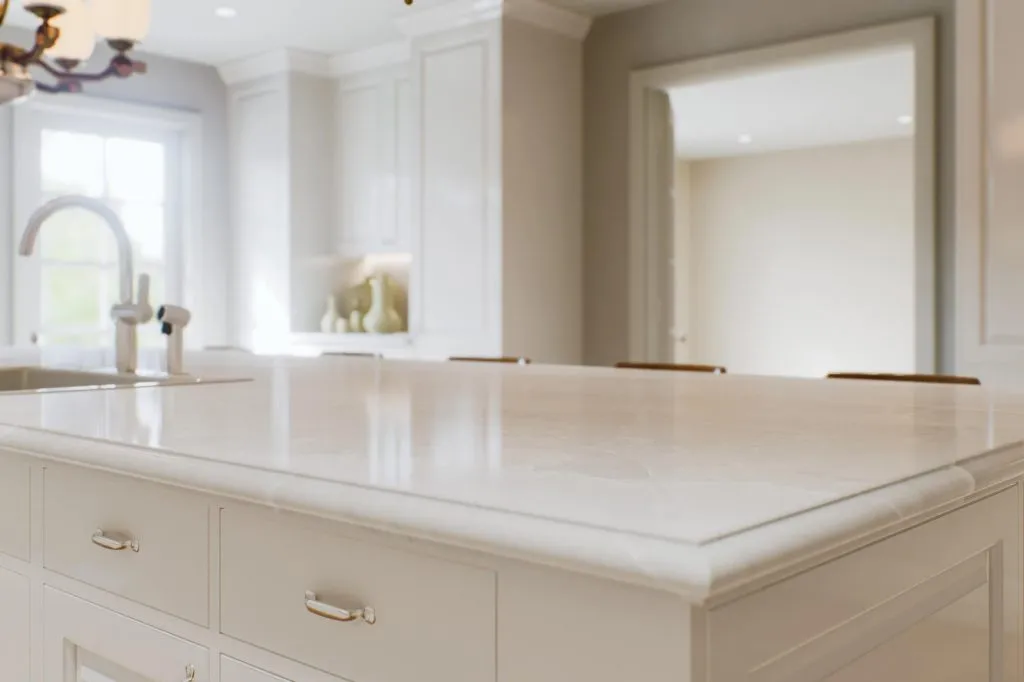
Popular Countertop Edge Styles Explained
There are dozens of countertop edge profiles and variations of each available, but most kitchens benefit from a core group of trusted styles. Whether you’re working with quartz, granite, or another surface, each edge profile adds its own character, level of maintenance, and design effect.
Eased Edge (Standard)
An eased edge is a sleek, straight edge with slightly softened corners. It’s the default choice for many quartz and granite countertops and complements almost any design scheme. Its clean lines fit well in both modern and transitional kitchens.
- Ideal for: Minimalist aesthetics, easy cleaning, budget-conscious remodeling
- Works with: All materials, including quartz, granite, and quartzite
Beveled Edge
Featuring a subtle 45-degree angle along the top edge, the beveled edge adds dimension without being too ornate. It reflects light beautifully and works especially well in smaller kitchen spaces where visual movement helps open up the room. There are variations for longer bevels, like the 1/2″.
- Ideal for: Transitional styles, bathrooms, or paired with shaker cabinets
- Maintenance: Easy to clean but requires careful sealing on natural stone
Bullnose Edge (Full & Half)
The bullnose edge is fully rounded for a smooth, soft appearance. A half bullnose features a rounded top edge that flattens toward the cabinetry. Both offer a safe, family-friendly profile and make the countertop appear thinner or thicker depending on how it’s used.
- Ideal for: High-traffic kitchens, kids’ spaces, or homes with seniors
- Materials: Great with granite and quartz; less common on delicate marble
Ogee Edge
Ogee edges are a traditional favorite featuring an elegant horizontal S-curve. It adds a touch of classic luxury and pairs beautifully with ornate cabinetry and statement backsplashes.
- Ideal for: Upscale kitchens, bathrooms, or statement islands
- Aesthetic: Evokes classic European or French country styles
Mitered Edge
A mitered edge joins two stone slabs at a 45-degree angle to create a “thick look” without needing an ultra-thick slab. This edge is a top pick for modern, high-end spaces and waterfall countertops on kitchen islands.
- Ideal for: Dramatic islands, luxury kitchens, modern designs
- Note: Requires expert installation professionals and precise cuts to maintain visual continuity
Pencil Edge(Square or Straight)
Sometimes called a square or straight edge, or flat edge, the pencil edge looks minimalist and architectural. It works best in sleek kitchens but can be prone to chipping due to sharp corners.
- Ideal for: Contemporary kitchens, small spaces
- Caution: Not recommended for heavy-use areas or kitchens with children, unless slightly eased, which would turn it into an eased edge
Specialty and Custom Edge Profiles
These include:
- Waterfall edges: A waterfall edge is when the countertop material flows over the side of an island or cabinet for a continuous slab look.
- Dupont edges: While it requires a lot of work, this is an intricate chiseled edge profile that often merges a straight or beveled edge with a subtle cove or bullnose feature, resulting in an exclusive and eye-catching appearance.
- Cove edges: An elegant cut is done in the top of the edge, similar to the ogee, but easier to create. It can be prone to chipping.
While these custom edge profiles are visually striking, they require more involved counter fabrication and may increase overall installation complexity and cost.
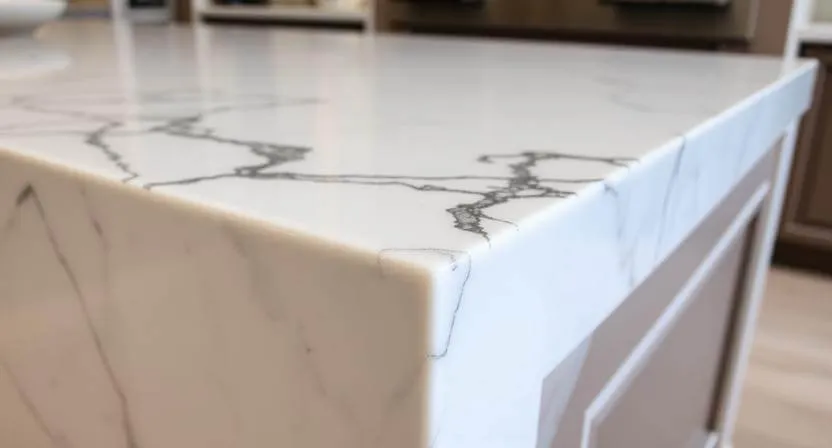
How to Choose the Right Edge for Your Kitchen or Bathroom
Choosing the best countertop edge style requires evaluating your material, kitchen layout, and how the edge interacts with the entire design theme and elements in the space.
Match the Edge to Your Style
Your edge profile should reflect your overall design scheme. Here’s a quick breakdown:
- Modern kitchens: Straight, eased, or mitered edges work best for clean lines and minimalist appeal.
- Traditional or classic kitchens: Ogee-edged, bullnose, and bevel profiles offer more decorative curves and warmth.
- Rustic or farmhouse kitchens: Chiseled or custom edges can amplify the personality of the space.
Countertop edge profiles serve as subtle yet influential accents that tie the room together.
Consider Your Surface Material
While many countertop edge styles are technically compatible across different stone types, some work better with specific materials:
- Quartz: Ideal for complex or custom edge profiles due to its consistent composition.
- Granite and natural stone: Require more careful edge shaping and polishing to maintain integrity around veining or softer mineral deposits.
- Quartzite and marble: Often demand experienced fabricators for precision edgework, especially with intricate profiles.
Always consult your installation professionals to make sure your material and edge style are a smart match.
Think About Maintenance and Safety
Some edges are easier to clean and live with than others:
- Eased or straight edges are simple to wipe down and resist grime buildup.
- Ogee or beveled profiles have more grooves and angles that can trap dust or crumbs.
- Bullnose edges are great for child safety and accident prevention.
If you’re installing countertops in high-use areas like a kitchen island or bathroom vanity, opt for low-maintenance profiles that balance aesthetics with practicality.
Coordinate with Cabinet Style and Thickness
Edge thickness should feel proportional to your cabinetry and space. Mitered edges or a laminated slab create a thick, bold presence that can overwhelm narrow cabinets if not balanced correctly.
Also consider:
- How the edge visually aligns with your backsplash
- Whether you’re using waterfall countertops that require seamless visual continuation
- The height and shape of nearby features like sinks, appliance panels, or end panels
Consulting with an experienced stone retailer or showroom designer can help align all of these elements into a unified look.
The Common Mistakes to Avoid When Choosing Countertop Edges
A countertop edge that looks perfect in a showroom may not work in your specific home. These common pitfalls can lead to regret or costly changes down the road.
Prioritizing Style Over Function
While a sharp square edge or double ogee might look stunning in a design magazine, it may not be ideal for a high-traffic kitchen. Sharp edges can chip easily, pose safety risks, and aren’t ideal for families with young children.
Better choice: Go for rounded or slightly eased profiles in busy residential spaces, reserving ornate designs for low-traffic areas or display islands.
Ignoring Material-Specific Constraints
Not all materials work equally well with every edge style. A natural stone slab like granite may chip if fabricated into a delicate edge shape. Similarly, some custom edge styles can’t be achieved cleanly with heavily veined quartzite.
Tip: Work with a trusted fabricator who understands both the material and edge design constraints before finalizing your selection.
Mismatching with Kitchen Design
It’s easy to fall in love with an edge style that doesn’t match your cabinet lines, door styles, or appliance finishes. A heavy mitered edge or sleek waterfall edges can feel too modern in a traditional kitchen, while an ornate ogee might clash with ultra-modern flat-panel cabinetry.
Solution: Use visualization tools, like a countertop edge visualizer, or request renderings from your designer to preview the combination in context.
Forgetting Long-Term Maintenance
Complex edge profiles can become magnets for dust, crumbs, and moisture. This can be especially frustrating in cooking-heavy kitchens or bathrooms with high humidity levels.
Recommendation: If you prefer low-maintenance living, stick with simplified edge styles that wipe clean with a single pass.
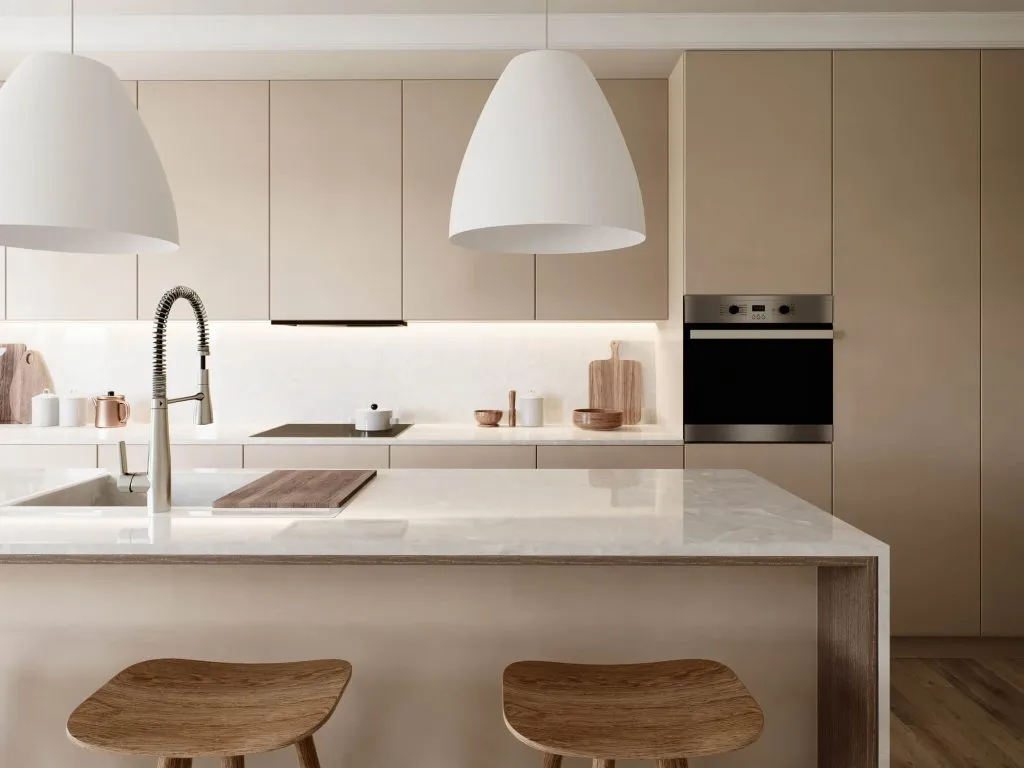
Cabinet IQ’s Approach to Edge Selection
At Cabinet IQ, we treat countertop edge selection as a vital part of the design process and not an afterthought. Our goal is to help homeowners, contractors, and interior designers make informed, aesthetically aligned decisions that hold up beautifully over time.
Collaborative Design Guidance
Our design experts guide you through edge profiles based on your material, cabinetry, and overall design scheme. Whether you’re planning a modern quartz kitchen island with a mitered edge or a transitional kitchen with an eased profile, we match your lifestyle with the most suitable options.
We also help homeowners balance creativity with function, ensuring your edge not only looks great but supports long-term durability, safety, and maintenance goals.
Fabrication Expertise with Premium Materials
Because we specialize in quartz and granite, we understand how each edge interacts with specific materials. Our countertop fabrication process accounts for slab movement, veining direction, and installation factors like overhang, cabinet alignment, and waterfall applications.
From natural stone slabs to engineered surfaces, our team ensures each countertop edge is fabricated to exacting standards.
Visualization Tools and Real Samples
Selecting a countertop edge can be difficult without seeing it in context. That’s why we provide material samples, visual references, and access to visualization tools to help you picture how your countertop edge will look once installed.
Want to see how an ogee edge quartz countertop plays with a shaker cabinet, or how a waterfall edge transforms your kitchen island? We make that easy before you commit.
Make the Edge Count
When it comes to countertop design, edges are where materials meet form and where your kitchen gains its finishing character. From functional considerations like cleaning and durability to visual impact and material compatibility, your kitchen countertop edge selection plays a major role in the overall design success of the space.
Whether you’re working with a granite countertop, a quartz countertop, or a laminate countertop, each material pairs differently with popular profiles such as an eased edge for a clean, modern look, a beveled edge for subtle definition, or a classic bullnose edge that softens the kitchen counter and improves safety. More decorative options like an ogee edge add elegance to traditional kitchens, while a mitered edge creates a bold, substantial appearance. For contemporary designs, a waterfall edge can turn a kitchen counter into a striking focal point.
Whether you’re remodeling a sleek modern kitchen, a rustic basement bar, or a classic family bathroom, the right edge style enhances not only the kitchen countertop’s appearance but the entire space. Choose your profile thoughtfully, consult professionals, and be sure it fits your material, lifestyle, and vision—whether you’re designing with granite, quartz, or laminate.
Ready to Upgrade Your Kitchen?
If you’re planning a kitchen remodel or exploring new countertops, now is the perfect time to take a closer look at edge profiles. At Cabinet IQ, we make it easy to select the right material, design, and edge style, all backed by expert fabrication and installation.
Schedule your design consultation today, and let’s craft a kitchen or bathroom that feels polished in every detail, right down to the edge.