Quartz Countertop Care: Maintenance Tips for Longevity
Quartz countertops are a beautiful, durable, and low-maintenance choice for any kitchen or bathroom. But even this popular countertop material isn’t immune to wear and tear if you don’t treat it well. Fear not: with proper care and routine cleaning, your quartz surfaces can maintain their stunning look for decades. Here, we’ll walk you through […]
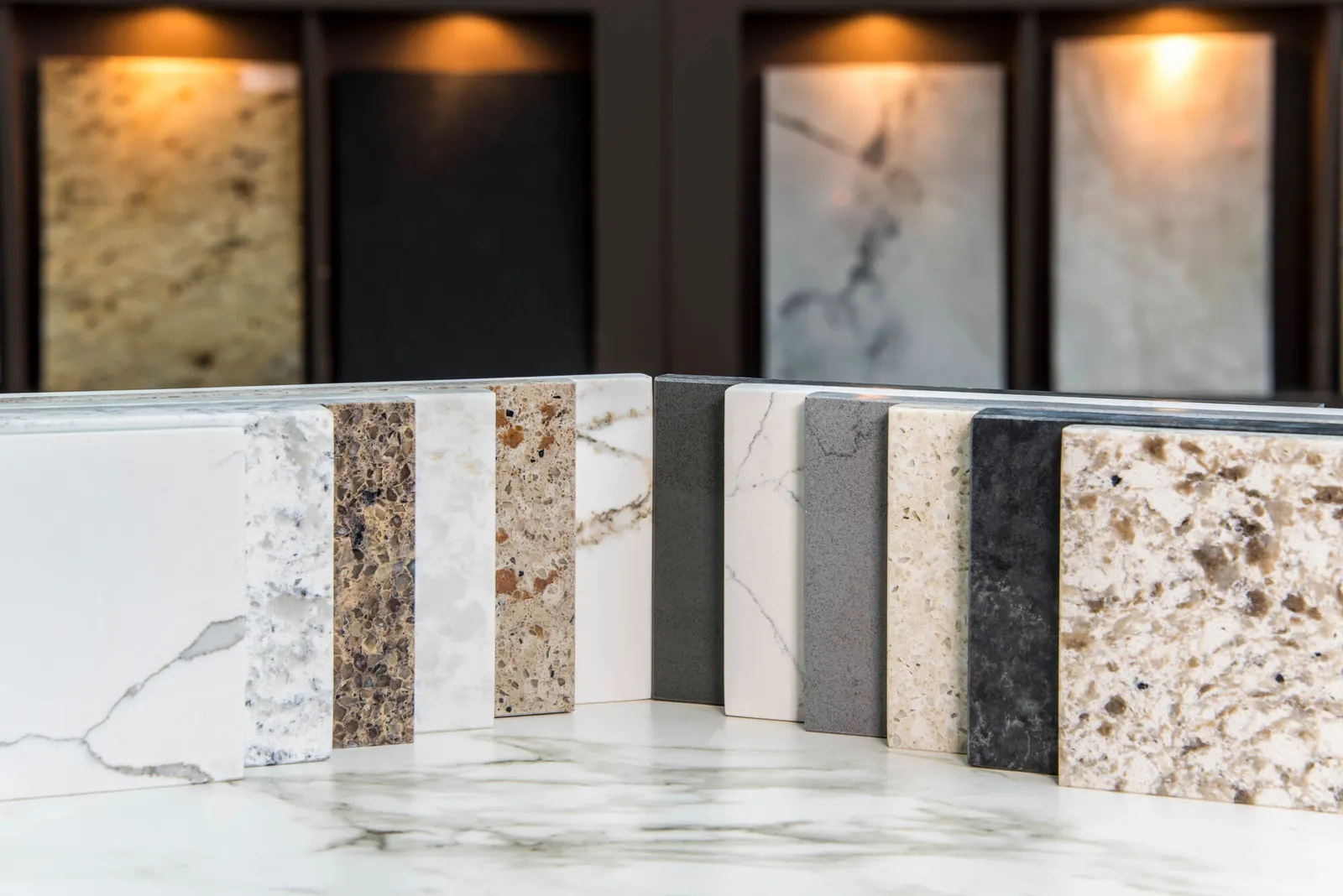
Quartz countertops are a beautiful, durable, and low-maintenance choice for any kitchen or bathroom. But even this popular countertop material isn’t immune to wear and tear if you don’t treat it well.
Fear not: with proper care and routine cleaning, your quartz surfaces can maintain their stunning look for decades. Here, we’ll walk you through simple steps, cleaning tips, and care techniques to preserve your investment and keep your countertops clean, healthy, and long-lasting.
Why Quartz is a Popular Choice for Modern Kitchens
Quartz has rapidly become one of the most popular kitchen countertop materials for good reason. It’s an engineered mix of natural quartz crystals and resin for kitchen countertops, and it offers a balanced combination of beauty, strength, and ease of maintenance.
Aesthetic Consistency & Design Versatility
Unlike natural stone countertops like granite or marble, quartz can be made to provide a smooth surface with consistent color and patterning. Whether you’re going for a sleek modern kitchen or a more traditional look, quartz colors range from pure white to rich patterns that mimic marble countertops or the textured appearance of concrete.
Non-porous & Stain-Resistant by Nature
Quartz countertops are non-porous, meaning they don’t absorb liquids. This makes them highly resistant to common kitchen stains from coffee, wine, tomato sauce, and food coloring. Unlike granite countertops or concrete countertops, there’s no need for sealing.
Low Maintenance Appeal
One of the most attractive benefits of quartz countertops is the ease of care. Routine care involves just a damp cloth or soft sponge, a bit of mild dish soap, and clean water—ideal for busy families, Airbnb kitchens, and even bathrooms with quartz countertops.
Quartz vs. Other Common Countertop Materials – What Sets It Apart?
When comparing quartz with other types of countertops, several advantages of quartz countertops stand out.
Quartz vs. Granite
Granite countertops are well-known for their natural beauty and uniqueness and can be the perfect option for many homeowners and their kitchens. However, they are porous and require regular sealing, which might not fit with every lifestyle or cooking method. Quartz counters offer a more uniform appearance and require less maintenance, giving them a clear edge in everyday cleaning. More on this here.
Quartz vs. Marble
While marble countertops boast timeless elegance, they are prone to etching from acidic products like citrus liquids. Quartz mimics the appearance of marble but is more resistant to chemical damage and does not require special cleaners.
Quartz vs. Concrete
Concrete countertops provide a trendy, industrial look but can stain, chip, or crack over time and must be sealed often. Quartz offers a similar appearance with less risk of damage and greater ease of maintenance.
Quartz vs. Laminate
Laminate is a cost-effective option but is less durable and lacks the high-end finish of quartz. Quartz offers better long-term value, more polished finishes, and a greater variety of color options.
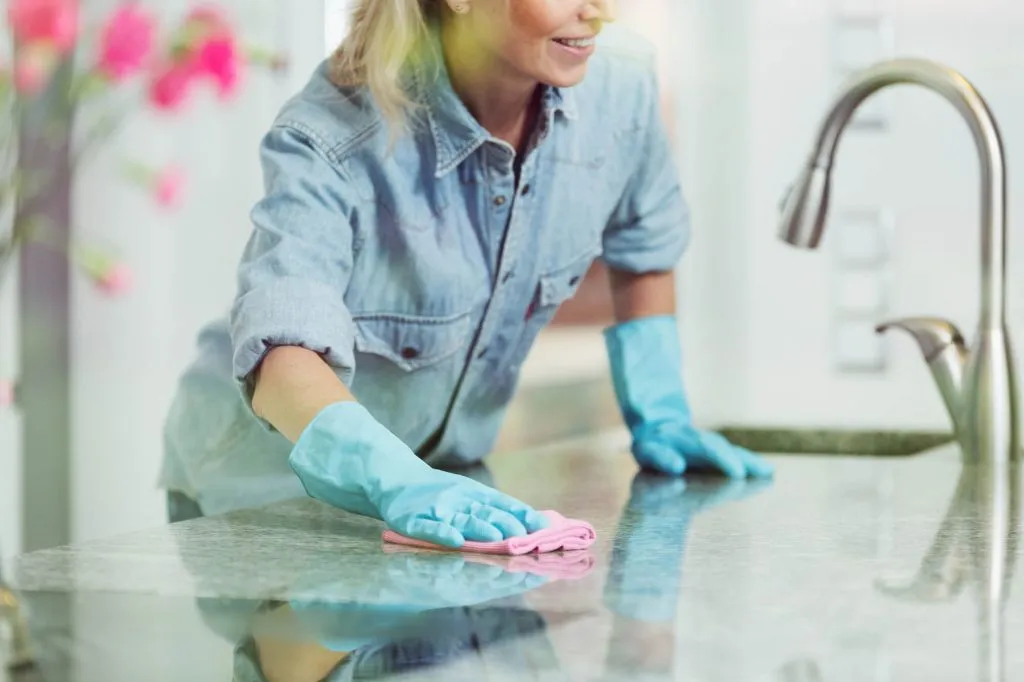
Daily Care: Simple Habits That Preserve Shine
Everyday cleaning is key to maintaining the beauty of quartz countertops. Here are a few simple methods:
- Most non-abrasive cleaners will do fine, but you truly just need a soft cloth or microfiber cloth dampened with warm water and a drop of mild dish soap. Clean in circular motions. And that’s it!
- For standing spills or food residue, wipe immediately with a damp cloth to avoid potential damage.
- Avoid direct contact with hot cookware, crock pots, or electric skillets—use hot pads or trivets to prevent thermal shock, as heat resistance is not a quartz strength.
- Use cutting boards to avoid accidental knife cuts or dulling your polished countertop surface.
Deep Cleaning Tips for Tough Stains on Quartz Counters
As much as we wish every stain only took soap or mild detergents and some warm water to clean our countertops, we know cooking will sooner or later fling stubborn stains on your clothing, dishes, floors, and countertop surfaces that will dry or stick to any surface, even quartz.
Here are a few ways to clean quartz countertops for those hard stains that need more than just soapy water and a soft cloth.
Best Quartz Cleaners
Stick to non-abrasive cleaning products or quartz-safe cleaners. A spray bottle with a mix of mild soap and warm water works well for routine cleaning. For tougher messes, use mild alcohol solutions.
Avoid using:
- Bleach-based cleaners
- Ammonia-based cleaners
- Oven cleaners
- Drain cleaners
- Any product containing methylene chloride or abrasive materials
Handling Common Issues
- Gum or dried paint: Use a plastic putty knife to gently scrape, then clean with isopropyl alcohol.
- Grease or oil soaps: Apply a safe degreasing cleanser and wipe with a non-abrasive sponge.
- Hard water spots: Use mild vinegar on a sealed surface only, followed by a rinse with clean water and a clean, lint-free cloth to avoid soapy residue.
- Food coloring: Be very careful with food coloring on your quartz, especially white quartz countertops. They are very hard stains to get out after they dry. When cooking with food coloring, always add it over the sink or boards. If some get on your quartz counters, clean immediately with soapy water and a soft cloth.
What to Avoid with Quartz Countertops
Quartz is heat resistant but not heatproof. Prevent unnecessary wear and potential damage with these tips:
- Avoid placing hot pans, electric skillets, or crock pots directly on the quartz surface.
- Never use harsh cleaners, chemical products, or acidic cleaners.
- Do not expose quartz to direct sunlight for prolonged periods.
- Skip harsh chemicals in the form of abrasive cleansers, abrasive tools, or rough finishes that can dull the polished look.While a quartz countertop is scratch-resistent, it is not scratch-proof
- Don’t apply nail polish remover or food coloring or let colored liquids sit—these can stain even a non-porous surface.
Disadvantages of Quartz, And Why They May Not Matter
No material is perfect. Here are a few common concerns about quartz—and why they’re often not deal-breakers:
- Heat sensitivity: As mentioned, while quartz is heat resistant, extreme temperatures can cause thermal shock. Always use protection like trivets.
- Higher cost: Quartz may cost more than laminate or tile but requires less regular maintenance and offers a clean, healthy, and long-lasting countertop.
- UV instability: Outdoors, direct exposure can lead to discoloration. Quartz is best used indoors.
- Lack of natural variation: Some prefer the variation of natural stone, but quartz offers appearance options with greater consistency and versatility.
How Long Do Quartz Countertops Last with Proper Maintenance?
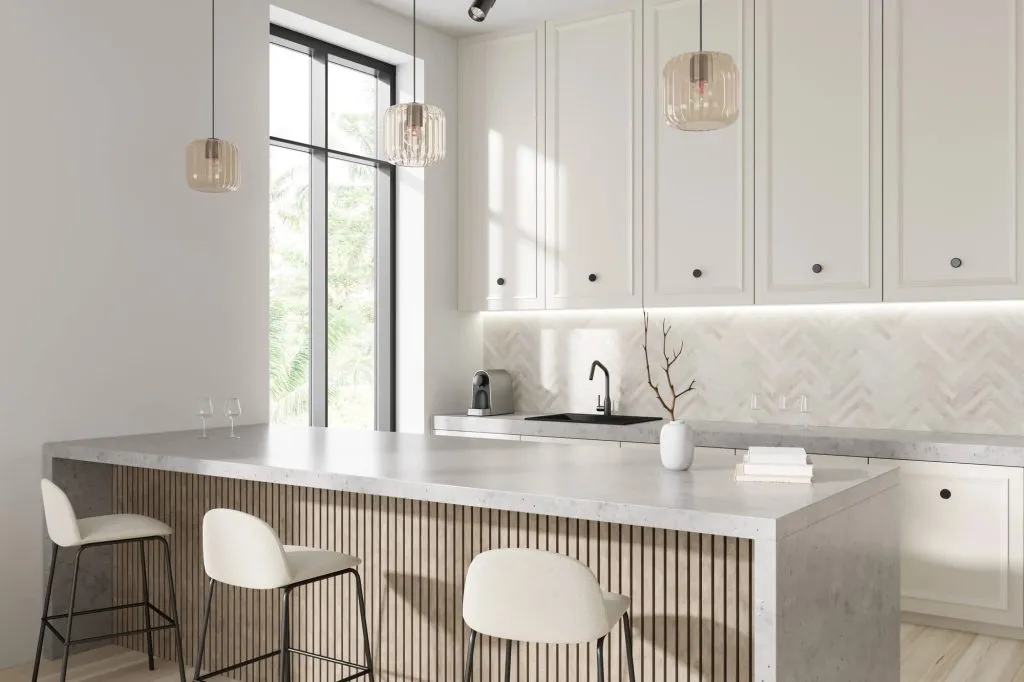
Quartz surfaces are built to last. With routine care and gentle cleaning products, you can expect them to last 15–25 years—even longer with professional installation.
Leading quartz brands like Cambria offer comprehensive warranties. At Cabinet IQ, we’ve seen beautiful quartz countertops for over 30 years in high-use kitchens.
Cabinet IQ Pro Tip: Protecting Your Investment
Want to keep your bathroom vanity countertop or kitchen counters pristine for decades? We recommend:
- Annual checkups from a professional cleaner or quartz specialist.
- Only use safe cleansers.
- Consult with our experts for care tips tailored to your quartz type and finish.
Final Thoughts: Protect Your Surface, Enhance Your Space
With the right habits and a few gentle cleansers, your quartz countertop can remain a beautiful finish in your home for decades. At Cabinet IQ, our commitment to clean design, long-lasting quality, and exceptional service means you’re always supported.
FAQ – Quartz Countertop Cleaning & Maintenance
Can you use Clorox wipes on quartz countertops?
Generally not recommended. They often contain bleach or acidic components that degrade the resin over time.
What should you not use on quartz countertops?
Avoid abrasive products, harsh chemicals, alkaline cleaning products, vinegar, ammonia, and chlorinated cleaners.
How often should I clean my quartz countertops?
Perform everyday cleaning with mild dish soap solution and a soft sponge. Do a deeper clean once a week.
Does quartz need to be sealed like granite?
No. Unlike granite, quartz is a non-porous surface and doesn’t require sealing.
Can quartz be used outdoors?
Not recommended. Quartz countertops can fade or yellow with casual exposure to UV rays.
What happens if I put a hot pan directly on quartz?
It may cause thermal shock, potentially cracking the surface. Always use hot pads.
How long will quartz countertops last?
With proper care and maintenance, they can last up to 30 years or more.