Quartz vs Granite: Price & Cost Comparison (2026)
When it comes to choosing the perfect countertop material for a kitchen remodel, the debate between quartz and granite remains one of the most discussed topics among homeowners. Both materials are highly sought-after for their durability, aesthetic appeal, and long-term value. But when it comes to cost, understanding what influences the price and what you […]
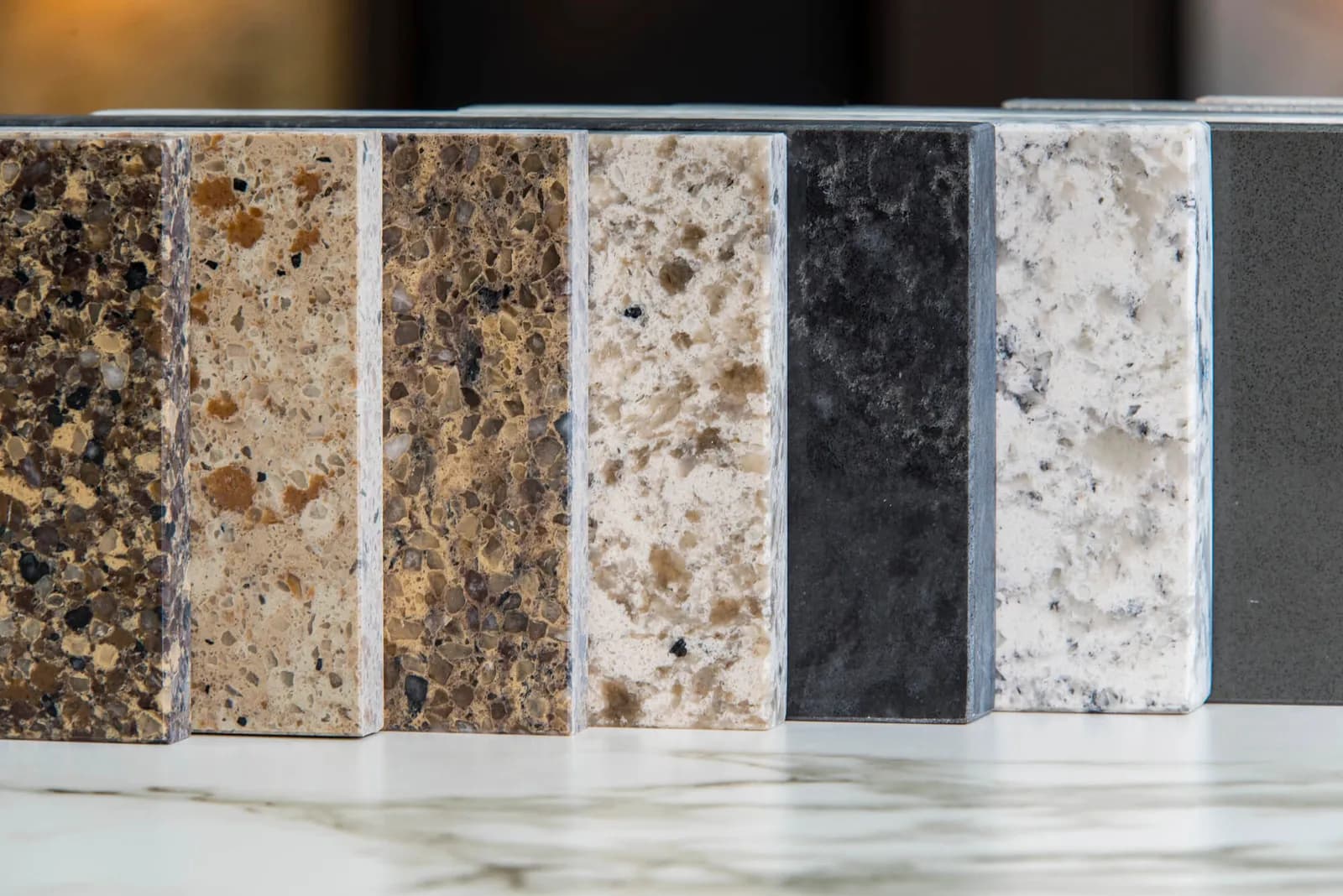
When it comes to choosing the perfect countertop material for a kitchen remodel, the debate between quartz and granite remains one of the most discussed topics among homeowners. Both materials are highly sought-after for their durability, aesthetic appeal, and long-term value. But when it comes to cost, understanding what influences the price and what you truly get for your investment can be the deciding factor.
Quartz countertops are engineered to have sleek, consistent patterns and low maintenance. Granite countertops, by contrast, offer a unique blend of color and veining, making them a favorite for those who appreciate natural beauty and variation.
This blog post breaks down the cost factors of quartz vs granite countertops, including installation costs, long-term maintenance, and how each material impacts home resale value.
Whether you’re updating kitchen countertops, tackling a full kitchen remodel, or even considering bathroom countertops, Cabinet IQ helps you make the most informed and cost-effective decision. Let’s explore how these two countertop materials stack up in terms of price, fabrication, maintenance, and beyond.
Quick Answer: Quartz and granite countertops generally fall within overlapping price ranges, although granite may have a lower starting price in some markets. Premium selections of either material can cost considerably more, so the final price depends on the specific slab or design, fabrication requirements, kitchen layout, and installation details.
Quartz vs. Granite: What’s the Difference?
Stone countertops in general probably look the same to a large part of homeowners, so it can sometimes be difficult to decide when asked by their kitchen remodelers between granite countertops and quartz countertops, especially if all they have to go by is the cost.
Knowing there are big differences, and what they are, will get you halfway towards making the best choice for your kitchen.
What Is Granite?
Granite is a natural stone formed from cooling magma deep within the Earth. Each slab is quarried, cut, and polished, which results in one-of-a-kind patterns and veining. Natural granite countertops are heat-resistant, scratch-resistant, and incredibly durable. Some slabs might require periodic sealing to maintain stain resistance due to their natural porosity, although natural granite is nevertheless denser and more durable than other traditional countertop materials like marble.
The uniqueness of each natural granite slab is a major draw for homeowners seeking a more organic and earthy countertop material. From bold, dramatic patterns to subdued neutrals, these natural stones offer visual richness that manufactured surfaces can’t replicate.
What Is Quartz?
Quartz is a type of engineered stone created from a blend that is 94% – 96% natural quartz crystals, and 4 to 6% polymer resin and pigments. The manufacturing process results in a non-porous, highly durable material that resists staining, bacterial growth, and moisture penetration. Quartz countertops offer homeowners a uniform look in color and pattern, making them a popular choice for contemporary and transitional kitchen styles.
Its low porosity also means that quartz doesn’t require sealing, a major cost and maintenance benefit over time. Many quartz countertops mimic the aesthetic of natural stone like marble, but without the same care requirements.
Aesthetic Differences & Homeowner Preferences
- Granite appeals to those who love the beauty and unpredictability of natural stone, making it seem more visible thanks to its natural pattern disruption.
- Quartz is ideal for homeowners seeking precision, uniformity, and modern edge designs, offering greater consistency in fabrication.
Ultimately, your material choice may depend as much on style preferences as on budget, sustainability, and long-term maintenance goals.
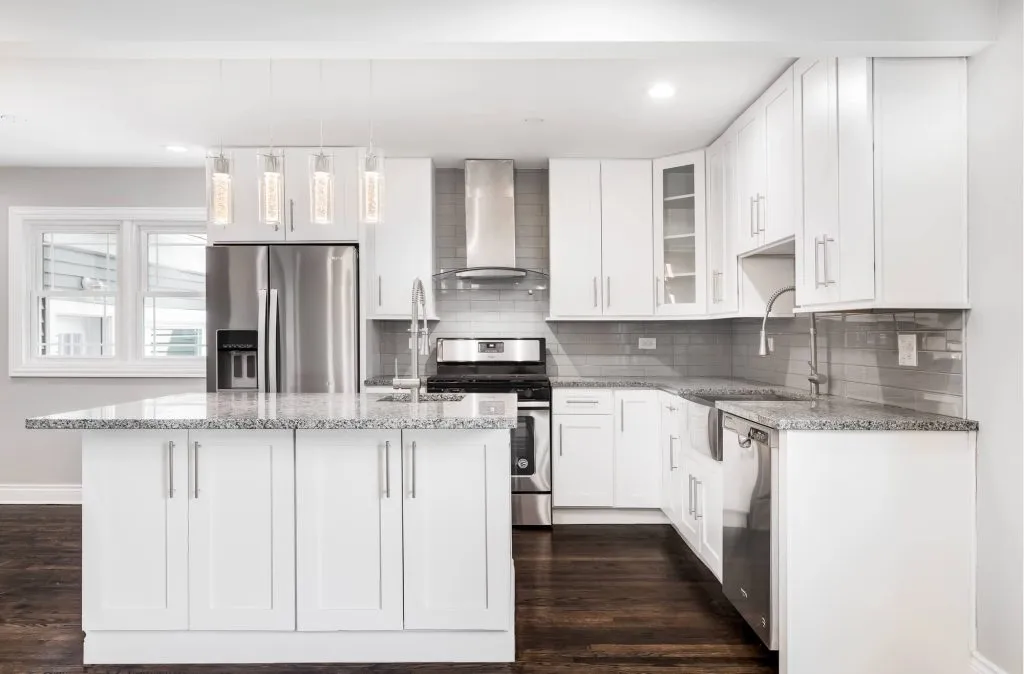
The Quartz vs Granite Cost Rundown
While each of these stone countertop materials offers distinct benefits and aesthetic appeal, their price points can significantly impact your budget. However, you’ll see that it’s not as easy as just looking at the price tag on a square foot of stone.
Here’s a comprehensive breakdown to help you weigh your options effectively.
Average Cost Per Square Foot
Granite and quartz countertops typically fall within a similar price range, although specific costs vary based on the brand, color, finish, and region.
| Cost Comparison | Quartz Countertops | Granite Countertops |
| General Installed Price Range* | $55–$150 per sq. ft. | $50–$140 per sq. ft. |
| Starting Price | May start slightly higher | May offer lower-priced selections |
| Premium Selections | Designer colors and patterns may exceed the typical range | Rare or exotic slabs may exceed the typical range |
| Routine Surface Care | Does not typically require sealing | Some slabs may require periodic sealing |
These figures are general national estimates, not a Cabinet IQ quote. Actual pricing varies by market, material selection, countertop thickness, edge profile, cutouts, fabrication, delivery, kitchen layout, and installation requirements.
Installation Costs
Installation costs depend heavily on the manufacturer, complexity of the job, number of cutouts (for sinks, cooktops, etc.), and edge profiles selected. Standard edge designs are less expensive than ornate profiles, for example.
Granite can sometimes incur higher fabrication costs due to its weight and variability, which can affect seams and slab matching.
Cabinet IQ offers accurate estimators and quotes, including both material and labor, to help homeowners stay within budget.
Maintenance-Related Expenses
While a quartz countertop offers cost-effective longevity with little to no upkeep, granite requires routine sealing.
Sealing granite typically costs around $100–$300 every few years, depending on whether it’s been properly cared for and if it’s DIY or professionally done. Over time, this might add to the total cost of maintenance.
However, granite’s superior longevity and heat resistance can save homeowners in the long term from accidental damage repair costs, particularly in kitchens where hot pans and trivets are frequently used.
Longevity & Value Retention
Both materials are durable and built to last, but:
- Granite’s natural uniqueness and eco-material appeal can boost a home’s resale value.
- Quartz, on the other hand, offers consistency and stain resistance, which many modern buyers appreciate.
Both hold strong long-term ROI, especially when properly fabricated and installed by a trusted provider like Cabinet IQ.
Key Cost Factors That Affect Pricing
- Material Origin and Rarity: The location and rarity of the stone can significantly influence cost. Imported granite or limited-edition quartz lines often carry a higher price tag due to transportation and sourcing logistics.
- Customization (Edges, Thickness, Finish): Edge profiles—from simple beveled cuts to intricate ogee edges—affect both aesthetics and price. A thicker countertop or a honed finish may require additional fabrication, increasing overall cost.
- Size and Layout of the Kitchen: Larger kitchens with expansive islands or complex layouts with multiple seams, curves, or cutouts will cost more in both material and labor.
- Installer and Fabrication Quality: A reputable fabricator ensures better seam alignment, clean edge cuts, and long-lasting installation. Premium installers may cost more but offer warranties and superior workmanship.
- Color and Pattern Availability: Neutral or common colors are typically more affordable than trending or rare tones. In quartz, pigment blending cost; in granite, rare natural veins or exotic hues drive up pricing.
- Location and Delivery Logistics: Delivery charges and local labor rates vary by market. Homeowners in rural areas may pay more for transportation, while urban zones may incur higher fabrication costs.
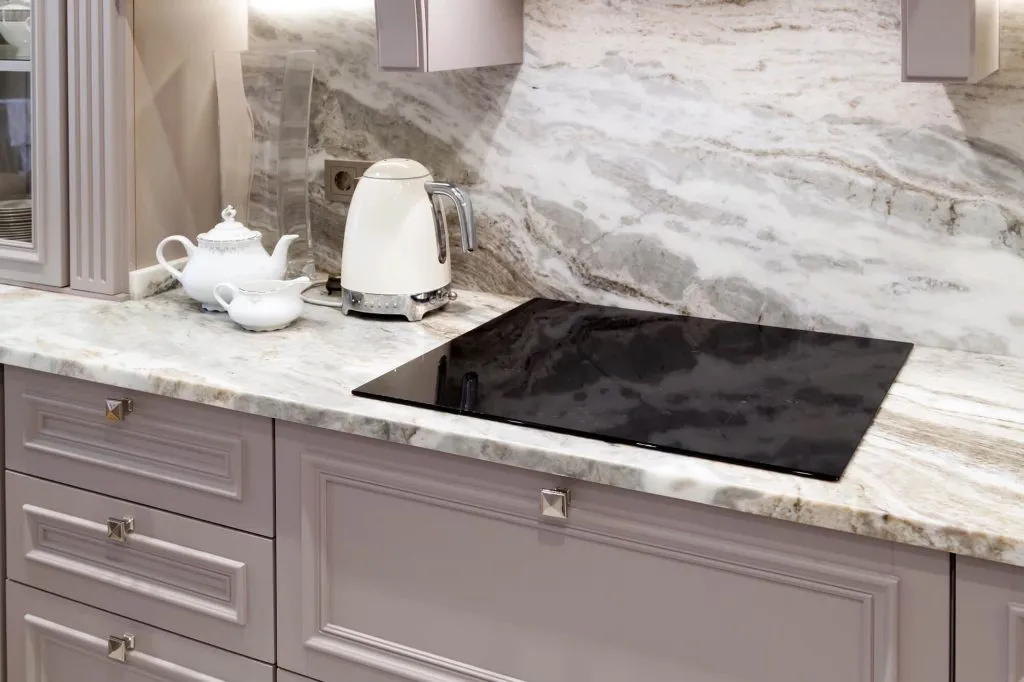
Pros and Cons of Quartz and Granite Beyond Cost
When choosing between quartz countertops and granite countertops, cost is an important factor, but it’s not the only one. From their environmental impact to style preferences and resistance to hot pans, let’s explore the key pros and cons that extend beyond price considerations.
Heat Resistance and Porosity
- Handling Heat: Granite excels in heat resistance and is ideal for placing hot pots and pans directly on the surface. Quartz, while durable, can discolor or warp under extreme heat due to its resin content.
- How Porous Are They: Granite’s porosity requires sealing, whereas quartz’s non-porous nature eliminates this step.
Maintenance and Cleaning
- Quartz countertops are virtually maintenance-free and can be cleaned with mild soap and water.
- Granite requires periodic sealing but is also easy to clean with pH-neutral cleaners.
Both materials are resistant to bacteria and safe for food preparation areas.
Eco-Friendliness and Sustainability
- Granite is a natural stone sourced from quarries, often considered eco-friendly when locally sourced.
- Quartz is an engineered stone that sometimes uses recycled materials but involves more energy-intensive manufacturing.
Sustainability can depend on sourcing and fabrication practices.
Design Consistency vs. Natural Variation
- Quartz provides a consistent look, which appeals to minimalist and modern kitchen designs.
- Granite’s appeal lies in its natural, one-of-a-kind patterns and veining.
Homeowners should choose based on whether they prefer visual uniformity or organic variation.
Potential Downsides
- Quartz can discolor under UV light exposure and is less heat-resistant.
- Granite may chip if subjected to extreme impact and must be sealed periodically to resist stains.
However, both materials are known for long-lasting durability with proper care.
Which One Should You Choose?
Deciding between quartz and granite countertops ultimately hinges on your personal priorities and lifestyle needs. While both materials offer durability and aesthetic appeal, weighing factors such as maintenance, design preferences, and environmental impact will help guide your choice.
Let’s break down how to make the right decision for your home.
Budget Considerations
If you’re working within a tight budget, it’s possible to find granite slabs that cost less than premium quartz options, especially when you choose locally sourced granite or simpler patterns.
However, quartz’s low maintenance may make it more economical over time, particularly for homeowners who prefer a hassle-free surface without the need for resealing.
Design Goals
Your design style will influence your countertop decision.
- Quartz: Consistent patterns pair well with modern or minimalist kitchen aesthetics.
- Granite: Its natural veining enhances rustic, traditional, or eclectic spaces.
Additionally, consider your cabinetry, flooring, and backsplash when choosing a complementary surface.
Lifestyle Needs
- Quartz: Families with children or avid cooks may appreciate quartz’s stain resistance and non-porous surface, which simplifies cleaning and eliminates concerns over bacteria.
- Granite: The natural stone’s heat-resistant properties make it ideal for frequent cooking, especially in homes with active kitchen use where durability is key.
Long-Term ROI for Homeowners
Both materials provide excellent return on investment, particularly in kitchen remodels. Granite may appeal more to buyers seeking natural materials, while quartz resonates with those prioritizing ease of maintenance.
Either choice adds value and luxury to a home.
Insights from Cabinet IQ Kitchen Remodel Experts
Still unsure? Cabinet IQ’s design consultants help homeowners evaluate lifestyle, design vision, and budget to determine the best countertop solution. From measuring and estimating to sourcing and fabrication, we streamline the entire process.
Making the Smart Investment with Cabinet IQ
Choosing between quartz and granite countertops involves more than just comparing costs, as both quartz and granite are premium choices, each with unique strengths in durability, design, maintenance, and return on investment.
Engineered stone countertops like quartz counters are durable and low maintenance while granite counters are heat resistant and eco-friendly as they’re made from natural stone materials. Both are popular choices for kitchen remodeling projects and there are many factors that can affect the material average cost of each such as slab thickness, color, material rarity, etc.
Whether you’re drawn to the natural beauty and heat resistance of granite or prefer the uniformity and ease of care that quartz offers, Cabinet IQ is here to help you navigate every step of your countertop installation journey. We offer a wide range of both materials and expert guidance tailored to your space and budget.
Contact Cabinet IQ today to explore samples, get a quote, and bring your kitchen vision to life with a countertop that truly fits your home.