How to Childproof Your Kitchen For Maximum Safety
The kitchen is one of the busiest rooms in any house, which can make it one of the most dangerous for small children. From sharp knives to toxic cleaning supplies, unguarded electrical appliances, and heavy kitchen cabinets, the risks are everywhere. That’s why learning how to handle proper child proofing in your home is one […]
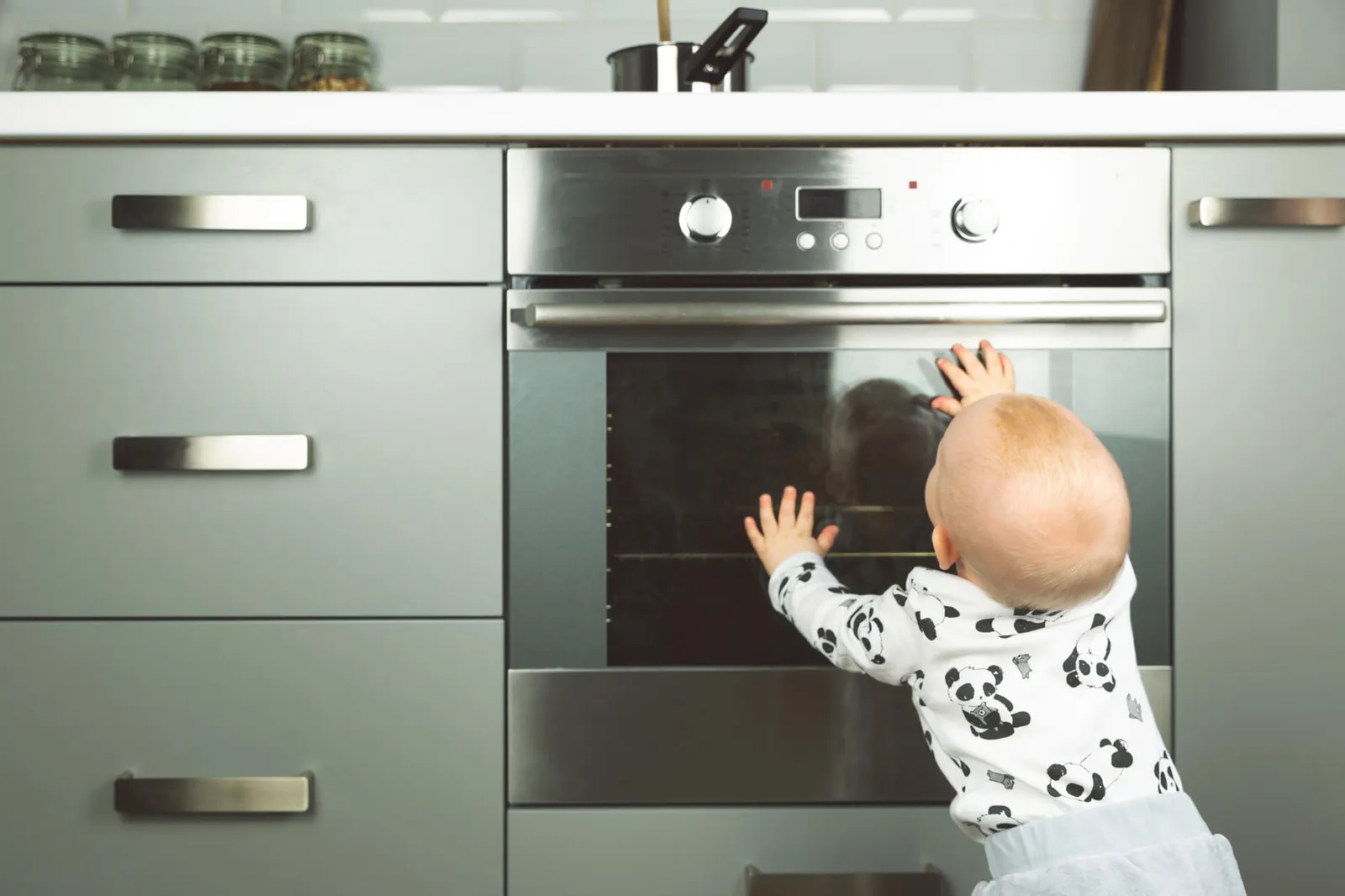
The kitchen is one of the busiest rooms in any house, which can make it one of the most dangerous for small children. From sharp knives to toxic cleaning supplies, unguarded electrical appliances, and heavy kitchen cabinets, the risks are everywhere. That’s why learning how to handle proper child proofing in your home is one of the most important steps in keeping your family safe.
Childproofing isn’t just about adding a few safety locks or baby gates; it’s about creating a comprehensive plan that prevents kids from accessing off limits areas. You can attach safety locks or even use simple rubber bands on cabinet handles to secure dangerous drawers and doors on one side, especially those storing items that pose a choking hazard.
Modern child proofing solutions—like magnetic safety locks, recessed cabinet handles, and soft-close kitchen cabinets—make it possible to maintain a stylish and functional space while protecting your little ones. These upgrades are easy to purchase and install, helping you prevent accidents and mess while still keeping your kitchen accessible to adults.
Whether you’re preparing your home for a newborn, a curious toddler, or growing kids who love to push boundaries and explore, the key is prevention. Keep toys, supplies, and dangerous items separate, and make sure everything that can harm your child is safely secured.
This guide will help you understand how to childproof your kitchen efficiently, from basic steps to more advanced design ideas. You’ll discover practical strategies for existing spaces and remodeling tips from kitchen and bathroom designers. By the end, you’ll have a plan that not only helps prevent kids from harm but also gives you peace of mind knowing your kitchen is safe, stylish, and ready for family life.
Know the True Risks in the Kitchen
Childproofing begins with understanding the potential hazards lurking in plain sight. Kitchens are filled with daily-use tools and appliances that are harmless to adults but dangerous to babies and toddlers. Identifying these risks is the first step in effective child safety planning.
- Knives and Sharp Tools: Every kitchen contains knives, scissors, and other sharp objects. Without secure storage or kid-safe knives, these tools pose an immediate threat. Store them in high cabinets with cabinet locks or inside locked drawers.
- Chemicals and Cleaning Products: Toxic chemicals such as dishwasher pods, bleach, and sprays should never be left in accessible spaces like under-sink cabinets. Use baby-proofing locks, adhesive stickers, or magnetic locks to restrict access. Consider moving these items to the upper cabinets altogether.
- Appliances and Hot Surfaces: Ovens, stoves, microwaves, and dishwashers all carry risks. Toddlers can pull oven doors open, press buttons, or burn themselves. Install appliance locks, stove knob covers, and oven gates to reduce hazards.
- Cabinets, Drawers, and Doors: Heavy cabinet doors and drawers can pinch fingers or trap small hands. Installing childproof cabinet locks with easy installation and portability—like those using 3M adhesive—keeps kids safe without permanent damage to your cabinetry.
- Waste Bin Access: Trash cans and waste bins are often overlooked. A curious child can reach in and encounter sharp cans, toxic chemicals, or choking hazards. Use locking lids or hidden pull-out bins behind locked cabinet doors.
- Windows and Walls: Open windows and dangling blind cords are another hazard. Install window locks or restrictors and tuck away cords. If your kitchen has doors leading to a pool or backyard, add a secure gate for extra protection.
- Secondary Hazards: Don’t forget adjoining spaces. A bathroom vanity, toilet seat, or recessed toilet paper holder may not be in the kitchen, but should be included if your child moves freely between rooms.
Every family’s kitchen is unique, but these common hazards remind us that childproofing requires a combination of installation, locks, gates, and finishes that keep dangerous items out of reach while maintaining the versatility and style of your home.
Key Principles of Childproofing: The Foundation of Kitchen Safety
When learning how to childproof your kitchen, it helps to start with a set of guiding principles. These safety strategies provide a foundation for creating a safe space without completely disrupting daily life.
- Out of sight, out of reach: Store knives, scissors, and other sharp tools in locked drawers or high cabinets. Consider using organizers with childproof finishes to prevent accidents.
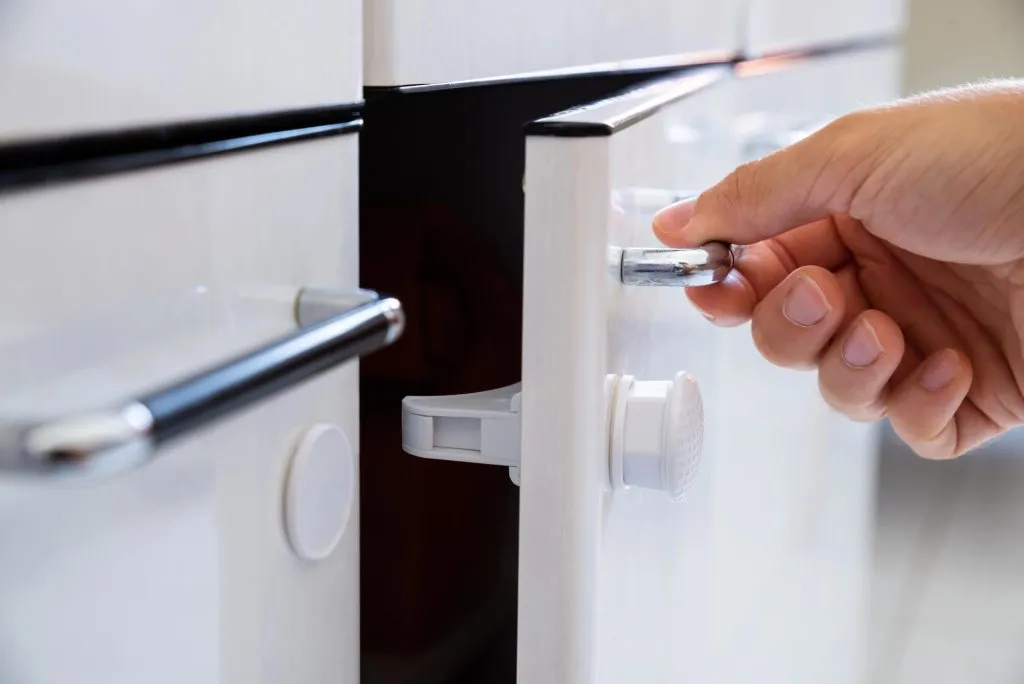
- Lock it up: Cabinet locks, latches, and baby-proofing locks are essential. They keep kids out of areas where toxic items, cleaning products, or fragile items are stored. Magnetic locks and adhesive sticker locks for doors and drawers are effective because they are easy to install and don’t require drilling into cabinet doors. For heavier-duty protection, especially on face-frame cabinetry, hardware-mounted locks may be a better option.
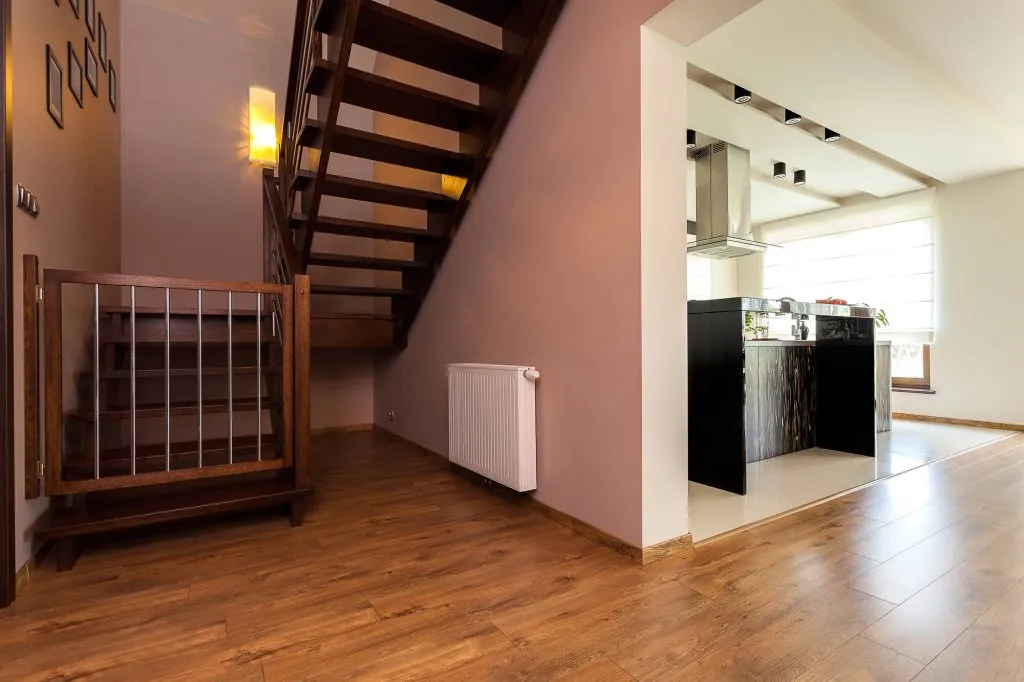
- Control access: Use baby gates to block off the kitchen entirely when necessary. Gates also work well for secondary hazards like stairwells, doors to the garage, or outdoor areas with a pool.
- Remove temptation: Keep the waste bin behind a locked cabinet, and avoid placing snacks or visually tempting items at a child’s eye level. This reduces the chance of climbing or tugging at drawers and handles.
- Manage water and heat risks: Scalds and burns are common risks in kitchens. Use anti-scald devices on faucets and keep pot handles turned inward while cooking. Always test bath and kitchen water temperatures, ideally with WaterSense fixtures, to reduce risks across both kitchens and bathrooms.
- Appliance safety: Stove knob covers, oven locks, and refrigerator childproof latches prevent toddlers from exploring where they shouldn’t. Some parents also install safety covers on microwaves or use plug guards for small appliances.
These principles are simple but effective, and also useful even if you aren’t planning a full kitchen remodel but are still looking to childproof your home. It can work as a kitchen safety checklist that helps you combine the use of locks, gates, and proper storage with smart placement of potentially dangerous items, making them a cornerstone of childproofing any modern kitchen.
What to Consider Before Remodeling a Kitchen with Kids in Mind
If you’re planning a kitchen remodel, it’s the perfect opportunity to build child safety into the design. Working with kitchen and bathroom designers allows you to incorporate childproofing features seamlessly, rather than retrofitting them later.
- Cabinet design: Choose cabinet door styles and handles that minimize risk. Recessed pulls or flush-mounted hardware reduce snag points. Some families opt for cabinets with soft-close doors to eliminate pinched fingers.
- Cabinet locks: During installation, request hidden, internal child-proof cabinet door locks that integrate into the cabinetry. These are more durable than temporary adhesive locks and maintain a streamlined look.
- Materials and finishes: Childproof finishes, such as durable laminates or earth-friendly cabinet materials that resist scratching and staining, are practical for families. These cabinet surfaces also make cleaning up spills and sticky fingerprints easier.
- Smart cabinet storage solutions: Plan high cabinets for dangerous items such as knives, cleaning chemicals, and heavy tools. Pull-out organizers, locked drawers, and vertical wall storage help separate kid-safe items from hazards.
- Appliances: Built-in ovens with cool-touch doors, stove guards, and childproof dishwasher locks are worth considering during remodeling. If your design includes an island, ensure outlets are covered or placed out of reach.
- Versatility and longevity: Kids grow quickly. Plan for a kitchen that evolves with your family. For example, adjustable shelving and modular storage can be adapted as your children get older.
Suppose you take all of these guidelines into consideration from the start of the design phase. In that case, you reduce the need for after-market fixes, like cabinet door replacements or costly long-term cabinet maintenance, and create a kitchen that combines both high-quality craftsmanship and long-term peace of mind.
Smart Cabinet Storage Solutions for Childproofing
Storage strategies are a cornerstone of effective childproofing. By designing where and how you keep items, you reduce opportunities for kids to get into trouble.
- High cabinets: Store knives, toxic items, and cleaning products well out of reach. If upper storage isn’t available, use locked bins inside lower cabinets.
- Pull-out organizers: Use these to separate safe items, like kid-safe knives, plastic cups, or snack containers, from hazardous tools. This gives children their own “safe” drawer to access while keeping danger zones locked away.
- Locked waste bins: Kids love exploring waste bins. A pull-out waste bin behind a locked cabinet door keeps sharp cans and chemicals hidden.
- Handles and pulls: Recessed or flush cabinet or drawer handles reduce grip points for toddlers. This small design choice makes it harder for kids to open drawers without locks.
- Bathroom vanity crossover: Apply the same strategies to other parts of the home, such as vanities and toilet seat locks. Consistency makes childproofing easier across all rooms.
- Wall-mounted storage: Tools, small appliances, or cleaning supplies can be mounted on walls higher than a child can reach. This adds versatility while keeping counters clear.
These strategies ensure that kitchens remain efficient for adults while being secure for babies, toddlers, and kids of all ages.
Common Mistakes Parents Make When Childproofing Kitchens
Even if you’re the most careful parent, you can still overlook certain hazards when trying to childproof your house. Many parents begin child proofing with good intentions but may miss key details when learning how to childproof cabinets effectively. Recognizing these mistakes will help you create a safer and more effective kitchen environment for babies, toddlers, and curious kids.
- Only securing lower cabinets: Many parents install cabinet locks or child safety locks on under-sink kitchen cabinets where cleaning supplies are often hidden inside, but forget about drawers, upper cabinets, and even a cupboard or door nearby. Kids and little ones are natural climbers, and with a chair or stool, they can gain access and reach almost anywhere. Make sure all cabinet doors, drawers, and cabinets are secure to prevent kids from pulling items out or opening unsafe areas.
- Relying on weak adhesive locks: Not all adhesive locks are created equal. Poor-quality adhesive options can break, peel, or lose strength after a few weeks. Some parents even try quick fixes like rubber bands or duct tape, but these are not reliable child proof solutions. Always choose a trusted brand with strong adhesive, magnetic key systems, or hardware-mounted latches for better safety. A proper installation with a magnet key or hidden locks can make it nearly impossible for a toddler to open cabinets.
- Leaving appliances accessible: Unlocked appliances like the fridge, ovens, and dishwashers are often overlooked during baby proof efforts. Installing locks on appliance doors and covers for knobs is just as important as securing cabinets. Curious children may push, pull, or figure out how to open these areas quickly, which can lead to safety risks for your family.
- Ignoring secondary hazards: Windows, sliding doors, furniture edges, and even nearby spaces like the bathroom or laundry room can pose risks. Parents often focus only on kitchen cabinets and drawers, but full childproofing means you must protect the entire room. This includes securing a bathroom vanity, toilet seat, or even items in another room that children can access. There are many options available to create a safer environment, from gates to edge guards, and they are often super easy to install.
- Underestimating curiosity: Children are incredibly resourceful. A waste bin, toys left out, or items placed on open shelves can quickly catch their attention. Even things that seem out of sight can be discovered. Curious kids may use furniture, a chair, or anything nearby to climb and gain access. Don’t assume something is safe just because it’s not visible—kids will explore, and before you know it, they’ve figured out how to reach it.
Avoiding these mistakes helps parents reduce risk, prevent kids from getting into unsafe areas, and protect little ones more effectively. With the right locks, proper installation, and awareness, you can baby proof your kitchen and create a safer home environment without unnecessary worry.
Long-Term Childproofing: Growing With Your Family
Childproofing your kitchen isn’t just for newborns and toddlers—it should evolve as your child grows. A one-size-fits-all approach doesn’t work, which is why versatility, mobility, and adaptability matter in the childproof kitchen products and strategies you choose.
For newborns: Focus on prevention. Baby proofing should start before your curious baby begins to crawl. Install safety locks on cabinet doors, drawers, and closets. Use covers for electrical outlets and store cleaning supplies, medications, and paint well out of sight. This is also the perfect time to install baby gates and secure kitchen cabinets or other furniture that could tip over.
For toddlers: This is the peak of curiosity. Once your curious toddler begins to walk and explore, child safety becomes a top priority. Toddlers love to pull, climb, and open doors, drawers, and containers, which can expose them to other dangers like knives, sharp corners, and electrical appliances. Secure everything—from cabinets and fridge doors to table edges and dressers. Keep dangerous supplies like detergents or chemicals locked away, and store heavy items low to prevent falls or harm. Create a safe space by designating a drawer filled with plastic containers or utensils so your little one can explore freely.
For older kids: As children grow older, they’ll want to help in the kitchen and learn simple cooking tasks. Adjust your childproofing plan by replacing fixed locks with removable or adjustable solutions. Keep sharp tools, knives, and supplies that could cause harm out of reach while giving your child safe access to snacks or plates in low cabinets. Encourage safe habits by teaching them how to handle electrical appliances, close cabinet doors properly, and clean their hands after cooking or eating.
Beyond the kitchen: Childproofing doesn’t stop at the kitchen—it extends to the entire house. Use a toilet seat lock in the bathroom, childproof windows, and secure furniture that your child might climb on. In rooms with electrical outlets or sharp corners, install guards and pads to prevent injury. Consider faucets or childproof bathroom vanities that help manage hot water and add layers of safety to your home. Keep dangerous items like cleaning supplies or medications safely locked in a closet or cabinet—never within arm’s reach.
Over time, your home will shift from a baby hazard zone to a place where your little one learns life skills. As your baby grows into a toddler and beyond, a thoughtful childproof kitchen design ensures your safety measures evolve, keeping every room in your home both safe and functional.
Safer Kitchens, Peace of Mind
The kitchen is the heart of the home, but for babies, toddlers, and kids, it can also be one of the most hazardous spaces. Learning how to childproof cabinets and fully baby proof your house helps prevent kids from accessing everyday dangers like cleaning supplies, sharp objects, electrical outlets, and heavy cabinet doors.
Whether you’re installing cabinet locks, child safety locks, or using a magnetic key or magnet key system, every step you take improves overall safety. From securing kitchen cabinets, drawers, and cupboard spaces to choosing the right latches and locks, proper child proofing helps protect curious kids and little ones from harm. Even simple steps like making sure knobs are covered, doors stay shut, and cabinets are secure can make a big difference.
Many parents also explore super easy solutions that are budget friendly, with many options available to purchase online or in-store. From adhesive systems to hardware-mounted options, selecting the right brand ensures durability and long-term protection. Taking time to measure, install correctly, and test each lock helps avoid issues like weak adhesive, broken latches, or systems that kids can pull open with force.
Beyond cabinets, it’s important to account for the entire room. Areas like the fridge, furniture edges, nearby bathroom spaces, or even items in other rooms can pose risks. Children may push, pull, or use objects to climb, gaining access to places parents didn’t expect. Staying aware of these habits helps create a safer environment for your family.
From online resources and helpful posts to advice from friends or professionals, there are many ways to gather ideas and improve your setup. Whether you’re protecting your first baby or upgrading safety for a growing toddler, every improvement helps create a home where kids can explore safely.
Over time, these small changes add up. With the right tools, proper installation, and thoughtful planning, you can create a safe, secure kitchen where children can grow, play, and explore—giving parents peace of mind and confidence in their childproofing efforts.
Ready to design a kitchen that’s both stylish and safe? Cabinet IQ can help with custom cabinetry, built-in safety features, and expert design guidance.
Schedule a showroom consultation today, and let’s create a modern kitchen that protects your children while enhancing your home’s style.