The Impact of Cabinet Color on Your Kitchen’s Aesthetic
The color of your kitchen cabinets will be the foundation of your entire kitchen style, so it shouldn’t be a careless choice. Since cabinetry takes up the most visual space in the room, the cabinet color sets the tone for how the space feels: bright and open, dark and moody, warm and welcoming, or modern […]
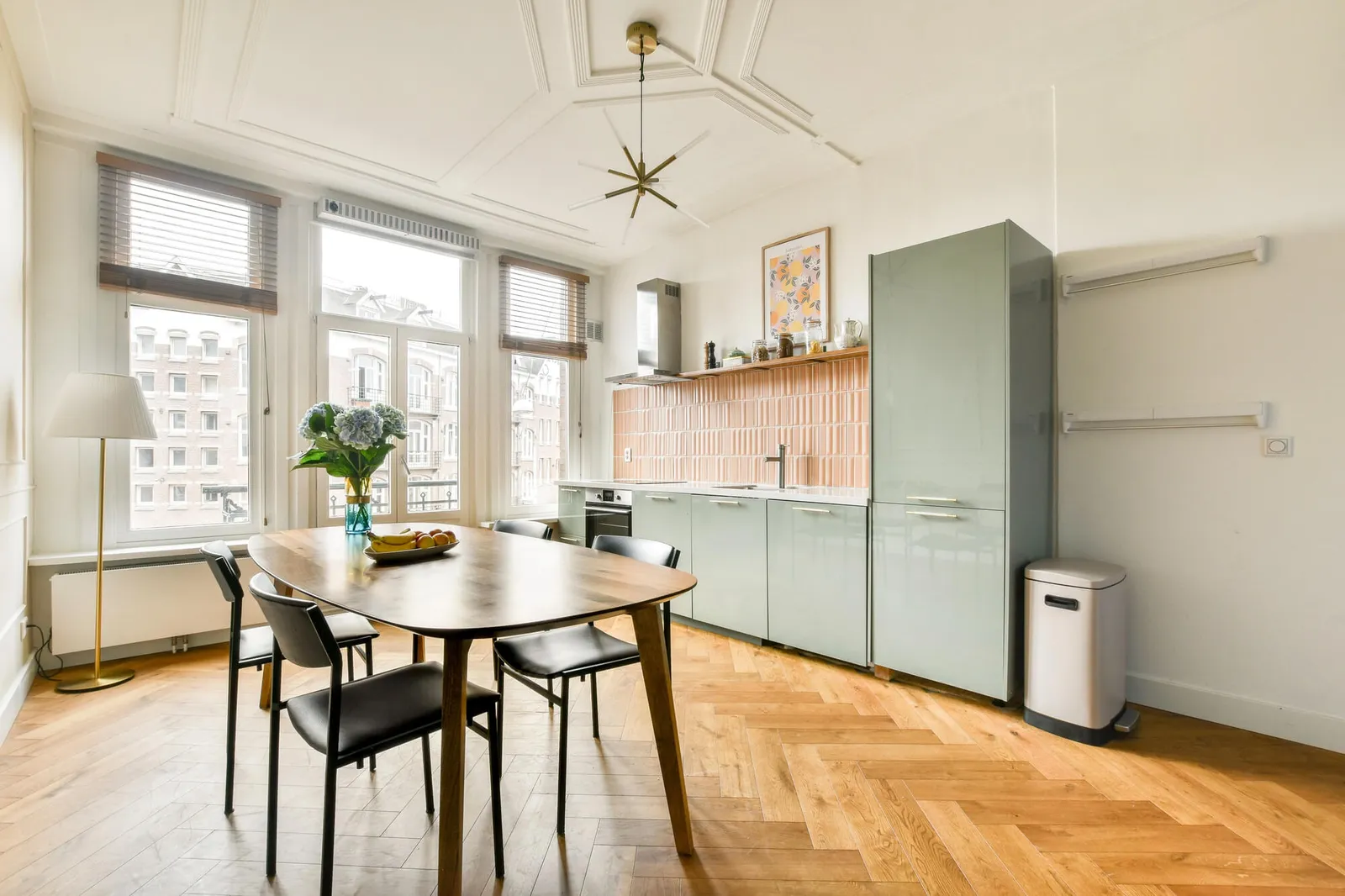
The color of your kitchen cabinets will be the foundation of your entire kitchen style, so it shouldn’t be a careless choice. Since cabinetry takes up the most visual space in the room, the cabinet color sets the tone for how the space feels: bright and open, dark and moody, warm and welcoming, or modern and sleek.
Cabinet doors, finishes, and materials all play into this impact. A set of white shaker doors creates a timeless look that pairs beautifully with quartz countertops and subway tile kitchen backsplashes, while painted finishes in deep navy or black bring bold sophistication to modern kitchen designs.
Throughout this guide, we’ll explore how cabinet color influences the atmosphere of your kitchen and provide kitchen cabinet color ideas that align with today’s cabinet color trends.
You’ll find design guidance that helps you create a space reflecting both your style and lifestyle. Whether you’re remodeling a Victorian house or updating a contemporary open-plan home, the right choice in cabinet color can completely transform your kitchen remodel.
The Psychology of Cabinet Color in Kitchen Design
Color not only decorates a room, but it can also shape how we experience it. In kitchens, where families gather and guests often congregate, cabinet color influences everything from perceived size to mood.
- Light colors expand space. White or cream cabinetry reflects natural light, making small kitchens feel larger. Cabinets in light shades work wonders in apartments, condos, or homes with limited sunlight.
- Dark tones ground the room. Deep shades like espresso, navy, or matte black create drama and intimacy. These colors work well in dark and moody spaces or when paired with open shelves and stainless steel appliances for balance.
- Neutrals offer flexibility. Beige, taupe, or gray cabinet doors blend with nearly any countertop, backsplash, or flooring. They adapt seamlessly across multiple home design styles, from transitional to modern.
- Bold colors energize. Colorful cabinet paint in green, blue, or even terracotta injects personality into a space. These shades often become the focal point, best balanced with subtle countertops and minimalist hardware.
Color psychology also helps highlight architectural details. For example, full-overlay shaker doors in white emphasize craftsmanship and symmetry, while a two-tone effect—lighter uppers with darker lowers—adds contrast and depth. In bathrooms or secondary spaces, bright cabinet colors can create playful character without overwhelming the main home design.
As you can see, your choice of cabinet color will be both an aesthetic and an emotional one. When aligned with your lifestyle, lighting, and existing kitchen materials, it sets the stage for a kitchen remodel that feels both functional and inspiring.
White and Neutral Cabinets: Timeless and Versatile
For decades, white has been the most popular choice in kitchen cabinet colors, and for good reason, as white cabinets:
- Reflect natural light
- Make kitchens appear larger
- Provide a clean backdrop that works with nearly every kitchen style.
- Offer flexibility and are easy to update.
From traditional to modern, a white cabinet door style, such as shaker doors, offers a timeless look that adapts to changing trends.
Meanwhile, neutral tones provide the same versatility while introducing subtle warmth or depth, with some of the most popular ones being:
- Beige
- Cream
- Greige
- Soft gray.
These shades are particularly valuable in kitchen remodels, where homeowners want a design that feels both contemporary and lasting.
Pairing Neutrals and White for Added Depth
Together, neutrals and white can offer several benefits:
- Flexibility: White and neutrals are also easy to update, as cabinets in white can be paired with new hardware and a fresh backsplash to give the kitchen a whole new look without full replacement.
- Versatile: Neutrals pair well with most materials, whether you choose marble countertops, quartz countertops, or wood floors.
- Contrasting Opportunities: Pairing white or neutral cabinetry with contrasting elements creates opportunities for variety without sacrificing cohesion.
It’s no wonder color experts consistently recommend these tones for homeowners seeking adaptable, high-quality craftsmanship in their cabinetry.
Natural Wood Cabinets: Warmth and Organic Appeal
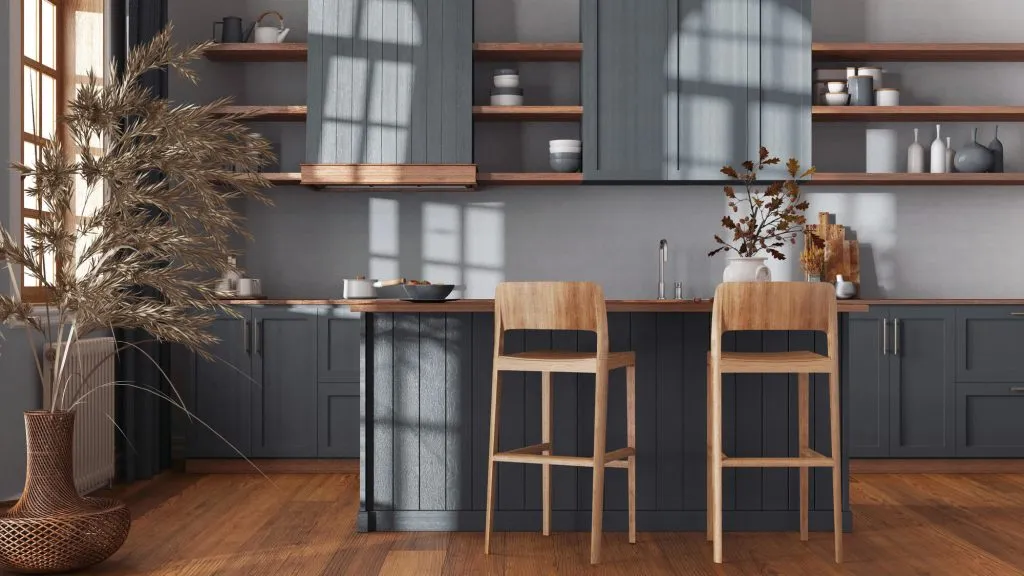
While painted finishes dominate many cabinet color trends, natural wood cabinetry is experiencing a major resurgence in today’s kitchen designs. From light oak to rich walnut, wood brings warmth, texture, and an organic element to the home. Unlike painted kitchen cabinetry, wood highlights grain patterns and natural variation, making each door style unique.
- Lighter wood tones, such as maple or oak, create an airy feel that complements contemporary or Scandinavian-inspired spaces.
- Darker woods, like walnut or cherry, deliver richness and depth, ideal for more traditional kitchens or dark and moody spaces.
- Stains such as a wicker stain or deep espresso allow further customization of tone and contrast.
Variety in Pairing
Natural wood also pairs beautifully with a variety of materials. For example:
- Light oak cabinets with marble-like quartz countertops and a glossy tile backsplash create a refined yet natural look.
- Walnut cabinetry with quartzite counters and matte black hardware emphasizes sophistication.
- Hickory paired with butcher block or soapstone countertops reinforces rustic charm.
Wood-Like Alternatives
Modern manufacturing has also expanded the range of wood-look materials.
- Engineered Wood Replacements: Options like melamine with phenolic resins mimic natural wood textures at a lower cost, making them an accessible choice for homeowners who want the appeal of natural finishes with practical durability.
- Sustainable Options: For eco-conscious homeowners, earth-friendly kitchen cabinet materials are increasingly available: sustainably sourced woods, low-VOC stains, and refinishing options that give existing cabinetry new life.
Natural wood is timeless, grounding your kitchen design while offering a sense of craftsmanship and longevity. Whether paired with modern quartz countertops or classic granite, it brings warmth and authenticity to any kitchen remodel.
Gray Cabinets: A Balanced, Modern Neutral
Gray has quickly become one of the most sought-after kitchen cabinet colors, offering the perfect balance between light and dark. Unlike stark white or heavy black, gray cabinetry introduces subtle sophistication, adapting effortlessly to nearly any kitchen style.
- Light gray cabinets help small kitchens feel open and airy, particularly when paired with quartz countertops in white or cream and stainless steel appliances.
- Darker shades of gray, such as charcoal, anchor a space while maintaining versatility.
These tones are ideal for transitional or modern kitchen designs, where balance and contrast are key.
Finishes for All Shades of Gray
The finish matters just as much as the shade.
- Matte gray cabinet doors feel contemporary and understated, especially in flat-panel or full-overlay shaker door styles.
- Glossy gray finishes, on the other hand, reflect natural light and add a touch of modern luxury, often seen in high-end home designs.
The Satisfying Adaptability of Gray
Gray cabinets are also incredibly adaptable in terms of pairing. A light gray shaker cabinet might look stunning with quartz countertops and brushed nickel hardware, while darker tones work beautifully alongside natural wood flooring and bold, colorful kitchen backsplashes.
For homeowners seeking flexibility without committing to stark white or dramatic black, gray offers the perfect middle ground.
Bold Cabinet Colors That Make a Statement
While neutrals and wood tones dominate most cabinet color trends, bold colors are making waves in today’s kitchen remodels. With the right design guidance, these statement shades can add depth, character, and personality to your space.
Navy Blue – Deep, Classic, and Sophisticated
Navy has become a go-to cabinet paint color choice for homeowners who want both elegance and impact. Navy blue kitchen cabinets pair well with brushed gold or brass hardware and shine against crisp marble countertops or veined quartz. When balanced with lighter uppers or open shelves, navy cabinetry keeps the room from feeling too heavy.
Black – Dramatic and Modern
Black cabinets create a striking aesthetic, particularly in modern kitchens with minimalistic cabinet door styles. They bring drama and a grounding effect, especially when paired with white or light countertops, glossy backsplashes, and plenty of natural light. A black island with lighter perimeter cabinetry can also create a stylish two-tone effect that balances contrast.
Green – Fresh and Inviting
Green cabinetry ranges from soft sage to bold emerald, offering versatility across different kitchen styles. Lighter greens bring a sense of calm, while darker shades create richness and contrast. Pairing green cabinets with natural wood accents, quartz countertops, or stone backsplashes emphasizes their connection to nature.
Bold cabinet colors require thoughtful balance. They work best when complemented with neutral countertops, understated flooring, and carefully chosen hardware. By letting cabinetry serve as the focal point, the rest of the design can support without competing.
Two-Tone Cabinets: Adding Depth and Dimension
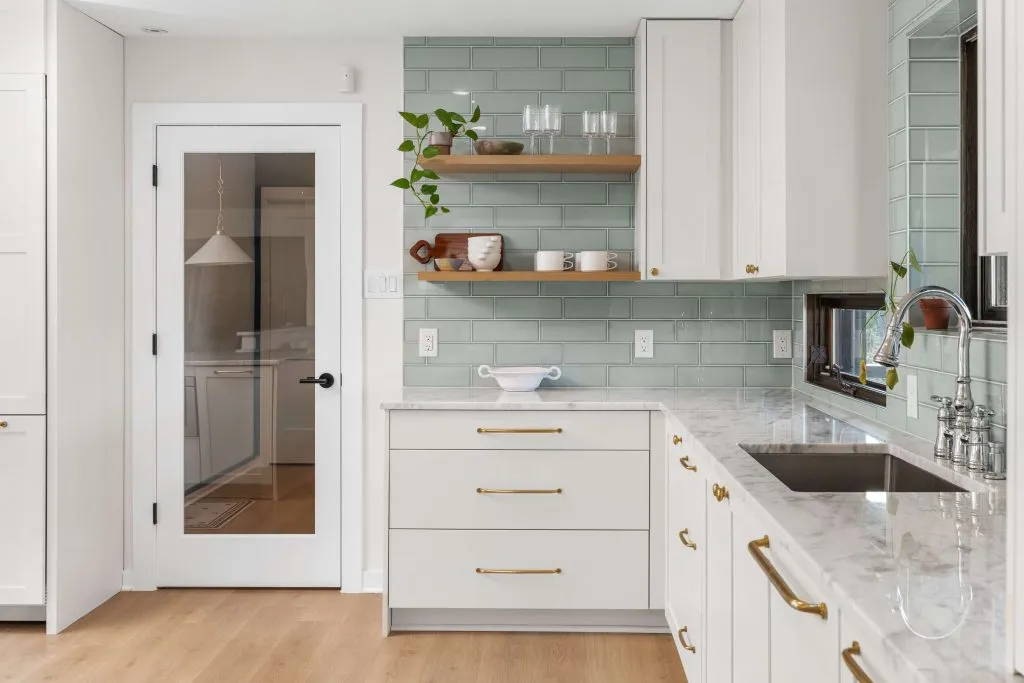
Two-tone cabinetry has become one of the strongest kitchen cabinet color trends, offering a way to add visual interest and depth without overwhelming the design. By combining two different cabinet colors or finishes, homeowners can achieve a balanced look that feels intentional and modern.
Upper and Lower Cabinet Contrasts
A popular strategy in two-tone cabinet design is to apply lighter colors to upper cabinets and darker shades to lower ones. This approach creates a striking contrast that provides balance and modernity to the kitchen.
For instance, choosing white shaker doors for the upper cabinets and pairing them with navy blue or charcoal gray for the lower or island cabinets achieves a harmonious blend of contrast and cohesion. Such a design thrives in spaces with ample natural light, ensuring that darker colors do not dominate the visual landscape.
Mixing Natural Wood and Painted Finishes
Another popular variation involves juxtaposing natural wood textures with painted finishes.
Consider oak lower cabinets coupled with soft gray upper cabinets, or a walnut island set against white perimeter cabinetry. These combinations not only accentuate the natural beauty of materials but also emphasize the craftsmanship, creating a layered and custom-designed look that feels unique and intentional.
Introducing Bold Colors in Moderation
Two-tone cabinetry also offers an excellent opportunity to introduce bold colors without overwhelming the kitchen design.
For example, reserve vibrant shades like emerald green or deep black for an island or a set of lower cabinets, and you can maintain a fresh and approachable ambiance.
This method is particularly effective in transitional kitchens aiming to blend classic charm with contemporary innovation, providing a flexible canvas to incorporate diverse stylistic elements.
How Cabinet Color Influences the Whole Kitchen
The impact of cabinet color extends beyond the cabinetry itself. Because cabinets dominate wall and floor space, their shades influence how every other element—countertops, backsplashes, hardware, flooring, and even appliances—is perceived.
For example:
- White or light-colored cabinetry reflects natural light and makes the room feel larger, ideal for small kitchens or open layouts.
- Pairing light cabinets with quartz countertops, subway tile kitchen backsplashes, and stainless steel appliances creates a bright, cohesive design.
- Dark cabinets, on the other hand, ground the space, adding intimacy and drama. When balanced with lighter countertops and flooring, they avoid making the room feel closed in.
Cabinet color also affects how homeowners experience textures and details.
- A black or navy cabinet door style emphasizes contrast with brass or matte black hardware.
- Natural wood cabinetry highlights craftsmanship, stain finishes, and grain patterns.
- Even bathrooms with painted or stained cabinets benefit from these principles, as paint color choices influence how large or cozy the space feels.
Ultimately, cabinetry color choices ripple through the entire home design. They set the tone for material pairings, guide decisions on flooring and lighting, and shape the atmosphere of your daily life. Choosing the right color ensures cohesion across surfaces, creating a kitchen remodel that feels curated rather than pieced together.
Mistakes to Avoid When Choosing Cabinet Colors
Choosing a kitchen cabinet color may seem straightforward, but overlooking certain details can lead to costly regrets during a kitchen remodel. Here are common mistakes homeowners should avoid:
Ignoring Undertones
Cabinet finishes and paints often have subtle undertones, warm, cool, or neutral, that may clash with other elements. For instance, a gray cabinet with blue undertones might look out of place against a beige quartz countertop with golden veining. Always test samples alongside your countertops, backsplashes, and flooring to ensure harmony.
Not Testing Colors Under Real Lighting
Cabinet samples can look very different in a showroom compared to your home. Natural light, artificial lightbulbs, and even reflective surfaces like glossy backsplashes or stainless steel appliances can alter cabinet color perception. Color experts recommend viewing cabinet doors in your actual space at different times of day before making final decisions.
Following Trends Too Closely
While bold shades or unusual cabinet door styles might be trending, they may not stand the test of time. Choosing overly trendy colors without considering your home’s overall design style or resale potential can backfire. If you love colorful cabinet paint, try incorporating it on an island or a smaller section instead of committing the entire kitchen.
Overlooking the Role of Hardware and Accessories
Cabinet hardware, faucets, and even light fixtures contribute to how cabinet colors feel in context.
For example, matte black pulls can make white cabinets feel sleek and modern, while antique brass hardware can make the same doors feel classic. Neglecting these details can result in a mismatched or incomplete look.
Forgetting Long-Term Maintenance
Some cabinet finishes show wear more easily than others. High-gloss surfaces highlight fingerprints, while very dark cabinets can make dust stand out.
Avoiding these mistakes ensures your cabinet color complements your kitchen’s materials and enhances your everyday experience.
Popular Kitchen Cabinet Color Ideas for 2025
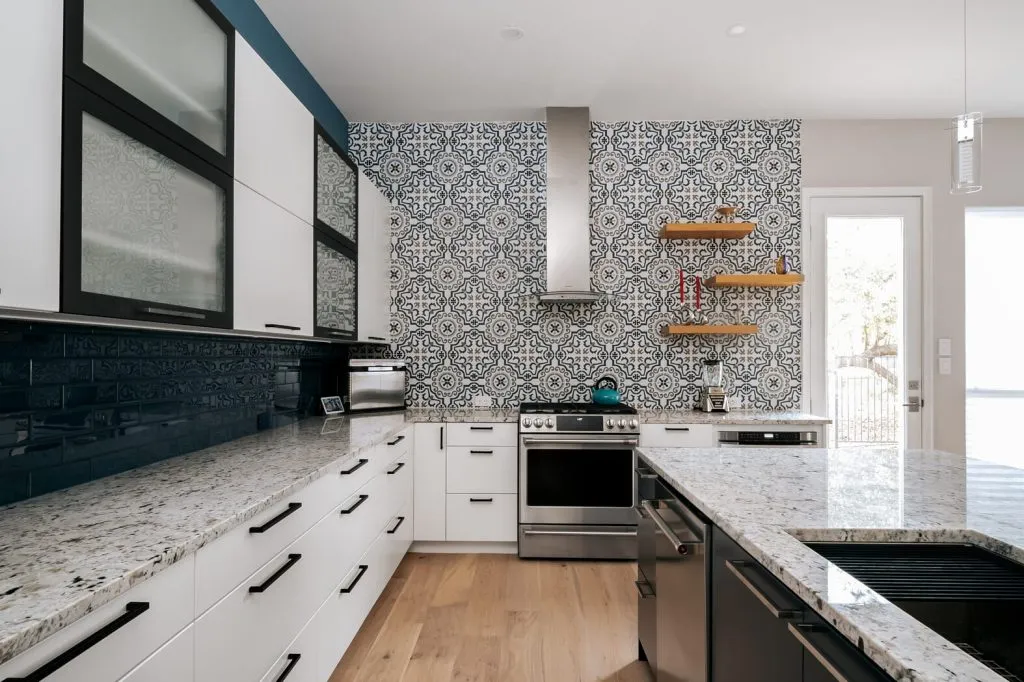
As we look ahead, several kitchen cabinet color ideas are leading the way in home design. These shades balance timeless appeal with fresh inspiration, making them strong options for your next kitchen remodel:
- White and Light Neutrals: As we mentioned at the start, this combo is still the most versatile option, offering brightness and flexibility across a range of kitchen styles. Works with everything from quartz countertops to patterned tile backsplashes.
- Natural Wood Finishes: Light oak, hickory, and walnut stains highlight grain and texture while introducing organic warmth. Especially popular in earth-friendly kitchen cabinet materials.
- Greige (Gray-Beige): This hybrid shade has become a design favorite, offering a balance between warm and cool undertones. It works beautifully in transitional kitchens.
- Navy and Deep Blue: A bold yet timeless choice. Navy cabinetry paired with gold hardware and white marble countertops creates a sophisticated two-tone effect.
- Black Modern Cabinetry: Perfect for dark and moody spaces, black cabinetry pairs best with natural light, light flooring, and sleek hardware for balance.
- Sage and Forest Greens: These shades bring a refreshing, natural element into the kitchen, often paired with stone counters and brass hardware.
- Two-Tone Color Schemes: Mixing painted finishes with natural wood or blending light and dark shades creates visual depth while keeping designs approachable.
These colors not only reflect current cabinet color trends but also adapt across different kitchen designs—from sleek modern layouts to historic homes undergoing thoughtful kitchen makeovers. The key is choosing shades that resonate with your lifestyle and complement the other materials, countertops, flooring, and backsplashes in your home.
Designing with Cabinet Color in Mind
The color of your kitchen cabinets is the foundation of your kitchen’s atmosphere. From timeless white cabinets and neutrals to bold shades like navy, green, and black, cabinet color shapes how a space feels, functions, and fits into your daily life. Whether you’re aiming for an all white kitchen with white countertops and glass front cabinets, or want to create contrast with darker cabinets against lighter walls, the right paint colors and finish—whether semi gloss or satin finish—will transform the room.
Pairing the right shades with your countertop, backsplashes, hardware, flooring, and light fixtures ensures consistency and dimension. For example, oak cabinetry with a satin sheen can add warmth and depth, while a sophisticated gray island or a sleek all white kitchen delivers a clean, timeless look. Stainless steel appliances can add a modern touch and pairs beautifully with many palettes.
When painting or choosing new doors, think about style, durability, and how your favorite tones will fit into your daily cooking routine. A hint of color can feel fresh and bright, while darker hues bring luxury, ground the space, and add depth without becoming overwhelming. The best kitchen cabinet colors not only enhance aesthetics but also meet your budget and lifestyle needs.
Cabinet IQ’s expert designers offer thoughtful advice to explore your project options with 3D renderings, helping you stick to your budget while achieving the perfect choice. From gloss finishes that add shine to softer satin finish options that are easy to maintain, you’ll find the ideal look for your homeowners’ needs.
Ready to explore your kitchen cabinet color ideas? Cabinet IQ delivers sophisticated design, high-quality craftsmanship, and a variety of finish and paint colors to bring your vision to life.
Schedule a showroom consultation today and see how the right kitchen cabinet color can completely transform your kitchen into a timeless, stylish, and versatile room.