How to Create a Functional Chef’s Kitchen Design in Your Home
There’s no space in the home where achieving a balance between function and design is as critical as in kitchens, especially if you’re a professional chef or at least love cooking to the degree that a regular domestic kitchen won’t do. A well-designed kitchen isn’t just about aesthetics—it’s about efficiency, organization, and optimized meal preparation, […]
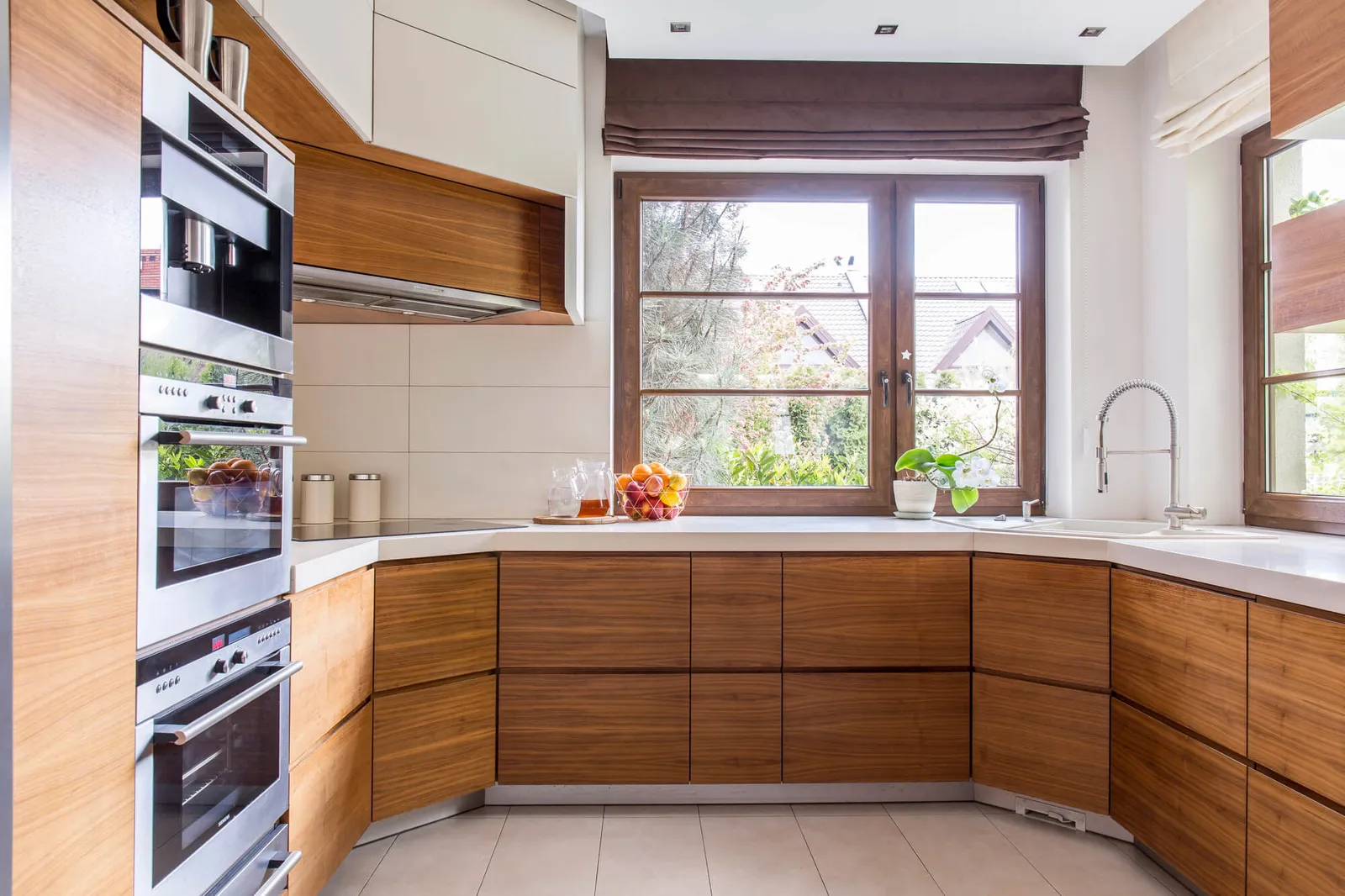
There’s no space in the home where achieving a balance between function and design is as critical as in kitchens, especially if you’re a professional chef or at least love cooking to the degree that a regular domestic kitchen won’t do.
A well-designed kitchen isn’t just about aesthetics—it’s about efficiency, organization, and optimized meal preparation, particularly a chef’s kitchen. Whether you’re an avid home cook or an aspiring chef, having a kitchen that supports seamless workflow and professional-level functionality can make all the difference. Note that you’re not alone here, as kitchen remodels actually outranked bathroom and patio remodels in terms of what homeowners spent more on, according to a study a couple of years ago.
That’s probably because, with the right kitchen layout, appliances, and storage solutions, you can create a space that allows for stress-free cooking and an enjoyable culinary experience, bringing constant joy to your home.
With this guide, we’ll cover the essentials of what you need to know about creating a functional chef’s kitchen design for your home.
What is a Chef’s Kitchen?
A chef’s kitchen is a thoughtfully designed culinary space that is specifically arranged to support efficient meal preparation and facilitate a streamlined workflow for any cooking enthusiast or professional chef.
However, it is important to note that a chef’s kitchen is not the same as a gourmet kitchen, which is a term you will likely see or hear from some kitchen designers. But there are a couple of differences:
- A chef’s kitchen is built for functionality, accessibility, and efficiency, resembling a professional kitchen but tailored for home use. It prioritizes ample workspace, well-organized storage, and high-quality appliances that enhance cooking speed and precision.
- A gourmet kitchen, on the other hand, is designed with luxury in mind. It often includes high-end appliances, decorative elements, and premium materials but may not always emphasize workflow efficiency as much as a chef’s kitchen.
These terms aren’t law, and most kitchen design or kitchen remodeling services will know how to interpret your preferences and needs, no matter what term you use. Nonetheless, it’s good to have some kitchen design literacy to make sure you know what to ask for.
Key Features of a Chef’s Kitchen
A chef’s kitchen is all about efficiency, durability, and organization. These key elements contribute to creating a functional and enjoyable cooking space.
- Optimized Workflow: A well-organized kitchen enhances efficiency by ensuring that every tool and appliance is within reach. The kitchen work triangle, which connects the stove, sink, and refrigerator, is an essential design principle. Having clear pathways between these areas minimizes unnecessary movement and makes meal preparation more seamless.
- Durable Surfaces: In a chef’s kitchen, surfaces must be able to withstand heavy usage and high temperatures, and there are several options for that. Stainless steel countertops are a popular choice due to their resistance to heat and easy maintenance. Butcher block workspaces offer a natural wood finish that is great for food prep and knife work.
- Proper Lighting: Proper lighting ensures safe and efficient meal preparation. Task lighting over countertops and cooking stations eliminates shadows, while ambient lighting keeps the entire space well-lit and inviting.
- High-End Appliances: A chef’s kitchen requires efficient, high-quality appliances that cater to various cooking techniques. Having a gas range with high-BTU burners, a double oven, and a professional-grade refrigerator ensures smooth and hassle-free meal preparation.
- Ample Storage: Keeping kitchen items organized and accessible is crucial for reducing clutter and improving workflow. Incorporating pull-out shelves, deep drawers, and custom cabinetry ensures everything has its place.
Kitchen Layout: Designing for Efficiency
The layout of your kitchen plays a significant role in how efficiently you can cook. Choosing the right configuration can maximize space and enhance accessibility, increasing the probability of a quality meal coming out of the kitchen, no matter your cooking abilities.
Best Layouts for a Chef’s Kitchen
- Galley Layout: This layout, which can be known as a double galley layout, maximizes both storage options as it places cabinets (or a center island) on both sides of a long, rectangular kitchen space. It also provides more preparation space while maintaining a compact design, making it the perfect efficient workspace that does not compromise style.
- Kitchen Island with Space for Prep: Incorporating a kitchen island not only enhances your cooking experience by providing additional prep space, but it also serves as an area for seating and offers extra storage options to keep your kitchen organized. It’s a must for anyone wanting a kitchen worthy of a chef.
Whatever the specific layout, always be smart and prioritize function when designing a chef’s kitchen. A smart layout for a chef’s kitchen should always emphasize roomy countertops and promote an airy flow throughout the kitchen, ensuring that you have plenty of space to move around freely while preparing meals and having easy access to ingredients.
Optimizing Cooking Flow
To create an efficient cooking environment, ensure that you have easy access to all necessary ingredients, cooking tools, and cookware during food preparation.
It is essential to designate separate areas specifically for preparation, cooking, and cleaning to enhance functionality. Additionally, maintaining a clear and unobstructed path between the major work zones in your kitchen will allow for better movement and overall efficiency in the cooking process.
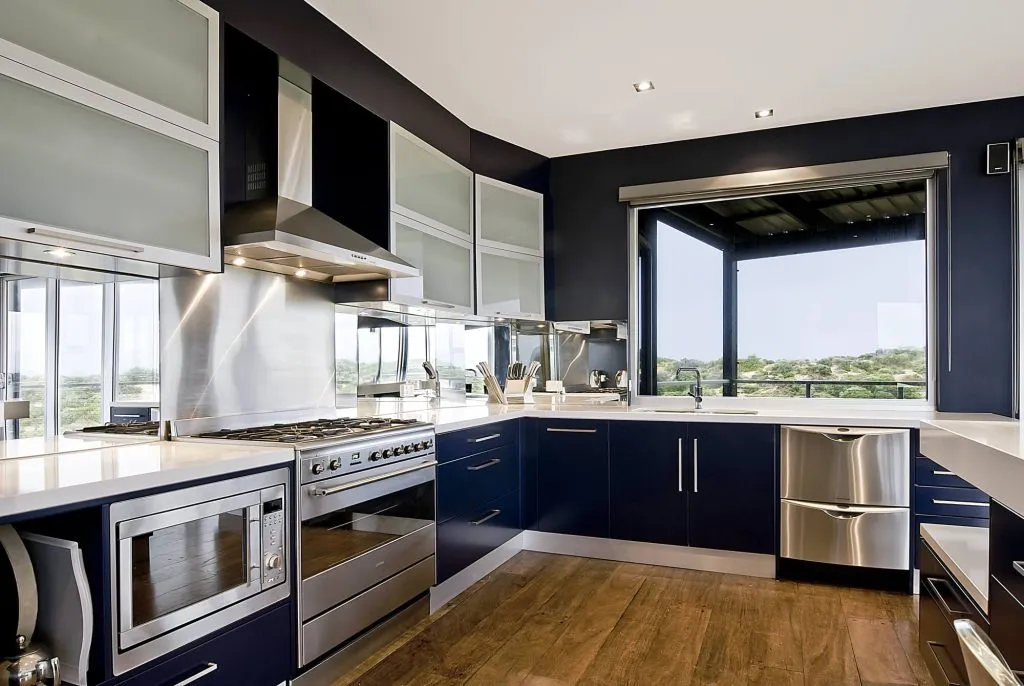
Essential Appliances for a Chef’s Kitchen
Equipping your kitchen with professional-grade appliances is crucial for crafting a workspace worthy of an aspiring or established chef. Here are the must-have appliances that transform your kitchen into a culinary haven.
Must-Have Appliances
- Gas Range with High-Heat Cooking: A gas range with 6-8 burners is essential for chefs who value precise temperature control and quick heating. Gas burners allow for instant flame adjustments, perfect for sautéing, simmering, or achieving that beautiful sear on meats. Higher BTU outputs provide the power needed for professional cooking techniques, making it easier to handle large pots and multiple dishes simultaneously.
- Double Oven and Steam Oven: A double oven is a game-changer, allowing you to bake, roast, and broil dishes at different temperatures and times. Couple this with a steam oven for versatile meal preparation; steam ovens retain nutrients and moisture, making them ideal for vegetables, fish, and delicate desserts. Look for models that incorporate an infrared broiler, which can provide intense heat from above, perfect for achieving golden crusts on casseroles or meats.
- Warming Drawers: Keeping food at the perfect serving temperature can often be a challenge, especially when multiple dishes are being prepared. Warming drawers serve as an excellent solution, allowing chefs to store plated dishes to ensure every course is served at its best. These drawers come with adjustable temperature controls and can also be used for proofing dough or warming serving platters.
- Pot Fillers: An often-overlooked convenience, pot fillers are a luxurious addition to any chef’s kitchen. Positioned conveniently above the stove, they provide easy access to water for cooking pasta or blanching vegetables, eliminating the need to carry heavy pots from the sink. This simplifies the cooking process and keeps messes to a minimum.
- Wine Cooler: For the culinary guru who enjoys entertaining, a dedicated wine cooler is an essential appliance. It maintains the ideal temperature for both red and white wines and keeps your collection organized and easily accessible. Many modern wine coolers feature dual temperature zones, allowing you to store various types of wine properly and serve your guests the perfect glass of wine.
Additional Appliances
- Coffee Makers, Blenders, and Food Processors: No chef’s kitchen is complete without a reliable coffee maker, whether it be a drip machine or an espresso maker, to kickstart your day. High-quality blenders and food processors allow you to create sauces, dressings, and purees quickly and efficiently, giving you more time to focus on cooking rather than prep work.
- Smart Kitchen Technology: Embracing the latest smart kitchen technology can significantly streamline your cooking operations. From smart ovens that allow remote cooking to instant cooking timers and recipe assistance apps, these innovations can help improve both your culinary efforts and kitchen management. Monitor cooking times, adjust temperatures, and even get recipe suggestions right from your smartphone, making high-end cooking more accessible.
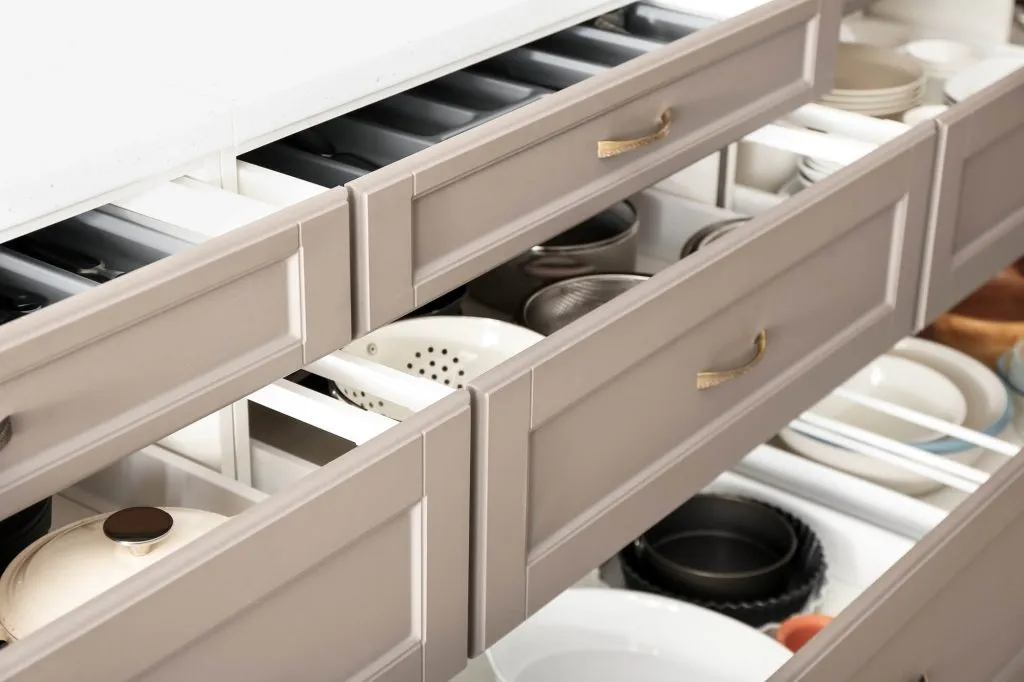
Must-Have Storage Solutions
A clutter-free kitchen is essential for a seamless cooking experience. Proper storage solutions not only help maintain organization but also enhance the efficiency of your culinary endeavors. Here are some of the best storage options that every chef’s kitchen should consider:
- Walk-In Pantry: A walk-in pantry can be a game changer for avid cooks and chefs alike. It provides ample space for storing bulk ingredients, including grains, canned goods, and spices. With the ability to organize items on shelves, you can keep everything visible and accessible, thus minimizing the time spent searching for items when you’re in the throes of cooking. If space is limited, a narrow pantry can serve a similar purpose, providing vertical storage that utilizes every inch efficiently.
- Deep and Vertical Drawers: Deep drawers are perfect for storing oversized pots and pans, preventing them from becoming an unwieldy mess under your countertop. Additionally, vertical drawers can be customized to hold baking sheets, cutting boards, and even large mixing bowls, ensuring that these essentials are easily accessible while keeping your workspace tidy. By opting for full-extension slides, you’ll be able to reach the back of these drawers with ease, maximizing convenience.
- Wall-Mounted Knife Blocks: Keeping knives within easy reach while maintaining safety is a must in any chef’s kitchen. Wall-mounted knife blocks not only save counter space but also allow for efficient organization. Every knife has its designated spot, making it easy to grab the right one during food preparation. Moreover, wooden blocks can enhance the kitchen’s aesthetic while serving a practical purpose.
- Adjustable Shelves and Blind Corner Swing-Out Shelves: To make the most of your kitchen space, consider installing adjustable shelves that can be tailored to fit various item heights. This flexibility allows for the storage of anything from tall jars to shorter kitchen gadgets. Similarly, blind corner swing-out shelves are invaluable for utilizing otherwise wasted corner spaces in your cupboards. These systems allow you to easily access hard-to-reach areas, ensuring that every inch of storage is optimized.
- Appliance Garage: An appliance garage is an ideal solution for keeping frequently used appliances, such as blenders, mixers, and toasters, tucked away while still being readily accessible. This feature can help keep your countertops clutter-free, allowing for a more open and aesthetically pleasing workspace. By choosing a garage with roll-up or fold-down doors, you can easily hide away these items when not in use, creating a clean and organized kitchen environment.
The organization will empower you to enjoy your culinary creations without the stress of disorder, making each cooking session a delight rather than a chore.
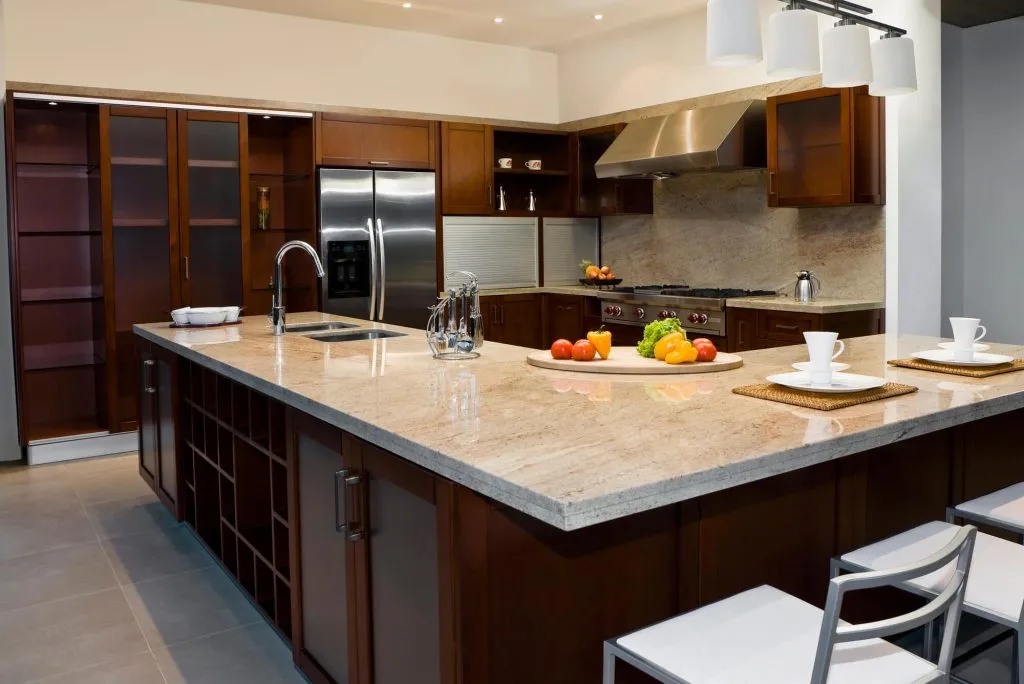
Countertop Space & Durable Surfaces
Having sufficient countertop space is essential for effective meal preparation and streamlined cooking.
Best Countertop Materials for a pro
- Stainless Steel Surfaces: This material is perfect for those who prioritize easy maintenance and desire a sleek, professional appearance in their kitchen.
- Butcher Block: This option offers a specific area dedicated to cutting and chopping, making it a practical choice for chefs.
- Quartz or Granite: These materials not only enhance the aesthetic appeal of your kitchen but also provide exceptional durability to withstand the rigors of daily cooking activities.
Sinks & Plumbing for a Highly Functional Chef’s Kitchen
A carefully thought-out sink arrangement is absolutely vital for sustaining a high level of cleanliness and operational efficiency in any chef’s kitchen.
Essential Sink Features
- Double Sink: A double sink allows you to effectively separate food preparation from dishwashing activities, thereby promoting a more organized workflow. You don’t want those dirty dishes touching the cabbage you’re rinsing.
- Deep Sink: On the other hand, a single deep sink will come in handy for easily washing large pots and pans, helping to accommodate the demands of various cooking activities without hassle.
- Prep Sink in Island: Incorporating a prep sink into your kitchen island enhances convenience, as it provides an ideal spot for rinsing ingredients while preparing meals.
- Double Faucet Sink: A sink designed with double faucets enables multiple users to work simultaneously, significantly improving efficiency during busy cooking sessions.
Lighting: Enhancing Visibility and Ambiance
Lighting is a crucial element of a chef’s kitchen. The right lighting can improve visibility, create ambiance, and enhance safety while cooking. A well-lit kitchen isn’t just about brightness—it’s about layering different types of lighting for a functional and inviting space.
Task Lighting
Task lights are essential for areas where precise food preparation occurs, such as countertops, kitchen islands, and stovetops. Under-cabinet LED strips or adjustable pendant lights are great options for providing focused illumination in workspaces.
Ambient Lighting
Ambient lighting creates a general, overall brightness in the kitchen. This can be achieved using ceiling-mounted fixtures, recessed lights, or even chandeliers for a more decorative touch. Proper ambient lighting ensures that the kitchen remains comfortable and inviting, especially for entertaining guests.
Accent Lighting
Accent lighting highlights key design features of the kitchen, such as open shelving, architectural elements, or a bespoke kitchen island. This can be achieved with wall sconces, toe-kick LED strips, or cabinet lighting.
Overhead Lighting
Overhead lighting ensures that every part of the kitchen is evenly illuminated. Installing large pendant lights over the island or using a combination of flush-mount fixtures can create a well-balanced lighting scheme.
Feature Lighting
For those who want to add a decorative touch, feature lighting can enhance the kitchen’s visual appeal. Options like statement chandeliers, glass-enclosed fixtures, or industrial-style lights can help define the kitchen’s ambiance.
Crafting Your Ideal Chef’s Kitchen at Home
DTo create an efficient cooking environment, it’s helpful to follow chef’s kitchen design principles. In a chef’s kitchen, the layout is structured to ensure easy access to ingredients, appliances, and cookware, with dedicated prep space and areas for meal preparation. Many chefs prefer designs that allow them to work efficiently with few steps between the prep stations, cooking zones, and cleaning areas.
A double galley layout or single galley can be effective, but many kitchen design ideas include a chef’s island or large island to maximize space, provide extra counter space, and accommodate multiple people cooking together. These spaces often include multiple deep sinks, dual faucets, and large sinks to handle washing ingredients, dirty dishes, and multiple pans during the cooking process.
High-performing kitchens feature high end appliances such as a sub zero refrigerator, steam oven, multiple ovens, and professional level equipment like vacuum seals and elaborate filtration systems to eliminate odors. Stainless steel finishes, upscale finishes, and granite countertops are common in a gourmet kitchen, as are ample space, storage cabinets, pantry drawers, and open shelves that provide plenty of room for tools and ingredients.
To improve flow, it’s essential to designate separate areas for preparation, cooking, and cleaning. A well-planned kitchen remodel may also add task lighting, additional electrical outlets, or a formal definition of spaces to better accommodate multiple pans, prepare multiple dishes, and serve dinner guests seamlessly from the dining area.
Ultimately, kitchen design should balance functionality, style, and efficiency, ensuring the home kitchen feels like a professional chef environment. By blending cabinets, countertops, appliances, and thoughtful plans together, most kitchens can be transformed into a gourmet space that allows homeowners and their guests to enjoy life while keeping the cooking process smooth and efficient.
Contact Cabinet IQ today to start planning your ultimate chef’s kitchen and bring your culinary vision to life!