Eco-Friendly Cabinetry Options: Sustainable Choices for Your Kitchen
With environmental consciousness becoming a major factor in modern kitchen design, more homeowners are turning to eco-friendly kitchen cabinets as a sustainable option for their homes. Whether you’re building a new kitchen or upgrading your current cabinets, eco-friendly options offer not only style and durability but also contribute to a healthier environment and reduced carbon […]
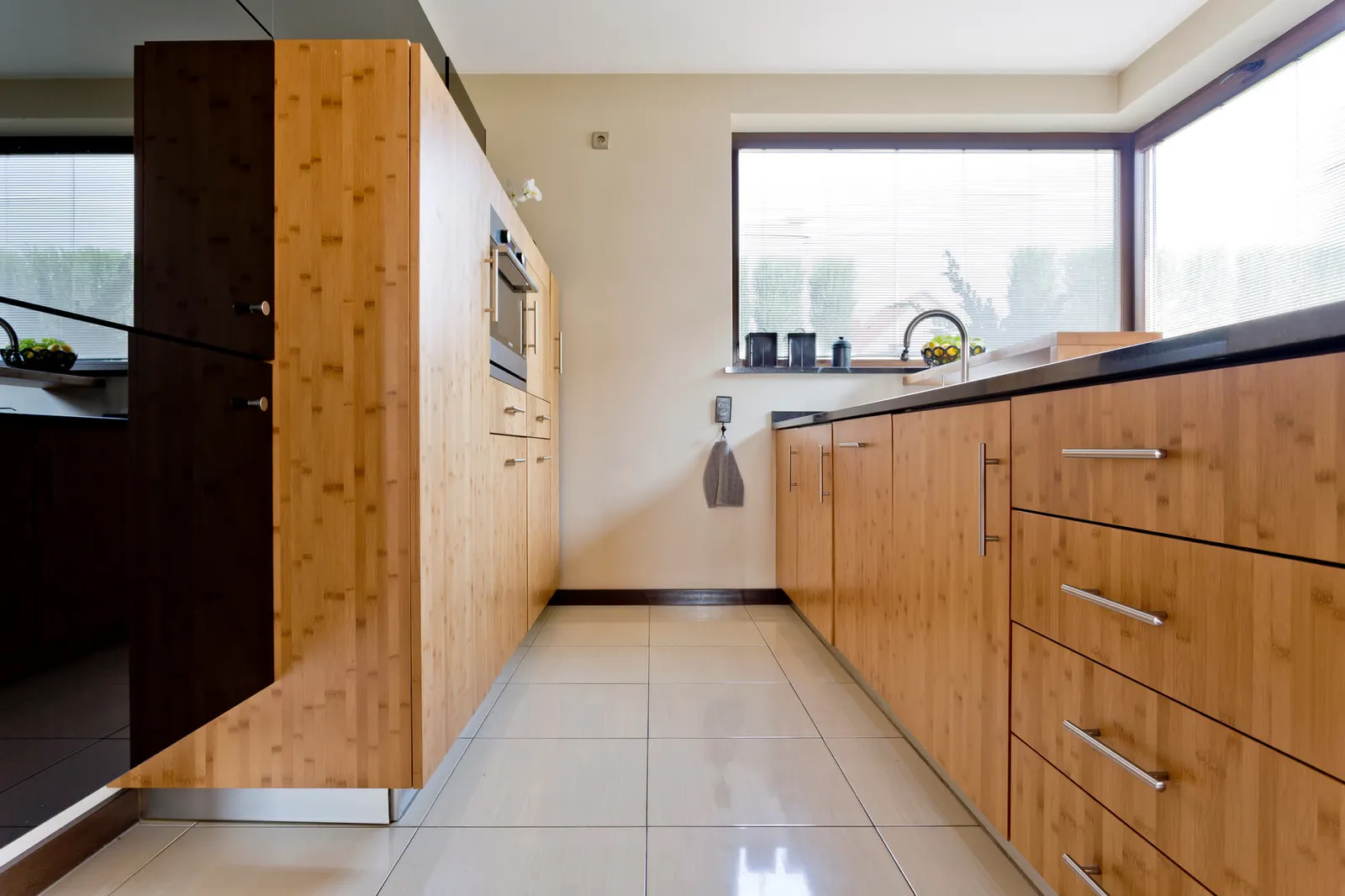
With environmental consciousness becoming a major factor in modern kitchen design, more homeowners are turning to eco-friendly kitchen cabinets as a sustainable option for their homes. Whether you’re building a new kitchen or upgrading your current cabinets, eco-friendly options offer not only style and durability but also contribute to a healthier environment and reduced carbon footprint.
We’ll take this opportunity to explore the environmental impact and advantages of choosing eco-friendly cabinets, from recycled materials and FSC-certified wood to water-based finishes and non-toxic adhesives. You’ll discover what makes cabinetry truly sustainable, how to spot certified eco-friendly cabinetry, and whether these options align with your remodeling goals and budget.
By integrating sustainable materials and environmentally responsible practices into your kitchen remodel, you can make a positive impact on both your indoor environment and the planet, all while achieving a beautiful, functional design.
What Are Eco-Friendly Kitchen Cabinets?
Eco-friendly or sustainable kitchen cabinets are built using sustainable materials and sustainable manufacturing practices that minimize environmental impact and promote indoor air quality. Unlike traditional kitchen cabinets, which may use harmful chemicals, formaldehyde-containing plywoods, or resource-intensive hardwoods, eco-friendly options prioritize health, renewability, and ethical sourcing.
These cabinets often feature:
- FSC-certified wood or renewable woods like bamboo
- Recycled materials, such as recycled wood fiber or agricultural waste composites
- Water-based finishes and low-VOC or Zero-VOC paints
- Non-toxic cabinet interiors and adhesives free of harmful gases or volatile organic compounds
Cabinet makers who produce eco-friendly cabinetry also adhere to green certifications and sustainable practices, such as reducing waste, improving energy efficiency, and sourcing responsibly. Whether it’s using reclaimed cabinet box construction or formaldehyde-free cabinets, the focus is on offering a safer environment for homeowners and the planet.
Greener, non-toxic kitchen cabinets are a sustainable choice for anyone seeking a balance between style, health, and environmental responsibility in their kitchen design.
Key Features of Eco-Friendly Cabinetry
Let’s focus more on the core characteristics of environmentally-friendly kitchen cabinets that help distinguish them from conventional options. These sustainable cabinets stand out due to the following features:
Sustainable Materials
Eco-friendly cabinets utilize renewable resources like bamboo, lyptus, and responsibly harvested hardwood options. Formaldehyde-free Medium-Density Fiberboard (MDF) and plywood are also commonly used to avoid harmful off-gassing.
Recycled and Recyclable Content
From recycled kitchen cabinets made with post-consumer wood to recyclable materials in cabinet box construction, these options reduce the environmental impact by lowering waste and utilizing sustainable practices.
Non-Toxic Components
These cabinets avoid traditional solvent-based finishes and instead feature plant-based or water-based finishes, significantly reducing indoor air pollution. This makes them an excellent choice for those concerned about human health and air quality.
Green Certifications
Look for cabinets certified by recognized programs like FSC (Forest Stewardship Council) ot CARB2 (California Air Resources Board Phase 2 compliance.
Such certifications ensure that cabinet materials meet strict environmental and health safety standards.
Energy-Efficient Manufacturing
Many eco-conscious cabinet manufacturers integrate energy-efficient appliances and renewable energy sources into their production process, further lowering their carbon footprint.
Eco-friendly cabinets combine style with substance, delivering excellent options for a sustainable kitchen without compromising on design or quality.
Benefits of Choosing Eco-Friendly Cabinets
Yes, investing in sustainable kitchen cabinets is stylish, but it’s a commitment to sustainable choices that improve both personal health and global environmental impact.
Among the many benefits are:
Healthier Indoor Air Quality
Eco-friendly cabinets use water-based finishes and non-toxic materials that emit fewer volatile organic compounds (VOCs), reducing exposure to harmful chemicals and improving indoor air quality. This is especially important for households with children, elderly family members, or anyone with chemical sensitivities.
Reduced Environmental Impact
Choosing cabinets made from eco-friendly materials, either because they’re recycled or from renewable resources, helps conserve natural resources and reduce waste. This minimizes carbon emissions and supports sustainable forestry through the responsible sourcing of certified wood fibers.
Support for Green Building Standards
Sustainable cabinets often contribute points toward certifications like LEED (Leadership in Energy and Environmental Design) and other green building standards. These standards promote energy efficiency, waste reduction, and healthier living spaces.
Long-Term Durability and Quality
Eco-friendly cabinetry, especially when built with FSC-certified wood or durable recycled composites, stands up to everyday wear and tear just as well as conventional cabinets.
High-quality, sustainable materials reduce the need for frequent replacements, saving money and resources in the long run.
Ethical and Responsible Practices
Opting for eco-friendly kitchen cabinets encourages responsible practices among cabinet manufacturers, including ethical labor practices, transparent sourcing, and a reduced carbon footprint throughout the product lifecycle.
Incorporating sustainable cabinets into your kitchen remodel is an excellent choice for homeowners who want a blend of style, function, and ecological responsibility, all while contributing to a greener future.
Certifications to Look For
Look for these labels and documentation from reputable cabinet manufacturers and suppliers:
- FSC (Forest Stewardship Council): FSC-certified wood guarantees that the materials used in your cabinets come from responsibly managed forests that provide environmental, social, and economic benefits. FSC-certified kitchen cabinets help protect biodiversity and reduce environmental impact through sustainable forestry.
- CARB2 Compliance: The California Air Resources Board Phase 2 standard (CARB2) limits formaldehyde emissions from wood products. Cabinets labeled CARB2 compliant are safer for indoor air quality and reduce the presence of harmful chemicals in your kitchen environment.
- Greenguard and Greenguard Gold: Greenguard certifications ensure products meet strict chemical emissions limits, contributing to improved indoor air quality. Greenguard Gold certification, in particular, is ideal for sensitive indoor environments, such as homes with children or individuals with chemical sensitivities.
- NAUF and NAF Labels: No Added Urea Formaldehyde (NAUF) and No Added Formaldehyde (NAF) labels indicate that cabinet materials are free from harmful compounds that can negatively affect human health and indoor environments.
- Other Eco-Certifications: Additional third-party certifications from organizations like SCS Global Services or certification programs tied to LEED can confirm that cabinetry meets green building standards and sustainable design requirements.
These certifications help ensure that you’re making a sustainable choice backed by credible environmental standards. Always ask your cabinet contractor or cabinet distributor to provide documentation or product resource management details when evaluating eco-friendly cabinetry options.
Material Options for Sustainable Cabinets
There’s likely no bigger factor involved when aiming for eco-friendly kitchen cabinets than selecting the right cabinet material. Each material has unique qualities that affect sustainability, appearance, and performance.
Bamboo
A rapidly renewable resource, bamboo grows significantly faster than traditional hardwoods. It’s strong, stylish, and considered a top eco-friendly material thanks to its minimal environmental impact.
Pros:
- Sustainable and fast-growing
- Durable and water-resistant
- Modern aesthetic with natural grain patterns
Cons:
- More expensive than some alternatives
- Limited color range without staining
Reclaimed Wood
Using recycled wood reduces demand for new timber and gives wood products a second life. Reclaimed wood cabinets adds character and warmth while supporting waste reduction and resource efficiency.
Pros:
- Eco-friendly use of existing resources
- Unique visual appeal with rich, aged textures
- Excellent option for rustic and farmhouse designs
Cons:
- Variability in condition and sourcing
- May require treatment for pests or moisture
Formaldehyde-Free MDF and Plywood
Medium-Density Fiberboard (MDF) and plywood can be eco-friendly if they are formaldehyde-free and made using low-emission adhesives. These composite materials are cost-effective and versatile.
Pros:
- Affordable option for custom cabinets
- Smooth finish for painting
- Available with low-VOC and zero-VOC options
Cons:
- Less durable than solid wood or bamboo
- Not ideal for high-humidity areas unless sealed
FSC-Certified Solid Wood
Solid wood remains a popular material for cabinetry, especially when responsibly sourced. FSC-certified wood guarantees that the product comes from forests managed with environmental responsibility and social benefit in mind.
Pros:
- Long-lasting and durable
- Wide range of hardwood options (maple, oak, cherry)
- Classic aesthetic with timeless appeal
Cons:
- Higher initial cost
- Requires regular maintenance to retain appearance
Agricultural Waste Composites
An emerging sustainable material, these composites use waste from crops like wheat or sorghum, offering a biodegradable and resource-efficient alternative.
Pros:
- Low environmental impact
- Diverts agricultural waste from landfills
- Potential for carbon neutrality
Cons:
- Limited availability
- Still gaining traction in the cabinetry market
Choose a cabinet material that aligns with green building standards and reflects sustainable practices, so you can create a beautiful, durable, and eco-conscious kitchen environment.
Best Kitchen Styles for Eco-Friendly Cabinets
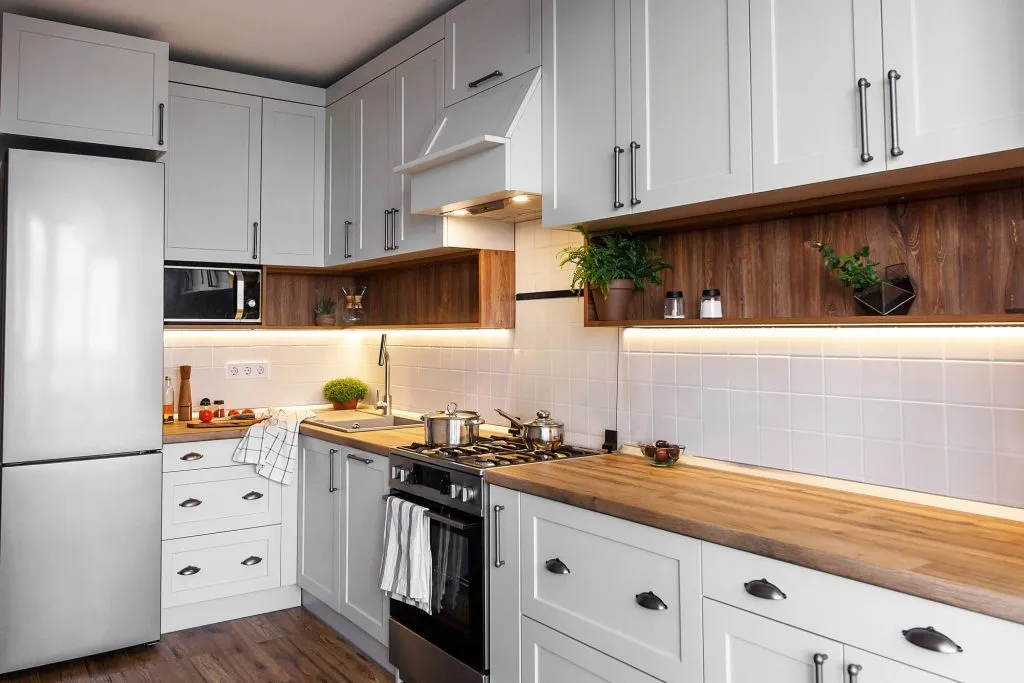
Eco-friendly kitchen cabinets can complement a variety of design aesthetics while promoting sustainability. Here are the kitchen styles that pair especially well with green cabinetry choices:
Modern and Minimalist Kitchens
Bamboo cabinets, flat-panel designs, and water-based finishes work well in sleek, contemporary kitchens. The clean lines and minimalist color palettes make these kitchens ideal for showcasing environmentally responsible design principles.
Farmhouse and Rustic Kitchens
Reclaimed wood and distressed finishes are perfect for farmhouse and rustic styles. These materials tell a story, reduce waste, and emphasize the beauty of natural elements in cabinetry.
Scandinavian and Organic Designs
Neutral tones, natural wood textures, and simple cabinet box construction help highlight light, open Scandinavian aesthetics. FSC-certified solid wood and natural wood grain patterns align with the understated elegance of this style.
Transitional Kitchens
Combining elements from both traditional and contemporary design, transitional kitchens benefit from eco-friendly cabinets that offer flexible design options, such as formaldehyde-free MDF cabinets with a semi-gloss finish or low-VOC painted cabinetry.
Industrial-Inspired Kitchens
Sustainable options like recycled wood, agricultural waste composites, and black hardware add authenticity and environmental consciousness to modern industrial kitchens. These finishes contribute to the character of the space while adhering to eco-friendly practices.
No matter the design direction, eco-friendly cabinetry helps achieve a balance between style and sustainable living, making it a beautiful and responsible addition to any kitchen layout.
Is Eco-Friendly Cabinetry Right for Your Remodel?
Choosing sustainable kitchen cabinets involves more than checking a box for sustainability—it requires evaluating your lifestyle, budget, and renovation goals. Here’s how to determine if it’s the right fit for your kitchen remodel:
Evaluate Your Priorities
If reducing your environmental impact, improving indoor air quality, and supporting sustainable practices are important to you, eco-friendly cabinets are a natural choice. Homeowners who value green building standards and want to minimize their carbon footprint will find these cabinets align with their values.
Budget Considerations
While some eco-friendly materials like reclaimed wood or bamboo may have a higher initial cost, the long-term value is strong. These cabinets often outlast low-cost alternatives and require fewer replacements, making them cost-effective over their life cycle. Options like formaldehyde-free MDF or veneer finishes also provide affordable solutions.
Aesthetic Preferences
Eco-friendly cabinets are available in a wide range of styles and finishes, including modern, rustic, and minimalist looks. Whether you’re drawn to natural wood tones or contemporary textures, there’s an environmentally conscious solution to match.
Local Availability and Expertise
Not all regions or suppliers stock certified sustainable materials. Work with cabinet companies or distributors that specialize in eco-friendly cabinetry, and always ask for certification documentation to verify claims.
If you’re a homeowner who values functional design, natural resources, and a healthier environment, eco-friendly cabinetry is not just a trend—it’s a sustainable life decision.
Sustainable Choices for a Smarter Kitchen
Environmentally-friendly kitchen cabinets are more than just a design trend—they’re a long-term investment in your home’s value, your family’s health, and the planet’s future. From reclaimed wood cabinets and FSC-certified wood to formaldehyde-free cabinets and medium-density fiberboard, the best environmentally friendly cabinets combine beauty, performance, and sustainability.
Today’s eco kitchen options include everything from custom cabinets built with reclaimed wood and MDF cabinets to countertop surfaces made with recycled glass. Whether you’re designing a sage green kitchen, incorporating cabinet refacing for an upgrade, or pairing your cabinetry with modern kitchen features like steel appliances, there are endless ways to bring friendly kitchen ideas to life.
If you’re aiming to reduce indoor pollutants, avoid harmful materials, or explore creative, sustainable kitchens, our experts at Cabinet IQ are here to help. We guide you through kitchen designs that include durable cabinet doors, smart material choices, and stylish finishes—so you can create a kitchen that’s both beautiful and responsible.
Ready to explore the best environmentally friendly cabinets and eco-friendly kitchen cabinets tailored to your style and values? Schedule your design consultation with Cabinet IQ today.