





Cabinetry Remodeling Experts in Tampa, FL

What Separates an Expert From a Salesperson

Cabinetry remodeling experts in Tampa should be able to tell you what will not work before they tell you what they sell. Most homeowners meet the second kind first.

The difference shows up early. Whether the kitchen gets measured before a number is quoted, whether the tradeoffs get named, and whether anyone asks how you actually use the room.

From first measurements to final installation, Cabinet IQ of Tampa handles the details that decide whether the kitchen feels built in or just installed.

Why Homeowners Choose Cabinet IQ of Tampa

The work that happens before anything gets ordered is what separates a good outcome from an expensive correction.

Every number we give you comes from the room itself. No sketch-based estimates that change after the order goes in.

We measure in place, at multiple points, before anything is specified. Ceiling height varies across a single room in most older Tampa homes, walls run out of square, and floors slope enough to change where a long cabinet run lands.

Finding those conditions early costs a conversation. Finding them on install day costs a reorder and weeks of your schedule. We would rather have the conversation.


A kitchen layout drawn to measured dimensions over a set of plans

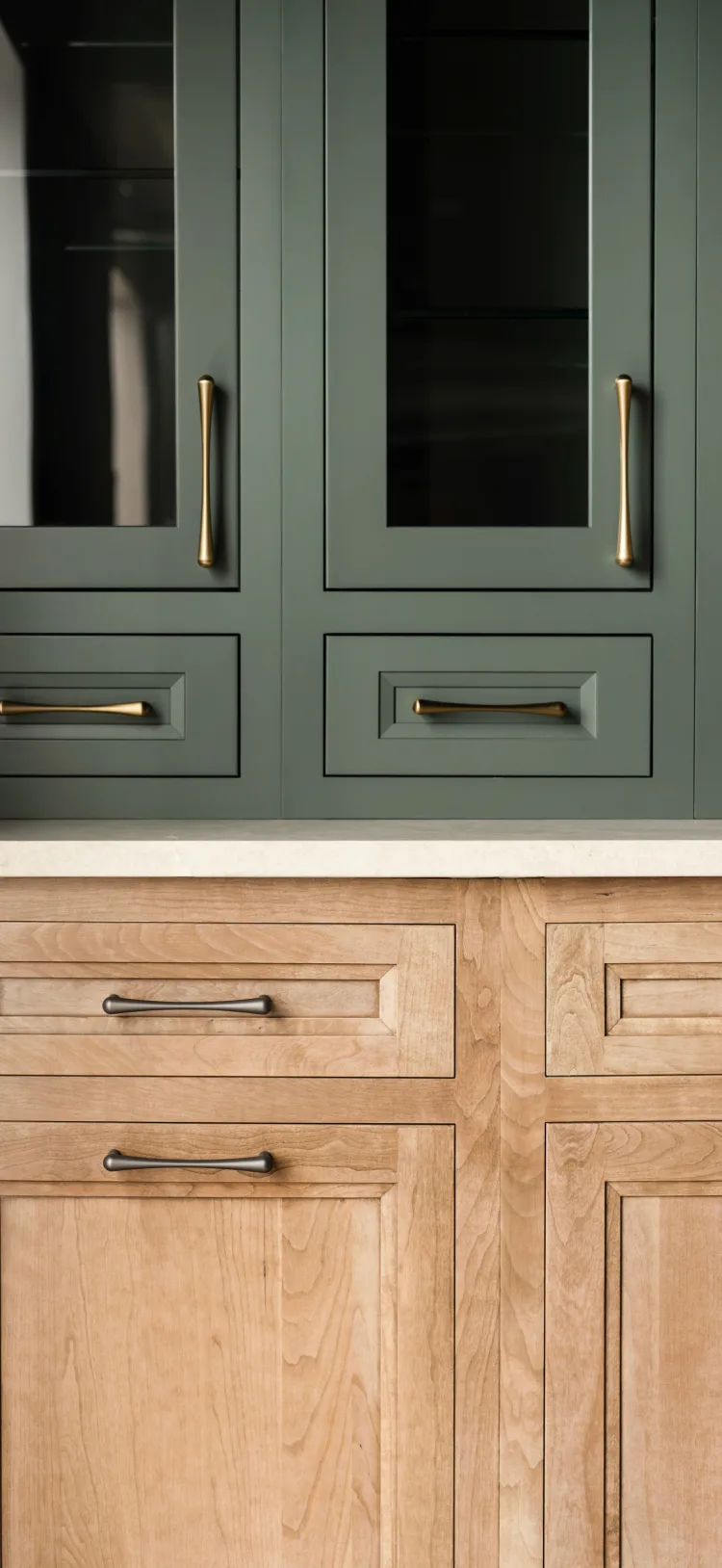
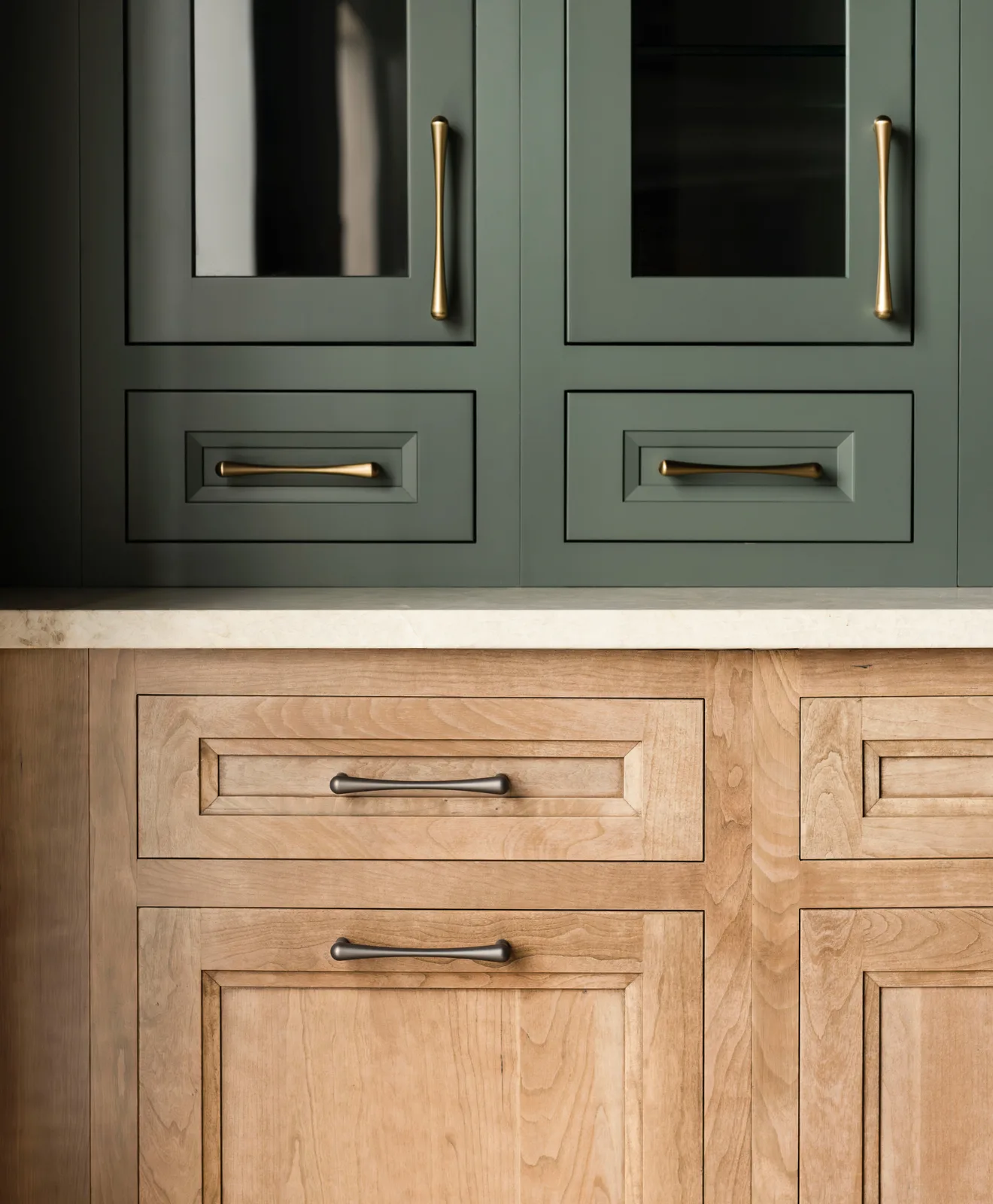
Inset doors, painted finishes, 42-inch uppers. Each one gains something and gives something up. You will hear both.

Inset looks the best and costs the most to build and hang. Painted doors can show a hairline at the joints unless the center panel is specified correctly. Frameless gains interior space and demands tighter installation.

We name all of it. A company that presents every option as strictly better is protecting its margin, not your project. You make a better decision with the full picture, and you are less likely to regret it a year in.

A Cabinet IQ designer comparing door styles and finishes with homeowners at the showroom sample wall

If semi-custom solves your kitchen, we say so. Custom pays us more, and that is not a reason to recommend it.

For a straightforward layout at standard ceiling height, semi-custom often covers everything a homeowner wanted from custom, on a shorter lead time and at lower cost. We tell you when that is your situation.

Custom earns its cost in the harder cases, and we tell you that too. Either way you are getting a recommendation based on your kitchen rather than our price list.

A Cabinet IQ designer walking homeowners through a kitchen design and drawings

The team that measures is the team that installs. Nobody gets to blame anyone else when something does not fit.

Split design and installation across separate vendors and a fit problem becomes an argument about whose measurement was wrong, while your kitchen sits unfinished. We keep both under one roof, which means one point of accountability.

Every project runs through a 57-point quality assurance check before installation begins, and countertop templating happens against what is actually built rather than what was drawn.

A Cabinet IQ installer fitting a dovetail drawer box into a new cabinet run

Where Expertise Shows Up

Expertise

Material Knowledge

Plywood resists swelling under a sink where particleboard does not. Maple blotches without a conditioner first. Knowing which detail matters for which kitchen is what separates a specification from a catalog order.

Expertise

Storage Planning

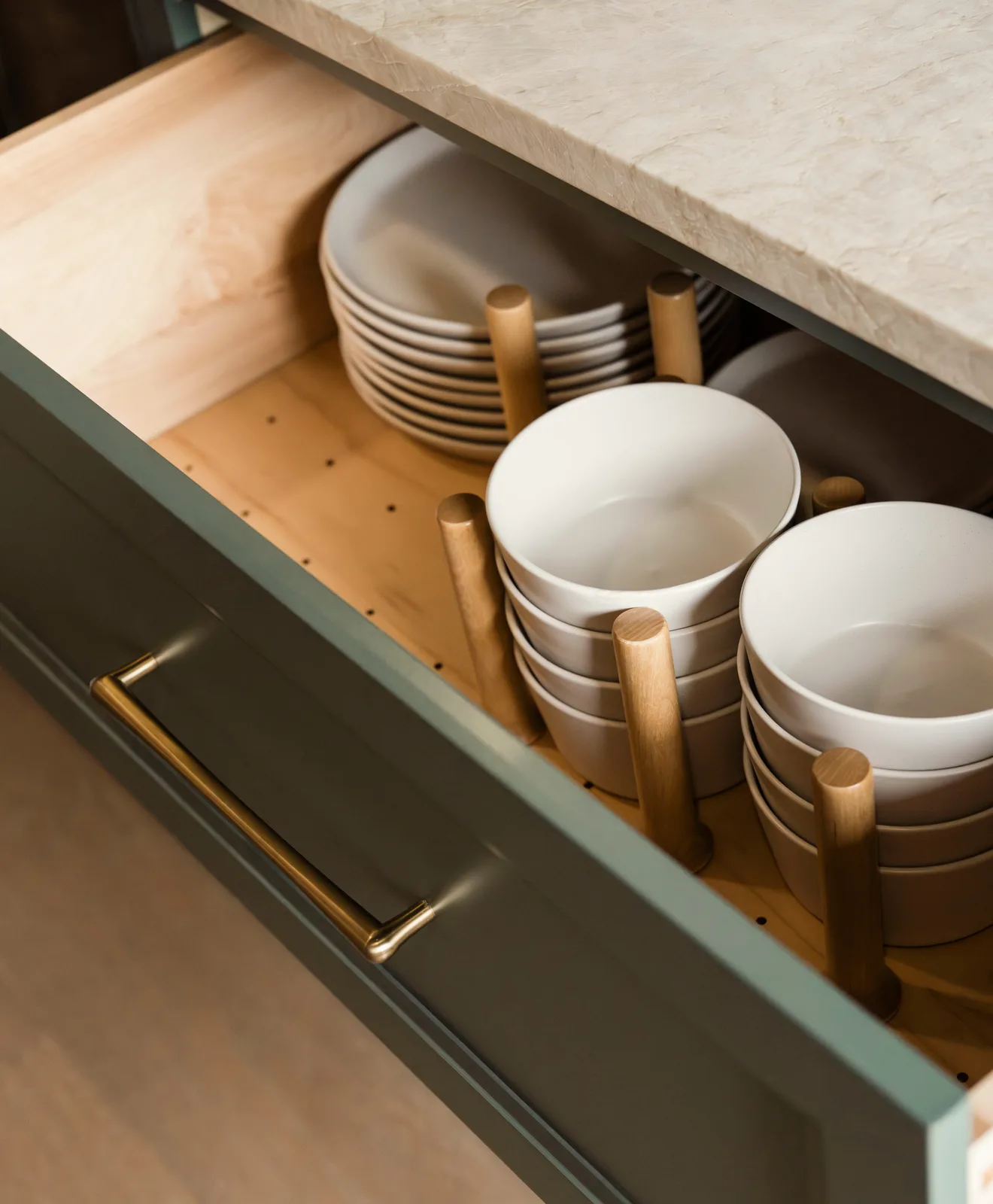
Most kitchens have the space and lose it to the wrong configuration. Drawer stacks instead of shelved doors, pull-outs in the corners, uppers run to the ceiling. The volume was always there.

Expertise

Sequencing

Cabinets, then countertop templating against what is actually built, then backsplash. Appliance delivery and electrical have to land in the right week. Out of order, the rework is expensive.

Expertise

Layout Diagnosis

Most kitchens have one thing working against them. A blocked walkway, a range too far from the sink, a door that fights the refrigerator. Naming it is what makes the cabinet plan solve something.

Explore More From Cabinet IQ of Tampa

Related pages for homeowners weighing cabinetry against the rest of the remodel.

Cabinet options planned by where they sit in the run and what that position has to do.

Base cabinets carry the weight and raise the drawers-versus-doors decision. Uppers set how tall the kitchen reads and how much of it you can reach. Corners waste more space than any other position, and what goes there decides whether that volume is usable.

Sizing, construction, and finish all get compared before anything is ordered, which is what keeps a quote from turning into a surprise.

When the kitchen has a condition standard sizing cannot solve, custom is the answer. Fractional increments, non-standard heights, and cabinetry built to spec.

The tell is usually one detail that keeps not working. A soffit that leaves an awkward gap. A refrigerator opening three inches too narrow. A range wall where the run has to stop short and get covered with filler.

Custom exists for those. Nothing is chosen from a fixed menu, dimensions come from the room rather than a catalog, and the cabinetry can absorb whatever the house already committed to decades ago.

The tier most kitchens actually need. More range than stock, shorter lead time than custom, and no compromise on construction.

Semi-custom is where the money usually goes furthest. Door styles, finishes, and storage upgrades come from a defined range rather than an open one, and sizing adjusts in set increments instead of fractional.

For a kitchen with square walls and a standard ceiling, that range covers nearly everything a homeowner had in mind when they said custom. The cases it cannot cover are specific, and they are worth identifying before the order rather than after.

View Semi-Custom Cabinets

Cabinetry for a room where the plumbing was decided before you got here and the floor space is already spoken for.

Bathrooms leave far less room for error than kitchens. Three inches of vanity depth decides whether the door clears. A drawer that looks fine on paper hits the supply lines. Every choice gets made against fixed constraints.

That is why sizing comes first and style comes second here. Vanity height, depth, and drawer configuration all get resolved before anyone opens a finish sample.

The layout decisions that come before cabinetry, and the ones that get expensive to revisit afterward.

Cabinet doors and finishes are the fun part, which is why most homeowners start there. The problem is that a layout change afterward can invalidate half the cabinet order.

Where the sink lands, how much walkway an island leaves, and whether the range and refrigerator fight each other all come first. Once those are settled, the cabinet plan follows without needing to be redone.

The stage where every earlier decision either fits or does not. Sequencing, coordination, and the details that only show up on site.

Most delays are not caused by the work itself. They come from something arriving in the wrong week. Countertops cannot be templated until the cabinets are set, and backsplash cannot go up until the counter is in.

Electrical for under-cabinet lighting, appliance delivery, and plumbing reconnection all have their own window. Missing one pushes everything behind it, which is why the schedule gets built backward from the install date rather than forward from the order.

View Kitchen Installation

Talk to a Cabinetry Remodeling Expert in Tampa

Bring your measurements, your photos, or a quote you are not sure how to read. A designer will tell you what your kitchen actually needs before anyone talks price.

Get Started

FAQs

  • A dealer sells product from a catalog. An expert measures the room first, identifies what the current layout is doing wrong, and specifies cabinetry around it. The difference shows in whether anyone visits before quoting.

  • Look for field measurement before quoting, direct answers on box construction, and installers employed by the company rather than subcontracted. Vague answers on any of those tell you what you need to know.

  • Box material, drawer joinery, hinge and slide grade, and finish process account for most of the spread. Two quotes can describe the same door style and differ substantially in what sits behind it.

  • Three, but only if they are comparable. A quote with plywood boxes and dovetail drawers is not competing with one on particleboard at the same footage. Confirm construction before comparing prices.

  • A cabinet specialist handles cabinetry, countertops, and design. A general contractor coordinates structural work, plumbing relocation, and electrical. Projects that move walls need both. Cabinetry-focused projects usually do not.

  • Anything built to size needs a design and measurement plan first, since nothing can be exchanged for a different dimension later. Installation alone works only when the cabinetry is already correctly specified.

  • Measurements if you have them, photos of the current kitchen, and a note on what is not working. The last one shapes the plan more than any measurement does.

  • Ask what the cheaper tier would not solve in your specific kitchen. A clear answer means they have thought about your room. A general answer about quality usually means they have not.

  • Licensed and insured is the baseline, and worth verifying rather than assuming. Ask which cabinet lines they carry and whether those lines are independently certified for construction and finish durability.

  • Cabinet IQ of Tampa handles cabinetry, countertops, design, and installation. Scope beyond that varies by project, so confirm what the local team covers during your consultation.

  • Design, supply, and installation stay with the same team. That keeps measurement and fit accountability in one place rather than split across separate vendors who can disagree about whose error it was.

  • Yes. The Tampa gallery shows finished cabinetry and countertop projects, which is more useful than renderings for judging finish quality and installation detail.

  • Yes. Renderings come during the design phase, which is where most homeowners first see how a door profile and finish read at full scale rather than on a sample chip.

  • Damaged pieces happen on most projects. What matters is whether the company already has a replacement process or has to build one while your kitchen sits unfinished. Ask before signing.

  • Earlier than most homeowners expect. Cabinetry is built after design approval, so the design phase sets the entire schedule. Working backward from a target install date is the useful approach.

  • Cabinet IQ of Tampa serves Tampa and surrounding communities. Coverage depends on the territory, so confirm your address during the consultation.