Choosing the Right Cabinet Finish Type: Glossy, Matte, or Textured?
When it comes to improving your kitchen’s aesthetic appeal and functionality, picking the right cabinet finish type can make all the difference. More than just a visual upgrade, finishes serve as a protective layer against daily wear, moisture, and grease. Whether you’re drawn to the subtle elegance of a matte finish, the high-shine brilliance of […]
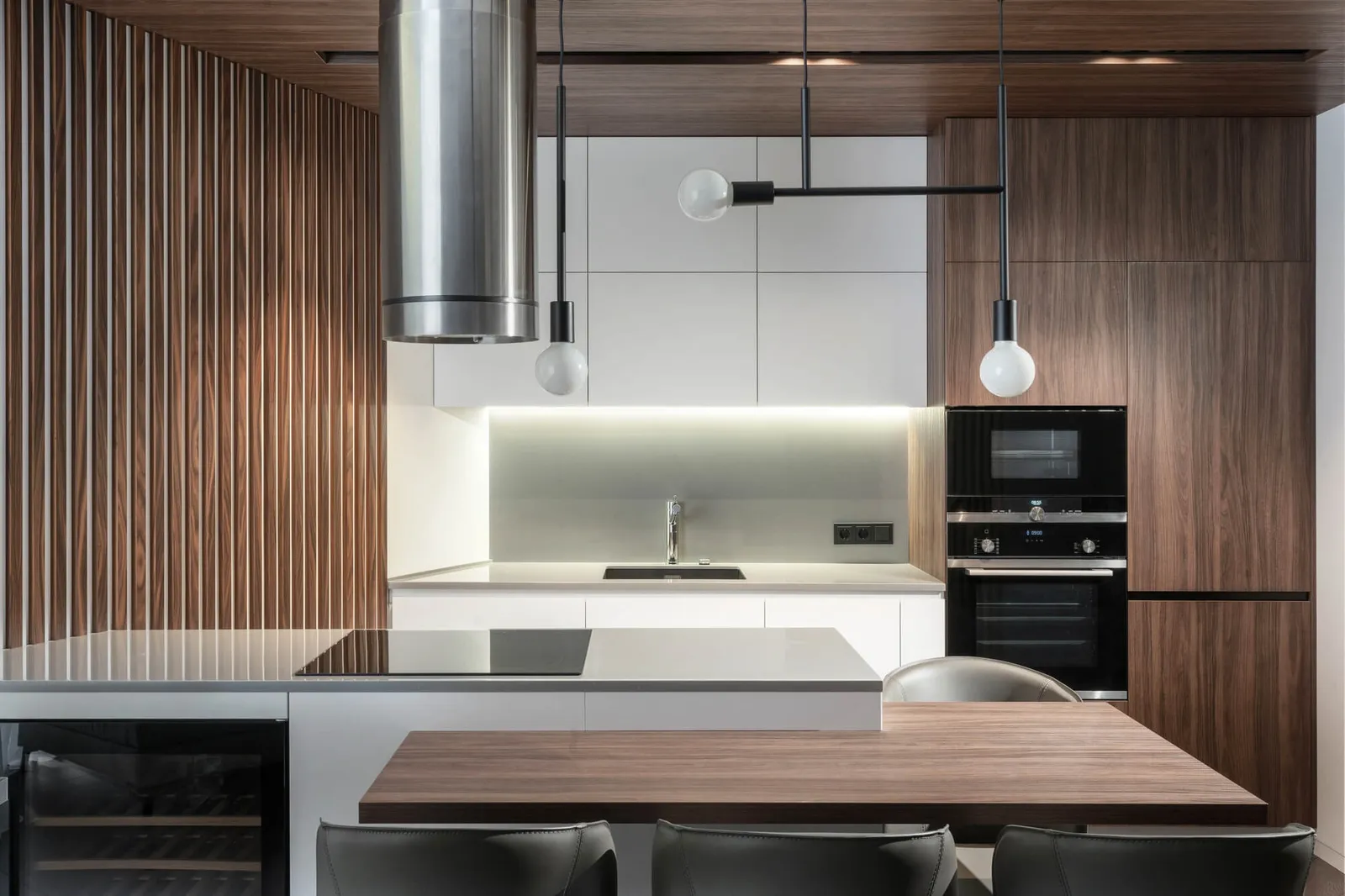
When it comes to improving your kitchen’s aesthetic appeal and functionality, picking the right cabinet finish type can make all the difference. More than just a visual upgrade, finishes serve as a protective layer against daily wear, moisture, and grease. Whether you’re drawn to the subtle elegance of a matte finish, the high-shine brilliance of a glossy finish, or the tactile warmth of a textured surface, the right finish has a direct impact on the longevity and style of your kitchen cabinets.
With countless options now available—from natural wood finishes and painted designs to glazed cabinets and laminate finishes—it’s essential to understand how each finish type complements your kitchen design, cabinet material, and maintenance preferences.
In this guide, we’ll explore the most popular choices for finishes, outline their pros and cons, explain maintenance requirements, compare gloss levels, and offer expert tips to help you match finishes to kitchen styles, whether you’re going for a modern design, classic appeal, or something entirely custom.
Get ready to make an informed decision that brings out the natural beauty of your cabinet doors, supports your lifestyle, and creates a cohesive design throughout your entire kitchen.
Finish Categories: Surface Texture vs. Coating Treatment
When selecting types of kitchen cabinet finishes, it’s essential to distinguish between surface texture and coating treatment. These two aspects define not only the appearance but also the tactile experience, durability, and maintenance requirements of your cabinets.
Surface Texture Finishes
These describe the visual and tactile qualities of cabinet surfaces. These finishes influence how light interacts with the cabinets and how the grain or material beneath is perceived.
- Glossy
- Matte
- Textured
Coating Treatments
On the other hand, coating treatments refer to the method used to apply or alter the cabinet’s surface layer. These finishes penetrate or overlay the wood, offering protection and aesthetic changes.
- Paint
- Stain
- Glaze
- Veener
Protective Layer
The final finish often includes a protective layer such as polyurethane varnish or lacquer, which helps shield cabinet surfaces from water damage, grease, humidity levels, and daily wear. High-quality finishes may involve multiple layers, including primer, color or stain, glaze, and topcoat.
These differences in texture and treatment allow you to make better choices based on cabinet material (e.g., solid wood, medium-density fiberboard, or laminate), design style, and usage.
For instance, busy kitchens benefit from more durable cabinet finishes like laminate or polyurethane-sealed paint, while display cabinetry may emphasize aesthetic appeal with a natural finish or light stain.
Now you’re prepared a bit more to clearly understand the types of finishes ahead and decide which combination of texture and treatment delivers the perfect finish for your space.
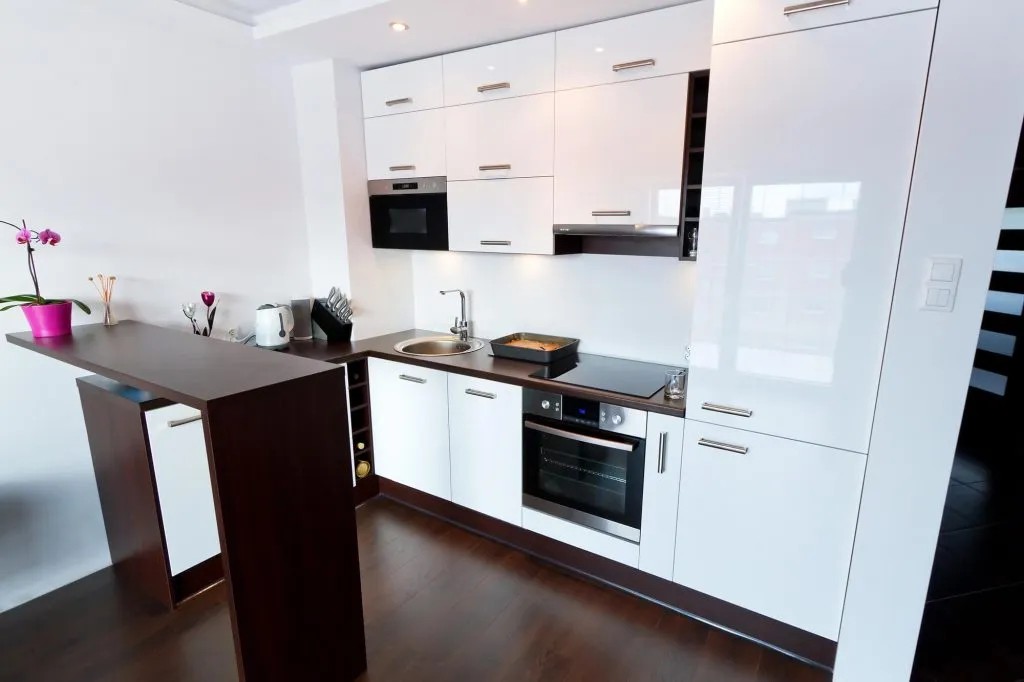
Surface Finish Type Overview: Textured, Matte, Glossy
Glossy Finish
Glossy finishes are known for their sleek, modern look and high reflectivity. These finishes enhance the brightness of a room by bouncing light across cabinet surfaces, making them ideal for compact or low-light kitchens.
Pros:
- Creates a shiny, high-gloss finish that feels contemporary and upscale
- Easy to wipe clean, perfect for busy kitchens
- Makes bright colors and smooth surface cabinetry pop
Cons:
- Shows fingerprints, smudges, and scratches more visibly
- Requires more frequent cleaning in high-use areas
Best for: Contemporary kitchen styles, minimalist designs, and smaller spaces that benefit from a light-enhancing finish.
Matte Finish
A matte finish for kitchen cabinets will absorb light rather than reflecting it, resulting in a softer, more muted aesthetic. A matte finish offers a timeless appeal and is often used in rustic, Scandinavian, or farmhouse kitchen designs.
Pros:
- Hides smudges, dust, and scratches better than glossy options
- Offers a natural appearance that suits both traditional and modern kitchens
- Enhances the visibility of wood grain on natural wood cabinets
Cons:
- Can be harder to clean, especially in areas exposed to grease or food splatter
- May dull over time without proper care
Best for: Matt-finish cabinets are a great choice for rustic or understated spaces, and for homeowners seeking a warm, muted look that complements natural materials.
Textured Finish
Textured finishes add dimension and depth, often replicating the feel of hand-scraped or weathered wood. These finishes highlight the natural grain or mimic artisan craftsmanship.
Pros:
- Excellent for camouflaging everyday wear, minor dents, or surface inconsistencies
- Adds tactile interest and organic authenticity
- Pairs well with natural finish kitchen cabinets
Cons:
- May collect dust and require more detailed cleaning
- Less suitable for glossy or ultra-modern kitchen designs
Best for: Transitional kitchens, rustic themes, and eclectic designs where character and texture take center stage.
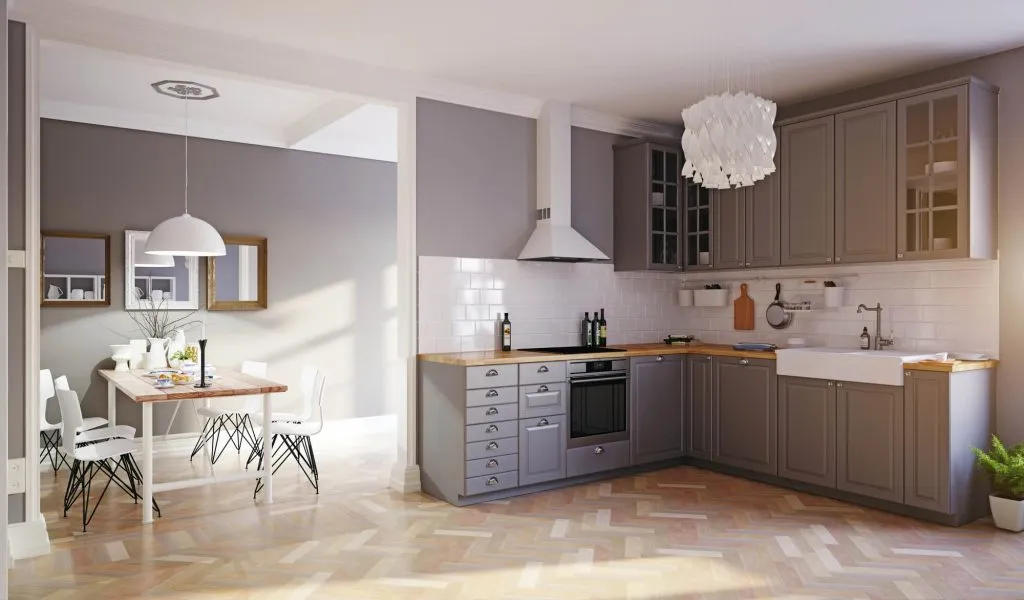
Other Popular Choices of Kitchen Cabinet Finishes
Painted
Painted finishes offer a smooth, uniform appearance and come in a wide range of colors, from neutral whites and grays to bold pops of color. Typically applied to hardwood or medium-density fiberboard (MDF), paint finishes can be customized to suit virtually any cabinet door style.
Pros:
- Excellent design flexibility with countless color options
- Smooth surface, ideal for contemporary or classic designs
- Compatible with both solid wood and engineered materials
Cons:
- May show brush strokes or require professional spraying for a flawless look
- Susceptible to chipping in high-traffic areas if not sealed with a durable topcoat
Best for: Any kitchen style requiring a cohesive color scheme or custom cabinet doors.
Stained
Staining is used to highlight the natural wood grain while adding depth and warmth to the wood. Stains are typically applied to real wood surfaces, allowing the beauty of wood to remain the focal point.
Pros:
- Accentuates wood species and natural wood grain
- Wide variety of tones from light stain to darker stains
- Durable finish when sealed with polyurethane or lacquer
Cons:
- Limited color palette compared to paint
- Less effective at hiding imperfections in the wood
Best for: Traditional, craftsman, or transitional kitchens featuring solid wood cabinetry.
Glazed
Glazed finishes involve applying a layer of glaze over painted or stained cabinets, then wiping it away to leave subtle highlights and shadows. This technique adds a sense of depth and age.
Pros:
- Adds visual interest and texture
- Provides an antique or layered look
Cons:
- Higher cost due to additional labor
- May not suit sleek or minimalistic kitchen styles
Best for: Classic, vintage, or ornate kitchen designs seeking added dimension.
Distressed Finish
Distressed finishes use controlled damage techniques—like sanding edges, adding wormholes, or crackling paint—to create an aged, weathered look.
Pros:
- Delivers a warm, lived-in, antique appearance
- Camouflages everyday wear and tear
Cons:
- Not suitable for clean, modern styles
- Finish may evolve further over time
Best for: Rustic kitchens, farmhouse styles, and period-inspired designs.
Laminate Finish
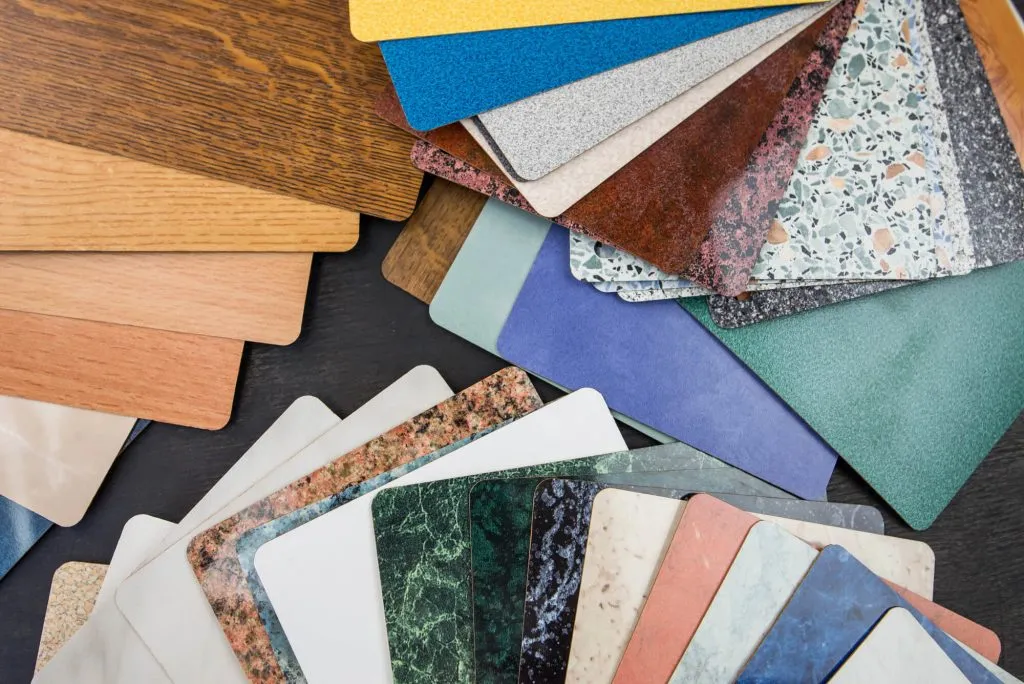
Laminate finishes are made from a synthetic layer applied to particleboard or MDF. With innovations in laminate veneers, today’s options mimic real wood and natural materials more effectively than ever.
Pros:
- Moisture- and heat-resistant, ideal for busy households
- Wide range of designs and gloss levels
- Cost-effective and easy to maintain
Cons:
- Limited repair options if the surface is damaged
- May lack the warmth and character of real wood
Best for: Budget-conscious kitchens and modern designs prioritizing practicality.
Wood Veneer Finish
Wood veneer finishes consist of a thin slice of real wood bonded to a fiberboard or plywood core. They offer the natural beauty of solid wood at a more accessible price point.
Pros:
- Highlights the beauty of wood and grain patterns
- Lighter and more stable than solid wood doors
- Compatible with various gloss levels
Cons:
- Sensitive to water damage without proper sealing
- Requires careful cleaning and maintenance
Best for: Contemporary or classic kitchens aiming for a natural wood look without the higher cost of solid cabinetry.
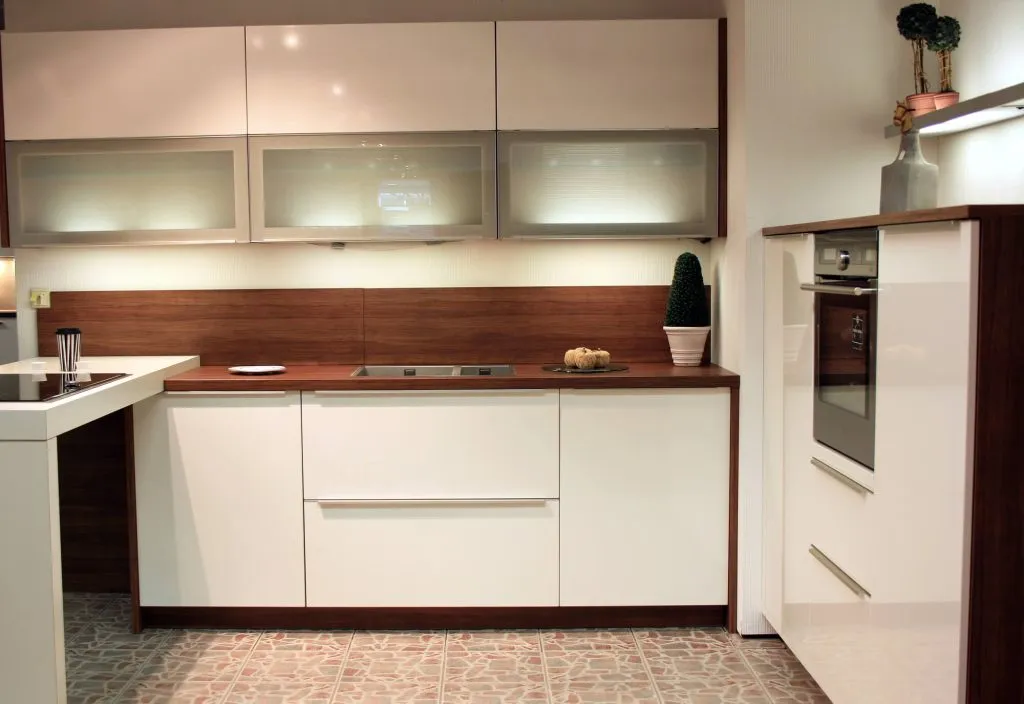
New and Emerging Finish Techniques
While traditional finishes continue to dominate the market, innovative technologies and design preferences have ushered in a new wave of cabinet finish options. These modern alternatives enhance both form and function, offering greater resistance to daily wear and new aesthetic possibilities.
Nano-Coatings
Nano-technology is increasingly used in cabinet finishes to create surfaces that resist fingerprints, scratches, and smudges. These ultra-matte coatings are ideal for busy kitchens where constant cleaning is impractical.
Benefits:
- Anti-fingerprint and smudge-resistant
- High durability with minimal maintenance
- Provides a sleek, modern look without a high-gloss shine
Best for: Matt-finish cabinet fronts in contemporary kitchen designs seeking a balance of style and practicality.
Dual-Tone and Contrast Finishes
Designers are also experimenting with dual-tone cabinetry—combining high-gloss finishes with matte or textured finishes. This not only adds dimension but also provides a creative outlet for those with eclectic designs.
Examples:
- Glossy upper cabinets paired with matte base cabinets
- Natural finish wood grain drawers accented by lacquered door panels
Best for: Kitchens aiming for visual impact and style contrast.
Ceramic-Reinforced and Industrial Coatings
Ceramic-reinforced finishes and heat-resistant cabinet finish technologies are designed to provide maximum protection against extreme temperatures, moisture, and humidity levels.
Advantages:
- Superior protection for areas near the kitchen sink, oven, or stove
- Maintains appearance despite exposure to water and heat
- Often used in commercial-grade cabinetry or high-traffic home kitchens
Textural Innovations
Textured laminates and embossed veneer finishes offer a realistic feel of natural wood without the sensitivity or cost of solid wood. These are excellent options for adding depth and authenticity to cabinet surfaces while ensuring long-lasting performance.
Emerging Options:
- Laminate layers with realistic grain patterns
- Soft-touch matte textures that are fingerprint-resistant
- Embossed wood grain with deep grooves for dramatic effect
These new and emerging finish types provide homeowners with greater flexibility, allowing them to achieve a custom look while ensuring the durability and performance needed in modern kitchens.
Gloss Level Comparison: From Flat to High Gloss
Understanding gloss levels is key to choosing the right cabinet finish type. The gloss level determines how much light the surface reflects and significantly influences the look and feel of your kitchen design.
Gloss Scale Overview
Gloss levels typically range from 0 (completely flat) to 100 (high-gloss). Each level has its own characteristics:
- Flat/Matte (0–04): Absorbs light, shows minimal reflection. Ideal for understated, natural wood finishes.
- Eggshell/Satin (10–40): Slight sheen, easy to clean, subtle gloss.
- Semi-Gloss (41–70): Visible shine without being overpowering. Common in many kitchen cabinet finishes.
- Full or High-Gloss (71–100): Highly reflective, very smooth surface. Often used in modern and contemporary kitchens.
Impact on Appearance and Maintenance
- High-gloss cabinets create a striking, modern appeal and can make small kitchens appear larger due to their reflectivity.
- Matte and satin finishes provide a more subdued, sophisticated appearance and are better at hiding smudges and imperfections.
- Semi-gloss finishes offer a balance between aesthetics and function, making them a popular choice for kitchen cabinets.
Best Use by Style
- Flat/Matte: Farmhouse, rustic, or natural wood cabinets
- Satin/Semi-Gloss Cabinets: Transitional, traditional, or high-use kitchens
- High-Gloss: Contemporary kitchen, minimalistic, or high-design environments
Choosing the right gloss level isn’t just about looks; it also affects how much maintenance the cabinets will require and how they interact with lighting and surrounding surfaces. Your final decision should support your personal style, cabinet material, and the overall design of your entire kitchen.
Maintenance Requirements for Each Finish Type
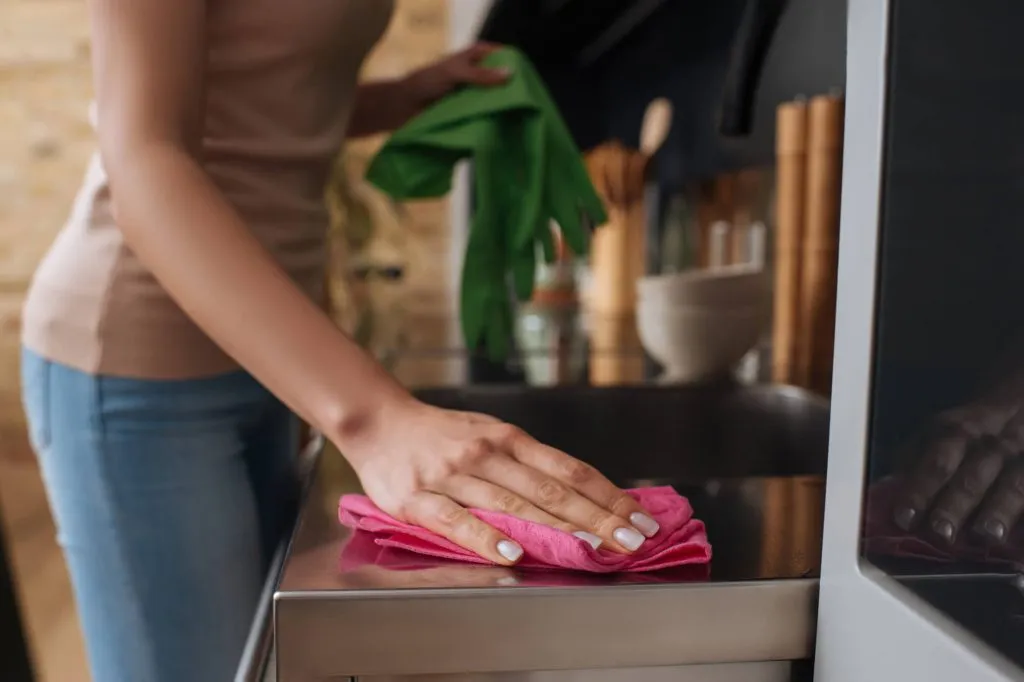
Some finishes for kitchen cabinets are more forgiving than others, particularly in busy kitchens or homes with children, so take these maintenance requirements into account when deciding as well:
Glossy Finish
Maintenance Level: Low to Moderate
Glossy finishes are easy to wipe clean with warm water and a mild detergent, making them ideal for areas near the kitchen sink or cooktop. However, they also reveal smudges, fingerprints, and scratches more easily.
Care Tips:
- Use a microfiber cloth to reduce streaks
- Avoid abrasive cleaners that can scratch the shiny finish
- Polish occasionally to maintain reflectivity
Matte Finish
Maintenance Level: Moderate
Matte finishes don’t show smudges as easily, but they can hold onto grease and dust. Over time, they may lose some luster if not cared for properly.
Care Tips:
- Wipe with a damp cloth and gentle soap
- Avoid oil-based cleaners that leave residue
- Use a soft brush for textured matte surfaces
Textured Finish
Maintenance Level: Moderate to High
Textured and distressed cabinet finishes add visual interest but also come with cleaning challenges. Dust and grime can build up in grooves and indentations.
Care Tips:
- Use a vacuum with a brush attachment for deeper grooves
- Clean regularly with warm water and mild soap
- Consider sealing with a protective layer to reduce buildup
Painted Cabinets
Painted finishes, especially in lighter colors like white cabinets, can show wear around handles and edges over time. Protecting painted cabinets with a polyurethane varnish helps extend their life.
Care Tips:
- Clean with a soft sponge or cloth
- Touch up scratches or chips with matching paint
- Avoid direct water exposure without sealing
Stained and Natural Finishes
These finishes showcase wood grain and the inherent beauty of the material, but they also require regular care to preserve their appearance.
Care Tips:
- Dust regularly and use wood-safe polish
- Avoid excessive water or humidity
- Reapply a clear finish or protective wax every few years
Laminate and Veneer
Maintenance Level: Low
Laminate finishes and veneer finishes are among the most durable cabinet surfaces. They resist stains, heat, and daily wear, making them ideal for active homes.
Care Tips:
- Wipe with a non-abrasive cloth and soapy water
- Avoid heavy scrubbing, which can peel edges
- Inspect seams periodically for moisture penetration
Regular maintenance ensures long-lasting performance and helps protect your cabinet door investment.
Matching Finish to Style and Functionality
Choosing the perfect finishes for kitchen cabinets means aligning visual preferences with how your kitchen functions. Here’s how to match finishes with common kitchen styles and practical considerations.
Kitchen Style Compatibility
| Kitchen Style | Best Cabinet Finish Types | Notes |
| Modern | High-gloss, flat matte, lacquer finish | Clean lines, bold color options |
| Farmhouse | Distressed finish, matte paint, stained wood | Emphasizes warmth and timeless appeal |
| Transitional | Satin/semi-gloss, stained, textured veneer | Blends traditional and contemporary styles |
| Industrial | Textured, distressed, matte finish | Complements raw materials and metal accents |
| Classic/Traditional | Glazed, stained wood, wood veneer | Elegant and versatile with rich wood tones |
Practical Application by Cabinet Area
- Base cabinets: Consider durable finishes like semi-gloss or textured surfaces for hiding wear.
- Upper cabinets: Lighter finishes or glossy surfaces help reflect light and open the space.
- Island cabinets: A place for creative contrasts, try a pop of color or textured finish.
Lifestyle & Use Case
- Busy households: Laminate finishes or try new nano-coated matte options for easy cleaning.
- Design-centric homeowners: Glazed or dual-tone finishes that emphasize aesthetic layers.
- Value-conscious remodels: Painted MDF or veneer finishes offer great design flexibility without high material costs.
Reviewing the Factors For Choosing a Cabinet Finish
Selecting the right cabinet finish is in large part about aesthetics, yes, but as we’ve now seen, it also depends on how you live, cook, clean, and design your space.
Let’s go over some of the essential factors to weigh before making a final decision:
Design Compatibility
Your cabinet finish should complement the overall kitchen design. Matte finishes pair well with Scandinavian and rustic interiors, while high-gloss cabinets shine in modern and contemporary kitchens. Textured finishes work well with farmhouse and industrial styles, adding natural depth and character.
Maintenance Needs
Glossy and laminate finishes are generally easier to wipe clean, making them ideal for busy households and kitchens prone to splashes and smudges. On the other hand, textured or distressed cabinet finishes may require more detailed cleaning due to their grooves or irregularities. Painted and stained cabinets will benefit from an added polyurethane varnish or topcoat for durability.
Wear & Tear Exposure
For high-traffic areas, opt for durable cabinet finishes with excellent protection. Ceramic-reinforced or laminate layers offer superior protection against heat, moisture, and everyday wear. Glazed finishes can also add a layer of protection, but are typically more decorative.
Cabinet Material Compatibility
Some finishes work better with specific materials. For example:
- Solid wood: Works well with stains, glazes, and natural finishes
- MDF or fiberboard: Ideal for paint and laminate finishes
- Veneer: Compatible with cabinet stains and some low-gloss or semi-gloss finishes
Understanding your cabinet material helps prevent issues like chipping, peeling, or warping.
Kitchen Lighting
Artificial lighting and natural light both affect how finishes appear. Glossy finishes reflect light, brightening darker kitchens. Matte and textured finishes absorb light and work well in well-lit spaces where reflection isn’t needed.
Budget and Lifespan Expectations
Painted and glazed cabinets tend to cost more due to labor and material layering. Laminate and veneer finishes offer excellent value while mimicking the look of solid wood. Consider whether the finish will need minimal alterations or touch-ups over time.
Your finish should align with your lifestyle, design preferences, and budget. The right choice for kitchen cabinets is the one that offers beauty, functionality, and long-term satisfaction.
Making the Right Finish Decision with Cabinet IQ's Help
Did you expect choosing the right cabinet finish for kitchen cabinets to need this much thought? Cabinet finishes include paint, stain, varnish, and laminate, and each one affects both the look and durability of cabinets in different ways. From kitchen cabinet finishes that brighten up a modern kitchen to textured or laminate looks that help mask daily wear, there's truly a finish option for every style, wood type, and lifestyle. Whether you prefer cabinet stains that highlight the wood's natural character or cabinet paints that create a smooth finish, the possibilities are endless. Painted finishes provide smooth, solid-color coverage and high customization, though painted finishes can chip or crack at joints due to wood expansion and contraction, so it's worth understanding that tradeoff before committing to a color.
When making your decision, consider the type of material you're working with, painted wood, coarse grained wood, tighter grained types, or laminate, and how much traffic and use your kitchen cupboards get each day. Think about what paint finishes or cabinet stains fit your space and whether an opaque colored finish, light stains, or darker stains will create the desired look. Clear coats enhance wood's original color and grain while providing protection, which is a good option if you love stained wood and want the natural material to stay front and center. If you love stained wood, stains and paints together can create richer color and add personality, especially when glazes bring dimension or highlight areas of the entire cabinet door.
Many homeowners also explore whether the best clear cabinet finish or standard or low sheen painted surfaces will reveal bare edges, smooth worn edges, or partially visible natural characteristics. Gloss levels in finishes affect the visibility of imperfections and dust, so choosing the right finish involves considering quality application and sheen alongside color. Some cabinetry brands offer finishing techniques like the penned glaze process, flooded glaze process, lightly hand brushed applications, and techniques linen finish to create more dramatic looks. A brown or nickel glaze can transform a simple cabinet door into a custom work of art, with nickel glaze creating soft depth around different edges. For those following the latest cabinet finish trend, aged painted styles, rubbed primed detailing, worm holes, randomly dented marks, and stress cracks can create a vintage finish full of character.
Color choice matters too. Whether you're selecting cabinet finishes from a paint swatch, browsing stains paints collections, or reviewing a full sized sample door, colorful possibilities await. You can choose a custom paint color, cabinet colors inspired by cabinetry products, or explore colorful possibilities that blend innovation and natural beauty. Mixing both stain and glaze material can enhance the grain texture of wood, while stained finishes offer beautiful color without hiding wood's natural beauty. Paints can offer more dramatic look paints for those wanting stronger color saturation, and acrylic and high-gloss finishes create a sleek and modern surface for homeowners drawn to a more contemporary aesthetic.
Beyond paint and stain, it helps to understand the other materials used across cabinetry today. High-pressure laminate can offer good durability and a consistent appearance, making it a practical choice for busy kitchens. Wood veneer is bonded to engineered substrates for stability and lower costs, and wood veneer finishes deliver the appearance of real hardwood at a lower cost, which is appealing for homeowners who want the look of solid wood without the full price tag. Thermofoil finishes are applied to core materials for a consistent appearance as well, though thermofoil can peel or blister with prolonged exposure to heat, so it's worth keeping heat sources like ovens and dishwashers in mind when planning a layout. Conversion varnish provides high resistance to moisture, chemicals, and abrasion, and factory finishes use catalyzed coatings for better durability, both of which matter in kitchens that see daily wear and tear. The underlying cabinet construction quality affects the performance of the finish too, so a high quality finish still depends on a well-built box underneath. Durability of cabinet finishes depends on their protective qualities against moisture and scratches, and choosing the right cabinet finish balances aesthetic appeal with long-term resilience.
Don't overlook the role of cabinet hardware in pulling your design together. Cabinet knobs, cabinet handles, cabinet pulls, and drawer pulls come in many finish options, including brushed nickel, to complement cabinet finish details like a brown or nickel glaze. Even small elements can elevate your cabinet project and create cohesion from the cabinet door to the countertop.
Still wondering what is the most popular kitchen cabinet finish or which finishing techniques will work best for your kitchen? At Cabinet IQ, our color masters help homeowners explore loading finishes and select the best finish color for their space. We guide you through selecting cabinet finishes, comparing stain applications, and choosing painted or stained cabinet finish options that match your cabinetry brands, kitchen design, and overall aesthetic appeal. Whether you're going for a smooth finish, natural beauty, or an innovative blend of stains and paints, we help you create beautiful cabinet finish options that bring your vision to life.
Book a design consultation with Cabinet IQ today to explore your cabinet finish options and bring your dream kitchen to life.