Granite Countertop Myths: Debunking Common Misconceptions
Granite countertops have long been a staple in kitchens across America, admired for their natural beauty, durability, and luxurious feel. As an igneous rock formed deep within the Earth, granite slabs are celebrated not only for their stunning patterns and color variations but also for their resilience and practicality in everyday kitchen environments. However, despite […]
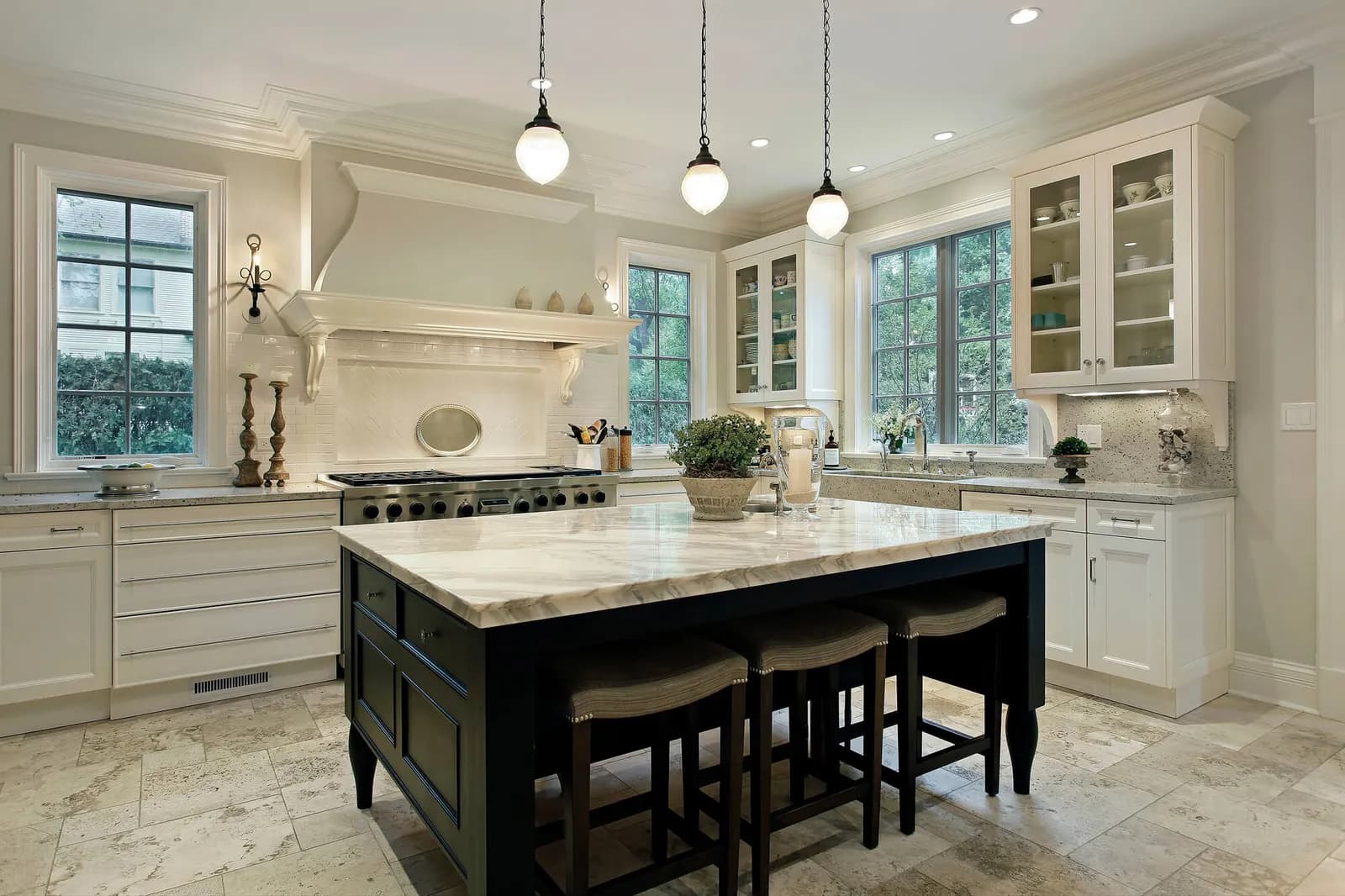
Granite countertops have long been a staple in kitchens across America, admired for their natural beauty, durability, and luxurious feel. As an igneous rock formed deep within the Earth, granite slabs are celebrated not only for their stunning patterns and color variations but also for their resilience and practicality in everyday kitchen environments.
However, despite its popularity, granite remains a topic surrounded by persistent myths and misinformation. From concerns about staining and maintenance to fears over health risks and cost, many homeowners encounter conflicting advice during their countertop projects.
Knowing the truth behind these granite countertop myths is critical for making informed decisions, especially for those investing in kitchen remodels or upgrading their kitchen island, cabinetry, or backsplashes.
In this article, we debunk the most common misconceptions about granite countertops, drawing from scientific sources and industry standards. Whether you’re considering granite for its natural materials, chemical resistance, or timeless aesthetic, this guide will equip you with accurate knowledge to confidently move forward with your next kitchen transformation.
Myth #1 – Granite Is Easily Stained
Granite is a natural stone, and like all natural materials, it has a degree of porosity. This has led to the misconception that granite absorbs spills and stains easily.
Truth: In reality, granite’s porosity is relatively low, especially when compared to other natural stones like marble.
Most granite countertops are treated with a professional-grade sealer during or after installation, which helps to fill the microscopic pores and protect the surface from absorbing liquids.
How Modern Sealing Protects Against Stains
Thanks to advances in stone care products, modern granite sealers can provide years of protection with minimal maintenance. A well-sealed granite countertop resists oil stains, wine, and even acidic substances. When properly sealed, spills sit on the surface rather than penetrating it, which gives homeowners plenty of time to clean up without damage.
Comparing Stain Resistance with Marble and Quartz
Compared to marble, which is much more porous and sensitive to acids, granite offers superior stain and chemical resistance. While quartz is non-porous due to its engineered nature, it can still be stained by chemicals like permanent markers or dyes. Granite, when sealed properly, provides a high level of resilience while maintaining its status as a natural stone slab with unique veining and patterns.
Myth #2 – Granite Requires Constant Sealing and Maintenance
Many people still wrongly believe that for granite to endure as a clean kitchen countertop, it requires regular, or even monthly, sealing and maintenance.
Truth: Granite countertops are relatively low-care and maintenance compared to many other natural and synthetic surface materials. Routine care involves simply wiping down the surface with a soft cloth and a pH-neutral cleaner to avoid degrading the sealer or etching the stone.
Proper Sealing Frequency and What It Actually Entails
There’s also the belief that granite needs constant resealing, but that’s an outdated misconception. Most modern granite countertops only need resealing once every 1 to 5 years, depending on usage, the type of granite, and the quality of the sealer used. Homeowners can perform a simple water-drop test to determine when resealing is necessary.
Why Granite Is Easier to Maintain Than You Think
Granite’s resistance to heat, UV exposure, and chemical wear makes it one of the most durable materials available for kitchen countertops. Unlike solid surface or epoxy alternatives, granite doesn’t easily scratch, warp, or discolor under normal kitchen conditions.
Cleaning Products to Use and Avoid
To preserve the sealer and the stone’s integrity, homeowners should use special stone degreasers or pH-neutral cleaners.
Avoid:
- Acidic or abrasive cleaners
- Bleach
- Vinegar
Regular cleaning with the right products, antibacterial soap, and proper sealing keeps granite looking polished without the need for intensive resurfacing or professional stone repair.
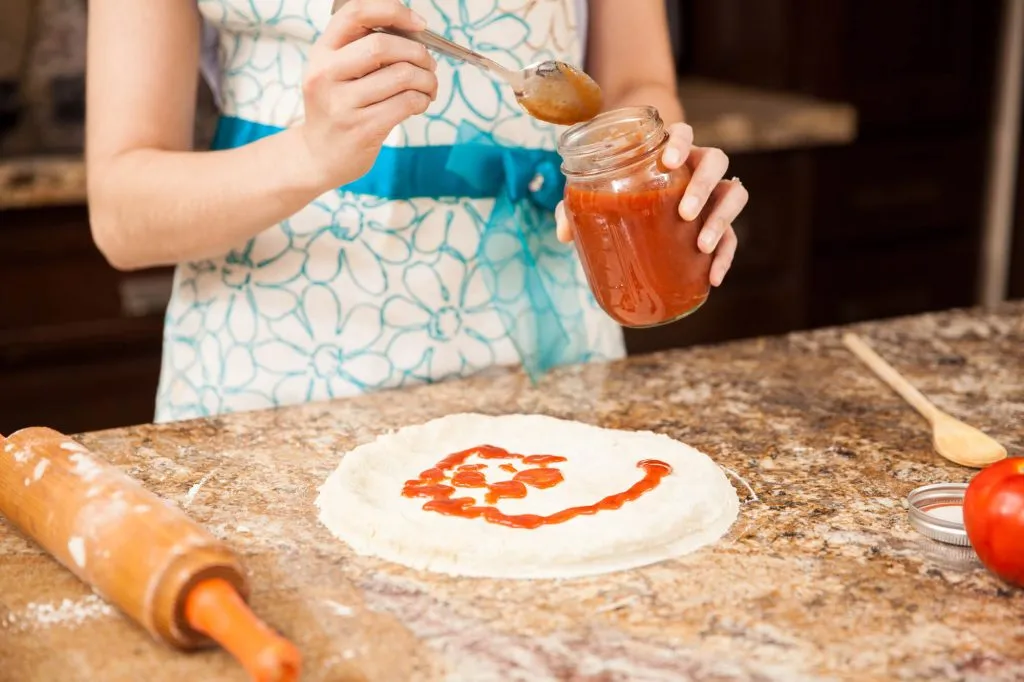
Myth #3 – Granite Harbors Bacteria
One of the more persistent granite countertop myths is that the surface harbors harmful bacteria, making it unsafe for food preparation.
Truth: Granite is widely used in both residential kitchens and commercial food and medical applications precisely because of its non-porous nature when sealed correctly.v
Scientific Perspective on Bacteria and Natural Stone Surfaces
Studies have shown that properly sealed granite has very low absorption rates, making it difficult for bacteria to penetrate and thrive. According to research referenced by the Centers for Disease Control and Prevention and the Marble Institute of America, granite countertops pose no greater bacterial threat than synthetic surface materials like laminate or solid surface.
NSF and Sanitation Ratings for Granite
Granite countertop products are regularly certified by the National Sanitation Foundation (NSF) for use in food environments. With routine cleaning using pH-neutral products and responsible sealing, granite countertops remain safe, hygienic, and ideal for kitchens focused on both cleanliness and durability.
Myth #4 – Granite Will Crack or Chip Easily
Nothing is indestructible, but granite stone that spent millions of years deep under the Earth’s crust shouldn’t give you any worries.
Truth: Granite is among the hardest natural stones available, ranking high on the Mohs hardness scale. As an igneous rock composed of quartz, feldspar, and mica, granite is inherently dense and strong, capable of withstanding daily wear and tear in busy kitchens.
Real-World Impact Resistance
While no countertop material is completely impervious to damage, granite offers impressive resistance to cracking and chipping under normal use. Accidental impacts from pots or utensils typically pose little risk. Damage usually results from structural flaws or improper support, and those are issues that can be avoided with quality installation.
How Proper Installation Reduces Structural Issues
Granite countertops must be installed on a level, reinforced base and carefully handled during transport. When installed correctly by professionals, granite slabs can last for decades without signs of structural failure.
Partnering with an experienced installer like Cabinet IQ ensures the integrity and long-term performance of your kitchen countertops.
Myth #5 – All Granite Slabs Look the Same
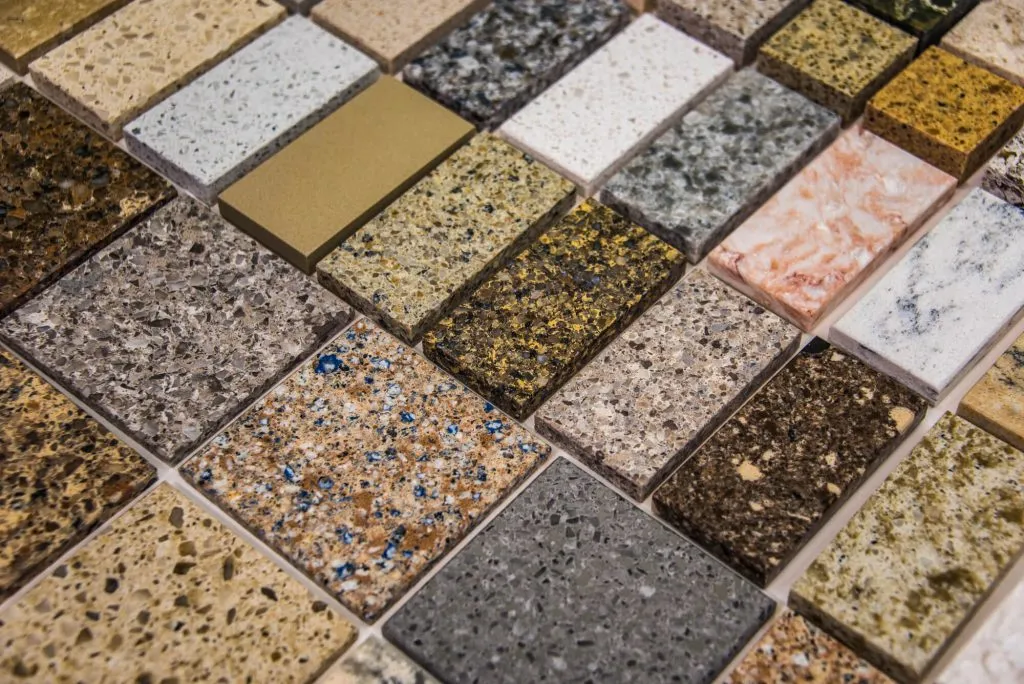
If no one pays even the slightest bit of attention to a piece of granite, it might just look like any other slab of granite rock. However, nothing can be further from the truth.
Truth: Granite is a product of the Earth, formed under high heat and pressure deep within the planet. As a result, no two granite slabs are ever exactly alike. Variations in mineral content give rise to a wide range of colors, veining, and patterns from subtle, uniform looks to bold, dramatic swirls and flecks.
The Unique Beauty of Natural Stones
Each granite stone tells a visual geological story, with aesthetic appeal unmatched by synthetic or solid surface materials. For homeowners seeking differentiation and character in their kitchen countertops, granite offers a luxurious yet organic alternative.
Why No Two Granite Countertops Are Identical
Unlike mass-produced quartz or laminate, granite’s uniqueness is one of its greatest selling points. This individuality allows homeowners to select a slab that resonates with their personal style and kitchen design, ensuring a one-of-a-kind result in every countertop project.
Myth #6 – You Can’t Put Hot Pans on Granite
There’s a myth about granite having lower heat resistance than other countertop materials like quartz. Again, not true.
Truth: Granite is naturally heat resistant thanks to its dense composition and high quartz content. Unlike some synthetic surface materials or solid surface alternatives, granite can handle hot cookware directly from the stove or oven without sustaining burn marks or blistering.
Why Granite Withstands High Temperatures
Formed under intense geological heat, granite’s molecular structure is highly stable under thermal stress. This makes it one of the best choices for areas near ranges and cooktops, where hot pans are a regular occurrence.
When to Use a Trivet (and Why You Might Still Want To)
While granite can handle heat, repeated exposure to high temperatures or extreme temperature changes in the same spot over time may weaken the sealer or cause discoloration in rare cases. Using a trivet or hot pad is recommended to extend the life of the sealer and maintain the stone’s polished finish.
But you shouldn’t panic when you leave the occasional hot pan in a hurry; it won’t crack or ruin your granite countertop.
Myth #7 – Granite Is Too Expensive
It’s a common misconception that all granite is unaffordable.
Truth: In reality, granite comes in a broad spectrum of price points depending on the stone’s origin, availability, color rarity, and veining. Locally sourced granite or less exotic colors often cost far less than imported slabs or designer-grade stones.
Why Granite Offers Long-Term Value and Durability
Although initial installation costs may appear higher than some materials, granite’s long lifespan and minimal maintenance often make it a cost-effective choice in the long run. With proper care, granite countertops can last for decades, eliminating the need for frequent replacements or repairs.
Comparison to Other Countertop Investments Over Time
Compared to lower-cost alternatives that may require refinishing, resurfacing, or replacement due to wear, granite holds its aesthetic and functional value. For homeowners looking to enhance resale appeal and invest in durable natural materials, granite stands out as a solid long-term solution. Curious how granite stacks up against quartz in price? See our cost comparison guide.
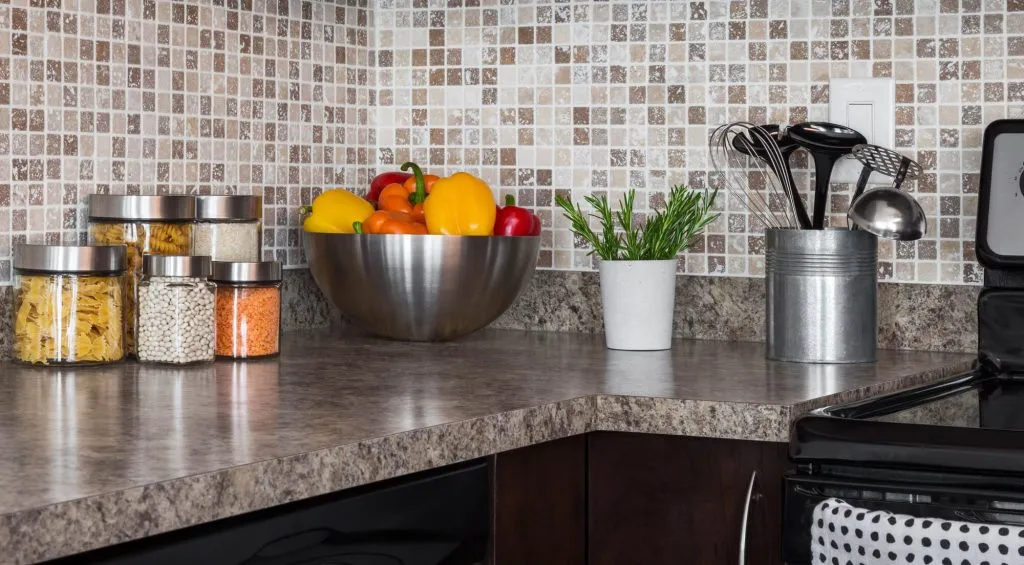
Myth #8 – Granite Countertops Release Dangerous Radon Gas
Radon is a naturally occurring radioactive gas found in soil, rock, and water. Concerns emerged years ago claiming that granite countertops—being a natural stone—might emit harmful levels of radon gas. This sparked a wave of misinformation about the potential health risks associated with granite installations.
Truth: Granite poses no harm when used indoors and in kitchens. Both the Environmental Protection Agency (EPA) and multiple independent scientific studies have concluded that the amount of radon emitted by granite countertops is negligible compared to the naturally occurring levels in most homes and poses no measurable health risk. According to the EPA, granite countertops are not a significant source of radon exposure in the home.
Understanding Safe Use of Natural Materials
Granite, like many other natural materials used in construction, contains trace elements of radioactive elements and minerals. However, the levels of radon emissions are so low that they are considered safe for all residential applications. Homeowners can confidently use granite in kitchens and bathrooms without concern, supported by studies from the Marble Institute of America and data from environmental safety agencies.
Bonus Myth – Quartz Is Always Better Than Granite
Quartz countertops, while popular, are made from engineered stone that includes crushed quartz, resins, and pigments. Unlike granite, which is 100% natural and cut from stone slabs, quartz surfaces are man-made. This allows for more uniformity in color and pattern, but can lack the natural beauty and uniqueness of granite.
The Pros and Cons Based on Lifestyle and Kitchen Use
Quartz is praised for its non-porous nature and low maintenance, making it an excellent option for busy households.
However, it can be more susceptible to heat damage compared to granite. Placing hot pans directly on quartz can cause discoloration or cracking, while granite’s superior heat resistance makes it more forgiving.
Granite also outperforms in UV resistance, which makes it more suitable for areas exposed to natural light.
Why One Isn’t Universally “Better” Than the Other
The choice between granite and quartz ultimately comes down to personal preferences and lifestyle. Homeowners who value natural materials, heat resistance, and the uniqueness of each slab may lean toward granite. Others who prioritize low maintenance and design consistency might prefer quartz. Neither option is objectively “better”, as each excels in different areas.
Making an Informed Countertop Decision
Don’t let common granite myths deter you from this worthwhile investment. Stone countertops such as granite counters offer timeless appeal and incredible value per square foot.
From staining and bacteria to maintenance and cost, granite countertop myths often dissuade homeowners from a material that is both elegant and functional. With accurate information, these misconceptions are easily dispelled, showcasing granite’s true strengths in real-world kitchen environments.
With unmatched durability, heat and impact resistance, unique visual appeal, and proven safety, granite countertops remain a top-tier option for kitchens of all styles. Whether you’re upgrading for aesthetics or longevity, granite is a sustainable and home value-driven investment.
Choosing the right countertop doesn’t have to be complicated. At Cabinet IQ, our experts help homeowners navigate their options with confidence, whether they’re considering marble countertops, quartz countertops, or other premium countertop materials. Our curated selection includes beautiful natural stone choices like granite and marble kitchen surfaces, as well as durable stone countertops designed to suit any style. Contact us today to explore our range of granite slabs and start your countertop project with clarity and style.