The Pros and Cons of Open Shelving vs Cabinets
Have you ever stood in your kitchen, wondering whether to embrace the trendy allure of open shelving or to stick with the classic efficiency of cabinets? The choice might seem simple, but it can drastically change the aesthetics and functionality of your space. As home design trends evolve, open shelving has made a strong comeback, […]
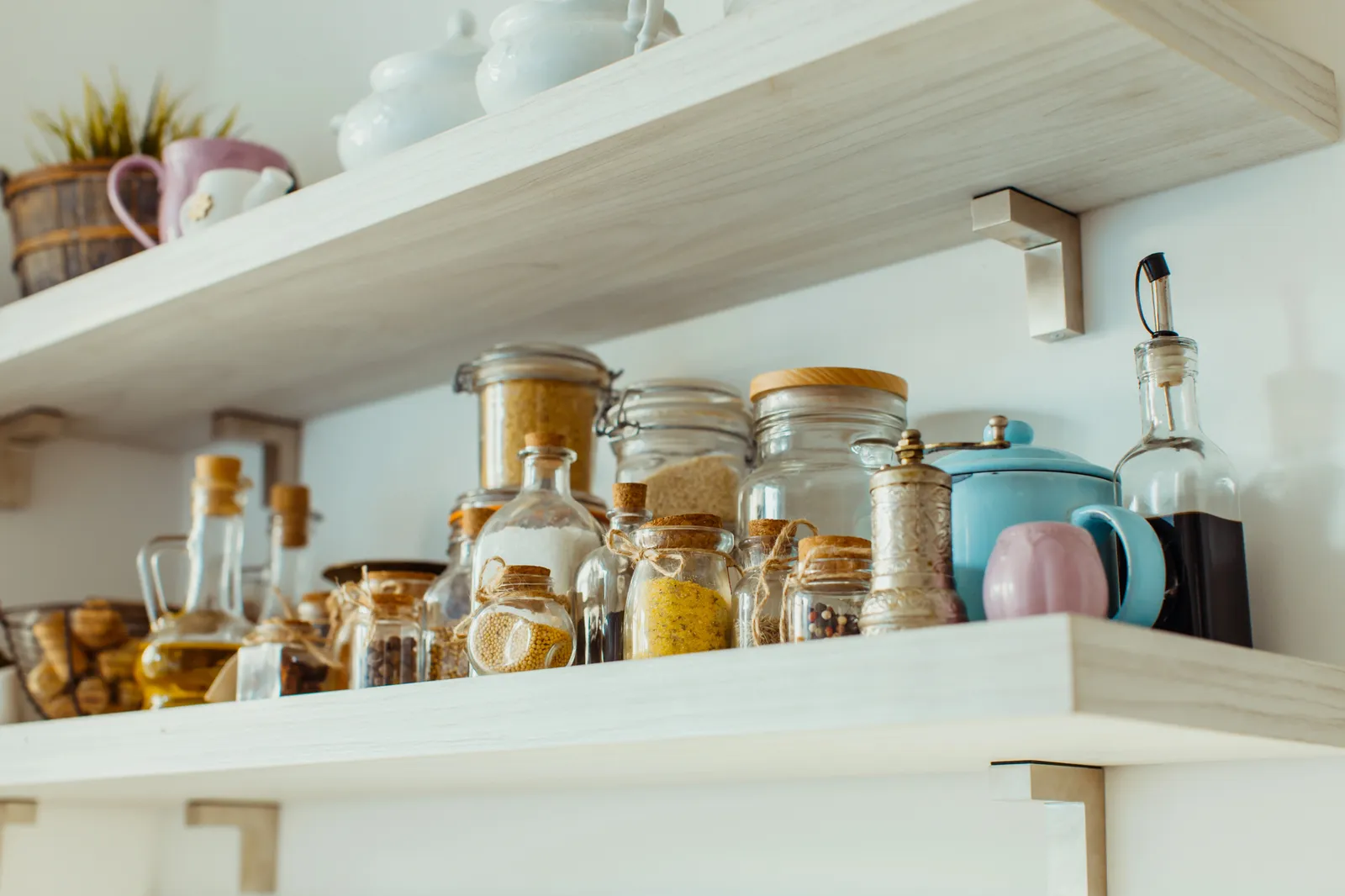
Have you ever stood in your kitchen, wondering whether to embrace the trendy allure of open shelving or to stick with the classic efficiency of cabinets? The choice might seem simple, but it can drastically change the aesthetics and functionality of your space.
As home design trends evolve, open shelving has made a strong comeback, enticing homeowners with its promise of airiness and accessibility. On the flip side, traditional cabinets continue to be favored for their practicality and capacity to keep things out of sight. With so many options available, deciding which route to take can be overwhelming, leaving you questioning what is best for your home.
It’s crucial to weigh the pros and cons of open shelving versus cabinets before making a commitment that can impact your daily life and your home’s overall style. From aesthetics to maintenance, each choice has unique advantages and disadvantages that can either enhance or hinder your cooking experience and organization.
Join us as we explore the essential factors to consider in this ongoing debate, helping you to make an informed decision that suits your lifestyle and taste.
Open Kitchen Shelving: What is It?
Open kitchen shelves are exactly what it sounds like: shelves that expose your dishes, glassware, and other kitchen essentials rather than hiding them behind cabinet doors.
Unlike traditional kitchen cabinets, these open shelves offer more storage space that’s visible.
You’re not shuffling through dark cabinets; everything’s right there at a glance, making it easier to grab what you need without the hunt.
Benefits of Open Shelving in Kitchen Compared to Upper Cabinets
An affordable option compared to traditional cabinets, a feeling of openness, and ample space for decorating are just some of the benefits of open kitchen shelves.
Here are some of the best reasons to get some wall shelves for your kitchen and not closed cabinetry:
Showcase Kitchen Colors and Attractive Items
Showcasing your kitchen’s colors and displaying attractive items becomes a breeze with open shelving.
Unlike traditional kitchen cabinetry, kitchen shelves let you easily exhibit beautiful kitchen objects or decorative items, like fine dishes or antique jars, adding a personal touch.
You can switch up displays for seasons or trends without a hassle, making your kitchen feel dynamic and curated.
This ease of change highlights your style and the room’s palette effectively.
Makes Kitchen Space Feel Larger
Installing open shelving can greatly enhance the perception of space in your kitchen.
Unlike closed upper kitchen cabinets, which can make the area feel cramped, open shelves create a more airy atmosphere.
You’ll notice your kitchen space seems larger and more inviting, which allows your walls to breathe, visually expanding your cooking area and helping the room feel less cluttered and more open.
More Affordable Option than Traditional Cabinets
Open shelving not only opens up your kitchen space but also considerably cuts down on costs compared to traditional cabinets.
Without the need for cabinet doors, you’re saving on materials and labor. Open or floating kitchen shelves enhance accessibility, making your items more reachable.
They offer a practical, cost-effective alternative that simplifies installation and reduces your overall expenditure on kitchen renovations.
Easier to Reach Everyday Kitchen Items and Goods
Streamlining kitchen functionality and open shelving guarantees that everyday items and goods are within easy reach.
With open shelves, you’ll find it’s a breeze to grab your everyday dishes compared to cabinets for kitchen storage, enhancing the overall efficiency of your kitchen designs.
This accessibility not only speeds up your meal prep but also simplifies your cleanup process, making your kitchen work smoother and more intuitive.
Perfect for Using Every Inch of Space
Maximize your kitchen’s layout by choosing open shelving, which effortlessly utilizes every corner and awkward space that might be wasted with traditional upper closed-door cabinets.
These shelf options enhance the appearance of your kitchen, making it look larger and more inviting.
You’ll find that open shelves offer flexibility in arranging items uniquely suited to your space’s peculiarities, providing a practical yet stylish solution.
Aesthetic Appeal in Minimalist Kitchens
Many minimalist kitchens benefit from the sleek look of open shelving, which can give your cooking space a clean, uncluttered feel.
Unlike cabinets with closed doors, these shelves showcase your aesthetic appeal with stylish wood and decorative items.
It’s a visually striking choice that emphasizes simplicity and transparency, allowing you to admire and access your kitchen essentials without fuss.
Forces You to Declutter Kitchen
A kitchen remodel with open shelving in your kitchen will naturally encourage you to minimize clutter, as everything on display must be organized and appealing.
This style forces you to make tough decisions about what stays or goes, reducing the dust-trapping items often forgotten in closed cabinets.
It’s a practical choice, ensuring your kitchens look tidy and your essentials are always within reach.
Choose wisely; open shelves can transform your space.
Challenges of Open Shelving
While open shelving can enhance the aesthetic of your kitchen, it’s important to contemplate the challenges it presents, from cleaning more often to struggling with storage capacity.
Here are some of the disadvantages when it comes to kitchen wall shelves:
Frequent Cleaning Required
Most items stored on open shelving will gather dust and kitchen grease more quickly than those tucked away in cabinets, necessitating regular cleaning.
You’ll face tough choices, balancing the benefits of accessible, open storage against the chore of frequent dusting and wiping.
Opting for open or floating shelves means committing to meticulous upkeep to maintain their appealing look.
Consider this carefully when making your design decisions as well, as you will need to only place items on shelves that are also easier to clean.
Might Go out of Style Sooner than Later
Trends in kitchen design come and go, and what’s fashionable today mightn’t be in a few years.
Open shelving might lose its appeal, forcing you to reconsider using doors or a combination of shelving and cabinets as design styles or your own tastes evolve. Traditional cabinets with doors are timeless compared to open shelves.
This adaptability often requires more wall space planning than traditional setups.
Keep this in mind if you’re pondering longevity in your kitchen’s aesthetic.
Less Storage Space than Traditional Upper Cabinets
Open shelving may look sleek and accessible, but it typically offers less storage space compared to traditional closed storage and cabinets.
You’ll find you can’t stack as many dishes, and oversized items mightn’t fit. And shelves might have a lower weight capacity than upper cabinetry.
This means you’ll need to prioritize what you display, keeping only the essentials within reach.
It’s a trade-off between aesthetics and functionality when deciding on your kitchen’s storage solutions.
The Kitchen Can Look Cluttered if Not Well-Organized
One major challenge you might face with open shelving is the potential for a cluttered appearance.
If you’re not diligent about keeping your kitchen organized, every mismatched dish and disheveled spice jar becomes part of your kitchen’s aesthetic.
Unlike cabinets that hide disarray behind doors, open shelves require constant upkeep to maintain a neat look, turning everyday tidying into a necessary routine.
Every Item on Shelves Must Have Visual Appeal
Almost every item you place on open shelves needs to catch the eye and fit current trends to guarantee your kitchen maintains a stylish and cohesive look.
You’ll find yourself swapping out dishes, vases, decorative pieces, and cookbooks more often to keep up with styles, which can be both costly and time-consuming.
It’s not just about storage; it’s about continuous curation and presentation.
Fragile Items at Risk
Storing your fine china, delicate dishes and glassware on open shelves puts them at greater risk of damage.
Every time you reach for them, there’s a chance you’ll chip or break something.
Plus, these items are more exposed to dust and kitchen splatters, which means you’ll be cleaning them more often, even if you haven’t used them.
It’s a hassle you can’t ignore.
Not Ideal for all Kitchen Designs and Styles
While considering the practicality of open shelving, it’s also important to evaluate how well they fit into your kitchen’s overall design and style.
If your space leans towards a more traditional or ornate aesthetic, open shelves might clash, disrupting the visual harmony.
They’re often best suited for minimalist or modern decors where their simplicity and clean lines can truly shine.
Tips for Using Open Shelving
There are ways to make open shelves work in many kitchen styles and layouts, as long as you keep these rules about their use in mind:
Use Sparingly
Most homeowners find that using open shelving sparingly, rather than as the main storage solution, creates a balance between aesthetics and functionality. This is especially true in family-friendly kitchens where practicality matters.
It’s best to select a few areas for open shelves to avoid clutter. You’ll keep your space tidy and stylish.
This approach lets you showcase some key items while maintaining the practicality that closed cabinets offer for storing everyday essentials out of sight.
Place Jars, Modern Appliances, Decorative Items
Kick off your open shelving design by strategically placing jars, modern appliances, and decorative items to create an appealing and functional display.
Arrange items by usage frequency and aesthetic value, ensuring easy access.
Keep a balance; don’t overcrowd.
This setup not only enhances your kitchen’s look but also makes grabbing your everyday essentials effortless.
Use Quality Wood Shelves or Alternative Materials
Choosing the right materials for your open shelving is essential for both durability and aesthetic appeal.
Opt for quality wood like oak or walnut, which can withstand the wear of daily use. Alternatively, consider metal or glass for a modern twist.
These materials not only last longer but also add a sleek, clean look to your kitchen.
Prioritize strength and style to make the most of your shelves.
The Benefits of Traditional Closed Cabinets Compared to Open Shelving
There’s a reason traditional cabinets don’t go out of style in any kitchen. They’re an unrivaled kitchen storage solution, protect your items, and can be updated easily.
Here are the overall benefits of cabinets:
Ample Storage Space
When considering storage solutions for your kitchen, traditional closed cabinets offer considerably more space compared to open shelving.
You’ll find that they allow you to stash a variety of items away from sight, making it easier to organize pots, pans, and other essentials.
Cabinets also let you utilize vertical space with shelves that adjust to fit even bulky items and appliances, maximizing your kitchen’s functionality.
Keeps Items Clean and Protected
Why worry about dust and spills when traditional closed cabinets offer a practical solution?
The most important benefit of cabinets, and the obvious one, is that they keep your dishes and utensils shielded from everyday kitchen messes. You’ll find that everything from glasses to spice jars remains cleaner inside these enclosures.
This means you don’t have to clean items as often before use, saving you time and effort in maintaining your kitchen’s cleanliness.
Low Maintenance
Maintaining a pristine kitchen becomes simpler with traditional closed cabinets.
You don’t have to dust them as often, and splatters are less of a worry. Spices and utensils stay hidden, reducing visual clutter.
There’s no need to constantly rearrange items for aesthetic purposes, letting you focus more on cooking and less on cleaning.
Closed cabinets streamline your kitchen upkeep effortlessly.
Durable and Long-Lasting
In addition to keeping your kitchen tidy, traditional closed cabinets offer superior durability and longevity compared to open shelving.
They’re built to withstand daily wear and tear, ensuring they last through countless cooking adventures. You won’t have to worry about frequent replacements or repairs.
Don’t Worry About Visually Appealing Appliances or Items
You don’t have to stress about keeping your appliances or dishware in showroom condition with traditional closed cabinets.
They hide clutter and everyday wear, allowing you to relax about the appearance inside.
There’s no need to constantly arrange or upgrade items for aesthetic purposes, making it easier to focus on functionality and practicality without the pressure of visual perfection in your kitchen space.
Compatible With More Styles of Kitchens
While closed cabinets offer the practical benefit of hiding clutter, they also shine in their versatility across various kitchen designs.
Whether you’ve got a modern, minimalist space or a cozy, traditional layout, they blend seamlessly.
You can choose from a myriad of styles, colors, and finishes to match any decor theme.
They’re a safe choice that keeps your kitchen looking neat and timeless.
Challenges From Closed Upper Cabinets
Of course, even if they’ve been a staple of kitchens everywhere for ages now, upper cabinets do come with some challenges that are worth mentioning.
Higher Cost
Why do closed-upper cabinets often come with a higher price tag?
You’re paying for more than just extra storage. These cabinets require additional materials and intricate craftsmanship to guarantee durability and aesthetic appeal.
Plus, the installation process is typically more complex and labor-intensive compared to open shelving, often requiring you to hire a contractor, driving up labor costs.
It’s not just wood and screws; it’s a careful construction project.
Will Make Space Feel Smaller
Beyond the higher cost, closed upper cabinets have a notable downside: they can make your kitchen feel smaller.
Their bulky structure and solid fronts limit light and visual space, giving an enclosed vibe. If you’re after an airy, open feel, you might find these cabinets stifling.
They dominate the room, often overwhelming smaller spaces with their imposing presence.
Difficult to Access Deep Cabinets
When you’re organizing items in deep upper cabinets, you might find that accessing what you need becomes a real hassle.
You’ll often have to stretch and strain to reach items shoved in the back. It’s frustrating when you can’t easily see or grab what you’re looking for.
This setup can lead to forgotten ingredients and unused kitchenware piling up out of sight.
In these odd corners, open shelving might actually be a better solution, although there are also innovative cabinet solutions available that can mitigate this common struggle.
Few Opportunities to Display Kitchen Décor
Closed upper cabinets, while great for hiding clutter and keeping kitchen items dust-free, also limit your ability to showcase your personal style through decorative items.
You’re stuck with a functional but plain façade. If you’ve got unique dishes, vibrant vases, or eye-catching cookware, they’re all hidden away.
It’s a missed opportunity to add a personal touch and visual interest to your kitchen space.
What to Consider When Choosing Open Shelves vs Closed Cabinets
So, when deciding between open shelving and traditional cabinets, consider your lifestyle and kitchen needs.
-
- If you love displaying your items and don’t mind the extra cleaning, open shelving could be perfect for you.
-
- Prefer a tidier look and less maintenance? Cabinets might be your best bet.
Think about what you’ll store and how you’ll use your space. Whatever you choose, make sure it reflects your personal style and makes your kitchen feel like home.
Cabinet IQ Can Help You Decide
Many homeowners find themselves puzzled when choosing between open shelving and closed cabinets for their kitchen.
That’s where Cabinet IQ comes in. They will assess your space, style, and storage needs to recommend the best option for you and your dream kitchen.
You’ll get personalized and expert advice that considers your daily usage and aesthetic preferences, making the decision-making process a breeze.