Effective Communication with Your Kitchen Contractor: Tips for Success
A kitchen renovation can be one of the most rewarding home renovation projects you’ll ever take on, especially when the time comes to prepare your first meal on your beautiful new kitchen island. However, between selecting materials, finalizing the layout, and coordinating multiple trades, a kitchen remodel can also be one of the most complex […]
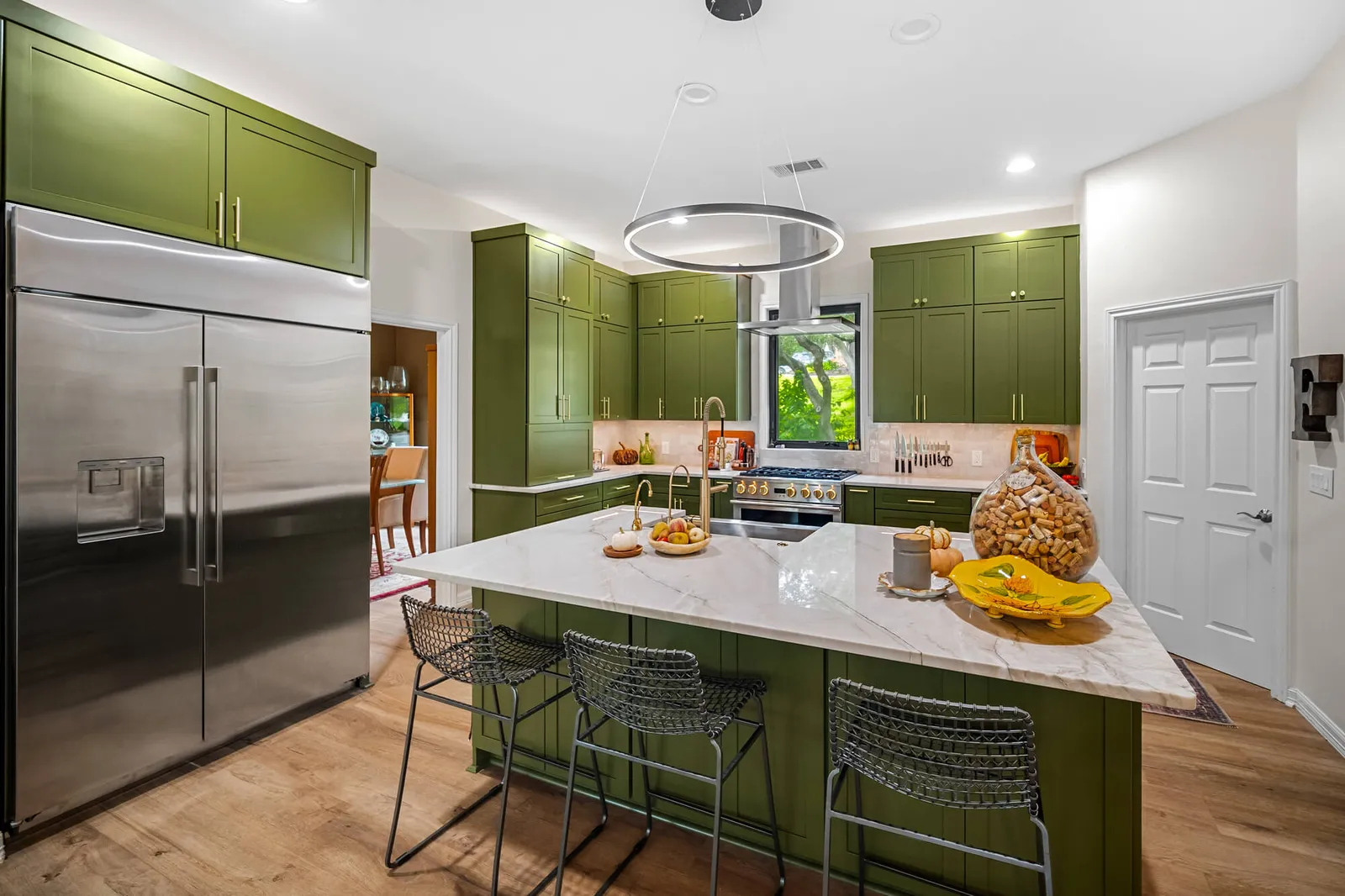
A kitchen renovation can be one of the most rewarding home renovation projects you’ll ever take on, especially when the time comes to prepare your first meal on your beautiful new kitchen island.
However, between selecting materials, finalizing the layout, and coordinating multiple trades, a kitchen remodel can also be one of the most complex home improvement projects you’ll undertake. This is why effective communication becomes the foundation for a successful project. Without clear and consistent dialogue, even the best design ideas can get lost in translation.
Effective communication skills are just as essential as craftsmanship in any major home improvement project, especially when it comes to a key area like the kitchen. It ensures that your project timeline, scope, and budget remain aligned from start to finish, and helps homeowners, contractors, and kitchen designers stay on the same page through every phase: from the initial design consultation and contract signing to the final walkthrough and punch list.
This guide will walk you through proven strategies for maintaining open, organized contractor communication throughout a kitchen or any home remodeling project—and keep your remodel smooth, efficient, and stress-free.
Establish Clear Goals from the Start
Every successful kitchen renovation begins with a shared understanding of the vision. Before construction starts or a single tile is ordered, homeowners and contractors should take time to define their priorities, project goals, and expectations. Establishing this foundation early ensures that design decisions, budget estimates, and material selections align with your overall vision and lifestyle.
How to Define Your Project Vision
Start by identifying what you want to achieve with your kitchen remodel. Are you modernizing your cabinetry and countertops, improving the layout for better flow, or expanding storage with a new island?
- Create a mood board that reflects your design style. Include visual examples or inspiration pictures from home design magazines or online portfolios to communicate your preferences clearly.
- Share design ideas and functional goals—such as where you want the sink, range, and appliances positioned—so your designer understands your daily needs.
- Use visual tools, such as sketches, floor plans, or 2D and 3D model renderings, to minimize confusion and keep your team aligned. Your kitchen specialist will be able to help with this.
Your kitchen designer will work with you to refine your design plan before construction begins. They will help you bring a clear vision to your project, ensuring everyone involved is on the same page.
Discuss Budget and Priorities Openly
Honest conversations about money are essential to effective contractor communication.
- Share your overall budget as well as your budget constraints.
- Ask for a detailed written estimate before signing any contracts.
- Review bids from multiple contractors to compare inclusions and exclusions.
- Ask how your contractor handles change orders or unexpected adjustments in costs during the project.
- Include a contingency fund (typically 10–15%) in your budgeting plan for unforeseen issues like structural repairs or material delays.
A professional contractor will respect transparency. They’ll explain where your investment is going and how your choices affect the overall project costs.
When communication is clear early in the budgeting stage, homeowners are less likely to encounter unpleasant surprises later. It also sets the tone for trust and collaboration, which are the hallmarks of a strong client–contractor relationship.
Define the Project Scope and Deliverables
Before your kitchen contractor begins ordering construction materials or scheduling trades, ensure that everyone agrees on the project scope. This includes:
- A written description of all work to be completed (demolition, framing, electrical, plumbing, installation).
- A clear list of project milestones, such as demolition, rough-ins, installation, and final inspection.
- Details about who handles appliances and specialty items like lighting.
Documenting these elements creates a feedback loop of active listening, keeping everyone accountable. If any aspect of the scope changes, you can refer back to the original agreement and make necessary updates through formal contracts or written change orders.
Leverage Tools for Clarity
Today’s technology makes communication easier and more transparent than ever.
- Use project management apps or project management software to track tasks, deadlines, and progress photos.
- Schedule virtual meetings or site visits to review updates and address questions in real time.
- Maintain digital checklists to ensure both the homeowner and contractor complete necessary tasks before moving to the next phase in the project schedule.
A good contractor will use these tools to streamline updates, share timelines, and deliver progress reports, helping homeowners stay informed without feeling overwhelmed.
If you’re working with a contractor in a rural area or coordinating with multiple teams, these digital communication channels become even more valuable for staying connected across distances.
Set a Communication Plan and Schedule
Once your goals and project scope are defined, the next step is to establish how you’ll communicate with your contractor throughout the remodeling process.
Identify Key Points of Contact
Every successful home renovation has one central communicator. In most projects, this will be your general contractor, but sometimes it’s a dedicated project manager or designer.
- Clarify roles early: Determine who will be responsible for day-to-day communication, approvals, and updates.
- Avoid confusion: Instead of messaging multiple people across different teams, route your questions and updates through one main point of contact.
- Include backups: Identify secondary contacts in case your main contact is unavailable.
This structure keeps messages consistent, especially on larger home renovation projects involving multiple subcontractors, such as flooring installers, cabinetry specialists, and countertop fabricators.
Choose Your Communication Channels
Not every update requires an in-person meeting. Selecting the right communication channels helps everyone stay efficient.
- Email: Best for sharing documents, estimates, and design approvals.
- Phone or text: Useful for quick clarifications or urgent scheduling questions.
- Project management apps: Keep your project milestones, notes, and photos centralized in one place.
- Virtual meetings: Great for reviewing 3D design updates or changes when you can’t be on-site.
Establishing preferred communication channels early helps avoid confusion caused by missed calls, unread messages, or lost paperwork. It also keeps your contractor accountable for sharing timely updates on project progress, materials, and deliveries.
Schedule Regular Check-Ins
A strong feedback loop is one of the most effective communication habits you can establish with your contractor.
- Set weekly or biweekly check-ins to review current work, address any concerns, and confirm next steps.
- Create a visual progress log—either through your project management software or photos shared during site meetings—to ensure the design matches the plan.
- Document updates and approvals in writing, especially if they involve costs, materials, or scheduling changes.
These consistent touchpoints prevent misunderstandings and ensure small issues are caught before they become big problems.
Be Transparent About Your Availability
Remodeling requires decisions—lots of them. From cabinet finishes to hardware styles and fixture placements, your input matters.
Let your contractor know your preferred method and time for communication. For example:
- If you’re often unavailable during the day, schedule evening calls or virtual meetings.
- If you travel frequently, agree on digital approvals through project management apps.
- If you prefer in-person updates, set consistent meeting times on-site.
Clear availability guidelines prevent delays and help contractors maintain momentum on your project without waiting for decisions.
Understand the Remodeling Process
One of the best ways to communicate effectively with your kitchen contractor is to understand what’s happening—and when.
Know the Typical Kitchen Remodel Timeline
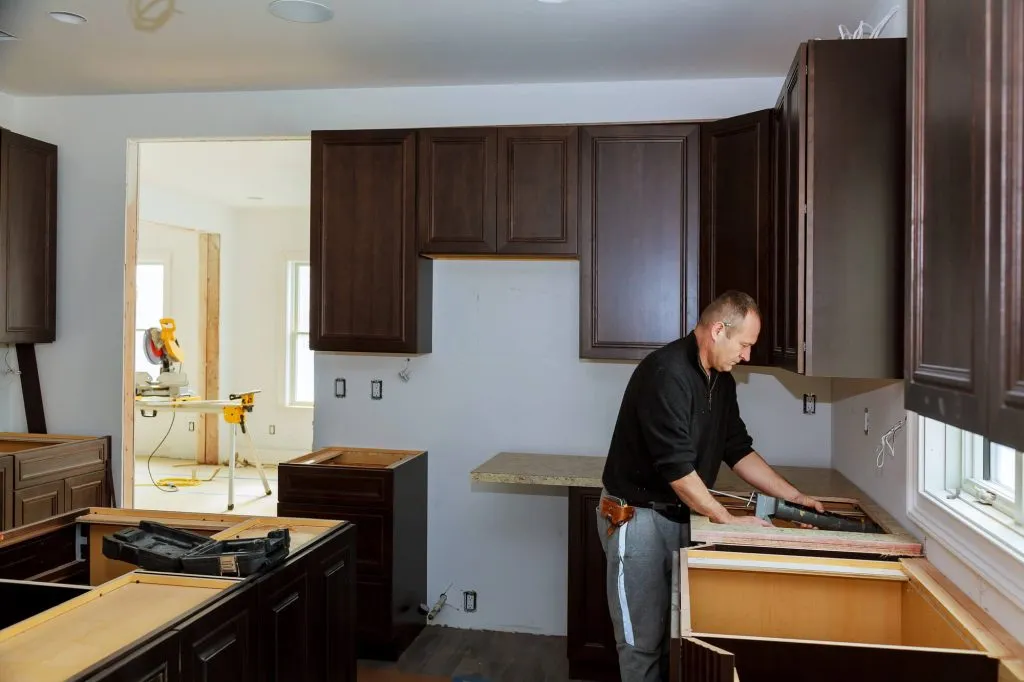
Every kitchen renovation is unique, but most follow a predictable sequence. A clear understanding of these project milestones helps you follow progress and identify when major decisions are due:
- Planning and design phase: Discuss layout, cabinetry, appliances, and material choices.
- Estimate and contract signing: Review costs, timelines, and formal agreements.
- Demolition and preparation: Tear-out of old cabinets, flooring, and countertops.
- Rough-in work: Electrical, plumbing, and HVAC installation or updates.
- Cabinet and flooring installation: The stage in the building process where the project begins to take shape visually.
- Countertop and fixture installation: Final layers of design and function come together.
- Final walkthrough and punch list: Review details, test fixtures, and ensure everything meets expectations.
Understanding this order of operations will help you communicate confidently with your contractor about where the project stands at any given time.
Ask Questions Early and Often
Many homeowners hesitate to ask questions, fearing they’ll interrupt progress or seem demanding. In reality, good contractors appreciate engaged, informed clients.
- Ask about materials, lead times, and how your selections may affect the schedule.
- Clarify how change orders are handled, including how they impact costs and completion dates.
- Request explanations for any unexpected delays or adjustments.
- Don’t hesitate to ask for help with home improvement, or construction industry languages or terminology you’re not familiar with.
- Use questions to confirm alignment on the design and layout—such as cabinet placement, countertop height, and lighting configuration.
Proactive communication builds trust and helps both parties work together toward shared goals.
Expect the Unexpected
Even the most organized home remodeling projects can face surprises, like hidden water damage, outdated wiring, or back-ordered supplies. The key is to communicate openly about these issues as they arise.
- Discuss possible solutions and pricing before approving extra work.
- Review updated timelines if materials or inspections take longer than expected.
- Keep track of all approved changes in writing, ideally through your project management software or email trail.
When communication remains transparent, unexpected issues don’t derail the project; instead, they become part of an adaptive, well-managed process.
Celebrate Milestones and Progress
Acknowledging progress helps maintain high morale for everyone involved. When major milestones—like cabinet installation or countertop fitting—are completed, take time to review the results with your contractor.
- Verify that each phase matches your design plans.
- Provide positive feedback for work well done—contractors appreciate recognition, and it goes a long way toward maintaining positive client relationships.
- Use milestone reviews to identify any necessary adjustments before moving forward.
Maintaining enthusiasm throughout the remodeling process fosters a collaborative environment that encourages high-quality craftsmanship and timely completion.
Manage Changes and Expectations
Even with a well-structured plan, kitchen remodels often evolve along the way. You might fall in love with a different countertop material, decide to add more lighting, or discover hidden water damage that requires adjustments. How you communicate about these changes can determine whether your project remains smooth or becomes stressful.
Discuss Change Orders Early
Change orders are an unavoidable part of most home renovations. They occur whenever there’s a modification to the original scope of work, whether it’s upgrading materials, adding electrical outlets, or reconfiguring cabinetry.
To manage them effectively:
- Clarify the process upfront. Ask your contractor how change orders are documented and approved before the project begins.
- Get everything in writing. Each change should come with a written description, updated pricing, and a revised schedule.
- Avoid verbal approvals. Relying on memory or informal discussions can lead to disputes later.
By handling change orders through written documentation and open dialogue, homeowners and contractors maintain trust and accountability while avoiding confusion about costs or timelines.
Maintain Realistic Expectations
Even the most experienced kitchen contractor can face scheduling challenges or supply chain delays. Materials may take longer to arrive, or unexpected repairs could add time to your project. The key is to stay patient, flexible, and communicative.
- Ask for updated estimates when changes occur and confirm how they affect the completion date.
- Keep track of material deliveries and installation schedules through your project management app.
- Remember that quality work often takes time, and rushed installations can lead to long-term issues.
Managing expectations doesn’t mean settling for less; it means understanding the realities of construction and working collaboratively with your contractor to stay on track.
Communicate Proactively
Suppose you notice something that doesn’t look right. Perhaps a pendant light rough-in location or the plumbing lines for your island prep sink? Bring it up immediately.
Good general contractors are active listeners and appreciate early feedback because it’s easier to correct minor issues before they escalate.
- Use photos or visual references when describing concerns.
- Schedule quick site check-ins or virtual meetings to clarify details.
- Keep communication constructive—approaching issues as shared problem-solving builds a better working relationship.
Proactive and respectful communication keeps the project momentum strong, ensuring everyone feels heard and informed.

Build Trust Through Transparency
Strong relationships between homeowners and contractors rely on mutual respect, honesty, and professionalism.
Keep Records and Documentation Organized
Documentation is the backbone of clear contractor communication.
- Maintain a folder—digital or physical—with all contracts, change orders, budget estimates, and receipts.
- Track project milestones and material deliveries through your chosen project management system.
- Store visual design plans, checklists, and meeting notes for easy reference.
This simple habit prevents misunderstandings about costs, schedules, or design details and keeps the project aligned with the original scope.
Encourage Two-Way Feedback
Communication should never be one-sided. Homeowners also have a role to play in ensuring client satisfaction at the end of the project, as contractors benefit from a positive and open feedback loop:
- Ask your contractor for updates on progress and any challenges they are facing.
- Offer constructive feedback respectfully when something isn’t meeting your expectations.
- Provide positive feedback when milestones are reached or when you love the progress so far.
A respectful, two-way conversation keeps morale high and strengthens collaboration across every stage of your kitchen renovation.
Work with Contractors Who Prioritize Communication
Not all contractors approach communication the same way. When choosing your kitchen contractor:
- Look for professionals with strong customer reviews and detailed portfolios that demonstrate consistency and reliability.
- Verify credentials, licenses, and references before committing.
- Choose teams that provide written estimates, clear timelines, and consistent communication throughout the project.
Cabinet IQ, for example, is built on transparency, trust, and communication at every level. From the first consultation to the final walkthrough, their customer service teams keep clients informed, updated, and confident in every decision.
The Foundation of a Successful Kitchen Remodel
A beautiful kitchen starts with great design, but it’s built on something even more important: communication. Open dialogue, shared goals, and mutual respect are what keep home remodeling and home renovations on time, on budget, and stress-free.
Strong kitchen contractor communication is about building trust—not just exchanging updates. It ensures that your vision becomes a reality, that small challenges don’t become major obstacles, and that every decision aligns with your goals and lifestyle. From the moment work begins on the job site, strong communication and good communication are what drive project success and customer satisfaction.
At Cabinet IQ, communication and active listening are woven into every step of the remodeling experience. Our design and installation teams prioritize transparency, detailed project details, and realistic material budget estimates. Through regular check-ins, weekly meetings, and phone calls, clients stay informed about project progress, unexpected costs, and potential surprise costs—ensuring a stress-free experience from start to finish.
We help clients visualize their successful renovation, keeping them confident as work begins and continuing all the way to a smooth closing process. Everystage is managed with clear communication, helping you avoid misunderstandings and ensuring project success.
Whether you’re exploring layout options, finalizing materials, or preparing for your final walkthrough, our team works side-by-side with you to make the process smooth, transparent, and enjoyable.
If you’re planning a kitchen renovation and want a partner who values craftsmanship and clear communication equally, schedule a showroom consultation with Cabinet IQ today. Together, we’ll bring your dream kitchen to life—on time, on budget, and built on trust. And when it’s time for your next project, you’ll know exactly who to call.
Together, we’ll bring your dream kitchen to life—on time, on budget, and built on trust.