How to Pair Cabinets with Countertops for a Cohesive Look
The kitchen is where meals are shared and conversations begin, which is why it’s often called the heart of the home. It’s also where many of the first and most important impressions about a home are made. This brings us to one of the most overlooked yet foundational elements of kitchen remodeling — the pairing […]
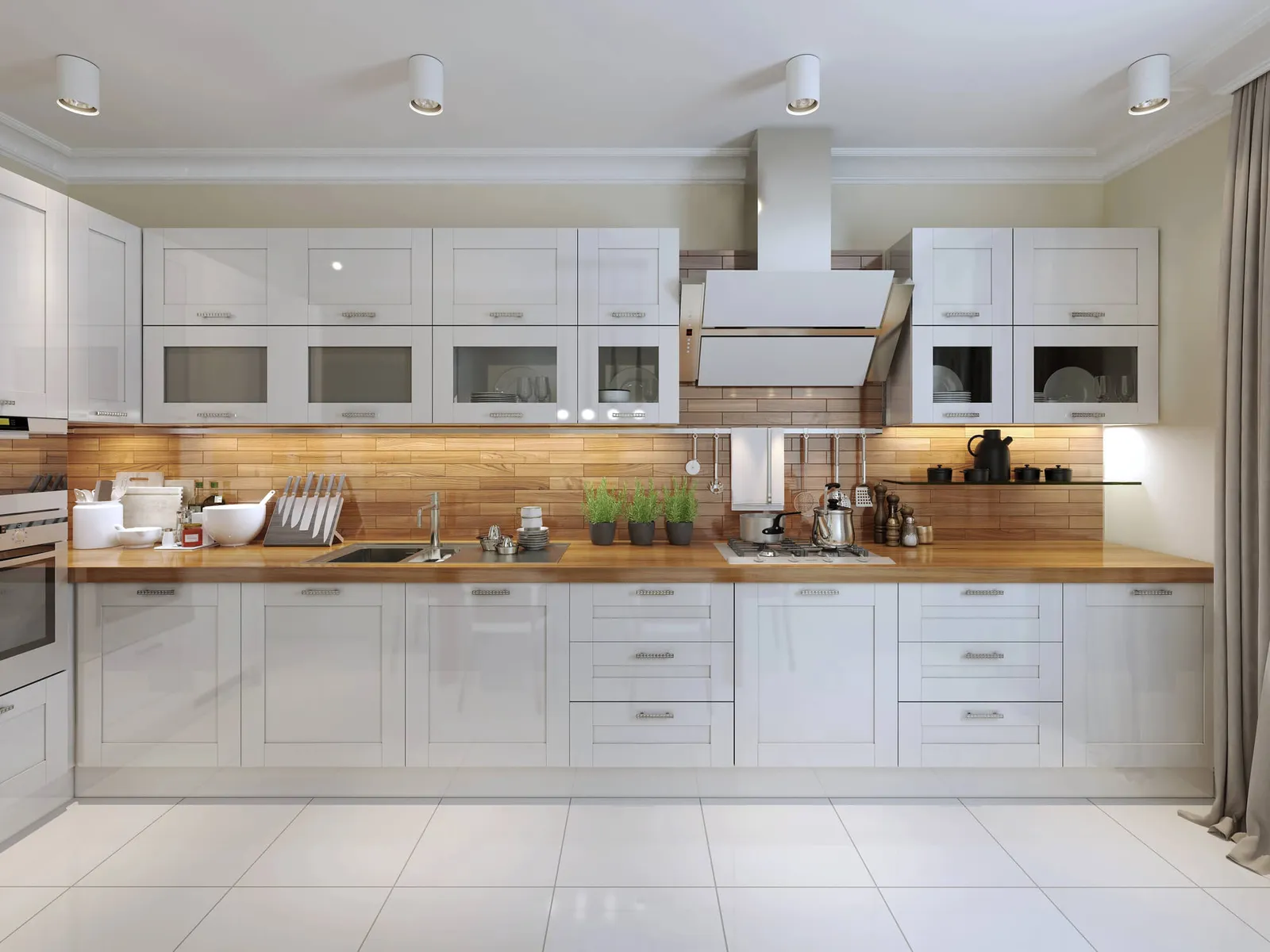
The kitchen is where meals are shared and conversations begin, which is why it’s often called the heart of the home. It’s also where many of the first and most important impressions about a home are made.
This brings us to one of the most overlooked yet foundational elements of kitchen remodeling — the pairing of cabinets and countertops. When done thoughtfully, this combination defines the entire space and sets the tone for your kitchen’s visual appeal and functionality.
A well-executed cabinets countertops pairing ties together every element of design, from kitchen cabinets and countertops to the backsplash, flooring, and lighting. Whether you prefer dark cabinets with light countertops, white cabinets with granite countertops, or a balanced blend of natural wood and white quartz countertops, achieving the right mix creates harmony throughout your kitchen.
Your kitchen cabinets and countertops aren’t just functional features—they anchor your space’s design language. The relationship between cabinet color, cabinet finishes, and countertop materials can either create cohesion or visual clutter. When planned correctly, this pairing enhances contrast, brings warmth, and complements the room’s natural and artificial lighting.
Whether you’re remodeling for resale value or creating your dream kitchen, pairing cabinets and countertops with complementary colors and natural textures ensures timeless elegance and lasting durability.
In this guide, we’ll walk you through essential design principles to help you match kitchen countertops and cabinets confidently. You’ll learn how to define your kitchen’s style, build a cohesive color palette, coordinate textures and materials, and avoid common design mistakes.
Whether you’re a homeowner planning a kitchen remodel or an interior designer staying ahead of modern kitchen trends, this resource is your blueprint for creating a cohesive, beautiful, and functional space.
Start with the Big Picture: Define Your Design Intent
Before choosing between quartz countertops and marble, or selecting between shaker and slab cabinetry styles, step back and define the overarching design intent of your kitchen renovation. This one step sets the tone for every decision that follows.
Are you going for a modern, farmhouse, transitional, or Scandinavian-inspired kitchen style? Each of these comes with its own preferences for cabinet hardware, countertop textures, and color combinations. For instance:
- A modern kitchen often leans toward high-contrast tones—think two-tone cabinets with white upper cabinetry and black or navy island cabinets, paired with sleek quartz or porcelain countertops.
- A farmhouse kitchen may incorporate warm granite or wood countertops, shaker-style cabinets in creamy neutrals, and a soft wicker stain finish.
- Transitional kitchens blend classic and contemporary, often featuring mixed textures like soapstone or granite counters with painted cabinetry and subway tile backsplash.
In short, it’s your cabinetry that sets the stage, while its layout, style, and finish dictate the visual flow. Countertops, then, reinforce and amplify that style by either complementing or contrasting it.
Remember: the best cabinet countertop pairing decisions are never made in isolation. They are deeply tied to your space’s lighting (both natural and from your lightbulbs), appliances, and the texture of surrounding kitchen materials like backsplashes and floors.
Aim for visual unity, not uniformity. Cohesion doesn’t mean matching everything. Rather, cohesion means everything feels like it belongs.
Color Pairing Fundamentals: Creating Cohesion Through Contrast or Harmony
Choosing the right color combinations between your cabinet and countertop options is nice for the visual appeal your kitchen will create. Still, the true value of a cohesive look is curating a space that reflects your personal taste while respecting design principles like balance, flow, and intentional contrast.
The color palette you select should complement the rest of your kitchen materials, from flooring to backsplash and even lighting fixtures.
Use the 60-30-10 Rule
A timeless design strategy, the 60-30-10 rule helps structure your kitchen’s color scheme:
- 60%: Dominant color (often your kitchen cabinets or flooring)
- 30%: Secondary color (countertops or backsplash)
- 10%: Accent color (hardware, kitchen island cabinets, accessories, or lighting fixtures)
For example, a kitchen may feature light grey cabinetry (60%), veined white quartz countertops (30%), and matte black cabinet hardware and faucet fixtures (10%). This proportional approach maintains visual balance and prevents color overwhelm.
Match Cool with Cool, Warm with Warm
Color temperature plays a critical role in creating cohesion.
- Cool Combos: Cool-toned cabinetry like navy, charcoal, or crisp white pairs well with cooler countertop materials like marble, soapstone, or white quartz with blue-grey veining.
- Warm Matches: On the other hand, warm cabinets, such as honey oak or walnut, work better with granite countertops that have golden or brown undertones, or with cream marble countertops.
- Don’t Let Neutrals Fool You: If you’re working with neutrals, ensure the undertones match. A beige cabinet with pink undertones might clash with a taupe countertop that leans green, even though both are technically “neutral.”
Balance Bold Cabinets with Neutral Countertops (and Vice Versa)
- With Bold Cabinets: If you’re drawn to statement-making cabinetry, such as forest green, navy blue, or even black, opt for lighter, more neutral countertop surfaces like white quartz, light marble, or even subtle porcelain countertops with faint veining.
- Or Bold Countertops: Conversely, if your kitchen countertops are the star (for instance, with bold granite patterns or quartzite rich in movement), go for understated cabinets in shades like ivory, taupe, or greige.
- Don’t forget Glossy and Matte: Matching finishes—glossy with glossy, matte with matte—also enhances consistency across your kitchen surfaces and helps reflect or absorb lighting in purposeful ways.
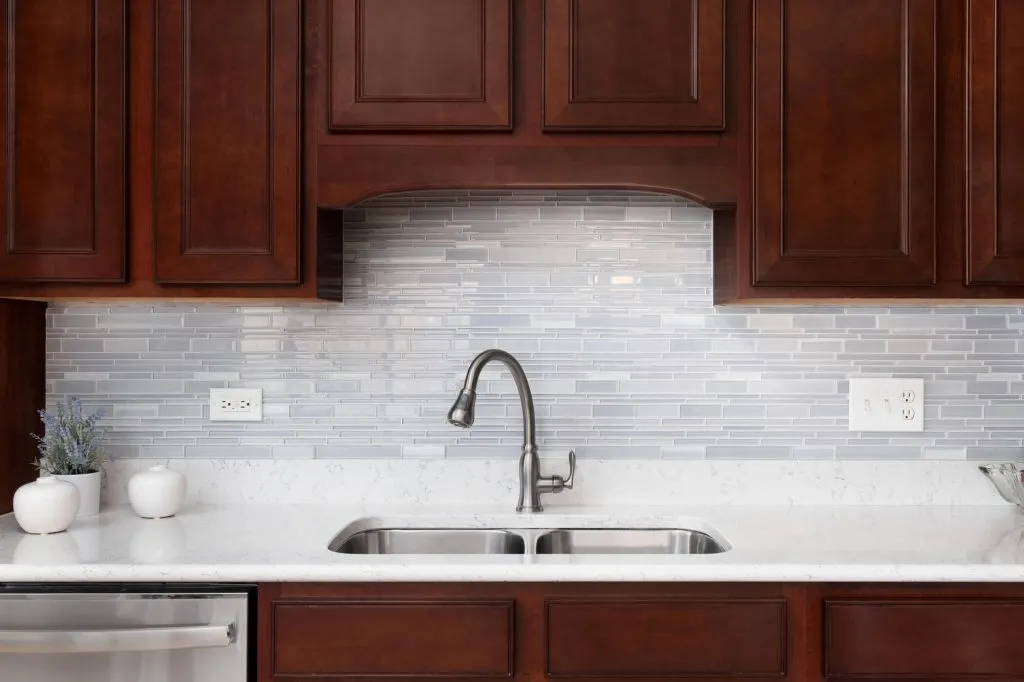
Striking a contrast between your cabinet color and countertops, or gloss and matte, can create a modern, layered look, especially when complemented with glossy backsplash tiles or ambient under-cabinet lighting.
Texture and Material Matching: Layering Visual Interest
While color captures attention first, texture holds it. Texture matching is a subtle but powerful design strategy to create tactile richness in your kitchen design, which can be especially useful in kitchen remodels that will blend old and new elements.
Compare Matte vs. Glossy, Veined vs. Solid Surfaces
- Matte textures (like honed granite or flat-painted cabinets) create a soft, understated feel and absorb light, perfect for minimalistic or Scandinavian kitchen styles.
- Glossy finishes (like lacquered cabinet doors or polished quartz countertops) reflect light and offer a sleek, high-end feel suited for modern kitchens.
- Veined countertops like quartzite or marble add movement and luxury, whereas solid surfaces like soapstone or butcher block keep the focus on cabinetry and other elements.
Contrasting textures add depth to small kitchens and can make a space feel curated and intentional.
How to Layer Texture with Cabinets, Countertops, and Backsplashes
Think of your kitchen’s texture strategy like building a three-layer cake:
- Base Layer (Cabinetry): Choose a primary texture here, like painted wood, laminate, rift-sawn oak, or stained cherry.
- Mid Layer (Countertops): Introduce contrast. Pair smooth painted cabinets with subtly veined granite or marble, or textured cabinet doors with polished quartz countertops.
- Top Layer (Backsplash): Tie both textures together using an intermediate finish, such as handmade subway tiles, mosaic glass, or even matte porcelain with tactile dimension.
Don’t forget functional textures like cabinet hardware, furniture hardware, or faucet finishes. These are key accessories that bridge the look between surfaces. A brushed nickel handle on a smooth cabinet can subtly echo the texture of a veined marble slab.
Pro Tips on Combining Woodgrain with Stone
Wood cabinetry brings warmth and authenticity, but pairing it with the right stone surface is crucial. Aim for balance:
- Red-toned cherry wood pairs beautifully with warm granite countertops.
- Pale maple or beech cabinetry matches well with white marble or neutral-toned quartz.
- For darker woods like walnut, opt for light-colored quartz countertops or light soapstone to prevent a heavy, closed-in feel.
As you evaluate material combinations, bring home samples and place them next to your flooring and backsplash. The lighting in your kitchen, natural or from lightbulbs, can significantly alter how colors and textures appear.
Popular Pairings That Always Work
When in doubt, rely on time-tested combinations that deliver both elegance and versatility. These cabinet and countertop pairings have remained popular across kitchen styles, from modern to farmhouse, and are adaptable to various design trends and spatial constraints.
- White Cabinets + White Quartz Countertops: A classic combo that suits small kitchens and open-concept layouts alike. White kitchen cabinets with white quartz countertops create a clean, expansive feel, especially when accented by stainless steel appliances or brushed gold cabinet hardware. Add a visual dimension with a textured backsplash, like glossy subway tiles or handcrafted ceramic.
- Dark Cabinets + Light Quartz: This high-contrast pairing offers dramatic sophistication. Think espresso-stained or matte black cabinetry against a bright white quartz or marble countertop. It’s especially striking when paired with under-cabinet lighting and matte black faucets for a cohesive, modern style.
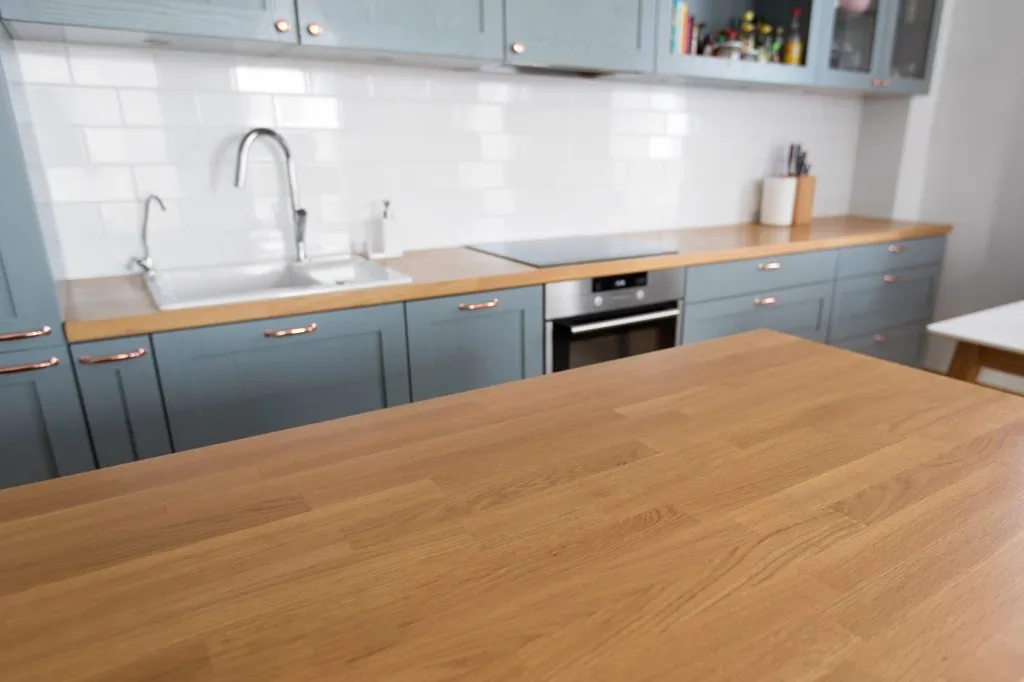
- Grey Matte Cabinets + Butcher Block: Soft grey cabinetry—especially in a matte finish—often pairs beautifully with warm wood countertops. Butcher block and granite countertops together add organic texture and a sense of comfort, perfect for transitional or rustic kitchen styles. Use wicker stain finishes or natural oak wood species for visual warmth.
- Blue Cabinets + Matte Granite or Quartz: Blue cabinets, from dusty denim to deep navy, bring personality without overwhelming the space. Pair with light grey or white granite countertops, or opt for a matte quartz with subtle veining. Consider two-tone cabinets with white uppers and blue lowers to break up the intensity.
- Wood Cabinets + Granite or Slate Look: Natural wood cabinetry in walnut, alder, or hickory complements darker, earthy countertops. Granite countertops in slate tones or textured quartzite can add both durability and depth. These combinations are ideal for kitchens with stone flooring, black iron hardware, or vintage-inspired lighting.
These combinations not only look great in showrooms but also perform well under daily use, especially when selected with long-term maintenance in mind.
Coordinate with Backsplashes, Flooring, and Lighting
Your kitchen’s cohesion doesn’t end with cabinets and countertops. In fact, backsplash materials, flooring choices, and lighting design play pivotal roles in unifying the space. They act as connectors by blending surfaces, defining zones, and adding clarity to the visual hierarchy.
Use the Backsplash to Bridge Cabinets and Counters
A well-chosen backsplash can seamlessly integrate cabinet color and countertop texture. If you’re working with high-contrast pairings—like white cabinets and dark countertops—a mid-tone backsplash (like taupe, sand, or light grey) helps bridge the visual gap.
For kitchens with two-tone cabinets or island cabinets in a contrasting color, use the backsplash to reinforce one of those tones or introduce a soft complementary hue. Glass mosaic, ceramic, or natural stone all offer unique textures that complement both glossy and matte finishes.
Consider Lighting as a Color Amplifier
Lighting influences how color appears more than most realize. Warm-toned bulbs can make cool cabinet colors feel muddier, while daylight-spectrum lighting can exaggerate the undertones in granite or marble countertops.
Install layered lighting:
- Ambient: Ceiling lights or recessed fixtures
- Task: Under-cabinet strips or puck lights
- Accent: Pendant lights over the island or track lighting over shelves
This not only enhances function but ensures your color palette is represented accurately throughout the day.
Flooring as the Third Anchor
The floor is your third foundational surface, so don’t make it an afterthought. Whether you’re choosing wood-look tile, engineered hardwood, or polished concrete, ensure it complements both the cabinetry and countertops.
Here are a few dependable combinations:
- White cabinets + granite countertops + dark-stained oak floors
- Grey cabinets + white marble-inspired quartz countertops + light maple flooring
- Espresso cabinets + quartzite countertops + slate tile floors
Avoid combining competing patterns across surfaces. If your countertops are veined or your backsplash has a bold motif, opt for subtle flooring and solid-tone cabinetry to preserve visual balance.
Together, cabinetry, countertops, backsplash, flooring, and lighting form an ecosystem of surfaces. When coordinated correctly, the result is a well-orchestrated space that feels intentional, functional, and beautiful.
Mistakes to Avoid When Pairing Cabinets and Countertops
Even the most beautifully designed kitchens can fall short if cabinet and countertop choices aren’t aligned. Avoiding common pitfalls in cabinet countertops pairing will help you create a kitchen design that’s both timeless and visually harmonious.
Too Many Competing Patterns
Pairing a busy granite countertop with equally patterned cabinetry or a loud backsplash can overwhelm the eye. While textures and colors are important, contrast must be controlled. If you’ve selected a bold countertop, like a heavily veined marble or quartzite, balance it with simpler cabinet styles and a more neutral backsplash. Let one element be the star while the others support.
Ignoring Lighting Conditions
Many homeowners forget that lighting—both natural and artificial—affects how materials and colors appear. That warm-toned grey cabinet you loved in the showroom may look beige under your kitchen’s bright LED lightbulbs. Always test your samples in your actual kitchen space. Pay attention to how cabinet colors, countertops, and backsplashes interact in both daylight and evening lighting.
Overlooking Edge Profiles and Finishes
Subtle details like countertop edge profiles can disrupt or enhance a cohesive look. For modern cabinetry with slab or flat-panel doors, a clean square edge or waterfall quartz edge complements the streamlined aesthetic. For traditional cabinetry or two-tone cabinets with ornate moldings, a beveled or ogee edge may be more fitting.
Finish consistency matters too. Pairing matte cabinets with ultra-gloss countertops can create dissonance unless it’s intentionally part of the design contrast. Aim for complementary finishes across cabinet doors, countertops, backsplashes, and hardware.
Mismatched Undertones
This is one of the most common (and most overlooked) design mistakes. You might love both a soft white quartz and an ivory-painted cabinet, but if one has a yellow undertone and the other leans pink or green, the mismatch will be glaring once installed.
To avoid this:
- Place samples side by side under your actual kitchen lighting.
- Compare with nearby surfaces like your floors, walls, and ceiling paint.
- Take a color wheel and seek neutrals with similar undertone families (warm with warm, cool with cool).
Undertone clashes are hard to fix once cabinets and countertops are installed, so it’s worth taking extra time during the selection process.
Pro Tip: Use Samples and 3D Renderings Before Committing
One of the smartest moves you can make in your kitchen remodeling journey is to visualize your materials together before finalizing selections. Cabinet IQ offers professional 3D renderings that allow you to see your actual cabinet styles, cabinet color, countertop materials, backsplash, and even lighting within a digital model of your kitchen.
Samples Make All the Difference
Physical samples let you:
- Test undertones in your actual lighting conditions.
- Feel the texture and finish of each surface.
- Place items like cabinet doors, wood countertops, granite samples, and flooring swatches together to test color palette synergy.
Gather samples of:
- Cabinet door styles and finishes
- Countertop materials (quartz, granite, marble, soapstone, porcelain)
- Backsplash tiles (especially if they are textured or glossy)
- Flooring types (wood species, tile, LVP)
- Cabinet hardware or accessories
Arrange them on your current kitchen counter or floor and observe them throughout the day under different lighting conditions. You’ll be surprised how drastically colors shift from morning to evening.
Visualize the Space with Renderings
Cabinet IQ’s showroom-quality digital renderings give you a realistic view of your entire design, before a single cabinet is installed. This is especially useful for:
- Visualizing complex color combinations
- Testing two-tone cabinets or island cabinets
- Checking the flow between cabinetry, flooring, and appliances
- Previewing how lighting will reflect off glossy or matte surfaces
This tool not only reduces costly surprises but helps ensure every element of your kitchen—cabinetry, countertops, lighting, backsplash, kitchen sink, and flooring—works together seamlessly.
Combining physical samples with realistic 3D previews gives you the confidence to commit to a cohesive, functional, and beautiful kitchen design.
Your Dream Kitchen Starts with the Right Pairing
Pairing cabinets with countertops is one of the most impactful design decisions in any kitchen remodel. When done thoughtfully, it brings color, texture, and style into harmony, creating a space that feels both functional and refined.
Whether you’re drawn to bold contrasts or soft, neutral blends, a cohesive pairing anchors your design and elevates the entire kitchen experience. It’s not just about looks: it’s about how the space feels and works for you every day.
Ready to find the perfect cabinet and countertop pairing for your dream kitchen?Cabinet IQ offers expert guidance, in-home consultations, premium materials, and cutting-edge 3D renderings to bring your vision to life. Schedule your free design consultation today—and let’s make your kitchen unforgettable.